Budapest: Echoes of Empires, Baths of Bliss
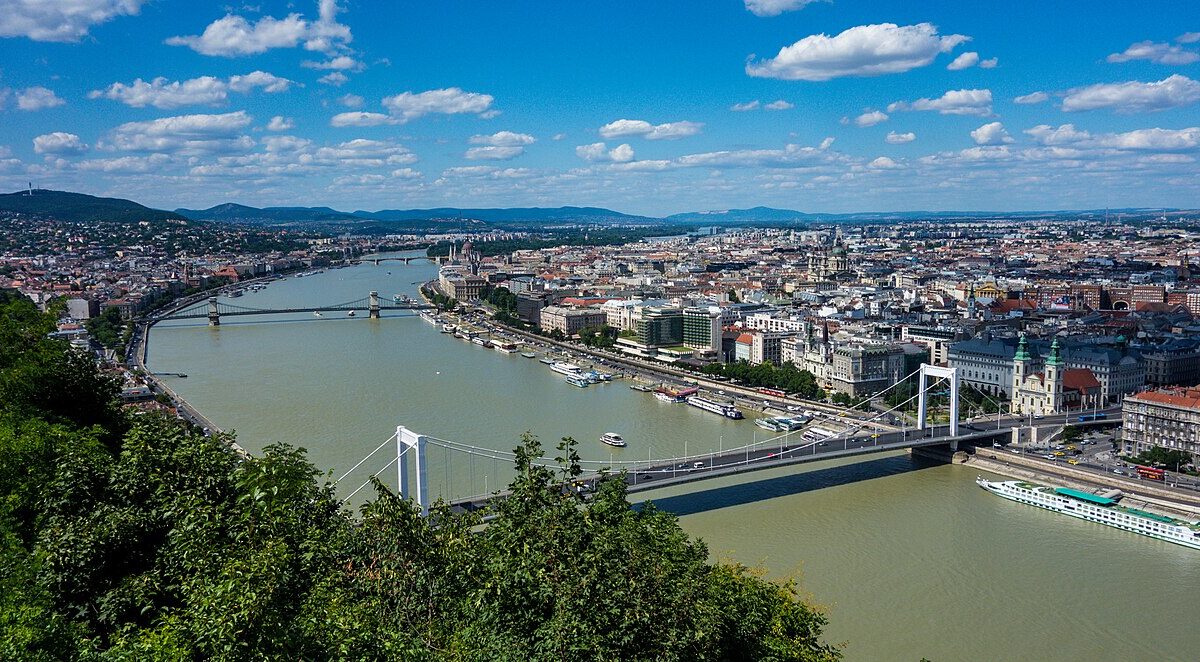
Budapest, Hungary’s captivating capital, offers an unparalleled blend of rich history, stunning architecture, vibrant culture, and thermal relaxation, all at a remarkably accessible price point. This comprehensive Budapest travel guide provides essential information for planning your unforgettable journey, from understanding Budapest travel cost to discovering the very best things to do in Budapest, ensuring a seamless and enriching experience.
Why Visit Budapest?
Budapest stands as a jewel in Central Europe, drawing millions of visitors each year with its unique charm and diverse offerings. The city, bisected by the majestic Danube River, seamlessly merges ancient history with modern vibrancy.
From the grandeur of the Parliament Building to the ancient allure of Buda Castle, Budapest’s architectural landscape tells tales of empires and revolutions. It is a city where thermal baths provide a timeless retreat, and ruin bars buzz with contemporary energy.
Beyond its visual appeal, Budapest offers a rich cultural tapestry, reflected in its world-class museums, opera houses, and culinary scene. Travelers can indulge in traditional Hungarian dishes, explore bustling markets, or discover innovative new gastronomy.
Furthermore, Budapest is renowned for its affordability compared to many Western European capitals, making it an attractive destination for various budgets. This combination of beauty, history, culture, and value makes Budapest an essential stop for any international traveler.
Average Travel Cost in Budapest
Understanding the potential expenses is crucial for planning any trip. Budapest offers excellent value for money, allowing travelers to experience its wonders across various budget levels. The following table provides an estimated daily cost comparison for 2026, helping you budget for your adventure.
| Category | Budget Traveler (per day) | Mid-Range Traveler (per day) | Luxury Traveler (per day) |
|---|---|---|---|
| Hotel/Accommodation | €30 – €50 (Hostel dorm/budget guesthouse) | €90 – €150 (3-4 star hotel) | €250 – €450+ (5-star hotel/boutique) |
| Food | €20 – €35 (Street food, markets, budget eateries) | €50 – €80 (Casual restaurants, 2-course meals) | €100 – €200+ (Fine dining, multiple courses) |
| Transport | €7 – €10 (Public transport day pass) | €7 – €15 (Public transport, occasional taxi) | €15 – €30+ (Taxis, private transfers) |
| Attractions | €10 – €20 (1-2 paid attractions, free walking tours) | €25 – €50 (Multiple paid attractions, baths) | €50 – €100+ (Premium tours, spa treatments, opera) |
| Total Estimated Daily Cost | €67 – €115 | €172 – €295 | €415 – €800+ |
These figures are estimates for 2026 and can fluctuate based on seasonality, booking in advance, and personal spending habits. For budget-conscious travelers, Budapest remains one of the most affordable major European cities.
Where to Stay in Budapest
Choosing the right neighborhood significantly enhances your Budapest travel guide experience. The city offers diverse areas, each with its unique atmosphere and advantages. Here are three top recommendations for where to stay in Budapest, catering to different preferences and budgets.
-
District V (Belváros – Lipótváros): This is the absolute heart of Pest and ideal for first-time visitors seeking central access to major sights. It’s home to the Parliament, St. Stephen’s Basilica, and numerous elegant shops and restaurants.
- Vibe: Elegant, bustling, central, upscale.
- Price Range (2026): High. Expect €120-€250 for mid-range hotels, and €250+ for luxury options.
-
District VII (Erzsébetváros – Jewish Quarter): Known for its vibrant nightlife, historic synagogues, and famous ruin bars, this district is perfect for those who enjoy a lively atmosphere. It also offers excellent dining and cultural experiences.
- Vibe: Bohemian, lively, artistic, great for nightlife.
- Price Range (2026): Mid-range. Hostels are €30-€50, while boutique hotels and apartments range from €80-€150.
-
District I (Várkerület – Castle District): Located on the Buda side, this historic district offers breathtaking views and a tranquil, romantic setting. It’s home to Buda Castle and Fisherman’s Bastion, providing a quieter escape from the city buzz.
- Vibe: Historic, romantic, quiet, stunning views.
- Price Range (2026): High-Mid. Hotels here often blend historic charm with modern amenities, costing €100-€200.
Best Things to Do in Budapest
Budapest boasts an incredible array of attractions, catering to all interests. From historical landmarks to relaxing thermal baths, here are some of the best things to do in Budapest.
- Hungarian Parliament Building: An iconic symbol of Budapest, this stunning Neo-Gothic masterpiece is best viewed from the Buda side or by taking a guided tour inside. Its intricate architecture and riverside location make it a must-see.
- Buda Castle & Castle District: Perched atop Castle Hill, this historic complex offers panoramic views of the city. Explore the Royal Palace, Matthias Church, and Fisherman’s Bastion while wandering its charming cobblestone streets.
- Fisherman’s Bastion (Halászbástya): Adjacent to Matthias Church, this fairytale-like terrace provides some of the most spectacular views over Pest, including the Parliament Building and the Danube. Its turrets and arcades are perfect for photography.
- Szechenyi Thermal Bath: Budapest is famous for its thermal baths, and Szechenyi is the largest and most popular. Relax in its numerous indoor and outdoor pools, renowned for their healing mineral waters.
- St. Stephen’s Basilica: This grand neoclassical basilica is Budapest’s largest church, housing the mummified right hand of St. Stephen, Hungary’s first king. Climb to the dome for impressive 360-degree city views.
- Chain Bridge (Széchenyi Lánchíd): Connecting Buda and Pest, this elegant suspension bridge is a symbol of the city’s unity. It’s beautiful both by day and night, especially when illuminated.
- Dohány Street Synagogue: The largest synagogue in Europe and the second largest in the world, this Moorish Revival style building is a significant historical and architectural landmark. It includes a museum and a memorial.
- Ruin Bars (e.g., Szimpla Kert): Experience Budapest’s unique nightlife in the Jewish Quarter’s ruin bars. These establishments are built in abandoned buildings, decorated with eclectic furniture and art, offering a distinct social atmosphere.
- Central Market Hall (Nagy Vásárcsarnok): A magnificent three-story market hall offering a sensory feast. Browse stalls selling fresh produce, Hungarian delicacies, spices, souvenirs, and enjoy traditional street food on the upper level.
- Heroes’ Square (Hősök tere): A grand public square featuring statues of significant Hungarian leaders and the Millennium Monument. It’s an important historical site and gateway to City Park.
Where to Eat in Budapest
Budapest’s culinary scene is a delightful blend of traditional Hungarian flavors and innovative modern cuisine. Exploring best restaurants in Budapest and local eateries is a highlight of any trip. Here are some recommendations:
- Traditional Hungarian Goulash: A hearty and flavorful stew, goulash is a national dish. Seek it out at traditional restaurants like Menza (Liszt Ferenc tér 2) or Gettó Gulyás (Wesselényi u. 44) for an authentic experience.
- Langos: This deep-fried flatbread topped with sour cream, cheese, and garlic is a beloved Hungarian street food. Find excellent langos at the Central Market Hall or various street vendors.
- Chimney Cake (Kürtőskalács): A sweet, cylindrical pastry baked over an open flame and coated in sugar and various toppings like cinnamon or walnuts. It’s a perfect treat found at markets and street stalls, especially in the Castle District.
- Central Market Hall (Nagy Vásárcsarnok): Beyond shopping, the upper floor of the Central Market Hall offers numerous stalls selling affordable and delicious Hungarian street food. It’s ideal for sampling various local dishes in one lively setting.
- Bors GasztroBár: Located in the Jewish Quarter (Kazinczy u. 10), this popular spot offers creative soups and French-style baguettes with unique fillings. It’s perfect for a quick, flavorful, and budget-friendly lunch.
- Fine Dining at Costes Downtown: For a more upscale experience, Budapest boasts several Michelin-starred restaurants. Costes Downtown (Vigyázó Ferenc u. 5) offers contemporary Hungarian cuisine with impeccable service, providing a memorable culinary journey.
3-Day Budapest Itinerary
This Budapest itinerary is designed to help you make the most of your visit, blending historical exploration with cultural immersion and relaxation. It’s optimized for efficiency and covers the city’s major highlights.
Day 1: Pest’s Grandeur and Nightlife
Begin your Budapest adventure on the Pest side. Start your morning with a visit to the magnificent Hungarian Parliament Building, admiring its architecture from outside or taking a guided tour. Walk along the Danube Promenade and pay respects at the poignant Shoes on the Danube Bank memorial.
Afterward, head to St. Stephen’s Basilica, ascending to its dome for panoramic city views. Enjoy lunch at a nearby café. Spend your afternoon exploring the historic Jewish Quarter, visiting the Dohány Street Synagogue and wandering through its vibrant streets. As evening falls, immerse yourself in the unique atmosphere of the famous ruin bars, such as Szimpla Kert, for dinner and drinks.
Day 2: Buda’s History and Panoramic Views
Dedicate your second day to the historic Buda side. Take the funicular or walk up to Buda Castle, exploring the Royal Palace and its museums. Visit the stunning Matthias Church and the adjacent Fisherman’s Bastion, where you can capture breathtaking photos of the Pest skyline.
Enjoy lunch in the charming Castle District. In the afternoon, ascend Gellért Hill for more incredible views of the city, including the Citadel and the Liberty Statue. Conclude your day with a relaxing evening boat cruise on the Danube, admiring the illuminated Chain Bridge and Parliament Building.
Day 3: Thermal Relaxation and Cultural Immersion
Start your final day with a rejuvenating experience at the iconic Szechenyi Thermal Bath. Spend a few hours soaking in the various thermal pools, both indoor and outdoor. Afterward, head to Heroes’ Square, a monumental landmark commemorating Hungary’s leaders, and explore the surrounding City Park.
Visit the Central Market Hall for lunch, sampling traditional Hungarian street food and browsing local produce and souvenirs. Spend your afternoon visiting a museum of your choice, such as the Hungarian National Museum or the House of Terror Museum, depending on your interests. For your farewell dinner, consider a traditional Hungarian restaurant or explore a new culinary hotspot in District V.
Transportation Guide
Navigating Budapest is straightforward and efficient, thanks to its extensive and reliable public transportation system. Understanding your options is key to a smooth Budapest travel guide experience.
-
Public Transport (BKK): The Budapest Transport Company (BKK) operates a comprehensive network of metro, tram, bus, and trolleybus lines. The metro is particularly efficient for covering longer distances, while trams (especially Tram 2 along the Danube) offer scenic routes.
- Tickets: Single tickets, 24-hour, 72-hour, or 7-day passes are available. Validate your ticket before or immediately upon boarding. The Budapest Card includes unlimited public transport.
- Where to buy: Ticket machines at metro stations, larger tram/bus stops, and BKK customer service centers.
- Taxis: Taxis are readily available but ensure you use reputable companies like Főtaxi or Bolt (formerly Taxify). Always agree on a fare or ensure the meter is running. Avoid unmarked cabs.
- Walking: Many of Budapest’s attractions are within walking distance, especially within districts like District V or District VII. Walking is an excellent way to discover hidden gems and soak in the city’s atmosphere.
- Bicycle Rental: Budapest is becoming increasingly bike-friendly. MOL Bubi is the public bike-sharing system, offering an affordable way to explore.
- River Boats: During warmer months, public transport boats (part of the BKK system) operate along the Danube, offering a scenic way to travel between Buda and Pest.
Money-Saving Tips
Traveling to Budapest doesn’t have to break the bank. Here are some practical Budapest budget travel tips to help you save money while enjoying all the city has to offer:
- Buy a Budapest Card: If you plan to visit multiple attractions and use public transport frequently, the Budapest Card (24, 48, 72, 96, or 120 hours) can offer significant savings. It includes unlimited public transport, free entry to some museums, and discounts on others, as well as baths and tours.
- Utilize Public Transport: Avoid expensive taxis by relying on Budapest’s excellent public transport system. A multi-day travel pass is often more economical than buying single tickets.
- Eat at Markets and Local Eateries: The Central Market Hall and other smaller markets offer delicious and affordable street food. Look for “menü” (daily lunch specials) at local restaurants for great value.
- Consider Free Walking Tours: Many companies offer free walking tours (tip-based) that cover major historical sites and provide valuable insights into the city’s culture and history.
- Drink Tap Water: Budapest tap water is safe and potable, saving you money on bottled water.
- Look for Free Attractions: Many beautiful sights, like Heroes’ Square, Fisherman’s Bastion (lower levels), and walking across the Chain Bridge, are free to enjoy.
- Book Accommodation in Advance: Especially during peak season, booking your hotel or hostel well in advance can secure better rates.
- Happy Hours and Lunch Deals: Keep an eye out for happy hour specials at bars and “napi menü” (daily menu) lunch deals at restaurants, which offer excellent value.
Frequently Asked Questions
Is Budapest safe for tourists?
Yes, Budapest is generally considered a very safe city for tourists. Like any major urban area, it’s wise to be aware of your surroundings, especially in crowded tourist areas or late at night in certain districts. Pickpocketing can occur, so keep valuables secure. Public transport is safe, and walking alone at night is generally fine in central areas.
What is the best time to visit Budapest?
The best times to visit Budapest are during the shoulder seasons (April-May and September-October). The weather is pleasant, crowds are thinner than in summer, and prices for flights and accommodation can be more reasonable. Summer (June-August) is popular but can be hot and crowded, while winter (November-March) offers festive markets and thermal baths but can be very cold.
How many days do you need to explore Budapest?
A minimum of 3 to 4 full days is recommended to experience the main attractions of Budapest without feeling rushed. This allows you to explore both the Buda and Pest sides, enjoy a thermal bath, and soak in the city’s atmosphere. If you wish to take day trips or delve deeper into museums, consider 5-7 days.
Do people speak English in Budapest?
In tourist areas, hotels, restaurants, and major attractions, you will find that most staff speak good English. Younger generations also tend to have a better command of English. While learning a few basic Hungarian phrases is always appreciated, you can navigate Budapest comfortably speaking only English.
What currency is used in Budapest, and should I carry cash?
The official currency of Hungary is the Hungarian Forint (HUF). While credit and debit cards are widely accepted in most shops, restaurants, and hotels, it is advisable to carry some cash for smaller purchases, street food vendors, markets, and for tipping. ATMs are widely available throughout the city, but be aware of potential foreign transaction fees from your bank.
Meta Title: Budapest Travel Guide 2026: Plan Your Perfect Trip
Meta Description: Discover Budapest with our comprehensive travel guide for 2026. Find things to do, where to stay, estimated costs, and a 3-day itinerary for an unforgettable journey.

Kai has visited 60+ countries across 6 continents, with a obsession for one thing most travelers ignore: the real cost of getting there. Former budget backpacker turned data-driven travel writer, Kai breaks down destination costs so you can plan smarter — not just dream bigger. Based everywhere, from nowhere in particular.