First Time in Brisbane? Your Essential Starter Guide
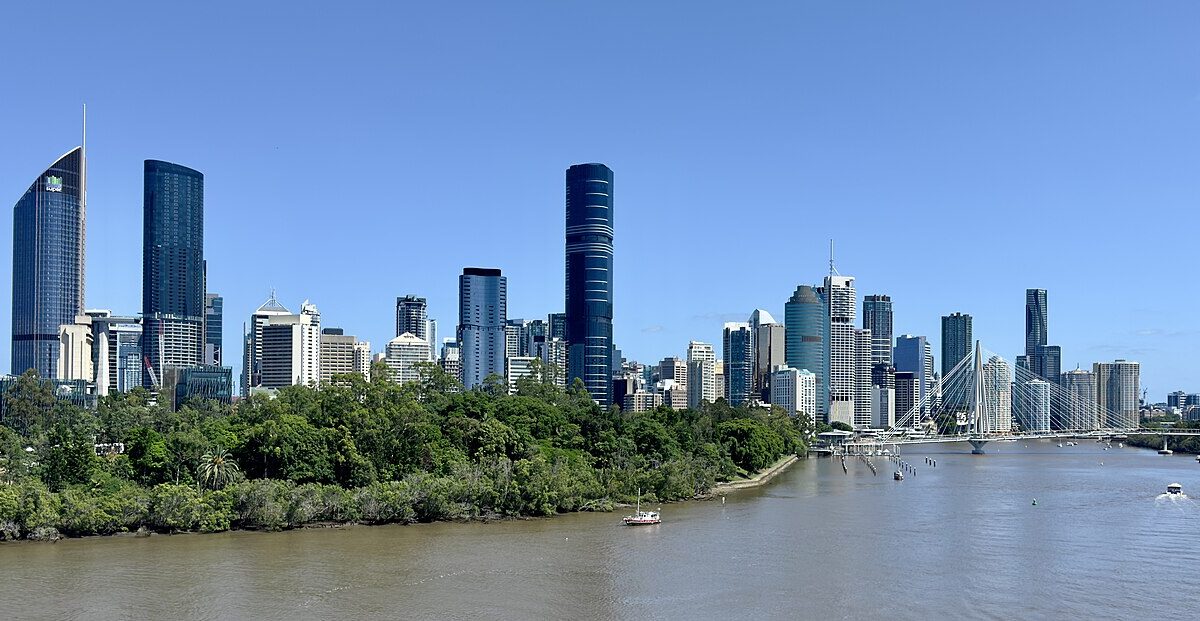
Welcome to Brisbane, Queensland’s vibrant capital, a city renowned for its stunning river, lush parklands, and a relaxed yet sophisticated atmosphere. This comprehensive Brisbane travel guide is meticulously crafted to assist international travelers in planning an unforgettable journey, covering everything from essential costs and accommodations to must-do activities and culinary delights. Prepare to discover the subtropical charm and dynamic culture of this Australian metropolis.
Why Visit Brisbane?
Brisbane offers a compelling blend of urban sophistication and laid-back Australian charm, making it an ideal destination for diverse travelers. Its enviable subtropical climate ensures warm, sunny weather for much of the year, perfect for outdoor exploration.
The city is beautifully bisected by the winding Brisbane River, providing a picturesque backdrop for its cultural precincts, dining hubs, and expansive parklands. From world-class museums and art galleries to adrenaline-pumping adventures like the Story Bridge climb, Brisbane presents a rich tapestry of experiences.
Furthermore, Brisbane serves as an excellent gateway to Queensland’s iconic natural attractions. The stunning beaches of the Gold Coast and Sunshine Coast are just a short drive away, while the pristine natural wonders of Moreton Island, with its wild dolphins and shipwrecks, are easily accessible for a memorable day trip. Its friendly locals, thriving food scene, and commitment to green spaces solidify Brisbane’s appeal as a premier global travel destination.
Average Travel Cost in Brisbane
Understanding the potential expenses is crucial for planning your Brisbane adventure. Prices can fluctuate based on the season, booking in advance, and personal travel style. The following table provides estimated daily costs for a single traveler in 2026, offering a clear comparison across budget, mid-range, and luxury travel categories.
| Category | Budget Traveler (AUD) | Mid-Range Traveler (AUD) | Luxury Traveler (AUD) |
|---|---|---|---|
| Hotel/Accommodation | $100 – $150 | $200 – $300 | $400 – $600+ |
| Food (Per Day) | $50 – $70 | $90 – $130 | $150 – $250+ |
| Transport (Per Day) | $10 – $15 | $15 – $25 | $25 – $40+ |
| Attractions/Activities (Per Day) | $0 – $20 | $30 – $70 | $80 – $150+ |
| Total Daily Estimate | $160 – $255 | $335 – $525 | $655 – $1040+ |
These figures represent averages and can vary. Budget travelers often opt for hostels, self-catering, and free activities. Mid-range visitors might choose boutique hotels, dine at a mix of casual and nicer restaurants, and enjoy a few paid attractions. Luxury travel in Brisbane involves premium hotels, fine dining experiences, private tours, and high-end shopping.
Where to Stay in Brisbane
Choosing the right neighborhood significantly enhances your Brisbane experience. The city offers diverse areas, each with its unique character and amenities. Here are three top recommendations catering to different preferences and budgets, ensuring you find the perfect base for your Brisbane itinerary.
- South Bank: Ideal for first-time visitors and families, South Bank is Brisbane’s cultural and recreational heart. It boasts the Queensland Cultural Centre, extensive parklands, a man-made beach, and a plethora of dining options. Accommodation ranges from mid-range serviced apartments to luxury hotels, offering convenience and riverside views. Expect prices from AUD $200-$450 per night.
- Brisbane CBD (Central Business District): The CBD is perfect for business travelers, shoppers, and those seeking excellent transport links. It’s home to major shopping precincts, corporate offices, and a wide array of hotels from budget-friendly options to opulent five-star establishments. You’ll be within walking distance of many attractions and the river. Prices typically range from AUD $150-$550 per night.
- Fortitude Valley: Known for its vibrant nightlife, live music venues, trendy boutiques, and diverse culinary scene, Fortitude Valley appeals to younger travelers and those looking for a lively atmosphere. It features a mix of boutique hotels, stylish apartments, and some budget-friendly hostels, making it a dynamic choice for an urban adventure. Accommodation usually falls between AUD $120-$350 per night.
Best Things to Do in Brisbane
Brisbane offers an abundance of activities, blending urban exploration with natural beauty. From iconic landmarks to unique wildlife encounters, these attractions are essential for any comprehensive Brisbane travel guide.
- South Bank Parklands: A must-visit, these sprawling parklands feature lush gardens, a man-made beach (Streets Beach), playgrounds, and numerous cafes and restaurants. It’s a perfect spot for relaxation, family fun, and enjoying stunning city views.
- Lone Pine Koala Sanctuary: As the world’s first and largest koala sanctuary, Lone Pine offers a unique opportunity to cuddle a koala (for a fee), hand-feed kangaroos, and observe other Australian wildlife in a natural setting. It’s an unforgettable experience for all ages.
- Story Bridge Adventure Climb: For breathtaking panoramic views of Brisbane, the river, and beyond, embark on an exhilarating climb over the iconic Story Bridge. This guided adventure provides a unique perspective of the city, especially stunning at dawn or dusk.
- Queensland Cultural Centre: Located in South Bank, this precinct houses the Queensland Art Gallery & Gallery of Modern Art (QAGOMA), Queensland Museum, and the State Library of Queensland. Immerse yourself in art, history, and culture with frequently changing exhibitions.
- Mount Coot-tha Summit Lookout & Botanic Gardens: Drive or bus up to the Mount Coot-tha Summit Lookout for the most spectacular views of Brisbane, stretching to Moreton Bay. Afterwards, explore the tranquil Brisbane Botanic Gardens, a vast expanse of themed gardens.
- City Botanic Gardens: Brisbane’s oldest park, these gardens offer a serene escape in the heart of the CBD. Wander through diverse plant collections, enjoy a picnic, or simply relax by the river. Free guided walks are often available.
- Brisbane River Cruises: Experience Brisbane from a different perspective with a leisurely cruise along the serpentine river. Options range from the free CityHopper ferry to paid sightseeing tours, offering insights into the city’s history and landmarks.
- Howard Smith Wharves: Nestled beneath the Story Bridge, this vibrant riverside precinct features an array of acclaimed restaurants, bars, and the popular Felons Brewing Co. It’s an ideal spot for dining, drinks, and enjoying the lively atmosphere.
- Kangaroo Point Cliffs: These dramatic cliffs offer fantastic city views, particularly at sunset. They are also a popular spot for rock climbing, abseiling, and kayaking, providing an adventurous way to experience Brisbane’s natural landscape.
Where to Eat in Brisbane
Brisbane’s culinary scene is dynamic and diverse, reflecting its multicultural population and access to fresh produce. From casual riverside eateries to award-winning fine dining, there’s something to satisfy every palate. Here are some of the best restaurants in Brisbane to consider for your visit.
- Howard Smith Wharves: This precinct is a foodie paradise. You’ll find a range of options from the casual craft beers and pizzas at Felons Brewing Co. to upscale Japanese at Yoko Dining, or modern Australian cuisine at Greca. It’s perfect for a lively meal with stunning river views.
- Agnes (Fortitude Valley): For a truly memorable dining experience, Agnes offers a unique wood-fired menu in a stunning industrial-chic setting. Known for its innovative dishes and incredible flavors, booking well in advance is highly recommended for this acclaimed restaurant.
- Gauge (South Brisbane): Located near the Cultural Centre, Gauge is celebrated for its creative, modern Australian menu focusing on seasonal and often unusual ingredients. It’s a great choice for a sophisticated breakfast, lunch, or dinner, known for its innovative approach.
- Eat Street Northshore: For a vibrant, casual dining experience, head to Eat Street Northshore. This outdoor market features dozens of shipping containers transformed into food stalls, offering global street food, live music, and a festive atmosphere. It’s a fantastic option for families and groups.
- West End: Explore Boundary Street and its surrounds in West End for a bohemian dining experience. Here you’ll discover a plethora of independent cafes, international eateries, and vegetarian/vegan options, reflecting the area’s diverse community. Look for authentic Vietnamese, Greek, and Middle Eastern cuisine.
3-Day Brisbane Itinerary
This comprehensive 3-day Brisbane itinerary is designed to showcase the best of the city, balancing iconic attractions with local experiences. It’s suitable for first-time visitors looking to immerse themselves in Brisbane’s unique charm.
Day 1: Cultural Immersion & Riverside Charm
Begin your Brisbane exploration at the vibrant South Bank Parklands. Spend your morning wandering through the lush gardens, relaxing at Streets Beach, and enjoying the vibrant atmosphere. In the afternoon, immerse yourself in art and history at the Queensland Cultural Centre, visiting the Queensland Art Gallery & Gallery of Modern Art (QAGOMA) and the Queensland Museum. Afterwards, take a leisurely Brisbane River Cruise or hop on the free CityHopper ferry to enjoy scenic views of the city skyline and landmarks from the water. Conclude your day with dinner at one of the many excellent restaurants within South Bank or cross over to Howard Smith Wharves for a lively evening meal and drinks under the Story Bridge.
Day 2: Wildlife Encounters & Panoramic Views
Dedicate your morning to an unforgettable visit to the Lone Pine Koala Sanctuary. Get up close with koalas, hand-feed kangaroos, and discover other unique Australian wildlife. Plan for at least three to four hours here. In the afternoon, head to Mount Coot-tha. First, visit the Brisbane Botanic Gardens at its base, exploring the various themed gardens. Then, drive or take a bus up to the Mount Coot-tha Summit Lookout for stunning panoramic views of Brisbane, stretching all the way to Moreton Bay. For an evening adventure, consider the Story Bridge Adventure Climb for incredible sunset or night views, followed by dinner at a restaurant in Fortitude Valley, known for its diverse and trendy culinary scene.
Day 3: City Exploration & Local Flavors
Start your final day exploring the heart of the city. Wander through the Brisbane CBD, admiring its modern architecture and historic buildings. Enjoy some shopping along Queen Street Mall, Brisbane’s premier pedestrian shopping precinct. Afterwards, find tranquility at the City Botanic Gardens, Brisbane’s oldest park, perfect for a leisurely stroll. For lunch, explore the eclectic eateries of West End, known for its bohemian vibe and international cuisine. In the late afternoon, head to Kangaroo Point Cliffs. Enjoy the impressive city skyline views, perhaps try some rock climbing or abseiling if you’re adventurous, or simply relax. Conclude your Brisbane journey with a memorable dinner at Eat Street Northshore, an outdoor market offering a global array of street food, live music, and a festive atmosphere, providing a perfect taste of Brisbane’s vibrant food culture.
Transportation Guide
Navigating Brisbane is straightforward, thanks to its efficient and integrated public transport system, TransLink. Understanding your options will help you move around the city with ease.
- Go Card: The TransLink Go Card is the most cost-effective way to travel on buses, trains, and CityCats. Purchase a reusable card at convenience stores, train stations, or online, and top it up as needed. It offers cheaper fares than single paper tickets.
- Buses: Brisbane’s bus network is extensive, connecting the CBD with suburban areas and major attractions. Services are frequent, especially during peak hours.
- Trains: The suburban train network is efficient for reaching areas further afield or connecting to Brisbane Airport. Central Station and Roma Street Station are major hubs.
- CityCat Ferries: These popular catamarans offer a scenic way to travel along the Brisbane River, connecting key precincts like South Bank, Northshore Hamilton, and the CBD. It’s a fantastic way to see the city from the water.
- CityHopper: For budget-conscious travelers, the red CityHopper ferry offers free services between key riverside stops, including South Bank, Kangaroo Point, and the CBD. It’s perfect for short hops and sightseeing.
- Walking & Cycling: Brisbane is a very walkable city, especially within the CBD and South Bank. Extensive pedestrian bridges and riverside promenades make walking enjoyable. Cycling is also popular, with numerous dedicated paths and bike-sharing schemes available.
- Ride-sharing & Taxis: Services like Uber and local taxi companies are readily available throughout the city, offering convenient door-to-door transport, especially for late-night travel or when carrying luggage.
Money-Saving Tips
Traveling to Brisbane doesn’t have to break the bank. With smart planning, you can experience the best of the city while adhering to a Brisbane budget travel plan. Here are some practical tips:
- Utilize the Go Card: As mentioned, the Go Card provides significantly cheaper fares on public transport compared to single paper tickets. It’s a crucial investment for saving on transportation costs.
- Embrace Free Activities: Brisbane offers numerous free attractions. Spend time at South Bank Parklands, explore the City Botanic Gardens or Brisbane Botanic Gardens Mount Coot-tha, walk across the Story Bridge, or visit the Queensland Art Gallery & Gallery of Modern Art (QAGOMA) which often has free exhibitions.
- Take the CityHopper: This free ferry service is an excellent way to travel between riverside precincts and enjoy scenic views without spending a dollar.
- Cook Your Own Meals: If your accommodation has kitchen facilities (hostels, serviced apartments), buying groceries from supermarkets and cooking some of your meals can significantly reduce food expenses.
- Look for Lunch Specials: Many Brisbane restaurants offer more affordable lunch menus compared to dinner. It’s a great way to try popular eateries at a lower cost.
- BYO Restaurants: Some restaurants in Brisbane are ‘Bring Your Own’ (BYO) alcohol, meaning you can bring your own wine or beer, saving on drink mark-ups. Always check in advance.
- Walk or Cycle: Brisbane’s city center and South Bank are highly walkable. For longer distances, consider renting a bike to explore the city’s extensive network of cycle paths.
Frequently Asked Questions
What is the best time to visit Brisbane?
The best time to visit Brisbane is during autumn (March to May) and spring (September to November). During these months, the weather is pleasantly warm and sunny, with lower humidity and fewer rainy days, making it ideal for outdoor activities and sightseeing. Winters (June to August) are mild and dry, while summers (December to February) can be hot and humid with occasional thunderstorms.
Is Brisbane safe for tourists?
Brisbane is generally a very safe city for tourists. Like any major city, it’s advisable to take standard precautions such as being aware of your surroundings, especially at night, and safeguarding your valuables. Public transport is safe and reliable, and emergency services are efficient. The city center and popular tourist areas are well-lit and regularly patrolled.
How many days do I need in Brisbane?
To experience the main highlights and get a good feel for the city, a 3 to 4-day Brisbane itinerary is generally recommended. This allows enough time to explore key attractions, enjoy the cultural scene, and relax by the river. If you plan to include day trips to nearby regions like Moreton Island or the Gold Coast, extending your stay to 5-7 days would be beneficial.
What are the best day trips from Brisbane?
Brisbane serves as an excellent base for exploring Queensland’s natural beauty. Popular day trips include a ferry to Moreton Island for snorkeling, sandboarding, and dolphin feeding; a drive to the Gold Coast for its famous beaches and theme parks; or a visit to the Sunshine Coast for its relaxed coastal towns and the Glass House Mountains. The scenic hinterland, including the Lamington National Park, also offers stunning rainforest walks.
Do I need a car in Brisbane?
For exploring the central areas of Brisbane, including the CBD, South Bank, and Fortitude Valley, a car is generally not necessary. The city boasts an excellent public transport network (TransLink) including buses, trains, and CityCat ferries, which are efficient and convenient. A car becomes more useful if you plan extensive day trips outside the city to places not easily accessible by public transport.

Kai has visited 60+ countries across 6 continents, with a obsession for one thing most travelers ignore: the real cost of getting there. Former budget backpacker turned data-driven travel writer, Kai breaks down destination costs so you can plan smarter — not just dream bigger. Based everywhere, from nowhere in particular.