Bologna: The Red City’s Culinary Heart
Why Visit Bologna?
Bologna, Italy, offers a compelling blend of authentic Italian culture, exceptional cuisine, and manageable costs, making it an ideal destination for discerning travelers. This Bologna travel guide details affordable accommodation options, a sample 3-day itinerary, and practical advice for navigating the city’s culinary heart. Discover a city rich in history, vibrant in atmosphere, and surprisingly budget-friendly compared to its more famous counterparts.
The capital of the Emilia-Romagna region, Bologna is celebrated for its extensive porticoes, historic university, and unparalleled gastronomic reputation. Unlike more touristed Italian cities, Bologna retains a genuine local character, offering visitors a chance to experience everyday Italian life. Its compact historic center is easily navigable on foot, revealing hidden piazzas, medieval towers, and a lively student population that infuses the city with energy. For those seeking an immersive cultural experience without the overwhelming crowds, Bologna presents a highly attractive proposition.
This guide focuses on providing actionable information for planning a trip to Bologna in 2026, covering essential aspects such as budgeting, accommodation choices, and itinerary planning. It aims to equip travelers with the knowledge to make informed decisions, whether they are considering a short city break or an extended exploration of the Emilia-Romagna region. Understanding the local nuances, from dining etiquette to transportation, is key to unlocking Bologna’s full potential.
Who This Guide Is For
This guide is designed for first-time visitors planning a 3-5 day trip to Bologna, particularly those interested in experiencing authentic Italian food and culture. It is also beneficial for budget-conscious travelers seeking to maximize their experience within a defined financial framework, and for individuals looking for a less crowded, more local Italian city break.
Average Travel Cost in Bologna
The following figures provide an estimated daily expenditure for various travel styles in Bologna, based on current exchange rates and verified cost data. It is important to note that these are averages, and actual costs may fluctuate based on personal spending habits and specific choices. For a more personalized estimate, consult our travel cost calculator.
| Category | Budget | Mid-Range | Luxury |
|---|---|---|---|
| Accommodation | $50 | $120 | $300 |
| Food | $30 | $60 | $150 |
| Transport | $10 | $25 | $80 |
| Attractions | $20 | $50 | $100 |
| Misc | $15 | $30 | $70 |
| Daily Total | $125 | $285 | $700 |
Estimated Total Costs:
* 3-Day Trip:
* Budget: $375
* Mid-Range: $855
* Luxury: $2100
* 7-Day Trip:
* Budget: $875
* Mid-Range: $1995
* Luxury: $4900
When comparing accommodation options, choosing an Airbnb-style rental over a hotel can offer significant savings, particularly for longer stays or for groups. Budget travelers can typically find Airbnb rooms or small apartments for $50-$80 per night, whereas similar budget hotel rooms are often priced at $60-$100. Mid-range hotels might range from $120-$200, while comparable Airbnb apartments could be found for $90-$150, providing a saving of 10-25% on average.
Seasonal price variations are a key consideration for budget planning. The peak tourist seasons, typically April to June and September to October, will see higher prices for flights and accommodation. Traveling during the shoulder seasons (late March, early July, late August, November) can offer a reduction of 10-20% on average costs. The off-season (December to February, excluding holidays) presents the lowest prices, with potential savings of up to 30-40%, though weather conditions are less favorable. Remember that a 10-15% tip is customary for good service, often included as ‘coperto’ in restaurants. The current exchange rate is approximately 1 USD = 0.92 EUR.
Where to Stay in Bologna
Bologna offers a range of neighborhoods to suit different traveler preferences and budgets. The historic center provides unparalleled access to attractions, while areas slightly outside offer a more local feel and potentially better value.
* Historic Center (Centro Storico):
* Known for: Its dense concentration of porticoes, medieval architecture, vibrant piazzas, and proximity to major sights like Piazza Maggiore and the Two Towers.
* Price Range (per night): Budget $60-$100 (hostels, budget guesthouses), Mid-Range $120-$200 (boutique hotels, well-located B&Bs).
* Best for: First-time visitors, travelers prioritizing convenience and immersion in the city’s core.
* Insider Tip: Book accommodation at least 3-6 months in advance, especially for stays during peak season, as options are limited and highly sought after.
* Prati di Capoarena/Porto:
* Known for: A more residential and local atmosphere, with a good selection of trattorias and bars frequented by Bolognese residents. It offers a slightly more affordable lodging option while still being within walking distance or a short bus ride to the center.
* Price Range (per night): Budget $50-$80 (budget hotels, private rooms in shared apartments), Mid-Range $90-$150 (mid-tier hotels, well-appointed apartments).
* Best for: Travelers seeking a more authentic neighborhood experience, longer stays, and those looking for slightly better value.
* Insider Tip: Utilize the extensive bus network; purchasing a multi-day transit pass can be more economical than single tickets for frequent use.
* San Vitale:
* Known for: Home to parts of the University of Bologna, this area has a youthful and energetic vibe. It’s characterized by a mix of student housing, independent shops, and diverse eateries, offering a lively yet less tourist-centric environment.
* Price Range (per night): Budget $50-$90 (student-friendly guesthouses, shared apartments), Mid-Range $100-$160 (modern B&Bs, serviced apartments).
* Best for: Younger travelers, those interested in experiencing the university atmosphere, and visitors looking for affordable dining options.
* Insider Tip: Explore the side streets off Via Zamboni for hidden gems – small bars and cafes offering authentic local experiences and lower prices.
Best Things to Do in Bologna
Piazza Maggiore
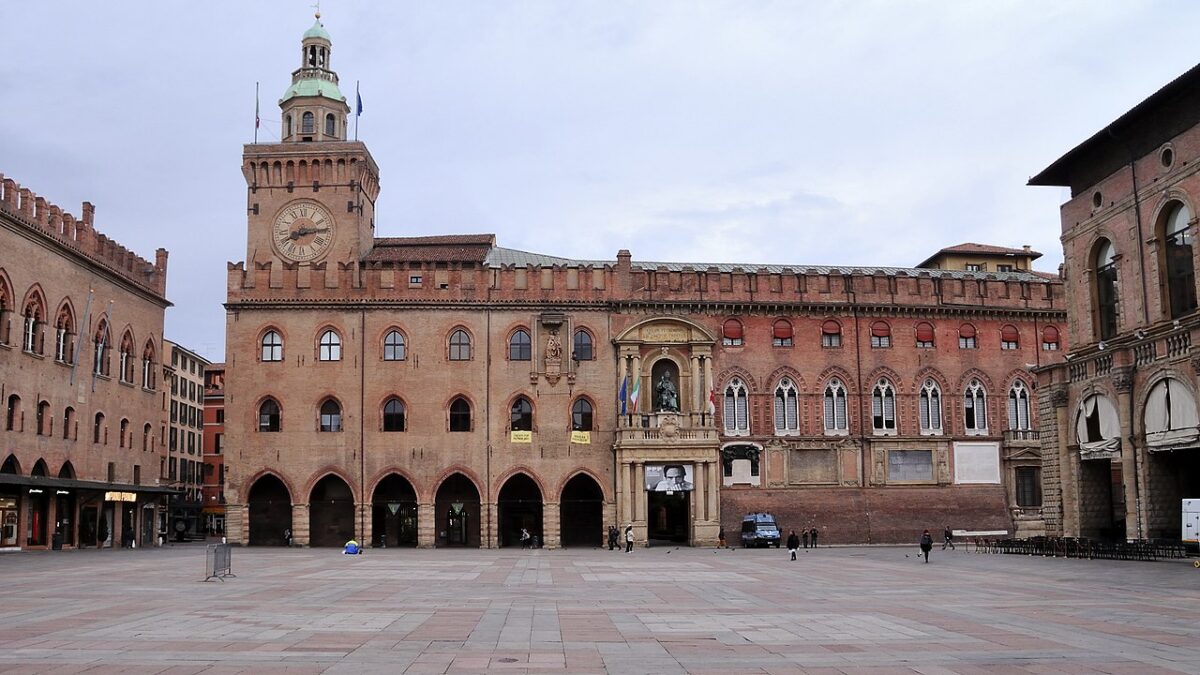
This is Bologna’s principal public square, serving as the city’s heart and a hub of civic and religious life for centuries. It is surrounded by significant historical buildings, including the Basilica di San Petronio and the Palazzo d’Accursio.
* Average ticket price: Free to enter the piazza; Basilica entry is free, with charges for certain chapels or the panoramic terrace.
* Best time to visit: Morning (9:00 AM – 11:00 AM) or late afternoon (4:00 PM – 6:00 PM) to avoid peak crowds and enjoy pleasant light for photography.
* Insider Tip: Visit the Basilica di San Petronio early in the day and consider climbing to the top of the dome for panoramic views of the city; booking tickets online in advance can save time.
The Two Towers (Le Due Torri: Asinelli and Garisenda)
These iconic medieval leaning towers are a defining symbol of Bologna. The Asinelli Tower, the taller of the two, offers a challenging climb rewarded with exceptional views of the cityscape and surrounding Emilia-Romagna region.
* Average ticket price: Approximately €5 for the Asinelli Tower climb.
* Best time to visit: Weekdays, early morning (before 10:00 AM) or late afternoon (after 4:00 PM) to minimize waiting times for the ascent.
* Insider Tip: Purchase tickets online in advance, as entry is timed and capacity is limited; wear comfortable shoes as the stairs are steep and numerous.
Archiginnasio of Bologna and Anatomical Theatre
The Archiginnasio was the primary seat of the University of Bologna and is renowned for its stunning frescoes and intricately decorated rooms, including the remarkable Anatomical Theatre, the oldest surviving permanent anatomical theatre in the world.
* Average ticket price: Approximately €3 for entry.
* Best time to visit: Weekdays between 9:00 AM and 1:00 PM; the Anatomical Theatre is a highlight and can be crowded.
* Insider Tip: Take your time to appreciate the detailed carvings and heraldic symbols within the Senate Hall and Stabs Hall; guided tours can offer deeper insights.
Mercato di Mezzo
This historic covered market is a vibrant culinary destination, offering a sensory experience of local produce, artisanal foods, and ready-to-eat delicacies. It’s a perfect place to sample regional specialties and soak in the lively atmosphere.
* Average ticket price: Free to enter; costs vary based on purchases.
* Best time to visit: Lunchtime (12:00 PM – 2:00 PM) for the busiest, most atmospheric experience, or mid-morning for a more relaxed exploration.
* Insider Tip: Sample a “crescentina” (fried dough) or “salume” (cured meat) platter from one of the stalls for an authentic and affordable taste of Bologna.
Basilica di Santo Stefano
Also known as the Seven Churches, this complex is a unique and spiritually rich site, comprising a series of interconnected chapels and courtyards built between the 5th and 13th centuries. It offers a fascinating glimpse into early Christian architecture.
* Average ticket price: Free to enter; donations are appreciated.
* Best time to visit: Mid-morning (10:00 AM – 12:00 PM) or mid-afternoon (3:00 PM – 5:00 PM) when the different sections are typically open and less crowded.
* Insider Tip: Pay close attention to the architectural styles of each church within the complex, as they represent different historical periods and influences.
Porticoes of Bologna
The UNESCO World Heritage-listed porticoes are an integral part of Bologna’s urban fabric, stretching for over 40 kilometers throughout the city. These covered walkways offer shelter from sun and rain and are a defining characteristic of Bolognese architecture.
* Average ticket price: Free to explore.
* Best time to visit: Any time of day; dawn or dusk offers particularly beautiful light for photography under the porticoes.
* Insider Tip: Dedicate time to wander through different districts to appreciate the variety of portico styles, from simple wooden structures to grand stone arches. Consider exploring the Portico di San Luca, the longest in the world, for a memorable walk.
Where to Eat in Bologna
Bologna is renowned as Italy’s gastronomic capital, and its culinary scene is a major draw for visitors. From traditional trattorias to bustling markets, there are countless opportunities to indulge in authentic Emilia-Romagna cuisine.
* Traditional Trattoria Experience:
* Cuisine: Emilian (classic Bolognese dishes).
* Price Range: €20-€40 per person for a multi-course meal.
* What to Order: Tagliatelle al ragù (the authentic Bolognese sauce), Tortellini in brodo (tortellini in broth), Lasagne alla bolognese.
* Location Tip: Venture slightly away from the immediate vicinity of Piazza Maggiore to find more authentic and less tourist-oriented establishments. Look for places filled with locals.
* Street Food and Market Delights:
* Cuisine: Regional specialties, quick bites.
* Price Range: €5-€15 per item.
* What to Order: Piadina (flatbread sandwich), Mortadella panino, Crescentine fritte (fried dough), Tigelle (small round bread).
* Location Tip: Explore the Mercato di Mezzo or Mercato delle Erbe for a wide array of vendors offering delicious and affordable street food options.
* Osteria (Casual Dining):
* Cuisine: Rustic, home-style Emilian cooking.
* Price Range: €15-€30 per person for a meal.
* What to Order: Cappelletti al ragù (similar to tortellini but often with a different filling), Gnocco fritto (fried dough served with cured meats), Polenta dishes.
* Location Tip: Many excellent osterias are found in the university district or the residential areas surrounding the historic center, offering a more relaxed and local dining atmosphere.
* High-End Dining:
* Cuisine: Innovative Italian, modern interpretations of Emilian classics.
* Price Range: €50+ per person for a multi-course meal.
* What to Order: Tasting menus that showcase the chef’s creativity, often featuring local seasonal ingredients.
* Location Tip: Look for restaurants in the more refined areas of the city center or those with Michelin recognition; reservations are highly recommended.
3-Day Bologna Itinerary
This itinerary balances iconic sights with culinary exploration, offering a comprehensive experience of Bologna.
Day 2
* Morning (9:00 AM – 12:00 PM): Begin your day by exploring the historic heart of Bologna. Visit Piazza Maggiore, marvel at the Basilica di San Petronio, and ascend the Asinelli Tower for breathtaking panoramic views.
* Afternoon (12:00 PM – 3:00 PM): Immerse yourself in the vibrant atmosphere of the Mercato di Mezzo. Enjoy a casual lunch sampling local street food, such as mortadella sandwiches or crescentine.
* Evening (6:00 PM – 9:00 PM): Experience a traditional Emilian dinner at a local trattoria in the San Vitale district. Indulge in classic dishes like tagliatelle al ragù or tortellini in brodo.
* Estimated Daily Cost: $150 (Mid-range focus)
Day 1
* Morning (9:00 AM – 12:00 PM): Start your exploration at the Archiginnasio of Bologna, including its impressive Anatomical Theatre. Afterward, wander through the Quadrilatero, Bologna’s historic market district, browsing artisanal food shops.
* Afternoon (1:00 PM – 4:00 PM): Visit the Basilica di Santo Stefano, a unique complex of churches offering a glimpse into early Christian architecture. Enjoy a leisurely walk under the city’s famous porticoes.
* Evening (7:00 PM – 10:00 PM): Enjoy aperitivo in a lively piazza, followed by dinner at an osteria in the Prati di Capoarena area, known for its authentic local dining scene.
* Estimated Daily Cost: $140 (Mid-range focus)
Day 3
* Morning (9:30 AM – 12:30 PM): Explore the University district and stroll along Via Zamboni. Consider visiting a local museum, such as the Museo Civico Medievale, for further historical context.
* Afternoon (1:00 PM – 4:00 PM): Take a cooking class focusing on pasta making, or enjoy a guided food tour to delve deeper into Bologna’s culinary heritage. Alternatively, visit the Pinacoteca Nazionale di Bologna for its impressive art collection.
* Evening (6:30 PM – 9:30 PM): Conclude your trip with a farewell dinner at a restaurant offering a modern interpretation of Emilian cuisine, or revisit a favorite spot from earlier in the trip.
* Estimated Daily Cost: $160 (Mid-range focus, accounting for potential class/tour costs)
Transportation Guide
Bologna Guglielmo Marconi Airport (BLQ) is the primary gateway to the city. The most efficient way to reach the city center is via the Marconi Express, a driverless monorail service that connects the airport to the Bologna Centrale train station in approximately 7 minutes. The cost is €10 for a single ticket. Alternatively, airport shuttle buses offer a slightly more economical option, with fares around €6-€8, but with longer travel times.
Within Bologna, the historic center is highly walkable, and its extensive porticoes make it a pleasant experience regardless of weather. For longer distances or when time is limited, the local bus network, operated by TPER, is extensive and reliable. Single tickets cost €1.50 and are valid for 75 minutes, while daily passes are available for €5. Purchasing tickets from tobacco shops (tabaccherie) or newsstands is advisable, as they can be slightly cheaper than buying directly from the driver.
Rideshare services like Uber are available in Bologna, but their availability can be inconsistent, and prices may be higher than local taxis, especially during peak hours. Taxis are readily available at designated stands or can be hailed, with a base fare of approximately €4-€6 and an additional charge per kilometer. For day trips outside the city, trains are an excellent and efficient option, connecting Bologna to major cities like Florence, Venice, and Milan within a few hours. Compare train travel with other European cities such as Porto for broader context.
Money-Saving Tips
Pro Tip 1: Purchase a Bologna Welcome Card, which offers free public transport, free entry to some museums, and discounts on attractions and tours. For a 3-day visit, the card typically costs around €30 and can save upwards of $40 compared to individual ticket purchases.
Pro Tip 2: Take advantage of the “aperitivo” culture. Many bars offer a buffet of snacks and appetizers with the purchase of a drink in the early evening (typically 6:00 PM – 8:00 PM), which can serve as a light dinner, saving on the cost of a separate meal.
Pro Tip 3: Opt for picnics for lunch. Purchase fresh produce, cheeses, and cured meats from local markets like Mercato di Mezzo or Mercato delle Erbe, and enjoy a meal in one of Bologna’s many charming piazzas or parks for a fraction of restaurant costs.
Common Travel Mistakes
Mistake 1: Assuming all restaurants in major tourist areas offer authentic local cuisine at reasonable prices. Many establishments near Piazza Maggiore cater heavily to tourists, potentially leading to inflated prices and less genuine culinary experiences. Seek out restaurants in residential neighborhoods or those recommended by locals for better value and authenticity.
Mistake 2: Overlooking the convenience and charm of Bologna’s public transport system and extensive pedestrian zones. Relying solely on taxis or trying to drive into the historic center can be costly, time-consuming due to traffic and parking restrictions, and less environmentally friendly. Embrace walking and utilize the efficient bus network.
Frequently Asked Questions
How much money do you need for 3 days in Bologna?
For a 3-day trip to Bologna, budget travelers can expect to spend approximately $375, covering accommodation, food, local transport, and basic attractions. Mid-range travelers should budget around $855, allowing for more comfortable accommodation and dining experiences. Luxury travelers might allocate $2100 or more for premium services and experiences.
Is Bologna expensive for tourists?
Bologna is generally considered more affordable than major Italian tourist hubs like Rome, Florence, or Venice. While costs can add up, especially in peak season, it offers good value for money. Budget travelers can comfortably manage on $125 per day, with mid-range options averaging $285 per day, making it accessible for a wider range of budgets compared to cities like Venice or even Seoul.
What is the best area to stay in Bologna?
The best area to stay in Bologna depends on your priorities. For first-time visitors and those prioritizing convenience, the historic center (Centro Storico) is ideal due to its proximity to attractions. For a more local experience and potentially better value, consider neighborhoods like Prati di Capoarena or San Vitale, which are well-connected by public transport.
Can you visit Bologna without a car?
Yes, Bologna is very accessible and enjoyable without a car. The historic center is largely pedestrianized and best explored on foot. Public transportation, including buses and trams, is efficient for reaching areas outside the immediate center. For day trips, the extensive train network provides convenient connections to other Italian cities, making car rental unnecessary for most visitors.
What is the cheapest month to visit Bologna?
The cheapest months to visit Bologna are typically during the off-season, from November to February (excluding the Christmas and New Year period). During these months, you can find lower prices on flights and accommodation, often seeing savings of up to 30-40% compared to peak travel times in April-June and September-October.

Kai has visited 60+ countries across 6 continents, with a obsession for one thing most travelers ignore: the real cost of getting there. Former budget backpacker turned data-driven travel writer, Kai breaks down destination costs so you can plan smarter — not just dream bigger. Based everywhere, from nowhere in particular.