The Definitive Guide to the Best Time to Visit Washington DC in 2026
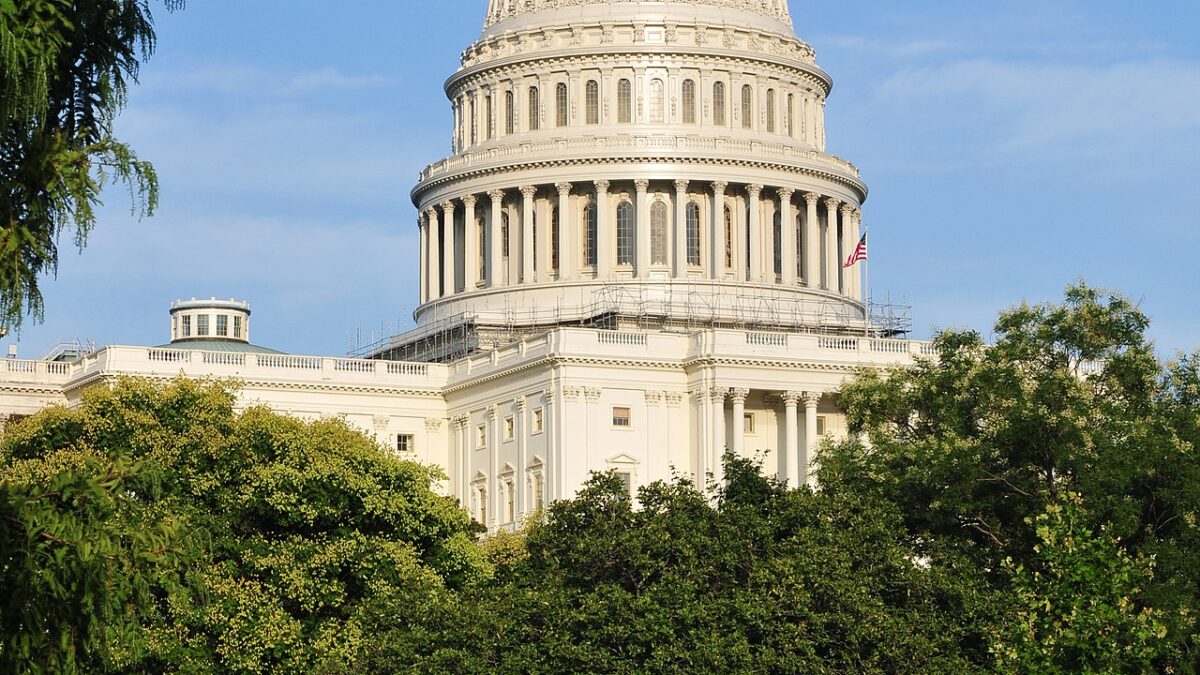
Best Time to Visit Washington DC
The optimal times to visit Washington DC in 2026 are spring (April-May) and fall (September-October). These periods offer pleasant weather, vibrant surroundings, and manageable crowds, making them ideal for exploring the nation’s capital.
Month-by-Month Weather Guide
| Month | Avg Temp (°F) | Rainfall (inches) | Crowd Level | Hotel Price Level |
|---|---|---|---|---|
| January | 37 | 3.3 | Low | $ |
| February | 40 | 3.1 | Low | $ |
| March | 49 | 3.6 | Moderate | $$ |
| April | 59 | 3.7 | High | $$$ |
| May | 69 | 3.8 | High | $$$ |
| June | 78 | 3.7 | Peak | $$$$ |
| July | 82 | 3.9 | Peak | $$$$ |
| August | 80 | 3.5 | Peak | $$$$ |
| September | 73 | 3.7 | High | $$$ |
| October | 61 | 3.1 | Moderate | $$ |
| November | 50 | 3.2 | Moderate | $$ |
| December | 40 | 3.3 | Moderate | $$ |
Peak Season
The peak tourist season in Washington DC generally spans from June through August. During these months, the weather is warmest, with average temperatures ranging from the high 70s to the low 80s Fahrenheit. This period coincides with school holidays, leading to the highest crowd levels at major attractions like the National Mall, Smithsonian museums, and the National Archives. Expect significant increases in hotel and flight prices, with average nightly rates potentially reaching $400-$500+ and flights averaging $500-$700 roundtrip. While the weather is conducive to outdoor exploration, the sheer volume of visitors can lead to longer queues and a less intimate experience.
Pros of Peak Season:
- Warmest weather, ideal for outdoor activities.
- All attractions are fully operational and accessible.
- Lively atmosphere with numerous events and festivals.
Cons of Peak Season:
- Highest prices for accommodation and transportation.
- Significant crowds at popular sites, requiring patience and advance booking.
- Potential for humidity and afternoon thunderstorms.
Shoulder Season (Best Value)
The shoulder seasons, encompassing April to May and September to October, offer the best balance of pleasant weather and value for visitors to Washington DC. Spring brings blooming cherry blossoms and mild temperatures in the 50s and 60s Fahrenheit, while autumn features crisp air and beautiful fall foliage. Crowd levels are high in April and May due to the cherry blossoms and spring break, but tend to be more moderate in September and October. Hotel prices are typically in the $$ to $$$ range ($200-$350 per night), and flights can be found for $350-$500 roundtrip. These periods provide excellent conditions for sightseeing and enjoying the city’s outdoor spaces without the extreme crowds of summer.
Pros of Shoulder Season:
- Pleasant temperatures for walking and exploring.
- Beautiful natural scenery (cherry blossoms in spring, fall colors in autumn).
- More manageable crowds than peak summer.
- Better value for accommodation and flights compared to peak season.
Cons of Shoulder Season:
- April and May can still experience significant crowds.
- Weather can be unpredictable, with occasional rain.
Off-Season / Budget Season
The off-season in Washington DC occurs from November through March. This period offers the lowest prices for flights and accommodation, with average hotel rates often below $200 per night and flights ranging from $250-$400 roundtrip. The trade-off is the colder weather; average temperatures range from the high 30s to the low 50s Fahrenheit, with a higher chance of snow in January and February. Crowd levels are at their lowest, allowing for a more relaxed and intimate experience at museums and monuments. While outdoor activities may be limited by the weather, indoor attractions remain fully accessible and offer a quiet respite from the cold. This season is ideal for budget-conscious travelers and those who prefer fewer crowds.
Pros of Off-Season:
- Lowest prices for travel and accommodation.
- Minimal crowds at attractions.
- Opportunity for a more relaxed and in-depth exploration of indoor sites.
Cons of Off-Season:
- Cold weather, potentially with snow and ice.
- Shorter daylight hours.
- Fewer outdoor events and activities.
Best Time for Specific Activities
When planning your visit to Washington DC, consider the following recommendations for specific activities:
Sightseeing and Monument Exploration:
For the best experience with comfortable weather and moderate crowds, aim for April, May, September, and October. These months offer pleasant temperatures for walking the National Mall and exploring the iconic monuments and memorials.
Outdoor Activities (Parks, Gardens, Biking):
April and May are superb for enjoying the city’s green spaces, especially with the iconic cherry blossoms in bloom. September and October also provide excellent conditions for outdoor pursuits with crisp autumn air.
Food Festivals and Culinary Events:
While DC hosts culinary events year-round, major food festivals often take place in the warmer months. Look for events in May, June, and September for a vibrant gastronomic experience.
Cultural Events and Museum Hopping:
The off-season (November through March) offers a fantastic opportunity for museum enthusiasts to explore the vast collections of the Smithsonian Institution and other cultural institutions with minimal wait times. Many holiday events also occur in December, making it a festive time for indoor cultural immersion.
For a comprehensive overview of attractions and planning tips, consult our Washington DC travel guide.
Seasonal Price Comparison
| Season | Avg Hotel/Night (USD) | Avg Flight (Roundtrip USD) | Overall Cost Level |
|---|---|---|---|
| Peak Season (June-August) | $350 – $500+ | $500 – $700 | $$$$ |
| Shoulder Season (April-May, September-October) | $200 – $350 | $350 – $500 | $$$ |
| Off-Season (November-March) | $150 – $250 | $250 – $400 | $$ |

Kai has visited 60+ countries across 6 continents, with a obsession for one thing most travelers ignore: the real cost of getting there. Former budget backpacker turned data-driven travel writer, Kai breaks down destination costs so you can plan smarter — not just dream bigger. Based everywhere, from nowhere in particular.