The Definitive Guide to the Best Time to Visit Victoria Falls in 2026
Best Time to Visit Victoria Falls
The optimal period to experience the awe-inspiring Victoria Falls in 2026 is during the dry season, specifically from May to October. This timeframe offers the most favorable weather conditions and the most impressive water flow, ensuring an unforgettable visit to one of the world’s natural wonders.
Month-by-Month Weather Guide
| Month | Avg Temp (°C) | Rainfall (mm) | Crowd Level | Hotel Price Level |
|---|---|---|---|---|
| January | 28 | 150 | Moderate | Mid-Range |
| February | 28 | 130 | Moderate | Mid-Range |
| March | 27 | 120 | Moderate | Mid-Range |
| April | 26 | 50 | Moderate to High | Mid-Range to High |
| May | 25 | 10 | High | High |
| June | 23 | 0 | High | High |
| July | 22 | 0 | Peak | Peak |
| August | 25 | 0 | Peak | Peak |
| September | 28 | 0 | Peak | Peak |
| October | 30 | 10 | High | High |
| November | 30 | 60 | Moderate | Mid-Range to High |
| December | 29 | 120 | Moderate | Mid-Range |
Peak Season
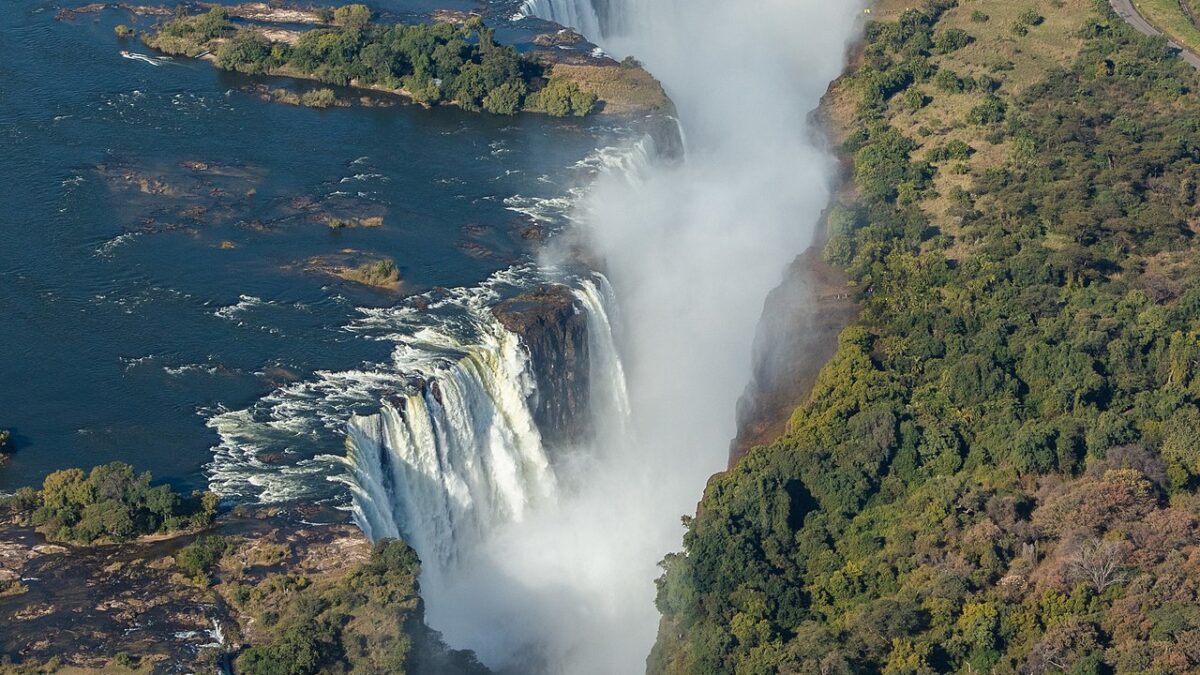
The peak season for visiting Victoria Falls runs from July to October. During these months, the Zambezi River experiences its lowest flow, revealing the full grandeur of the Mosi-oa-Tunya (“The Smoke That Thunders”) and offering unobstructed views of the falls. The weather is predominantly dry and sunny, with pleasant temperatures.
What to Expect: Expect the most spectacular views of the falls themselves, with the least amount of spray obscuring the spectacle. This is also the prime time for adventure activities that rely on lower water levels, such as white-water rafting on the Zambezi (though this can also be excellent in the shoulder season). The surrounding landscape is dry, making wildlife viewing in nearby national parks more accessible.
Price Increases: Hotel prices and flight costs surge significantly during the peak season due to high demand. Expect to pay premium rates for accommodation and travel. Booking well in advance is essential to secure availability and potentially mitigate some of the cost.
Pros:
- Unrivaled views of the falls with minimal spray.
- Ideal weather for outdoor activities and general sightseeing.
- The “rainforest” surrounding the falls is lush and accessible.
- Excellent conditions for wildlife viewing in surrounding areas.
Cons:
- Highest prices for flights and accommodation.
- Largest crowds of tourists, potentially impacting the sense of tranquility.
- Competition for popular activities and bookings.
Shoulder Season (Best Value)
The shoulder seasons, encompassing April to June and November, present an excellent balance of favorable weather, manageable crowds, and more reasonable prices. This period offers a compelling alternative for travelers seeking value without compromising significantly on the experience.
Weather Quality: April and May mark the transition from the rainy season to the dry season. While there might still be some residual spray, the water flow is substantial, creating a powerful spectacle. November sees the beginning of the rains, with increasing humidity and occasional showers, but the falls remain impressive.
Crowd Levels: Crowd levels are moderate during these months. You will encounter other tourists, but not to the overwhelming extent seen in the peak season. This allows for a more relaxed exploration of the falls and surrounding attractions.
Savings vs Peak: Travelers can anticipate savings of approximately 15-25% on accommodation and flights compared to the peak season. This makes the shoulder season an attractive option for budget-conscious travelers who still wish to experience the falls at their most magnificent.
Off-Season / Budget Season
The off-season, from January to March, represents the cheapest time to visit Victoria Falls. This period coincides with the height of the rainy season, which can impact accessibility and visibility.
Cheapest Months: January, February, and March typically offer the lowest prices for flights and accommodation, with potential savings of up to 40% compared to peak season rates. This is an ideal window for budget travelers.
Weather Trade-offs: The primary trade-off is the weather. These months experience the highest rainfall, which can lead to dense spray, potentially obscuring parts of the falls. Humidity levels are high, and daytime temperatures can be considerable. Some outdoor activities may be limited or altered due to rain.
Hidden Advantages: Despite the rain, the falls are at their most voluminous and powerful during this period, offering a different kind of spectacle. The surrounding vegetation is at its lushest, and fewer tourists mean a more intimate experience of the natural environment. It is also an excellent time for birdwatching.
Best Time for Specific Activities
Sightseeing
For the most unobstructed and dramatic views of the falls, the peak season months of July to September are unparalleled. The low water levels ensure maximum visibility and the least amount of spray. The shoulder months of April and May also offer impressive water volume with gradually decreasing spray.
Outdoor Activities
White-water rafting on the Zambezi River is highly dependent on water levels. The most challenging and exhilarating rapids are often found during the shoulder season, specifically September and October, when the water is lower but still significant. For a more serene experience with a high volume of water, March and April can be good, though conditions can be more turbulent.
Bungee jumping, gorge swings, and zip-lining are generally available year-round, but the peak season (July-October) offers the most stable weather for these adrenaline-pumping activities.
Sunset cruises on the Zambezi are enjoyable throughout the year, but the dry season (May-October) generally offers clearer skies and better wildlife viewing opportunities along the riverbanks.
Food Festivals & Cultural Events
While Victoria Falls does not have a fixed annual calendar of major food festivals or large-scale cultural events comparable to some global destinations, local celebrations and cultural performances can occur throughout the year. Travelers interested in experiencing local culture are encouraged to inquire about any scheduled events upon arrival or consult local tourism information. The period around Zimbabwe’s Independence Day (April 18th) may see local commemorations. For a comprehensive understanding of what to expect in the region, refer to our Victoria Falls travel guide.
Seasonal Price Comparison
| Season | Avg Hotel/Night (USD) | Avg Flight (Round Trip, USD) | Overall Cost Level |
|---|---|---|---|
| Peak Season (July-Oct) | $250 – $600+ | $1200 – $2000+ | Very High |
| Shoulder Season (Apr-Jun, Nov) | $180 – $350 | $900 – $1500 | High |
| Off-Season (Jan-Mar) | $120 – $250 | $700 – $1200 | Medium |

Kai has visited 60+ countries across 6 continents, with a obsession for one thing most travelers ignore: the real cost of getting there. Former budget backpacker turned data-driven travel writer, Kai breaks down destination costs so you can plan smarter — not just dream bigger. Based everywhere, from nowhere in particular.