The Ultimate Guide to the Best Time to Visit Vancouver in 2026
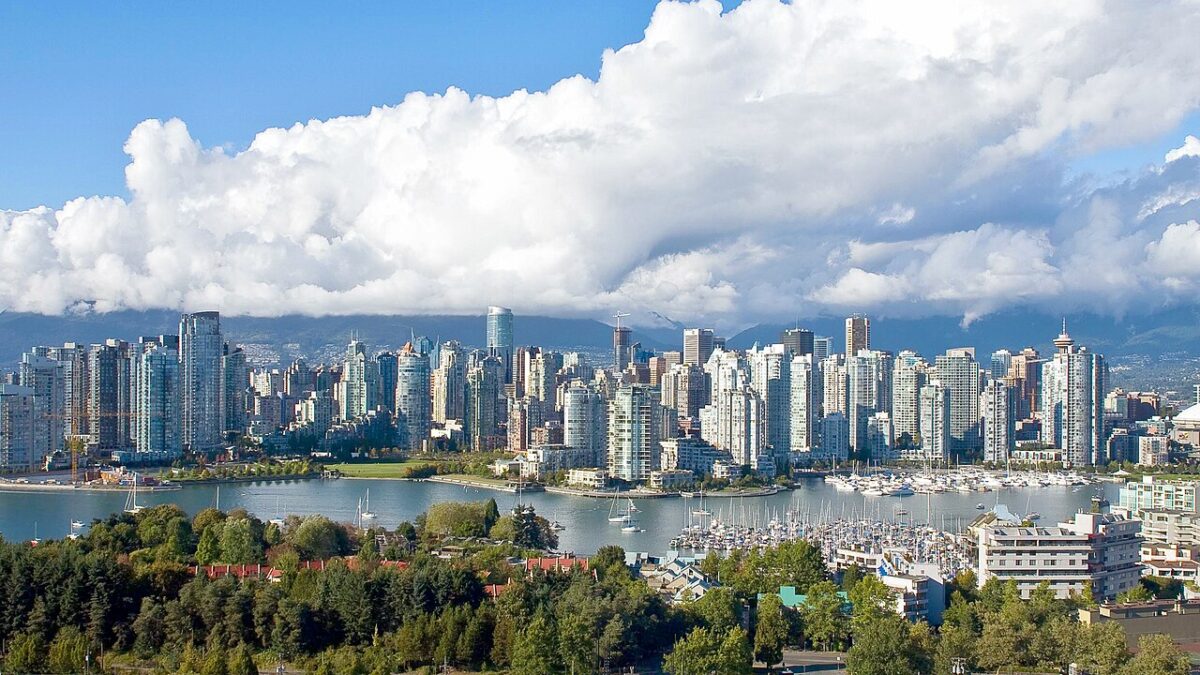
Best Time to Visit Vancouver
The optimal times to visit Vancouver in 2026 for a balanced experience of pleasant weather and manageable crowds are typically from May to June and September to October. These periods offer a delightful blend of comfortable temperatures and fewer tourists than the peak summer months.
Month-by-Month Weather Guide
| Month | Avg Temp (F) | Rainfall (in) | Crowd Level | Hotel Price Level |
|---|---|---|---|---|
| January | 39 | 6.3 | Low | Low |
| February | 41 | 5.0 | Low | Low |
| March | 46 | 4.4 | Low-Medium | Low-Medium |
| April | 51 | 3.0 | Medium | Medium |
| May | 57 | 2.3 | Medium-High | Medium-High |
| June | 62 | 1.9 | High | High |
| July | 66 | 1.5 | Very High | Very High |
| August | 67 | 1.4 | Very High | Very High |
| September | 61 | 2.5 | High | High |
| October | 53 | 4.1 | Medium-High | Medium-High |
| November | 44 | 6.0 | Medium | Medium |
| December | 40 | 6.7 | Medium | Medium-High |
Peak Season
The peak tourist season in Vancouver generally spans from June to August. During these months, the city experiences its warmest and driest weather, making it ideal for outdoor activities and exploring its natural beauty. Expect average temperatures to range from the low 60s to high 60s Fahrenheit (17-20°C).
However, this popularity comes with significant price increases. Hotel rates can rise by 30-50% compared to the off-season, and flight prices will also be at their highest. Popular attractions will be crowded, and advance booking for accommodations and tours is highly recommended.
Pros: Ideal weather for all outdoor pursuits, vibrant atmosphere, maximum daylight hours.
Cons: Highest prices, largest crowds, potential for long wait times at attractions.
Shoulder Season (Best Value)
The shoulder seasons, encompassing May to June and September to October, offer the best balance of good weather and value for visiting Vancouver. In May and June, temperatures are pleasantly warm, with average highs in the mid-50s to low 60s Fahrenheit (13-17°C), and rainfall begins to decrease.
September and October provide crisp autumn air, with average temperatures in the low 50s to low 60s Fahrenheit (11-17°C), and the fall foliage adds a picturesque charm. While crowds are still present, they are considerably less intense than in the summer. Hotel prices may be 15-30% lower than peak season, and flights can also offer savings.
This period is excellent for exploring the city’s parks, hiking trails, and enjoying outdoor dining without the extreme summer heat or the heavy winter rains. For a comprehensive overview of what Vancouver offers, consult our Vancouver travel guide.
Off-Season / Budget Season
The off-season in Vancouver runs from November to April. This period is characterized by cooler temperatures and a higher chance of rainfall, with average highs ranging from the high 30s to mid-40s Fahrenheit (3-7°C). Snowfall is possible in the surrounding mountains, offering opportunities for winter sports.
This is the cheapest time to visit, with hotel rates potentially 30-60% lower than during peak summer. Flights also tend to be more affordable. While the weather may not be conducive to extensive outdoor exploration, it’s an excellent time for indoor activities, enjoying the city’s culinary scene, and experiencing a more local pace.
Hidden Advantages: Fewer tourists allow for a more intimate experience of attractions, opportunities for winter sports in nearby mountains, significantly lower costs.
Best Time for Specific Activities
Sightseeing
For general sightseeing and exploring the urban landscape, the shoulder seasons (May-June, September-October) are ideal. The weather is generally pleasant for walking and exploring neighborhoods like Gastown and Granville Island. Summer (July-August) also offers excellent sightseeing weather but with larger crowds.
Outdoor Activities
June to September offers the best conditions for hiking in nearby mountains like Grouse or Whistler, cycling along the Seawall, and enjoying beaches. May and October can also be good for hiking if you are prepared for cooler temperatures and potential rain.
Food Festivals
Vancouver hosts numerous food festivals throughout the year. Major events often occur during the spring and summer months (April-August), capitalizing on good weather and tourist presence. However, smaller, more intimate culinary events can also be found in the fall.
Cultural Events
The city has a rich cultural calendar year-round. Major festivals and exhibitions are often scheduled during the summer (June-August) to attract tourists. However, performing arts, museum exhibits, and smaller community events are prevalent in the fall and winter (October-February), offering a different cultural experience.
Seasonal Price Comparison
| Season | Avg Hotel/Night (USD) | Avg Flight (USD) | Overall Cost Level |
|---|---|---|---|
| Spring (March-May) | $180 – $250 | $400 – $600 | Medium |
| Summer (June-August) | $250 – $350+ | $500 – $700+ | High |
| Autumn (September-November) | $170 – $230 | $380 – $580 | Medium-Low |
| Winter (December-February) | $150 – $200 | $350 – $550 | Low |

Kai has visited 60+ countries across 6 continents, with a obsession for one thing most travelers ignore: the real cost of getting there. Former budget backpacker turned data-driven travel writer, Kai breaks down destination costs so you can plan smarter — not just dream bigger. Based everywhere, from nowhere in particular.