The Ultimate Guide: Best Time to Visit Tokyo in 2026
Best Time to Visit Tokyo
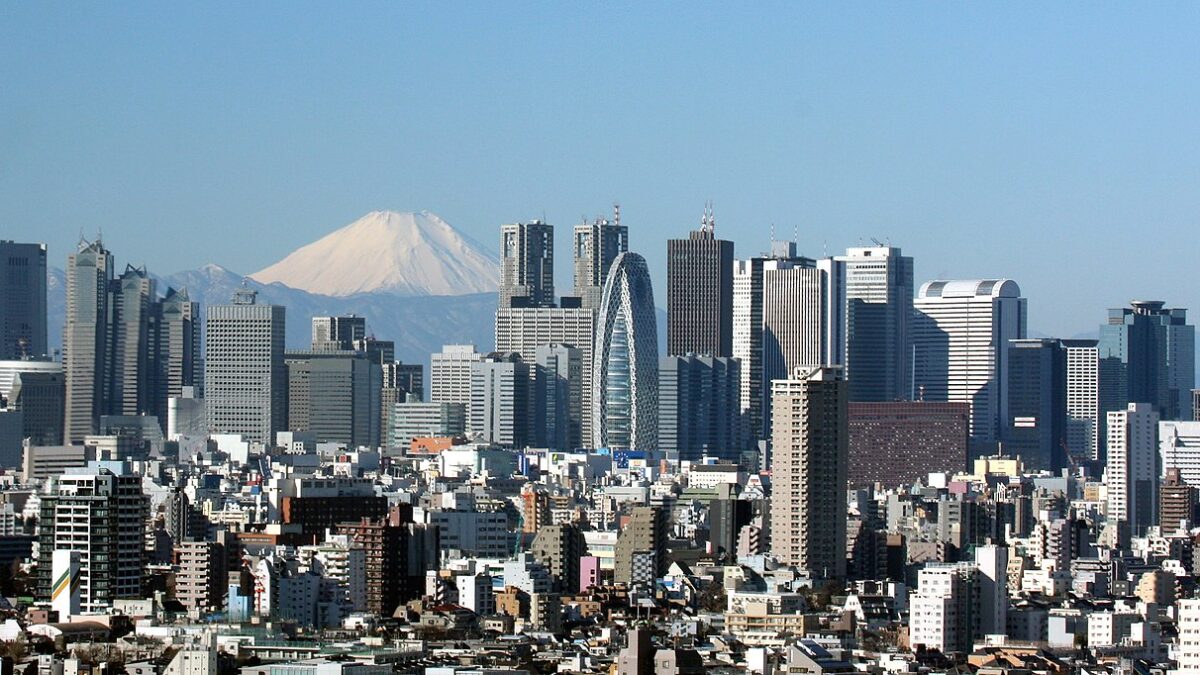
The optimal periods for visiting Tokyo in 2026 are spring (March to May) and autumn (September to November). These seasons offer pleasant weather, vibrant natural beauty, and a balanced experience of cultural immersion and comfortable exploration.
Month-by-Month Weather Guide
| Month | Avg Temp (°C) | Rainfall (mm) | Crowd Level | Hotel Price Level (USD) |
|---|---|---|---|---|
| January | 5.2 | 50 | Low | 120-180 |
| February | 5.7 | 70 | Low | 110-170 |
| March | 9.3 | 100 | Medium | 150-220 |
| April | 14.7 | 120 | High | 200-300 |
| May | 19.2 | 130 | High | 220-320 |
| June | 22.6 | 180 | Medium | 180-260 |
| July | 26.5 | 160 | High | 210-310 |
| August | 27.9 | 180 | High | 200-300 |
| September | 24.1 | 200 | High | 190-280 |
| October | 18.3 | 160 | Medium | 170-250 |
| November | 12.5 | 100 | Medium | 140-210 |
| December | 7.5 | 50 | Low | 130-190 |
Peak Season
The peak tourist seasons in Tokyo are April and May, coinciding with the cherry blossom (sakura) bloom and Golden Week, a series of public holidays. July and August also see high visitor numbers due to summer holidays and various festivals. During these months, expect the warmest weather, but also the largest crowds and the highest prices for flights and accommodation. Hotel rates can surge by 50-100% compared to off-peak times. Booking well in advance is crucial.
- Pros: Witness iconic cherry blossoms, experience vibrant festivals, enjoy generally pleasant weather for outdoor activities.
- Cons: Significant crowds at popular attractions, higher travel costs, longer queues.
Shoulder Season (Best Value)
The shoulder seasons offer an excellent balance of good weather and fewer crowds, making them ideal for budget-conscious travelers seeking value. These periods are March, June, September, October, and November. While March can still have cooler days, it marks the beginning of pleasant spring weather. June is the start of the rainy season, but often characterized by brief, intermittent showers rather than continuous downpours. September and October provide mild temperatures and beautiful autumn foliage. November offers crisp, clear days before the winter chill sets in. Hotel prices are typically 20-40% lower than during peak season.
- Pros: Manageable crowds, more affordable prices, pleasant weather suitable for most activities.
- Cons: June can experience rain; September might still be affected by typhoon season.
Off-Season / Budget Season
The off-season for Tokyo generally falls in the winter months: January, February, and December. These months offer the lowest prices for flights and accommodation, with potential savings of 40-60% compared to peak times. The weather is cold, with average temperatures hovering around 5-7°C (41-45°F). While not ideal for extensive outdoor exploration, this period is perfect for enjoying indoor attractions, experiencing winter illuminations, and savoring warm Japanese cuisine. The low crowd levels allow for a more relaxed and intimate experience of the city.
- Pros: Significantly lower travel costs, minimal crowds, opportunity to experience unique winter events.
- Cons: Cold weather may limit outdoor activities, shorter daylight hours.
Best Time for Specific Activities
Sightseeing
For general sightseeing, the spring months of April and May are superb, with the cherry blossoms in full bloom and comfortable temperatures. Autumn, specifically October and November, is also excellent, offering mild weather and stunning autumn foliage in parks and gardens.
Outdoor Activities
Outdoor activities like hiking in the surrounding mountains or exploring parks are best enjoyed during the spring (April-May) and autumn (October-November). The weather is typically dry and pleasant, with moderate temperatures. Avoid the peak summer heat and humidity, and the winter cold.
Food Festivals
Tokyo hosts numerous food festivals throughout the year. For a comprehensive Tokyo travel guide, consult local event listings closer to your travel dates. However, generally, spring (March-May) sees various food events celebrating seasonal produce like strawberries and spring vegetables. Autumn (September-November) is also rich with harvest festivals and events featuring seasonal ingredients.
Cultural Events
Major cultural events are spread across the year. The cherry blossom viewing in April is a significant cultural experience. Summer (July-August) is packed with vibrant festivals (matsuri) and fireworks displays. Winter (December) offers festive illuminations and New Year’s traditions.
Seasonal Price Comparison
| Season | Avg Hotel/Night (USD) | Avg Flight (Round Trip, USD) | Overall Cost Level |
|---|---|---|---|
| Spring (Peak: April-May) | 200-320 | 1200-1800 | High |
| Summer (Peak: July-August) | 200-310 | 1100-1700 | High |
| Autumn (Shoulder: Sep, Oct-Nov) | 140-280 | 1000-1600 | Medium-High |
| Winter (Off-Peak: Dec-Feb) | 110-190 | 800-1300 | Low |

Kai has visited 60+ countries across 6 continents, with a obsession for one thing most travelers ignore: the real cost of getting there. Former budget backpacker turned data-driven travel writer, Kai breaks down destination costs so you can plan smarter — not just dream bigger. Based everywhere, from nowhere in particular.