The Ultimate Guide to the Best Time to Visit Thimphu, Bhutan in 2026
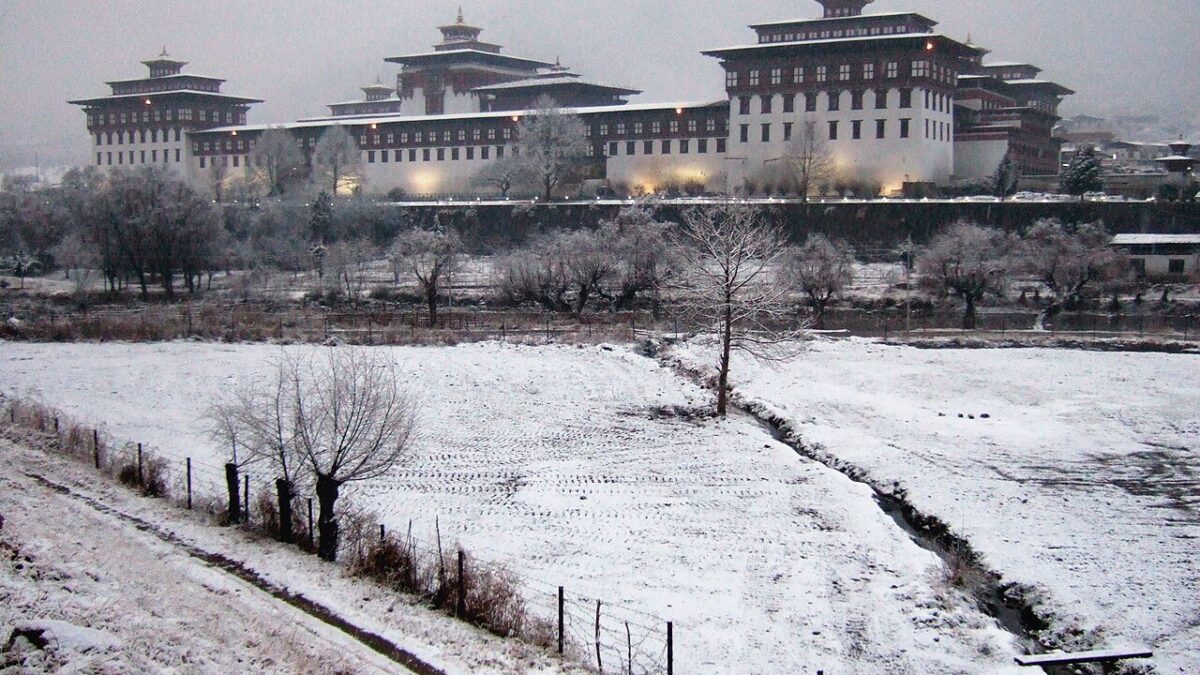
Best Time to Visit Thimphu
The optimal periods for visiting Thimphu in 2026 are the spring months of March to May and the autumn months of September to November. These periods offer pleasant weather, clear skies, and vibrant cultural experiences, making them ideal for exploration.
Month-by-Month Weather Guide
| Month | Avg Temp (°C) | Rainfall (mm) | Crowd Level | Hotel Price Level |
|---|---|---|---|---|
| January | 3 to 12 | 5 | Low | Low |
| February | 5 to 14 | 10 | Low | Low |
| March | 8 to 18 | 30 | Moderate | Moderate |
| April | 11 to 22 | 50 | High | High |
| May | 14 to 24 | 80 | High | High |
| June | 16 to 25 | 150 | Moderate | Moderate |
| July | 17 to 24 | 200 | Moderate | Moderate |
| August | 17 to 24 | 180 | Moderate | Moderate |
| September | 15 to 23 | 70 | High | High |
| October | 12 to 20 | 30 | High | High |
| November | 8 to 16 | 10 | Moderate | Moderate |
| December | 4 to 12 | 5 | Low | Low |
Peak Season
The peak tourist seasons in Thimphu are April, May, September, and October. During these months, the weather is at its most agreeable, characterized by warm days and cool evenings, with minimal rainfall and excellent visibility for sightseeing. This ideal climate attracts the largest number of visitors, leading to increased demand for accommodation and tours.
What to expect: Expect clear, sunny days, making it perfect for exploring the numerous monasteries, dzongs, and scenic viewpoints. The rhododendrons are in bloom in spring, adding a vibrant splash of color to the landscape. Autumn offers crisp air and stunning mountain vistas.
Price increases: Hotel prices can increase by 30-50% compared to the off-season. Flight prices also see a significant surge, with round-trip tickets from major hubs potentially costing between $1,200 and $1,800 USD. Tour package costs will reflect the higher demand.
Pros: Optimal weather conditions for all outdoor activities and sightseeing. High likelihood of attending cultural festivals and events. Excellent photographic opportunities due to clear skies.
Cons: Higher travel costs. Increased crowd levels at popular attractions. Need for early booking to secure preferred accommodation and flights.
Shoulder Season (Best Value)
The shoulder seasons, encompassing March and November, present an excellent balance between favorable weather and cost savings. These months offer a more relaxed travel experience with fewer crowds than the peak periods.
Weather quality: March begins to warm up, with temperatures gradually rising and the landscape becoming greener. November offers crisp, cool air and clear skies, though temperatures start to drop. Both months generally have less rainfall than the summer months.
Crowd levels: Crowd levels are moderate, allowing for a more intimate experience at historical sites and cultural landmarks. You can explore Thimphu at a comfortable pace without feeling overwhelmed.
Savings vs peak: Visitors can expect hotel rates to be approximately 15-25% lower than during the peak seasons. Flight prices may also be more competitive, potentially ranging from $1,000 to $1,500 USD for round-trip tickets. This makes the shoulder season a prime choice for budget-conscious travelers seeking good value.
Off-Season / Budget Season
The off-season in Thimphu spans from December to February. This period is characterized by the lowest temperatures and the least number of tourists, offering the most significant cost savings.
Cheapest months: January and February are the coldest months, with daytime temperatures hovering around 12°C and dropping to near freezing at night. December is also part of this budget-friendly period.
Weather trade-offs: The primary trade-off is the cold weather. While days can be sunny, temperatures are significantly cooler, requiring warm clothing. Snowfall is rare in Thimphu city itself but can occur at higher elevations, potentially affecting some road travel to surrounding areas.
Hidden advantages: The tranquility of the off-season is a major advantage for those seeking a peaceful and introspective travel experience. You have the opportunity to interact more closely with locals and experience Bhutanese culture without the usual tourist influx. Hotel prices can be 40-60% lower than peak season, with flights potentially costing $900-$1,300 USD round-trip. This is also an excellent time for photography, as the clear, crisp air often provides stunning photographic conditions.
Best Time for Specific Activities
Sightseeing
For optimal sightseeing, the peak seasons of April, May, September, and October are highly recommended. The clear skies and pleasant temperatures ensure excellent visibility for the iconic Thimphu Dzong, Buddha Dordenma, and the Folk Heritage Museum. Spring (April-May) offers lush greenery, while autumn (September-October) provides clear mountain views.
Outdoor Activities
Trekking and hiking are best enjoyed during the spring (March to May) and autumn (September to November) months. The trails are generally dry, and the weather is conducive to moderate exertion. Temperatures are comfortable, and the risk of rain is lower, allowing for extended exploration of the surrounding valleys and hills.
Food Festivals and Cultural Events
While Bhutanese festivals are celebrated throughout the year, major events like the Thimphu Tshechu (a vibrant religious festival) usually take place in autumn, often in September or October. Specific dates vary annually. Spring months (March-May) are also good for smaller local celebrations and experiencing the vibrant cultural life as the country awakens after winter.
Seasonal Price Comparison
| Season | Avg Hotel/Night (USD) | Avg Flight (Round-trip, USD) | Overall Cost Level |
|---|---|---|---|
| Peak Season (Apr, May, Sep, Oct) | $250 – $400 | $1,200 – $1,800 | High |
| Shoulder Season (Mar, Nov) | $180 – $280 | $1,000 – $1,500 | Medium |
| Off-Season (Dec, Jan, Feb) | $120 – $200 | $900 – $1,300 | Low |
For a comprehensive overview of what Thimphu has to offer, consult our detailed Thimphu travel guide.

Kai has visited 60+ countries across 6 continents, with a obsession for one thing most travelers ignore: the real cost of getting there. Former budget backpacker turned data-driven travel writer, Kai breaks down destination costs so you can plan smarter — not just dream bigger. Based everywhere, from nowhere in particular.