The Ultimate Guide: Best Time to Visit Tallinn in 2026
Best Time to Visit Tallinn
The optimal period for visiting Tallinn in 2026 is during the late spring and summer months, specifically from May to August. This timeframe offers the most pleasant weather conditions, extended daylight hours, and a vibrant atmosphere, making it ideal for exploring the city’s historical charm and natural beauty.
Month-by-Month Weather Guide
| Month | Avg Temp (°C / °F) | Rainfall (mm) | Crowd Level | Hotel Price Level |
|---|---|---|---|---|
| January | -3 / 27 | 45 | Low | Low |
| February | -3 / 27 | 35 | Low | Low |
| March | 1 / 34 | 30 | Low | Low |
| April | 7 / 45 | 40 | Moderate | Moderate |
| May | 12 / 54 | 50 | Moderate | Moderate |
| June | 17 / 63 | 60 | High | High |
| July | 19 / 66 | 70 | High | High |
| August | 18 / 64 | 75 | High | High |
| September | 14 / 57 | 65 | Moderate | Moderate |
| October | 8 / 46 | 55 | Moderate | Moderate |
| November | 3 / 37 | 45 | Low | Low |
| December | -1 / 30 | 40 | Low | Low |
Peak Season
The peak season in Tallinn spans from June to August. During these months, the city experiences its warmest weather, with average temperatures ranging from 17°C to 19°C (63°F to 66°F). Daylight hours are at their longest, often extending beyond 16 hours per day. This period attracts the largest number of tourists, leading to higher demand for accommodation and flights. Hotel prices can increase by 30-50% compared to the off-season, and flights may also see a 20-30% markup.
Pros of Peak Season:
- Pleasant and warm weather ideal for outdoor exploration.
- Long daylight hours maximize sightseeing opportunities.
- Vibrant atmosphere with numerous festivals and events.
- All attractions and services are fully operational.
Cons of Peak Season:
- Higher accommodation and travel costs.
- Increased crowds at popular attractions, potentially leading to longer wait times.
- A more bustling and less tranquil experience.
Shoulder Season (Best Value)
The shoulder seasons, encompassing April to May and September to October, offer a compelling balance of agreeable weather and reduced costs. In spring (April-May), temperatures gradually rise from 7°C to 12°C (45°F to 54°F), with increasing daylight. Autumn (September-October) sees temperatures ranging from 8°C to 14°C (46°F to 57°F), with beautiful fall foliage. Crowd levels are moderate, and hotel prices are typically 15-25% lower than during peak season, with flight prices also showing a modest decrease.
Pros of Shoulder Season:
- More affordable travel and accommodation.
- Fewer crowds, allowing for a more relaxed experience at attractions.
- Pleasant weather suitable for sightseeing and walking tours.
- Opportunity to witness seasonal changes like spring blooms or autumn colors.
Cons of Shoulder Season:
- Weather can be more unpredictable than in summer.
- Some seasonal outdoor attractions or events may have limited operating hours or be closed.
Off-Season / Budget Season
The off-season for Tallinn runs from November to March. This period is characterized by colder temperatures, with averages often below freezing, and significantly shorter daylight hours. Snowfall is common, transforming the city into a winter wonderland. Hotel prices can be as much as 40-60% lower than during peak season, and flight deals are frequently available.
Advantages of Off-Season:
- Lowest prices for flights and accommodation.
- Minimal crowds, offering an intimate experience of the city.
- Unique charm of Tallinn in winter, with potential for snow-covered landscapes and festive Christmas markets (late November to December).
- Ideal for those seeking a quiet and budget-friendly escape.
Weather Trade-offs:
- Cold temperatures requiring warm clothing.
- Limited daylight hours can restrict outdoor activities.
- Some attractions may have reduced opening hours or be closed.
Best Time for Specific Activities
Sightseeing:
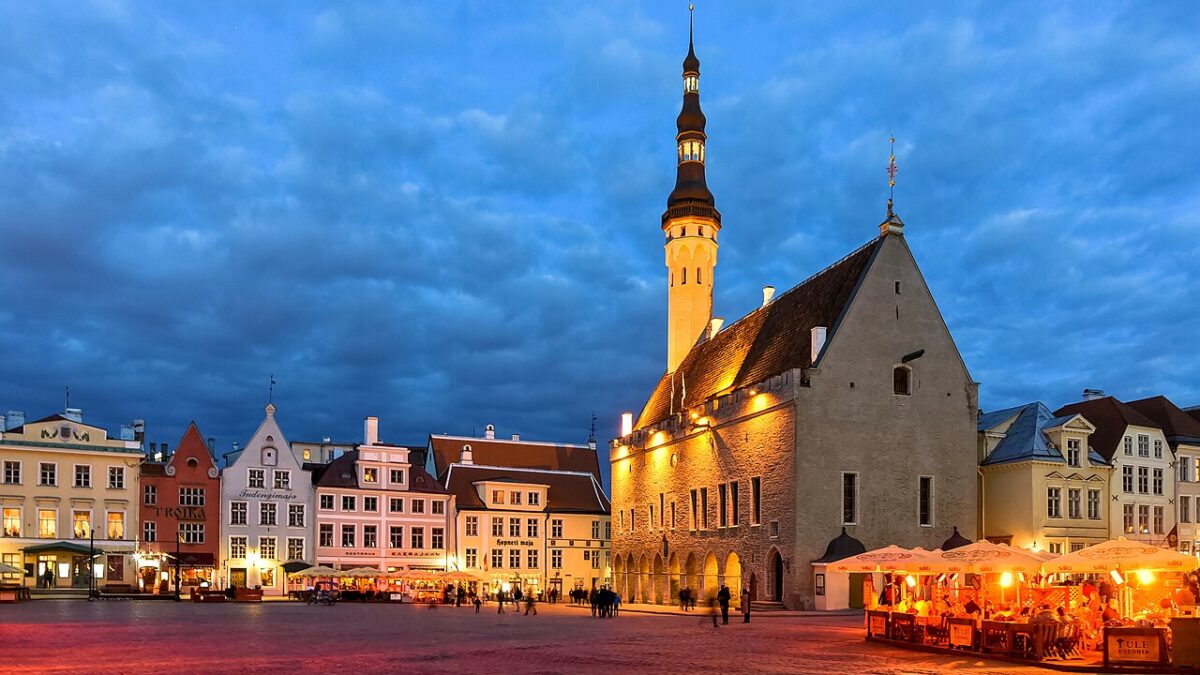
The months of May, June, September, and October are ideal for sightseeing. The weather is generally pleasant, and daylight hours are sufficient for exploring the UNESCO World Heritage Old Town, Kadriorg Palace, and other historical landmarks.
Outdoor Activities:
For outdoor activities such as exploring the coast, visiting parks like Lahemaa National Park, or enjoying boat trips, the summer months of June, July, and August are best. The warmest temperatures and longest days provide the most favorable conditions.
Food Festivals:
While Tallinn hosts events year-round, summer and early autumn (June to September) often feature outdoor food markets and festivals. Specific dates vary annually, so checking local event listings closer to your travel dates is recommended.
Cultural Events:
Tallinn has a rich cultural calendar. The Tallinn Medieval Days festival typically occurs in July. The Christmas markets in December are a significant draw. Spring and autumn also host various music and theatre festivals. Researching specific event dates for 2026 is crucial for aligning your visit with desired cultural experiences. For more in-depth information on what to see and do, consult our comprehensive Tallinn travel guide.
Seasonal Price Comparison
| Season | Avg Hotel/Night (USD) | Avg Flight (Round Trip, USD) | Overall Cost Level |
|---|---|---|---|
| Peak Season (June-August) | $180 – $250 | $800 – $1200 | High |
| Shoulder Season (April-May, Sept-Oct) | $130 – $180 | $700 – $1000 | Moderate |
| Off-Season (Nov-March) | $100 – $150 | $600 – $900 | Low |

Kai has visited 60+ countries across 6 continents, with a obsession for one thing most travelers ignore: the real cost of getting there. Former budget backpacker turned data-driven travel writer, Kai breaks down destination costs so you can plan smarter — not just dream bigger. Based everywhere, from nowhere in particular.