The Ultimate Guide to the Best Time to Visit Seattle in 2026
Best Time to Visit Seattle
The optimal months to experience Seattle are typically from June to September, offering the most favorable weather for exploration and outdoor activities. During this period, you can expect pleasant temperatures and significantly less rainfall, making it ideal for enjoying the city’s many attractions.
Month-by-Month Weather Guide
| Month | Avg Temp (°F) | Rainfall (inches) | Crowd Level | Hotel Price Level |
|---|---|---|---|---|
| January | 42 | 5.5 | Low | Low |
| February | 44 | 4.0 | Low | Low |
| March | 48 | 3.5 | Low-Medium | Low-Medium |
| April | 53 | 2.5 | Medium | Medium |
| May | 59 | 2.0 | Medium-High | Medium-High |
| June | 64 | 1.5 | High | High |
| July | 68 | 1.0 | Peak | Peak |
| August | 69 | 1.0 | Peak | Peak |
| September | 65 | 2.0 | High | High |
| October | 57 | 3.5 | Medium | Medium |
| November | 48 | 5.0 | Low-Medium | Low-Medium |
| December | 43 | 5.5 | Low | Low |
Peak Season
The peak tourist season in Seattle generally spans from July through August. During these months, the city experiences its warmest and driest weather, with average temperatures in the high 60s Fahrenheit. This period attracts the largest crowds, leading to higher demand and consequently, increased prices for flights and accommodations. Expect hotel rates to average $250-$350 per night and flights to range from $400-$600 round trip from major US hubs.
Pros of Peak Season:
- Optimal weather conditions for all outdoor and indoor activities.
- All attractions and tours are fully operational and readily available.
- Vibrant atmosphere with numerous outdoor events and festivals.
Cons of Peak Season:
- Highest prices for travel and lodging.
- Significant crowds at popular tourist sites, potentially leading to longer wait times.
- Need for advance booking for accommodations and popular tours.
Shoulder Season (Best Value)
The shoulder seasons, encompassing May and September, offer an excellent balance between favorable weather and manageable crowds, representing the best value for visitors. In May, average temperatures hover around the high 50s Fahrenheit, with moderate rainfall. September boasts similar temperatures and a slight increase in rainfall compared to July and August, but still significantly less than the winter months. Hotel prices during these months typically range from $180-$250 per night, with flights averaging $350-$500.
Advantages of Shoulder Season:
- Pleasant weather suitable for most activities.
- Fewer crowds compared to the peak summer months, allowing for a more relaxed experience.
- More competitive pricing for accommodations and flights.
- A good opportunity to experience local life with fewer tourists.
Considerations for Shoulder Season:
- Weather can be more unpredictable than in peak summer, with occasional rain showers.
- Some outdoor events may be less frequent than in July and August.
Off-Season / Budget Season
The off-season in Seattle runs from November through April. This period is characterized by cooler temperatures, with averages in the low to mid-40s Fahrenheit, and the highest amounts of rainfall. Hotel prices can drop to an average of $120-$180 per night, and flights might be found for $250-$400 round trip.
Benefits of the Off-Season:
- Lowest prices for flights and accommodations.
- Minimal crowds, offering an intimate experience of the city.
- Ideal for museum visits, enjoying cozy cafes, and experiencing Seattle’s literary and arts scene.
Trade-offs of the Off-Season:
- Frequent rain and cooler temperatures can limit outdoor activities.
- Shorter daylight hours can impact sightseeing schedules.
- Some seasonal attractions or tours might be closed or have reduced hours.
Best Time for Specific Activities
Sightseeing
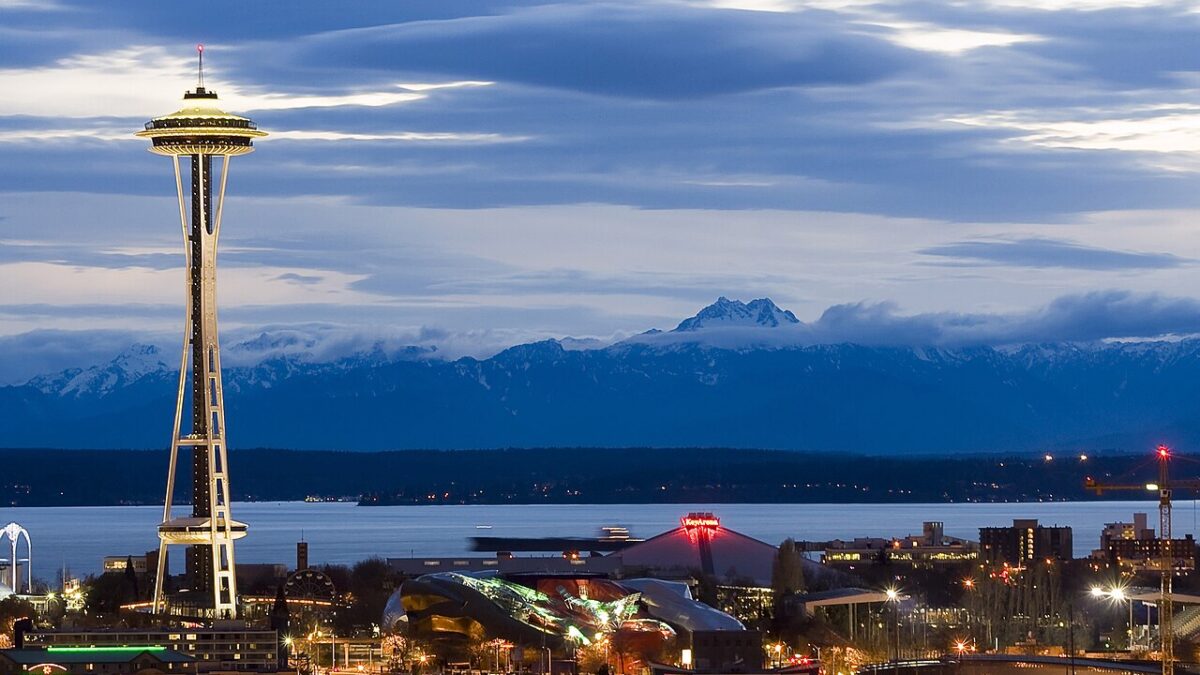
For general sightseeing, including iconic landmarks like the Space Needle, Pike Place Market, and the waterfront, the months of June, July, August, and September are ideal due to the best weather. For a less crowded experience with good weather, consider May and September.
Outdoor Activities
Activities such as hiking in nearby national parks (Mount Rainier, Olympic), exploring parks like Discovery Park, or taking ferry rides are best enjoyed from late May through September. The drier and warmer conditions are crucial for these pursuits. July and August offer the most consistently favorable weather.
Food Festivals and Culinary Events
Seattle has a vibrant food scene throughout the year. However, many outdoor food festivals and farmers’ markets are most active during the warmer months. June through September are prime months for these events. For specific events, it’s advisable to check local listings closer to your travel date.
Cultural Events and Museums
Seattle’s rich cultural calendar offers events year-round. Museums are excellent destinations regardless of the weather, making the off-season (November-April) a great time to visit if indoor activities are a priority and budget is a concern. The city also hosts various music and arts festivals throughout the year, with a higher concentration in the summer. For a comprehensive overview of what Seattle offers, consult this Seattle travel guide.
Seasonal Price Comparison
| Season | Avg Hotel/Night (USD) | Avg Flight (USD) | Overall Cost Level |
|---|---|---|---|
| Peak (July-August) | $250 – $350 | $400 – $600 | High |
| Shoulder (May, September) | $180 – $250 | $350 – $500 | Medium |
| Off-Season (November-April) | $120 – $180 | $250 – $400 | Low |

Kai has visited 60+ countries across 6 continents, with a obsession for one thing most travelers ignore: the real cost of getting there. Former budget backpacker turned data-driven travel writer, Kai breaks down destination costs so you can plan smarter — not just dream bigger. Based everywhere, from nowhere in particular.