The Definitive Guide to the Best Time to Visit Quito, Ecuador in 2026
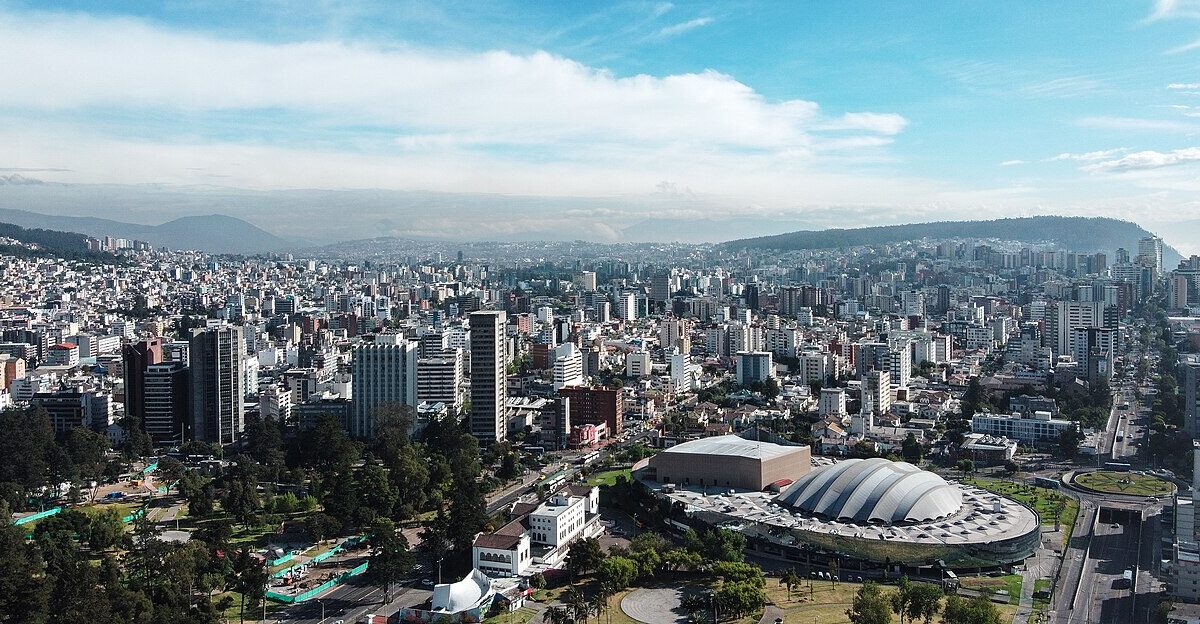
Best Time to Visit Quito
The ideal period to experience Quito, Ecuador in 2026 is during the dry season, from June to September. This timeframe offers the most favorable weather conditions for exploring its historic streets and surrounding natural beauty.
Month-by-Month Weather Guide
| Month | Avg Temp (°C) | Rainfall (mm) | Crowd Level | Hotel Price Level |
|---|---|---|---|---|
| January | 10-20 | 150 | Moderate | Moderate |
| February | 10-20 | 170 | Moderate | Moderate |
| March | 10-20 | 160 | Moderate | Moderate |
| April | 10-20 | 130 | Low | Low |
| May | 10-20 | 80 | Low | Low |
| June | 9-19 | 30 | Moderate | Moderate |
| July | 9-19 | 20 | High | High |
| August | 9-19 | 25 | High | High |
| September | 10-20 | 40 | Moderate | Moderate |
| October | 10-20 | 90 | Moderate | Moderate |
| November | 10-20 | 120 | Moderate | Moderate |
| December | 10-20 | 130 | High | High |
Peak Season
The peak tourist season in Quito generally spans from July to August, coinciding with school holidays in many parts of the world and the driest weather. During these months, expect higher temperatures averaging between 9-19°C (48-66°F) with minimal rainfall. Consequently, hotel prices can increase by 20-30% compared to the low season, and flights may also see a surge. The main advantage of visiting during this period is the reliably pleasant weather, maximizing opportunities for outdoor exploration. However, the significant downside is the increased crowd levels at popular attractions, potentially leading to longer queues and a less intimate experience.
Shoulder Season (Best Value)
The shoulder seasons, encompassing April to May and September to October, present an excellent balance between favorable weather and cost savings. During these months, Quito experiences transitional weather patterns. April and May mark the end of the rainy season, with gradually decreasing rainfall (around 80-130mm) and mild temperatures of 10-20°C (50-68°F). September and October see the beginning of the drier period, with rainfall around 40-90mm and similar temperature ranges. Crowd levels are moderate, and hotel prices typically range from $80-$120 per night, offering savings of 10-20% compared to peak season. This period is ideal for travelers seeking a good mix of decent weather and manageable crowds without the premium price tag.
Off-Season / Budget Season
The off-season, primarily from November to March, represents the cheapest time to visit Quito. This period is characterized by the rainy season, with higher rainfall amounts (120-170mm) and temperatures remaining mild at 10-20°C (50-68°F). While the increased precipitation might deter some, it often manifests as brief, heavy downpours rather than all-day rain, leaving ample time for exploration. Hotel prices can drop by 25-35%, with average nightly rates around $60-$90. Flights also tend to be more affordable. The advantage of visiting during the off-season is the significant cost savings and significantly fewer tourists, allowing for a more authentic and unhurried experience of Quito’s rich culture and history.
Best Time for Specific Activities
Sightseeing
For optimal sightseeing in Quito, the dry months of June, July, August, and September are highly recommended. The consistently clear skies and minimal rainfall (20-40mm) provide excellent visibility for exploring the UNESCO World Heritage historic center, the Metropolitan Cathedral, and the Basilica del Voto Nacional. These months also offer pleasant temperatures for walking tours.
Outdoor Activities
Outdoor enthusiasts will find June to September to be the most advantageous. This period offers the driest conditions for hiking in the surrounding Andean landscapes, visiting the Pululahua Geobotanical Reserve, or taking day trips to locations like the Middle of the World monument. The average temperatures of 9-19°C (48-66°F) are comfortable for physical exertion.
Food Festivals and Cultural Events
While Quito celebrates cultural events year-round, specific festivals often align with different seasons. The Inti Raymi (Festival of the Sun) typically occurs around the June solstice, making this a vibrant time for cultural immersion. Food-related events can be found throughout the year, though the drier months often see more outdoor markets and street food festivals. Researching specific event calendars closer to your travel dates is advisable. For a comprehensive overview of what to expect, consult our Quito travel guide.
Seasonal Price Comparison
| Season | Avg Hotel/Night (USD) | Avg Flight (Roundtrip, USD) | Overall Cost Level |
|---|---|---|---|
| Peak Season (July-August) | $120 – $180 | $600 – $900 | High |
| Shoulder Season (April-May, September-October) | $80 – $120 | $500 – $700 | Moderate |
| Off-Season (November-March) | $60 – $90 | $450 – $650 | Low |

Kai has visited 60+ countries across 6 continents, with a obsession for one thing most travelers ignore: the real cost of getting there. Former budget backpacker turned data-driven travel writer, Kai breaks down destination costs so you can plan smarter — not just dream bigger. Based everywhere, from nowhere in particular.