The Ultimate Guide to the Best Time to Visit Paro, Bhutan in 2026
Best Time to Visit Paro
The optimal periods for visiting Paro in 2026 are the spring months of March to May and the autumn months of September to November. These times offer the most pleasant weather conditions, characterized by clear skies and comfortable temperatures, ideal for exploring the region’s natural beauty and cultural heritage.
Month-by-Month Weather Guide
| Month | Avg Temp (C) | Rainfall (mm) | Crowd Level | Hotel Price Level |
|---|---|---|---|---|
| January | 3 | 5 | Low | Low |
| February | 6 | 10 | Low | Low |
| March | 11 | 30 | Medium | Medium |
| April | 16 | 50 | High | High |
| May | 19 | 70 | Medium | Medium |
| June | 21 | 150 | Medium | Medium |
| July | 22 | 200 | Medium | Medium |
| August | 21 | 180 | Medium | Medium |
| September | 18 | 100 | High | High |
| October | 14 | 40 | High | High |
| November | 9 | 15 | Medium | Medium |
| December | 4 | 5 | Low | Low |
Peak Season
The peak tourist seasons in Paro are April, May, September, and October. During these months, the weather is exceptionally pleasant, with clear skies offering panoramic views of the Himalayas and comfortable daytime temperatures ranging from 15°C to 20°C. This period attracts the largest number of visitors, leading to increased demand for accommodation and tours.
Pros:
- Ideal weather conditions for outdoor activities and sightseeing.
- The landscape is vibrant and lush after the spring rains or golden in autumn.
- Higher chance of participating in major cultural festivals.
Cons:
- Significantly higher hotel prices, with an average of $350-$450 USD per night.
- Flights can also be more expensive, averaging $1200-$1800 USD.
- More crowded at popular attractions, potentially impacting the sense of serenity.
Shoulder Season (Best Value)
The shoulder seasons, encompassing March, June, and November, present an excellent balance between favorable weather and value for money. March offers the transition from winter to spring with milder temperatures and blooming flora. June experiences the beginning of the monsoon but often with intermittent showers, allowing for exploration. November marks the onset of winter, with crisp air and fewer crowds.
Weather Quality: Generally good, with a mix of pleasant days and occasional light rain in June. March and November offer cooler, crisp air.
Crowd Levels: Moderate, offering a more relaxed experience compared to peak months.
Savings: Hotel prices can be approximately 20-30% lower than peak season, averaging $280-$360 USD per night. Flight costs may also see a slight reduction. This is an opportune time for those seeking a less crowded, more authentic experience while managing their budget.
Off-Season / Budget Season
The off-peak season in Paro spans from January to February and again from July to August. January and February are the coldest months, with temperatures dropping below freezing at night and averaging around 3°C during the day. This period sees very few tourists. July and August fall within the monsoon season, characterized by heavier rainfall, which can impact outdoor activities and visibility.
Weather Trade-offs: Cold temperatures and potential snow in winter; increased rainfall and humidity during the monsoon.
Hidden Advantages:
- Lowest hotel prices, often averaging $200-$270 USD per night.
- Significantly fewer tourists, allowing for a more intimate and authentic cultural immersion.
- Opportunities for unique experiences, such as enjoying snow-covered landscapes in winter or witnessing the lush greenery after monsoon showers.
- Potential for lower flight prices, though less predictable than hotel rates.
Best Time for Specific Activities
Sightseeing
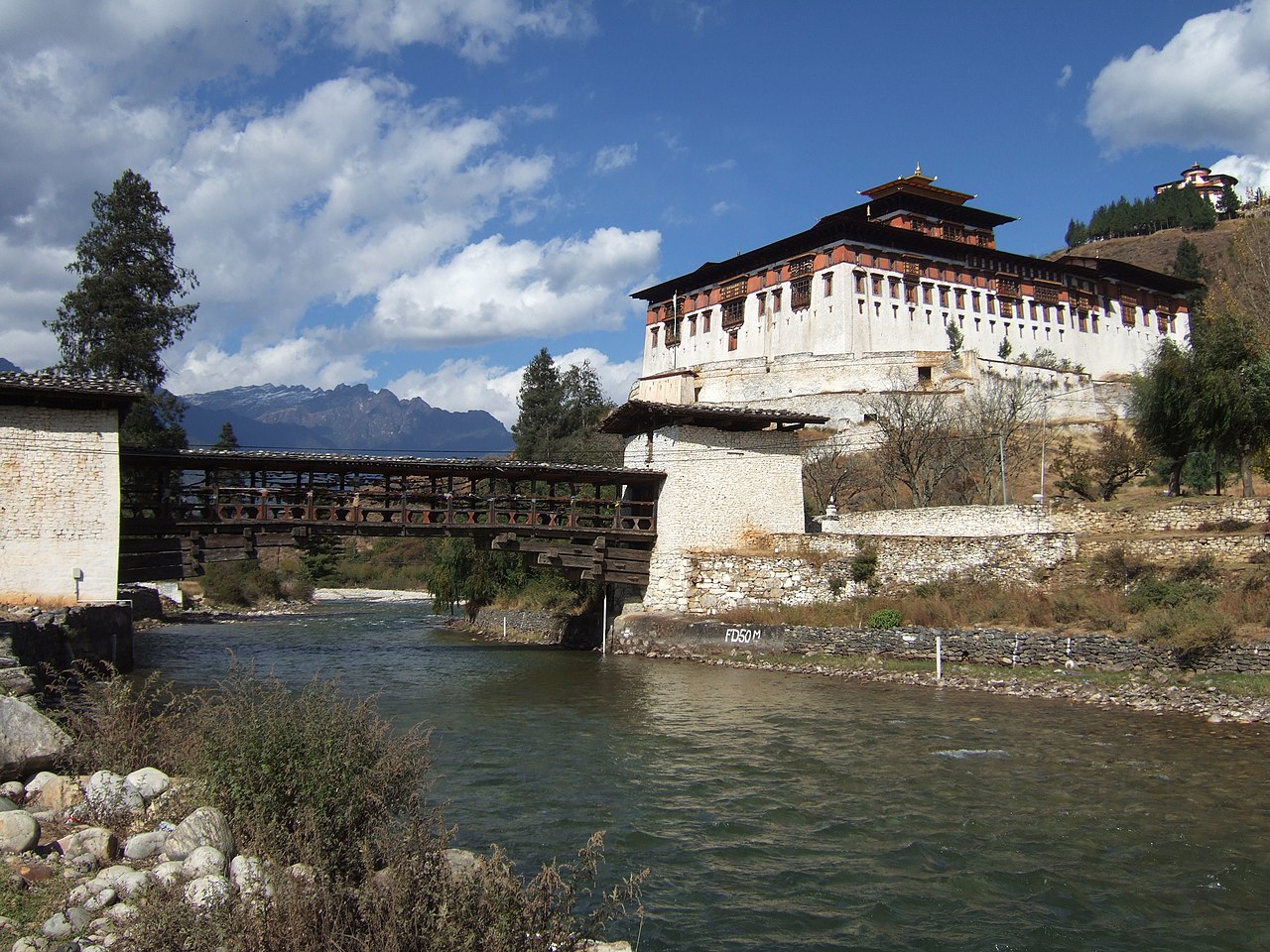
The best months for comprehensive sightseeing in Paro, including visits to the Tiger’s Nest Monastery (Paro Taktsang), Rinpung Dzong, and the National Museum, are March, April, September, and October. These months offer the clearest skies and most comfortable temperatures for hiking and exploring historical sites.
Outdoor Activities
For trekking and hiking, March to May and September to November are ideal. The spring months provide blooming rhododendrons and pleasant temperatures, while autumn offers crisp air and excellent visibility for mountain views.
Food Festivals
Bhutan does not have fixed, large-scale food festivals in Paro that are tied to specific months. However, local culinary experiences are available year-round. For a chance to experience rural life and local cuisine, consider visiting during the harvest season, which generally extends from September to November.
Cultural Events
The most vibrant cultural events, such as the Paro Tshechu, are typically held in spring. While the exact dates vary annually based on the Bhutanese lunar calendar, it often falls in March or April. Attending a Tshechu is a profound way to experience Bhutanese traditions, masked dances, and religious ceremonies. It is advisable to check the specific dates for 2026 well in advance. For a deeper understanding of Bhutanese culture, consulting a Paro travel guide is recommended.
Seasonal Price Comparison
| Season | Avg Hotel/Night (USD) | Avg Flight (USD) | Overall Cost Level |
|---|---|---|---|
| Peak Season (Apr, May, Sep, Oct) | 350 – 450 | 1200 – 1800 | High |
| Shoulder Season (Mar, Jun, Nov) | 280 – 360 | 1100 – 1600 | Medium |
| Off-Season (Jan, Feb, Jul, Aug) | 200 – 270 | 1000 – 1400 | Low |

Kai has visited 60+ countries across 6 continents, with a obsession for one thing most travelers ignore: the real cost of getting there. Former budget backpacker turned data-driven travel writer, Kai breaks down destination costs so you can plan smarter — not just dream bigger. Based everywhere, from nowhere in particular.