The Definitive Guide to the Best Time to Visit Nairobi in 2026
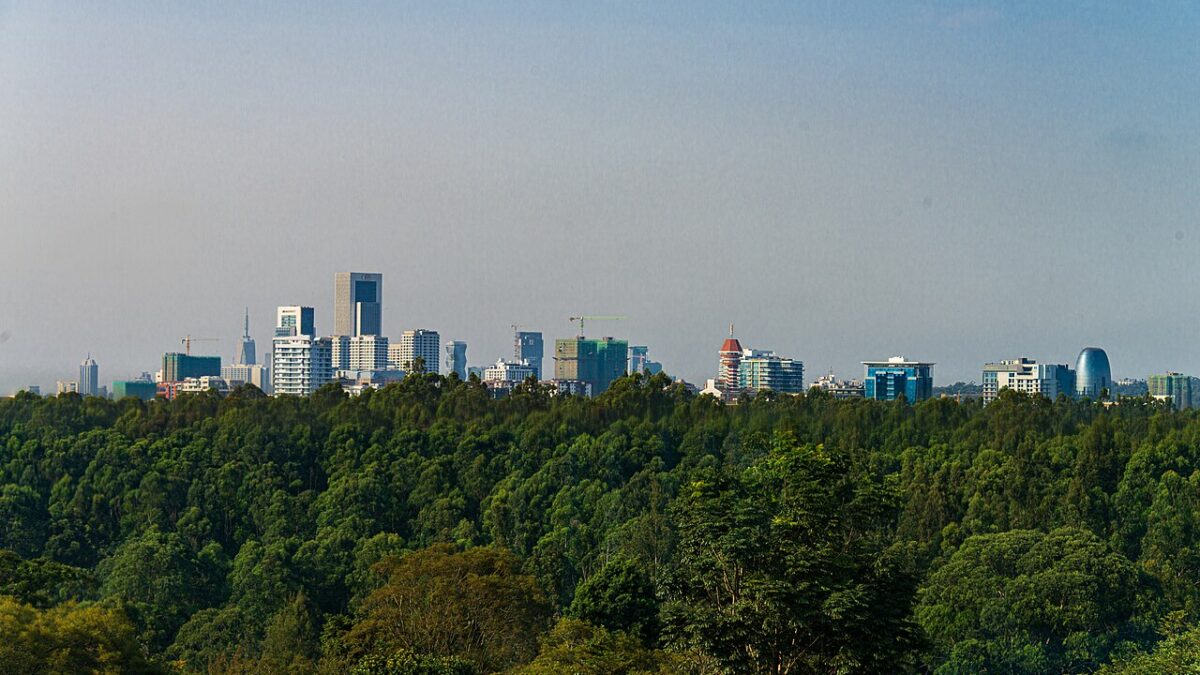
Best Time to Visit Nairobi
The optimal period to visit Nairobi in 2026 is during the dry seasons, specifically from January to March and June to October. These months offer the most pleasant weather for exploring the city and its surrounding attractions.
Month-by-Month Weather Guide
| Month | Avg Temp (°C) | Rainfall (mm) | Crowd Level | Hotel Price Level |
|---|---|---|---|---|
| January | 25 | 20 | Moderate | $$$ |
| February | 26 | 30 | Moderate | $$$ |
| March | 25 | 120 | Moderate to High | $$$ |
| April | 24 | 220 | Low | $$ |
| May | 23 | 180 | Low | $$ |
| June | 22 | 30 | Moderate | $$$ |
| July | 22 | 10 | Moderate to High | $$$ |
| August | 23 | 20 | High | $$$$ |
| September | 24 | 30 | High | $$$$ |
| October | 25 | 60 | Moderate to High | $$$ |
| November | 24 | 150 | Moderate | $$ |
| December | 24 | 140 | High | $$$$ |
Peak Season
The peak tourist seasons in Nairobi are generally from July to September and again in December. During these months, the weather is typically dry and sunny, making it ideal for wildlife viewing in nearby national parks and for general sightseeing. Expect higher crowd levels at popular attractions and accommodation. Hotel prices can increase by 30-50% compared to the off-season, and flight prices may also see a significant surge.
Pros of Peak Season:
- Excellent weather conditions for outdoor activities.
- Higher chances of witnessing wildlife during safaris.
- A vibrant atmosphere with more events and activities.
Cons of Peak Season:
- Increased accommodation and flight costs.
- Larger crowds at tourist sites.
- Necessity for booking in advance, especially for popular lodges and tours.
Shoulder Season (Best Value)
The shoulder seasons in Nairobi offer a compelling balance between favorable weather and more affordable prices. These periods are typically from January to March (excluding the very beginning of March, which can see a slight uptick in rain) and from October to November. The weather is generally pleasant, with fewer crowds than the peak months. This allows for a more relaxed travel experience and significant savings on flights and accommodation.
Weather and Crowds:
During the shoulder seasons, you can expect mostly sunny days with moderate temperatures. Rainfall is generally light and intermittent, not usually disruptive to travel plans. Crowd levels are moderate, allowing for easier access to attractions and a more authentic local experience.
Savings:
Travelers can anticipate hotel prices to be around 15-25% lower than during peak season. Flight deals may also be more readily available, contributing to overall cost savings. This makes the shoulder season an excellent choice for budget-conscious travelers who still desire good weather.
Off-Season / Budget Season
The off-season in Nairobi typically falls during the long rainy season, from April to May. While this period experiences the highest rainfall, it is also the time when prices for flights and accommodation are at their lowest.
Weather Trade-offs:
The primary drawback of visiting during the off-season is the increased likelihood of rain. Daily downpours are common, though they often occur in the afternoons and evenings, leaving mornings and early afternoons clear. This can impact outdoor activities and safari experiences.
Hidden Advantages:
Despite the rain, the off-season offers unique advantages. Lush green landscapes, especially after the rains, are visually stunning. Fewer tourists mean a more intimate experience at attractions, and the lower prices present a significant opportunity for budget travelers. It’s also an excellent time for birdwatching, as migratory birds are often present.
Best Time for Specific Activities
Sightseeing:
For general sightseeing in Nairobi, including visits to the Nairobi National Museum, Karen Blixen Museum, and the David Sheldrick Wildlife Trust, the dry months of January to March and June to October are ideal. These periods offer the best weather for walking tours and exploring the city’s various districts without the hindrance of heavy rain.
Outdoor Activities & Safaris:
The prime time for outdoor activities and safaris in the surrounding areas, such as the Maasai Mara National Reserve and Amboseli National Park, is during the dry seasons: January to March and June to October. These months provide excellent visibility and are conducive to game drives. The Great Migration in the Maasai Mara typically occurs between July and October, making this a particularly sought-after period for wildlife enthusiasts.
Food Festivals and Cultural Events:
Nairobi hosts various cultural events and food festivals throughout the year. While specific dates for 2026 are yet to be announced, the months of February, September, and November often see a concentration of such events. These periods, falling within or adjacent to the drier seasons, offer pleasant weather for attending outdoor markets and cultural celebrations. For detailed information, consult a comprehensive Nairobi travel guide closer to the travel dates.
Seasonal Price Comparison
| Season | Avg Hotel/Night (USD) | Avg Flight (Round Trip, USD) | Overall Cost Level |
|---|---|---|---|
| Peak Season (Jul-Sep, Dec) | $150 – $300+ | $900 – $1500+ | High |
| Shoulder Season (Jan-Mar, Oct-Nov) | $120 – $220 | $750 – $1100 | Moderate |
| Off-Season (Apr-May) | $90 – $180 | $650 – $950 | Low |

Kai has visited 60+ countries across 6 continents, with a obsession for one thing most travelers ignore: the real cost of getting there. Former budget backpacker turned data-driven travel writer, Kai breaks down destination costs so you can plan smarter — not just dream bigger. Based everywhere, from nowhere in particular.