The Ultimate Guide to the Best Time to Visit Mexico City in 2026
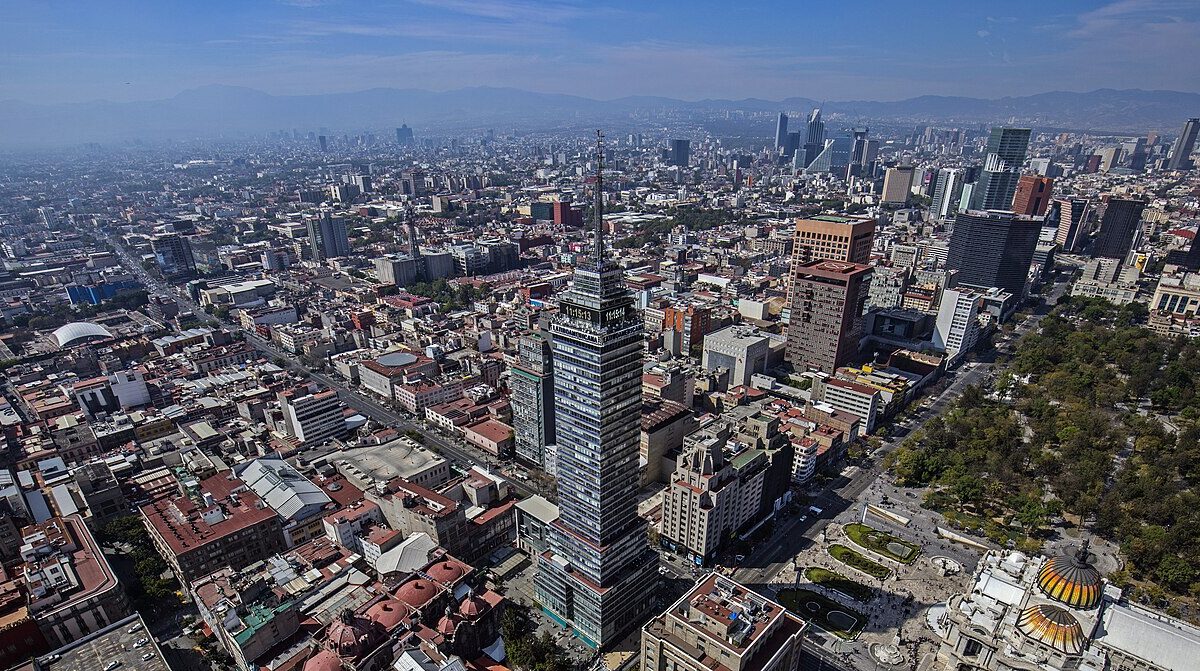
Best Time to Visit Mexico City
The optimal period to experience Mexico City in 2026 is from October to April. During these months, the city enjoys pleasant temperatures, minimal rainfall, and a vibrant atmosphere, making it ideal for exploration and cultural immersion.
Month-by-Month Weather Guide
| Month | Avg Temp (°F) | Rainfall (in) | Crowd Level | Hotel Price Level |
|---|---|---|---|---|
| January | 68 | 0.1 | Moderate | Moderate |
| February | 72 | 0.2 | Moderate | Moderate |
| March | 75 | 0.3 | Moderate to High | Moderate to High |
| April | 77 | 0.5 | High | High |
| May | 76 | 2.5 | Moderate | Moderate |
| June | 74 | 4.0 | Moderate | Moderate |
| July | 72 | 3.5 | Moderate | Moderate |
| August | 71 | 3.0 | Moderate | Moderate |
| September | 70 | 3.2 | Moderate to Low | Moderate to Low |
| October | 70 | 0.8 | Moderate | Moderate |
| November | 69 | 0.2 | Moderate | Moderate |
| December | 67 | 0.1 | High | High |
Peak Season
The peak tourist season in Mexico City generally spans from December to April, with a secondary surge around July and August. This period coincides with holidays such as Christmas, New Year’s, and Easter, as well as the dry, cooler winter months. Expect higher hotel prices, with average nightly rates potentially increasing by 30-50% compared to the off-season, and flight costs also reflecting higher demand. Attractions will be more crowded, and booking accommodations and popular tours well in advance is essential.
Pros of Peak Season:
- Pleasant, dry weather ideal for outdoor activities.
- Vibrant festive atmosphere during holiday periods.
- All attractions and services are fully operational.
Cons of Peak Season:
- Higher costs for flights and accommodation.
- Significant crowds at major tourist sites.
- Longer wait times for attractions and restaurants.
Shoulder Season (Best Value)
The shoulder seasons, typically May and September through November, offer an excellent balance of good weather and manageable crowds, presenting the best value for visitors. May sees the beginning of the rainy season, but showers are often brief and localized, usually occurring in the afternoon. September and October offer a transition back to drier conditions with mild temperatures. During these months, hotel prices can be 15-30% lower than during peak season, and flight deals may also be more prevalent. Crowd levels are moderate, allowing for a more relaxed exploration of the city’s numerous attractions.
Pros of Shoulder Season:
- More affordable travel costs.
- Fewer crowds at popular sites.
- Generally pleasant weather with occasional rain.
Cons of Shoulder Season:
- Potential for afternoon rain showers in May and September.
- Some outdoor activities might be slightly impacted by weather.
Off-Season / Budget Season
The off-season in Mexico City primarily falls within the heart of the rainy season, from June to August. While this period experiences the most rainfall, the precipitation is often characterized by heavy but short-lived afternoon thunderstorms, leaving mornings and evenings clear and pleasant. This offers a significant advantage for budget-conscious travelers, with hotel prices potentially 40-60% lower than during peak times and flight deals more readily available. Despite the rain, the city remains vibrant, and many cultural events continue as scheduled.
Pros of Off-Season:
- The lowest prices for flights and accommodation.
- Significantly fewer tourists, allowing for a more intimate experience.
- Lush green landscapes due to rainfall.
Cons of Off-Season:
- Higher chance of daily rainfall, primarily in the afternoons.
- Some outdoor activities may be limited by weather.
Best Time for Specific Activities
Sightseeing and Cultural Exploration:
For the best conditions for exploring historical sites, museums, and neighborhoods, target the dry months of October through April. The mild temperatures and low humidity are ideal for extensive walking tours.
Outdoor Activities and Parks:
Activities like visiting Chapultepec Park or exploring the canals of Xochimilco are best enjoyed during the drier periods. Consider November to March for the most consistently pleasant weather for outdoor pursuits.
Food Festivals and Culinary Experiences:
Mexico City is a culinary capital year-round. However, major food events often coincide with cultural celebrations. The period from September to November, post-summer and pre-winter holidays, often features a rich array of gastronomic festivals.
Cultural Events and Festivals:
The city buzzes with events throughout the year. For major national celebrations, consider September (Independence Day) or December (Christmas festivities). The Day of the Dead (early November) is a particularly poignant and visually stunning cultural experience. For a comprehensive overview of what to expect, consult our Mexico City travel guide.
Seasonal Price Comparison
| Season | Avg Hotel/Night (USD) | Avg Flight (Roundtrip USD) | Overall Cost Level |
|---|---|---|---|
| Peak Season (Dec-Apr, Jul-Aug) | $150 – $250+ | $400 – $650+ | High |
| Shoulder Season (May, Sep-Nov) | $100 – $180 | $350 – $550 | Moderate |
| Off-Season (Jun-Aug) | $80 – $140 | $300 – $500 | Low |

Kai has visited 60+ countries across 6 continents, with a obsession for one thing most travelers ignore: the real cost of getting there. Former budget backpacker turned data-driven travel writer, Kai breaks down destination costs so you can plan smarter — not just dream bigger. Based everywhere, from nowhere in particular.