Best Time to Visit Lima, Peru in 2026: Your Expert Planning Guide
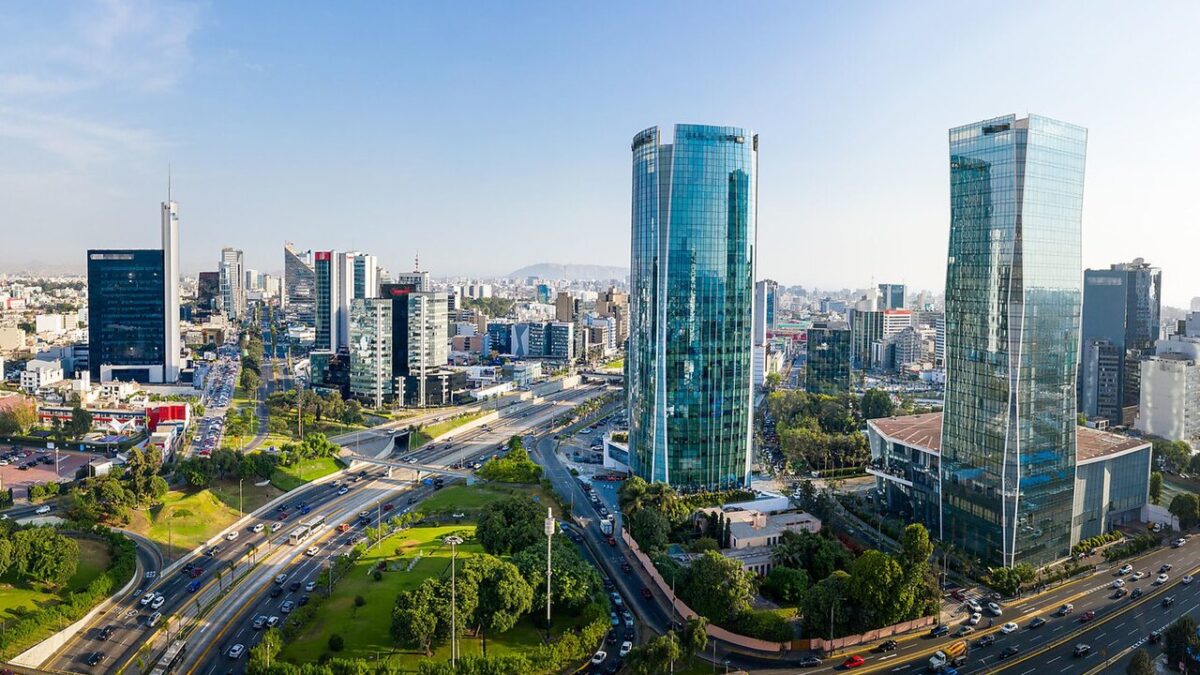
Best Time to Visit Lima
The optimal period to visit Lima, Peru, for pleasant weather and manageable crowds is typically from April to June and September to November. These months offer a comfortable climate and a balanced travel experience, avoiding the extremes of the rainy season and peak tourist influx.
Month-by-Month Weather Guide
| Month | Avg Temp (°C) | Rainfall (mm) | Crowd Level | Hotel Price Level |
|---|---|---|---|---|
| January | 24-28 | 0-5 | High | High |
| February | 25-29 | 0-5 | High | High |
| March | 24-28 | 0-5 | Medium-High | Medium-High |
| April | 23-27 | 0-5 | Medium | Medium |
| May | 21-25 | 0-5 | Medium | Medium |
| June | 19-23 | 0-5 | Medium | Medium |
| July | 18-22 | 0-5 | Medium | Medium |
| August | 18-22 | 0-5 | Medium | Medium |
| September | 19-23 | 0-5 | Medium | Medium |
| October | 20-24 | 0-5 | Medium | Medium |
| November | 21-25 | 0-5 | Medium-High | Medium-High |
| December | 23-27 | 0-5 | High | High |
Peak Season
The peak tourist season in Lima generally spans from December to March. During these months, the weather is warmest and sunniest, making it attractive for visitors. Expect higher crowd levels at popular attractions and in tourist-heavy districts like Miraflores and Barranco. Hotel prices and flight costs can increase by 20-30% compared to the shoulder or off-season.
Pros of Peak Season:
- Warmest and sunniest weather.
- All tourist facilities and attractions are fully operational.
- Vibrant atmosphere with numerous events and festivals.
Cons of Peak Season:
- Higher prices for accommodation and flights.
- Larger crowds at major sights, potentially leading to longer wait times.
- Less availability for popular hotels and tours.
Shoulder Season (Best Value)
The shoulder seasons, from April to June and September to November, offer the best balance of favorable weather and value for money. Temperatures are mild and pleasant, with minimal rainfall. Crowd levels are moderate, allowing for a more relaxed exploration of the city. This period presents an excellent opportunity to save on travel expenses.
Weather in Shoulder Season:
Temperatures hover between 19°C and 27°C (66°F and 81°F), with clear skies and low humidity. Occasional light drizzles are possible but rare.
Crowd Levels and Savings:
Expect fewer tourists than during the peak summer months, resulting in a more intimate travel experience. Hotel rates and flight prices can be 10-20% lower than during the peak season, providing significant savings.
Off-Season / Budget Season
While Lima does not experience a severe off-season due to its desert climate, the months of July and August can be considered the least crowded and potentially the cheapest for travel. The primary trade-off is the cooler, more overcast weather, often characterized by a persistent coastal fog known as “garúa.”
Weather Considerations:
Average temperatures range from 18°C to 22°C (64°F to 72°F). The garúa can reduce visibility and make the city feel cooler and more humid, though actual rainfall remains minimal. This weather is ideal for indoor activities and enjoying Lima’s culinary scene.
Hidden Advantages:
- Significantly lower prices for flights and accommodation, potentially saving 25-35% compared to peak season.
- Fewer tourists at museums, archaeological sites, and restaurants.
- A more authentic experience with more interaction with locals.
Best Time for Specific Activities
Sightseeing and Cultural Exploration:
The shoulder seasons (April-June and September-November) are ideal for exploring Lima’s historical center, museums, and archaeological sites. The mild weather and moderate crowds enhance the experience.
Outdoor Activities and Coastal Walks:
For pleasant walks along the Malecón in Miraflores or exploring the coastal cliffs, the warmer months of December to March offer the most sunshine. However, the shoulder months are also very suitable.
Culinary Experiences and Food Festivals:
Lima is a year-round culinary destination. However, to fully enjoy outdoor markets and potentially catch specific food festivals, the warmer, drier months (December-March) are often preferred. For a more relaxed gastronomic tour without the peak crowds, consider the shoulder months.
Cultural Events and Festivals:
While specific dates vary annually, many major cultural events and festivals tend to occur during the warmer months (December-March) when visitor numbers are highest. Research specific event calendars for 2026 closer to your travel dates.
Seasonal Price Comparison
| Season | Avg Hotel/Night (USD) | Avg Flight (Round Trip, USD) | Overall Cost Level |
|---|---|---|---|
| Peak Season (Dec-Feb) | $150 – $250 | $800 – $1200 | High |
| Shoulder Season (Apr-Jun, Sep-Nov) | $120 – $180 | $650 – $950 | Medium |
| Off-Season (Jul-Aug) | $100 – $150 | $600 – $850 | Low |
This comprehensive guide should assist in planning your visit to Lima. For more detailed information on attractions and activities, consult our Lima travel guide.

Kai has visited 60+ countries across 6 continents, with a obsession for one thing most travelers ignore: the real cost of getting there. Former budget backpacker turned data-driven travel writer, Kai breaks down destination costs so you can plan smarter — not just dream bigger. Based everywhere, from nowhere in particular.