The Ultimate Guide: Best Time to Visit Lagos, Nigeria in 2026
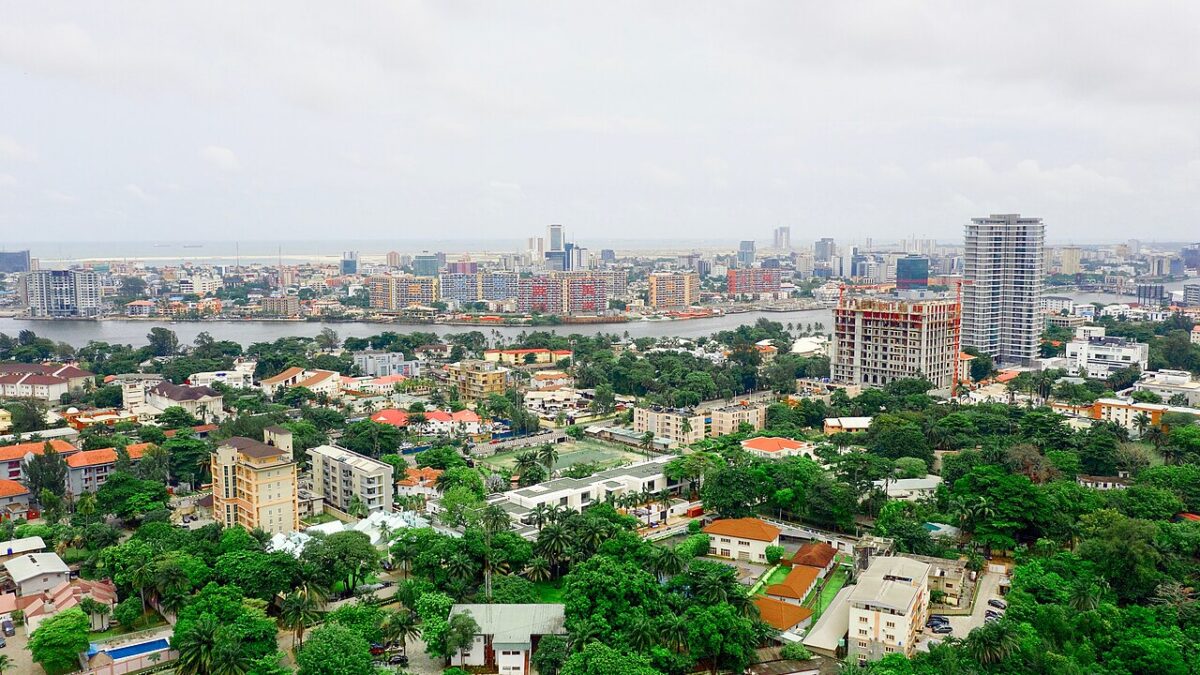
Best Time to Visit Lagos
The optimal period to visit Lagos, Nigeria in 2026 is generally between November and March. This timeframe offers the most favorable weather conditions, characterized by lower humidity and pleasant temperatures, making it ideal for exploring the vibrant city and its surroundings.
Month-by-Month Weather Guide
| Month | Avg Temp (°C) | Rainfall (mm) | Crowd Level | Hotel Price Level |
|---|---|---|---|---|
| January | 29 | 10 | Moderate | $$$ |
| February | 30 | 25 | Moderate | $$$ |
| March | 30 | 80 | Moderate to High | $$$ |
| April | 29 | 150 | Moderate | $$ |
| May | 28 | 200 | Low | $ |
| June | 27 | 250 | Low | $ |
| July | 26 | 280 | Low | $ |
| August | 26 | 250 | Low | $ |
| September | 27 | 200 | Low to Moderate | $$ |
| October | 28 | 120 | Moderate | $$ |
| November | 29 | 40 | Moderate | $$$ |
| December | 29 | 15 | High | $$$$ |
Peak Season
The peak tourist season in Lagos generally spans from December to February. During these months, the weather is at its most pleasant, with lower humidity and comfortable temperatures, making it an attractive time for both local and international visitors. Expect a significant increase in crowd levels, particularly around public holidays like Christmas and New Year’s. Hotel prices and flight costs will also see a substantial rise, often by 30-50% compared to the off-season.
Pros of Peak Season:
- Optimal weather conditions for outdoor activities and sightseeing.
- Vibrant atmosphere with numerous events and festivities.
- Higher availability of tours and excursions.
Cons of Peak Season:
- Higher costs for accommodation and transportation.
- Increased crowds at popular attractions, leading to longer waiting times.
- Potential for a less authentic, more commercialized experience.
Shoulder Season (Best Value)
The shoulder seasons, typically April to May and September to October, offer a compelling balance of good weather and reduced costs. While you might encounter occasional rainfall, especially in April, May, September, and October, the humidity is generally lower than during the wet season. Crowd levels are moderate, allowing for a more relaxed exploration of the city. This period presents an excellent opportunity to save money on flights and accommodation, with hotel prices potentially dropping by 15-25% compared to the peak season.
Pros of Shoulder Season:
- More affordable travel expenses.
- Fewer crowds at tourist sites.
- Still pleasant weather for many activities.
Cons of Shoulder Season:
- Slightly higher chance of rain.
- Some seasonal events may not be available.
Off-Season / Budget Season
The off-season, from June to August, is characterized by the highest rainfall and humidity levels. Daily temperatures remain warm, but the persistent rain can disrupt outdoor plans. This period, however, presents the most significant savings for budget-conscious travelers. Hotel prices can be as much as 40-60% lower than during peak season, and flight deals are more readily available. Despite the weather, the city remains operational, and there are advantages to visiting during this quieter period.
Hidden Advantages of Off-Season:
- Substantial cost savings on travel and accommodation.
- A more local and less tourist-centric experience.
- Opportunities to discover unique indoor attractions and culinary experiences.
Best Time for Specific Activities
Sightseeing and Historical Exploration:
The dry season, from November to March, is ideal for exploring Lagos’s historical sites and landmarks. The pleasant weather ensures comfortable city tours. Consider visiting the National Museum Lagos, the Nigerian National Art Gallery, and the historic areas of Badagry during this period.
Outdoor Activities and Beach Visits:
For beach activities and outdoor excursions, the months of December to February offer the best conditions. The humidity is low, and the temperatures are warm, perfect for enjoying the coastline. Popular spots include Tarkwa Bay Beach and Eleko Beach.
Food Festivals and Culinary Experiences:
Lagos is a culinary hub, and while food experiences are available year-round, the drier months of November to February often coincide with more outdoor food markets and festivals. Exploring local street food and upscale restaurants is enjoyable in milder weather.
Cultural Events and Performances:
While specific event dates vary annually, the period between November and March often sees a higher concentration of cultural festivals, music performances, and art exhibitions. Checking local event listings closer to your travel date is recommended. For a comprehensive overview of what Lagos has to offer, consult our Lagos travel guide.
Seasonal Price Comparison
| Season | Avg Hotel/Night (USD) | Avg Flight (Roundtrip, USD) | Overall Cost Level |
|---|---|---|---|
| Peak Season (Dec-Feb) | $150 – $250 | $900 – $1300 | High |
| Shoulder Season (Apr-May, Sep-Oct) | $100 – $170 | $700 – $950 | Medium |
| Off-Season (Jun-Aug) | $80 – $130 | $600 – $800 | Low |

Kai has visited 60+ countries across 6 continents, with a obsession for one thing most travelers ignore: the real cost of getting there. Former budget backpacker turned data-driven travel writer, Kai breaks down destination costs so you can plan smarter — not just dream bigger. Based everywhere, from nowhere in particular.