The Ultimate Guide to the Best Time to Visit La Paz, Bolivia in 2026
Best Time to Visit La Paz
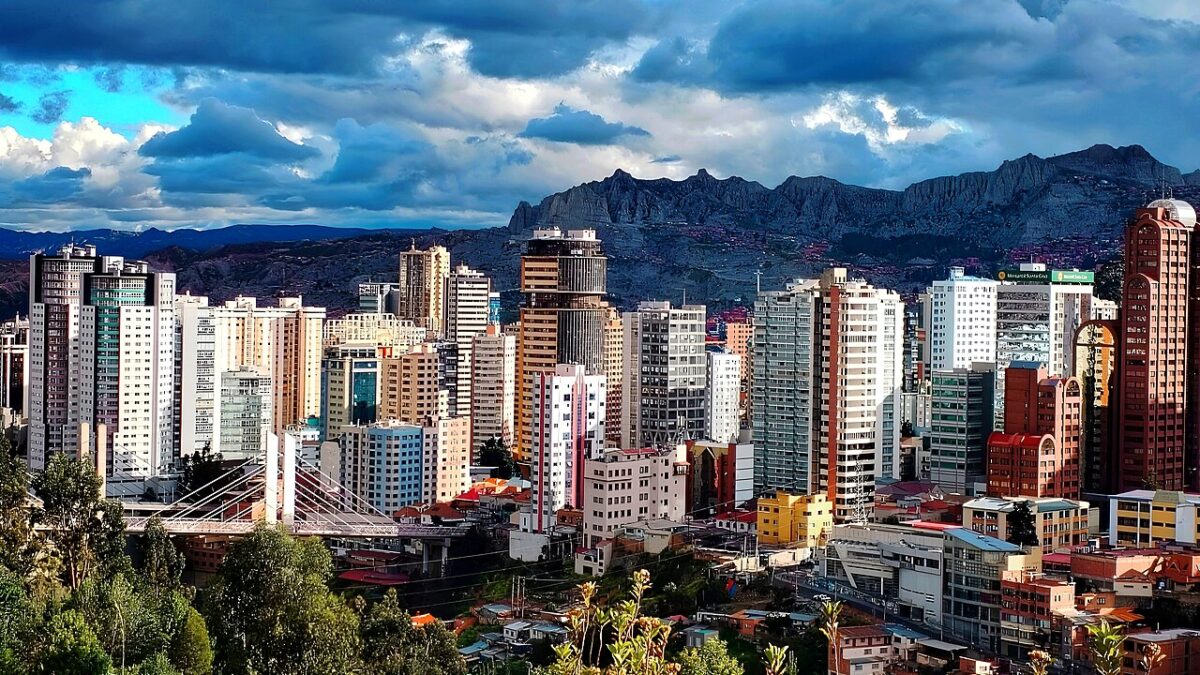
The optimal period to visit La Paz, Bolivia, in 2026 is during the dry season, specifically from April to October. This timeframe offers the most favorable weather conditions for exploring the city and its surroundings.
Month-by-Month Weather Guide
| Month | Avg Temp (°C) | Rainfall (mm) | Crowd Level | Hotel Price Level |
|---|---|---|---|---|
| January | 10-12 | 100-150 | Moderate | $$ |
| February | 10-12 | 120-170 | Moderate | $$ |
| March | 10-12 | 70-100 | Moderate | $$ |
| April | 9-11 | 20-40 | Low | $ |
| May | 8-10 | 10-20 | Low | $ |
| June | 7-9 | 5-15 | Low | $ |
| July | 6-8 | 5-10 | Low | $ |
| August | 7-9 | 10-20 | Low | $ |
| September | 9-11 | 20-40 | Moderate | $$ |
| October | 10-12 | 30-50 | Moderate | $$ |
| November | 10-12 | 50-80 | Moderate | $$ |
| December | 10-12 | 70-100 | Moderate | $$ |
Peak Season
The peak season for visiting La Paz generally falls within the dry months of June, July, and August. During this period, you can expect clear skies, minimal rainfall, and pleasant daytime temperatures, though evenings can become quite cold. This is also when tourist numbers are highest, leading to increased demand for accommodation and tours.
What to Expect:
- Weather: Dry, sunny days with cool to cold nights. Altitude sickness is a significant consideration, regardless of the season.
- Crowds: Higher numbers of international and domestic tourists. Popular attractions may be more crowded.
- Prices: Hotel prices can increase by 20-30% compared to the off-season. Flight prices may also see a moderate increase.
Pros:
- Optimal weather for outdoor activities and sightseeing.
- Best visibility for stunning mountain vistas.
- More availability of guided tours and activities.
Cons:
- Higher travel costs.
- Potentially crowded attractions.
- Need to book accommodations and flights well in advance.
Shoulder Season (Best Value)
The shoulder seasons, encompassing April, May, September, and October, offer an excellent balance between favorable weather and manageable crowds, making them ideal for budget-conscious travelers seeking the best value. While occasional light showers may occur, they are typically brief and do not significantly disrupt travel plans.
Weather Quality:
Daytime temperatures remain comfortable for exploration, and the risk of heavy rainfall is considerably lower than during the wet season. The landscape is often still vibrant from recent rains.
Crowd Levels:
Tourist numbers are lower than during the peak season, leading to a more relaxed experience at popular sites. This allows for more authentic interactions and less waiting time.
Savings vs. Peak:
Travelers can expect hotel prices to be 10-20% lower than during the peak months. Flight prices may also be more competitive. This period provides an opportunity to experience La Paz with more comfort and less expense.
Off-Season / Budget Season
The off-season, characterized by the wet season from November to March, presents the lowest prices for travel to La Paz. This period experiences the most rainfall, with heavier downpours often occurring in the afternoon.
Weather Trade-offs:
While the increased rainfall can sometimes lead to travel disruptions, particularly for remote excursions, the city itself remains accessible. Temperatures are generally mild, but cloud cover can be more prevalent, potentially obscuring some of the renowned panoramic views.
Hidden Advantages:
- Significantly lower hotel and flight prices, often 30-40% cheaper than peak season.
- Fewer tourists mean a more intimate experience of local culture and attractions.
- Opportunities to witness the dramatic landscapes during and after rainfall, offering a unique perspective.
- Local festivals might be more accessible and authentic.
Despite the weather, many of La Paz’s indoor attractions and cultural experiences remain fully enjoyable.
Best Time for Specific Activities
Sightseeing:
The dry season, from April to October, is paramount for general sightseeing. The clear skies provide unparalleled views of the city’s dramatic topography and surrounding Andes. Specific months like July and August offer the most consistently clear weather.
Outdoor Activities:
For activities such as hiking in the nearby Cordillera Real, visiting Valle de la Luna, or exploring the Yungas region, the dry season (April to October) is highly recommended. Months with the least rainfall, June to August, are ideal for minimizing the risk of trail closures or difficult conditions.
Food Festivals:
While specific dates can vary, many local food-centric events occur throughout the year. However, the shoulder seasons of April-May and September-October often coincide with harvest celebrations and culinary events, offering a good chance to sample regional delicacies with pleasant weather.
Cultural Events:
Major cultural celebrations, such as the Alasitas Fair (late January/early February) and the Gran Poder festival (typically late May/early June), occur regardless of the season. For a more comprehensive understanding of local traditions, consider visiting during these times. However, for general cultural immersion without the intense crowds of major festivals, the shoulder seasons are excellent.
For detailed information on planning your trip, consult our comprehensive La Paz travel guide.
Seasonal Price Comparison
| Season | Avg Hotel/Night (USD) | Avg Flight (Roundtrip, USD) | Overall Cost Level |
|---|---|---|---|
| Peak Season (June-August) | $70 – $110 | $800 – $1200 | High |
| Shoulder Season (April-May, September-October) | $55 – $85 | $700 – $1000 | Medium |
| Off-Season (November-March) | $40 – $70 | $600 – $900 | Low |

Kai has visited 60+ countries across 6 continents, with a obsession for one thing most travelers ignore: the real cost of getting there. Former budget backpacker turned data-driven travel writer, Kai breaks down destination costs so you can plan smarter — not just dream bigger. Based everywhere, from nowhere in particular.