The Ultimate Guide to the Best Time to Visit Kotor, Montenegro in 2026
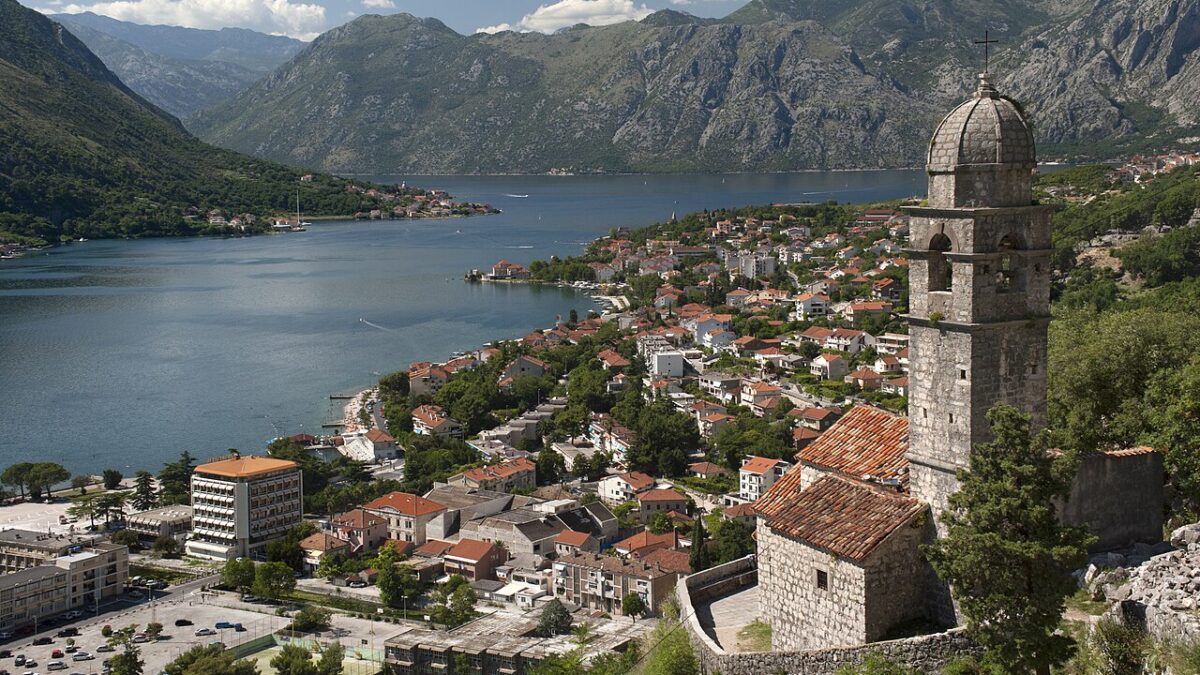
Best Time to Visit Kotor
The optimal months to visit Kotor, Montenegro in 2026 are from May to June and September to October. These periods offer a harmonious blend of pleasant weather, manageable crowds, and reasonable prices, making them ideal for experiencing the full charm of this historic coastal town.
Month-by-Month Weather Guide
| Month | Avg Temp (°C) | Rainfall (mm) | Crowd Level | Hotel Price Level |
|---|---|---|---|---|
| January | 8 | 120 | Very Low | Low |
| February | 9 | 100 | Very Low | Low |
| March | 12 | 90 | Low | Low |
| April | 16 | 80 | Moderate | Moderate |
| May | 20 | 60 | Moderate | Moderate |
| June | 24 | 40 | High | High |
| July | 27 | 30 | Very High | Very High |
| August | 27 | 40 | Very High | Very High |
| September | 24 | 70 | High | High |
| October | 20 | 110 | Moderate | Moderate |
| November | 15 | 130 | Low | Low |
| December | 10 | 140 | Low | Low |
Peak Season
The peak tourist season in Kotor spans from June to August. During these months, Montenegro experiences its warmest weather, with average temperatures ranging from 24°C to 27°C. The sea is at its most inviting for swimming and water sports. However, this period also sees the highest concentration of tourists, leading to crowded streets, popular attractions, and significantly increased prices for accommodation and flights. Expect hotel rates to be 50-70% higher than in the shoulder or off-season.
Pros of Peak Season:
- Warmest weather, ideal for beach activities and swimming.
- Vibrant atmosphere with numerous events and festivals.
- All tourist facilities and attractions are fully operational.
Cons of Peak Season:
- The most expensive time to visit.
- Significant crowds at popular sites, potentially impacting the experience.
- Higher temperatures may be uncomfortable for extensive walking or hiking.
Shoulder Season (Best Value)
The shoulder seasons, encompassing April to May and September to October, represent the sweet spot for visiting Kotor in 2026. These months offer a delightful balance of agreeable weather and fewer crowds. Average temperatures hover between 16°C and 24°C, perfect for exploring the Old Town, hiking the fortress walls, and enjoying boat trips without the intense heat of summer. Hotel prices are typically 20-30% lower than during the peak season, and flight costs also tend to be more competitive.
Pros of Shoulder Season:
- Pleasant temperatures for sightseeing and outdoor activities.
- Fewer tourists, allowing for a more relaxed and authentic experience.
- Better value for money on accommodation and flights.
- The sea is still warm enough for swimming in late May and early September.
Cons of Shoulder Season:
- Slightly cooler temperatures than peak summer, especially in the evenings.
- Some smaller tourist-oriented businesses might have reduced hours in October.
Off-Season / Budget Season
The off-season in Kotor runs from November to March. This period is characterized by cooler temperatures, with averages ranging from 8°C to 12°C, and higher rainfall. While not ideal for beach holidays, it offers a unique opportunity for budget-conscious travelers and those seeking a tranquil experience. Attractions are less crowded, and you can often find the lowest prices for flights and accommodation, potentially 60-80% cheaper than in peak season. The historic atmosphere of the Old Town can be particularly captivating without the summer throngs.
Pros of Off-Season:
- The lowest prices for travel and accommodation.
- Minimal crowds, offering an intimate experience of Kotor’s history and culture.
- Opportunity to experience local life more authentically.
Cons of Off-Season:
- Colder weather and higher chance of rain.
- Limited outdoor activities, and some attractions may have reduced operating hours or be closed.
- The sea is too cold for swimming.
Best Time for Specific Activities
Sightseeing (Old Town, Fortifications):
For the best experience exploring Kotor’s UNESCO World Heritage sites, including the medieval Old Town and the climb to the San Giovanni Fortress, the shoulder months of April, May, September, and October are ideal. The temperatures are moderate, making the strenuous climb more comfortable, and the reduced crowds enhance the historical immersion.
Outdoor Activities (Hiking, Boat Trips):
Late spring (May and early June) and early autumn (September) provide excellent conditions for hiking in the surrounding mountains and enjoying boat excursions on the Bay of Kotor. The weather is warm enough for comfortable outdoor pursuits, with longer daylight hours and calmer seas.
Food Festivals and Cultural Events:
While Kotor hosts events year-round, the summer months (June to August) often feature the most vibrant array of local festivals, seafood celebrations, and open-air concerts. For a more curated cultural experience, consider visiting in late spring or early autumn when local events often coincide with pleasant weather.
Swimming and Beach Activities:
The peak summer months of July and August offer the warmest sea temperatures and the most reliable sunshine for swimming and enjoying the limited local beaches. While crowded, this is when the Adriatic is at its most inviting for water-based leisure.
Seasonal Price Comparison
| Season | Avg Hotel/Night (USD) | Avg Flight (Round Trip, USD) | Overall Cost Level |
|---|---|---|---|
| Peak Season (June-August) | $180 – $350+ | $800 – $1500+ | Very High |
| Shoulder Season (April-May, Sept-Oct) | $100 – $200 | $600 – $1000 | Moderate to High |
| Off-Season (November-March) | $60 – $120 | $500 – $800 | Low |
For a comprehensive overview of what Kotor has to offer, consult our detailed Kotor travel guide.

Kai has visited 60+ countries across 6 continents, with a obsession for one thing most travelers ignore: the real cost of getting there. Former budget backpacker turned data-driven travel writer, Kai breaks down destination costs so you can plan smarter — not just dream bigger. Based everywhere, from nowhere in particular.