The Ultimate Guide to the Best Time to Visit Ho Chi Minh City in 2026
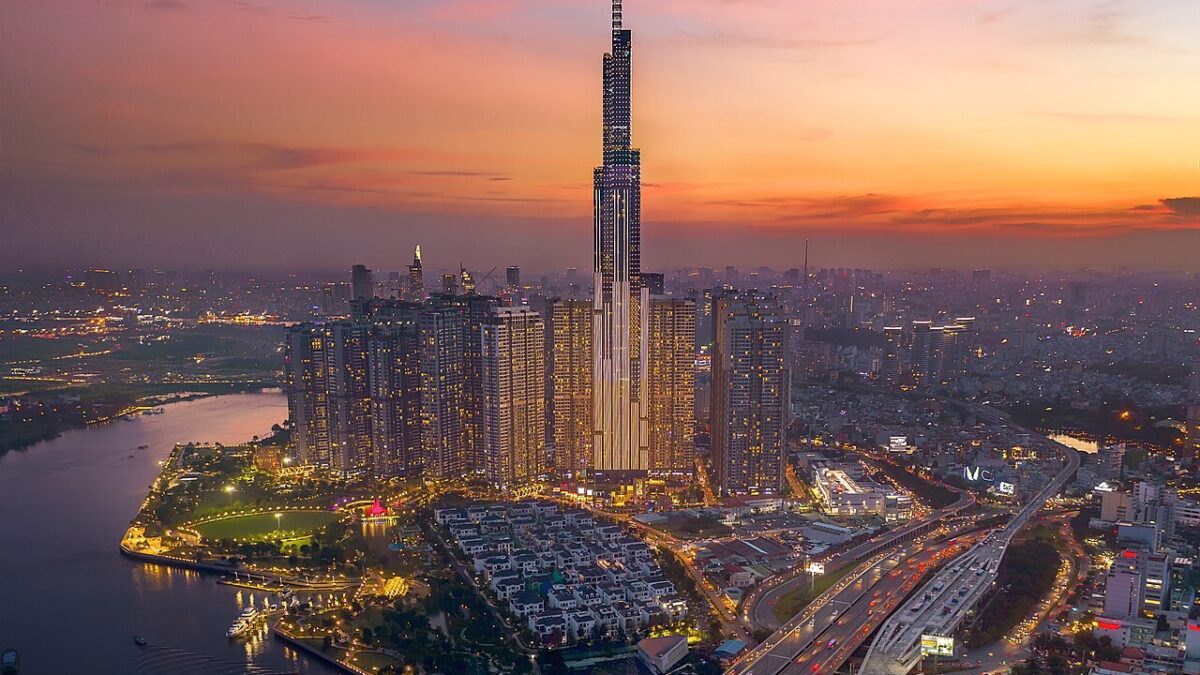
Best Time to Visit Ho Chi Minh City
The optimal period for visiting Ho Chi Minh City in 2026 is during the dry season, specifically from December to April. These months offer pleasant temperatures and significantly less rainfall, making exploration more enjoyable.
Month-by-Month Weather Guide
| Month | Avg Temp (°C) | Rainfall (mm) | Crowd Level | Hotel Price Level |
|---|---|---|---|---|
| January | 26 | 15 | High | High |
| February | 27 | 10 | High | High |
| March | 29 | 40 | Medium | Medium-High |
| April | 30 | 80 | Medium | Medium-High |
| May | 29 | 170 | Low | Low |
| June | 28 | 240 | Low | Low |
| July | 28 | 250 | Low | Low |
| August | 28 | 220 | Low | Low |
| September | 28 | 190 | Low | Low |
| October | 28 | 150 | Medium-Low | Medium-Low |
| November | 27 | 80 | Medium | Medium |
| December | 26 | 30 | High | High |
Peak Season
The peak tourist season in Ho Chi Minh City spans from December to February. During these months, the weather is at its most pleasant, characterized by lower humidity and minimal rainfall. This period coincides with major holidays like Christmas and Lunar New Year (Tet), attracting a significant influx of both international and domestic travelers.
Expect higher accommodation prices, with hotels potentially increasing rates by 30-50% compared to the off-season. Flight tickets will also be at their most expensive. Attractions will be more crowded, requiring patience and potentially pre-booking for popular sites.
Pros:
- Ideal weather conditions for outdoor exploration.
- Vibrant festive atmosphere, especially around holidays.
- Full range of tourist services and activities available.
Cons:
- Highest prices for flights and accommodation.
- Larger crowds at popular tourist destinations.
- Tet holiday (usually late January or early February) can lead to some businesses closing temporarily.
Shoulder Season (Best Value)
The shoulder seasons, offering a balance of good weather and value, are March to April and October to November. March and April mark the transition from the dry to the wet season, with temperatures rising but rainfall still relatively manageable. October and November see the end of the rainy season, with decreasing rainfall and comfortable temperatures.
During these periods, you can expect hotel prices to be around 15-30% lower than during peak season. Flight prices may also see a slight reduction. Crowds are moderate, allowing for a more relaxed experience at attractions.
Pros:
- Good weather for sightseeing with fewer crowds than peak season.
- More competitive pricing for flights and accommodation.
- Opportunity to experience local life with less tourist saturation.
Cons:
- Temperatures can be warmer in March and April.
- A slight chance of rain, particularly in the late afternoons.
Off-Season / Budget Season
The off-season, or budget season, in Ho Chi Minh City runs from May to September. This period is characterized by the monsoon season, bringing frequent and heavy rainfall, often in short, intense bursts, typically in the afternoon. While the rain can be a deterrent, it also brings lush greenery and fewer tourists.
This is the cheapest time to visit, with hotel prices potentially dropping by 40-60% compared to peak season. Flights can also be significantly cheaper. The advantage is having major attractions largely to yourself and experiencing a more authentic, less commercialized city.
Pros:
- Lowest prices for flights and accommodation.
- Very few tourists, allowing for an intimate experience.
- Lush landscapes due to the abundant rainfall.
- Great for indoor activities like visiting museums and enjoying the culinary scene.
Cons:
- Frequent and heavy rainfall can disrupt outdoor plans.
- High humidity levels can be uncomfortable for some.
- Some outdoor activities might be limited.
Best Time for Specific Activities
Sightseeing and Historical Exploration:
For optimal sightseeing and exploring historical landmarks like the War Remnants Museum, Independence Palace, and Notre Dame Cathedral, the dry months of December to April are ideal. The pleasant weather ensures comfortable walking tours and outdoor exploration.
Outdoor Activities and Day Trips:
Activities such as visiting the Cu Chi Tunnels or taking a Mekong Delta tour are best enjoyed during the dry season, from December to April. While possible year-round, the reduced rainfall makes boat trips and walking tours more pleasant.
Food Festivals and Culinary Experiences:
Ho Chi Minh City is a culinary hub year-round. However, to experience local food festivals and street food tours with comfortable weather, aim for the dry season (December to April). The cooler evenings are perfect for indulging in the city’s vibrant food scene.
Cultural Events:
While Tet (Lunar New Year) is a major cultural event often falling in late January or early February, it can also mean temporary closures. For a broader cultural experience without the Tet closures, consider visiting during the shoulder months of March, April, October, or November when local life is active, and cultural sites are fully operational.
For a comprehensive overview of what to expect and plan, consult our Ho Chi Minh City travel guide.
Seasonal Price Comparison
| Season | Avg Hotel/Night (USD) | Avg Flight (Round Trip, USD) | Overall Cost Level |
|---|---|---|---|
| Peak Season (Dec-Feb) | $80 – $150+ | $900 – $1500+ | Very High |
| Shoulder Season (Mar-Apr, Oct-Nov) | $60 – $100 | $700 – $1100 | Medium |
| Off-Season (May-Sep) | $40 – $70 | $600 – $900 | Low |

Kai has visited 60+ countries across 6 continents, with a obsession for one thing most travelers ignore: the real cost of getting there. Former budget backpacker turned data-driven travel writer, Kai breaks down destination costs so you can plan smarter — not just dream bigger. Based everywhere, from nowhere in particular.