The Ultimate Guide: Best Time to Visit Geneva in 2026
Best Time to Visit Geneva
The optimal periods to visit Geneva, Switzerland in 2026 are during the late spring (May to June) and early autumn (September to October). These months offer a harmonious blend of pleasant weather, manageable crowds, and reasonable pricing, providing an ideal setting for exploring the city’s attractions and surrounding natural beauty.
Month-by-Month Weather Guide
| Month | Avg Temp (°C) | Rainfall (mm) | Crowd Level | Hotel Price Level |
|---|---|---|---|---|
| January | 2 | 70 | Low | Low |
| February | 3 | 60 | Low | Low |
| March | 7 | 70 | Low-Medium | Low-Medium |
| April | 11 | 80 | Medium | Medium |
| May | 15 | 90 | Medium-High | Medium-High |
| June | 19 | 90 | High | High |
| July | 22 | 100 | Peak | Peak |
| August | 21 | 100 | Peak | Peak |
| September | 17 | 80 | High | High |
| October | 13 | 80 | Medium-High | Medium-High |
| November | 7 | 80 | Medium | Medium |
| December | 3 | 70 | Medium | Medium-High |
Peak Season
The peak tourist season in Geneva spans the summer months of July and August. During this period, the city experiences its warmest weather, with average temperatures around 21-22°C, making it ideal for outdoor activities and enjoying Lake Geneva. However, this popularity leads to significantly higher crowd levels, with attractions and public spaces often bustling. Consequently, hotel prices and flight costs can surge by 30-50% compared to the off-season.
Pros:
- Warmest and most stable weather for outdoor pursuits.
- Longer daylight hours.
- Vibrant atmosphere with numerous events and festivals.
Cons:
- Highest prices for accommodation and travel.
- Largest crowds, potentially leading to longer wait times at attractions.
- Less availability for popular hotels and tours.
Shoulder Season (Best Value)
The shoulder seasons, specifically May, June, September, and October, represent the sweet spot for visiting Geneva, offering a compelling balance of good weather and value. In May and June, temperatures gradually warm up, averaging 15-19°C, with increasing sunshine and blooming flora. September and October provide crisp autumn air, with temperatures ranging from 13-17°C, and stunning fall foliage. Crowd levels are moderate, allowing for a more relaxed exploration of the city. Hotel prices and flight fares typically see a moderate increase, around 10-20% above off-season rates, making it an attractive option for budget-conscious travelers seeking quality experiences.
Pros:
- Pleasant temperatures suitable for sightseeing and outdoor activities.
- Fewer crowds than peak summer, allowing for a more enjoyable experience.
- More reasonable prices for flights and accommodation compared to peak season.
- Beautiful natural scenery, especially in autumn.
Cons:
- Weather can be more unpredictable than in mid-summer, with a higher chance of rain.
- Some outdoor activities might be limited by cooler temperatures towards the end of October.
Off-Season / Budget Season
The off-season in Geneva encompasses the winter months, from November to March. During this period, temperatures are cold, with averages around 2-7°C, and daylight hours are significantly shorter. Snowfall is common, particularly in higher elevations around the lake, offering opportunities for winter sports enthusiasts. Crowd levels are at their lowest, making it the most budget-friendly time to visit. Hotel prices and flight costs can be as much as 40-60% lower than during the peak season.
Pros:
- Lowest prices for flights and accommodation, offering significant savings.
- Minimal crowds, providing an intimate experience of the city.
- Opportunity to enjoy winter activities and festive Christmas markets (late November-December).
Cons:
- Cold weather with limited daylight hours can restrict outdoor activities.
- Some attractions may have reduced operating hours or be closed.
- The natural scenery may be less vibrant compared to other seasons.
Best Time for Specific Activities
Sightseeing:
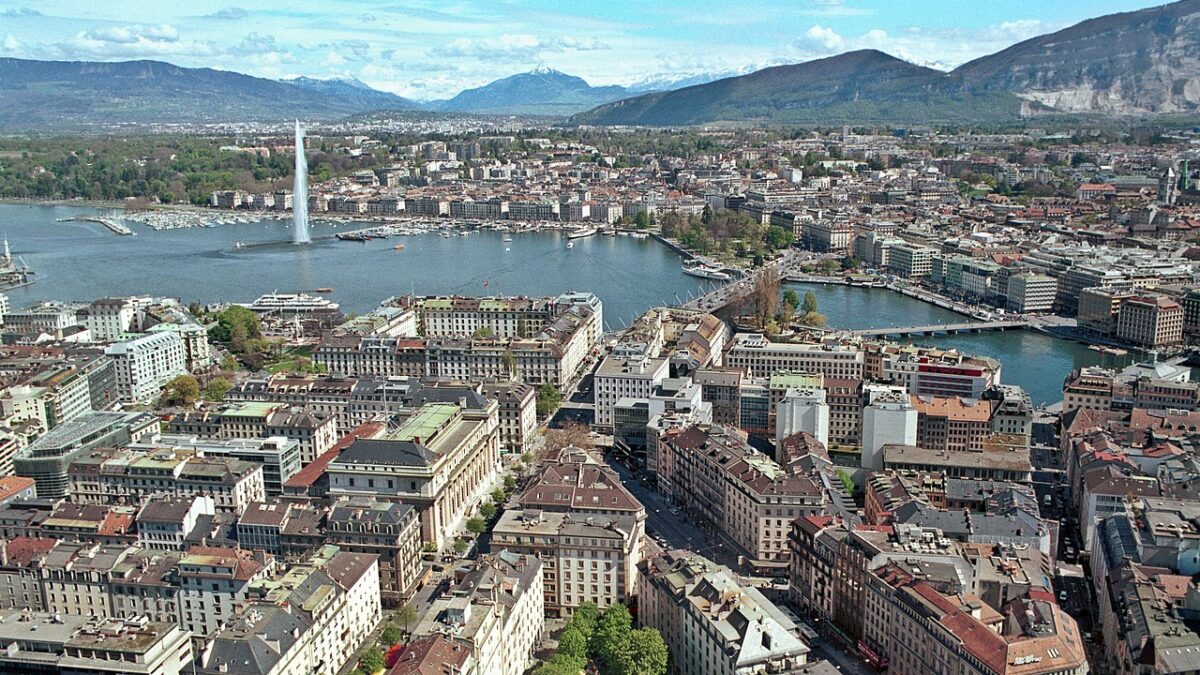
For general sightseeing, including iconic landmarks like the Jet d’Eau, the United Nations Office at Geneva, and the Old Town, the shoulder seasons of April to June and September to October are ideal. The weather is generally pleasant, and while crowds increase in June, they are manageable.
Outdoor Activities:
The best time for outdoor activities such as hiking in the nearby Alps, cycling along Lake Geneva, or enjoying water sports is from late May to September. During these months, temperatures are warm and stable, and daylight hours are long.
Food Festivals and Cultural Events:
Geneva hosts various food festivals and cultural events throughout the year. The spring (April-May) and autumn (September-October) often feature harvest festivals and culinary events. The Christmas season (late November-December) is renowned for its festive markets and related activities. For specific event dates in 2026, consult the Geneva travel guide closer to your travel dates.
Winter Sports:
For those interested in skiing and snowboarding in the nearby Jura Mountains or Swiss Alps, the winter months from December to March are the prime time. Snow conditions are typically at their best during this period.
Seasonal Price Comparison
| Season | Avg Hotel/Night (USD) | Avg Flight (USD) | Overall Cost Level |
|---|---|---|---|
| Peak Season (July-August) | $250 – $450 | $900 – $1400 | High |
| Shoulder Season (April-June, Sept-Oct) | $180 – $300 | $700 – $1100 | Medium |
| Off-Season (Nov-March) | $120 – $220 | $500 – $800 | Low |

Kai has visited 60+ countries across 6 continents, with a obsession for one thing most travelers ignore: the real cost of getting there. Former budget backpacker turned data-driven travel writer, Kai breaks down destination costs so you can plan smarter — not just dream bigger. Based everywhere, from nowhere in particular.