The Ultimate Guide to the Best Time to Visit Chicago in 2026
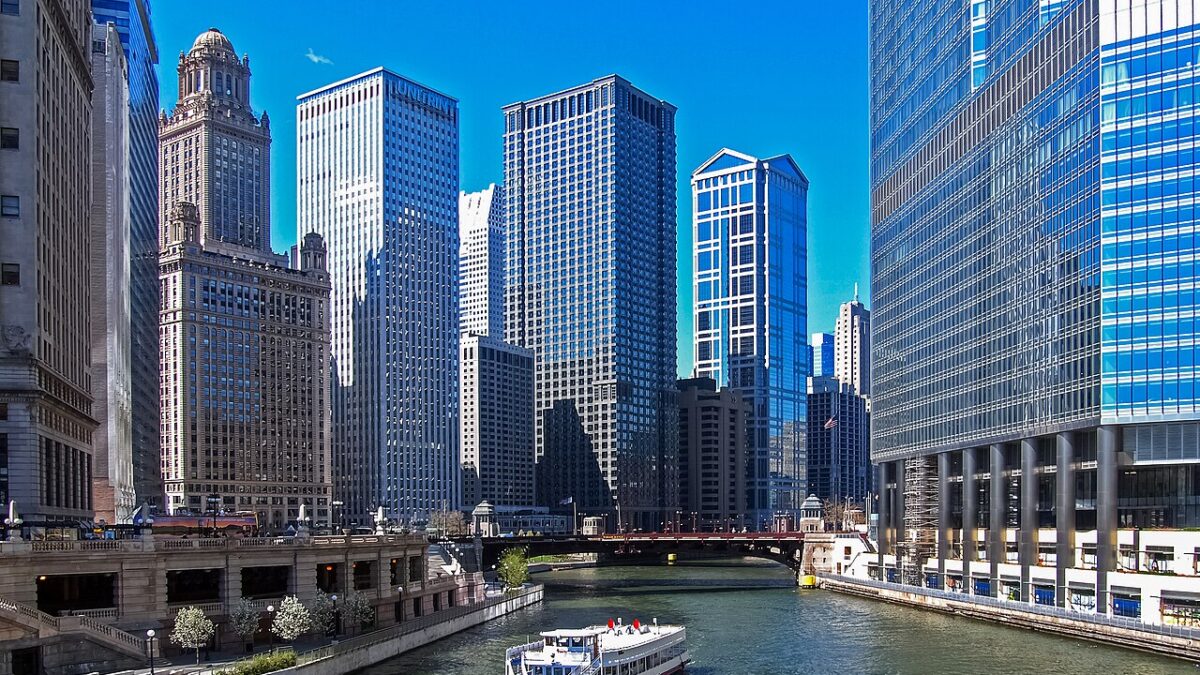
Best Time to Visit Chicago
The optimal times to visit Chicago in 2026 are during the late spring (May-June) and early autumn (September-October). These periods offer a delightful balance of pleasant weather, manageable crowds, and attractive pricing, making them ideal for experiencing all that the Windy City has to offer.
Month-by-Month Weather Guide
| Month | Avg Temp (°F) | Rainfall (in) | Crowd Level | Hotel Price Level |
|---|---|---|---|---|
| January | 24 | 1.7 | Low | $ |
| February | 28 | 1.6 | Low | $ |
| March | 39 | 2.4 | Low-Medium | $$ |
| April | 50 | 3.0 | Medium | $$ |
| May | 61 | 3.3 | High | $$$ |
| June | 71 | 3.5 | High | $$$ |
| July | 76 | 3.6 | Very High | $$$$ |
| August | 74 | 3.2 | Very High | $$$$ |
| September | 66 | 3.0 | High | $$$ |
| October | 54 | 2.6 | Medium-High | $$ |
| November | 41 | 2.4 | Medium | $$ |
| December | 30 | 1.9 | High | $$$ |
Peak Season
The peak tourist season in Chicago generally spans from June through August, with a secondary peak in December due to the holiday season. During these months, the weather is typically warm and inviting, perfect for exploring the city’s numerous outdoor attractions and festivals. However, this popularity comes with significant drawbacks: expect the largest crowds at major landmarks, longer wait times for attractions and restaurants, and notably higher hotel and flight prices. For instance, average hotel rates can climb to $300-$400 per night, and flights may see a 30-50% increase compared to off-peak times.
- Pros: Ideal weather for outdoor activities, vibrant city atmosphere, numerous events and festivals.
- Cons: Highest prices, largest crowds, potential for long waits.
Shoulder Season (Best Value)
The shoulder seasons, encompassing April to May and September to October, represent the sweet spot for visiting Chicago in 2026. The weather during these periods is generally mild and pleasant, with average temperatures ranging from the 50s to the 60s Fahrenheit. While still offering good conditions for sightseeing, crowd levels are more moderate than in the summer months. This translates to more manageable queues at popular attractions and a more relaxed dining experience. Crucially, hotel and flight prices are significantly lower than during peak season, offering excellent value for travelers. Expect average hotel rates to be in the $180-$250 range, with flight deals also being more prevalent.
- Pros: Pleasant weather, fewer crowds, significant cost savings on accommodation and travel.
- Cons: Weather can be more unpredictable than in mid-summer; some outdoor events may be less frequent.
Off-Season / Budget Season
The off-season in Chicago primarily includes the months of January, February, and March. During this period, the city experiences its coldest temperatures, with average highs in the 20s and 30s Fahrenheit, and significant snowfall is common. Consequently, crowd levels are at their lowest, and hotel and flight prices are at their most affordable. Average hotel rates can drop to $120-$170 per night. While the cold weather may limit some outdoor activities, it presents a unique opportunity to enjoy indoor attractions like world-class museums, theaters, and restaurants without the usual throngs of tourists. This season is ideal for budget-conscious travelers seeking an authentic, less crowded Chicago experience.
- Pros: Lowest prices for flights and accommodation, minimal crowds, opportunity to enjoy indoor attractions.
- Cons: Cold weather and potential for snow can limit outdoor activities, shorter daylight hours.
Best Time for Specific Activities
Sightseeing
For general sightseeing, including iconic landmarks like Millennium Park, Navy Pier, and architectural boat tours, the shoulder seasons of April-May and September-October are ideal. The weather is conducive to walking and outdoor exploration, and the crowds are more manageable than in summer.
Outdoor Activities
Late spring (May-June) and early autumn (September) offer the best conditions for enjoying Chicago’s parks, lakefront trails, and outdoor festivals. Temperatures are comfortable for activities such as biking, running, and picnicking.
Food Festivals and Culinary Events
Chicago is a renowned culinary destination, and many of its celebrated food festivals and events take place during the warmer months. The period from May through October is when you’ll find the most extensive array of food-related happenings, often coinciding with outdoor events.
Cultural Events and Museums
Chicago’s rich cultural scene is accessible year-round. However, for a more relaxed experience at its world-class museums (Art Institute of Chicago, Field Museum, etc.) and theaters, consider the shoulder seasons (April-May, September-October) or the off-season (January-March) to avoid peak crowds.
For a comprehensive overview of Chicago’s attractions and planning your visit, consult the Chicago travel guide.
Seasonal Price Comparison
| Season | Avg Hotel/Night (USD) | Avg Flight (USD) | Overall Cost Level |
|---|---|---|---|
| Winter (Dec-Feb) | $150 – $250 | $250 – $350 | $ |
| Spring (Mar-May) | $180 – $300 | $300 – $400 | $$ |
| Summer (Jun-Aug) | $280 – $450+ | $400 – $550+ | $$$$ |
| Autumn (Sep-Nov) | $180 – $300 | $300 – $400 | $$ |

Kai has visited 60+ countries across 6 continents, with a obsession for one thing most travelers ignore: the real cost of getting there. Former budget backpacker turned data-driven travel writer, Kai breaks down destination costs so you can plan smarter — not just dream bigger. Based everywhere, from nowhere in particular.