The Ultimate Guide: Best Time to Visit Bogota in 2026
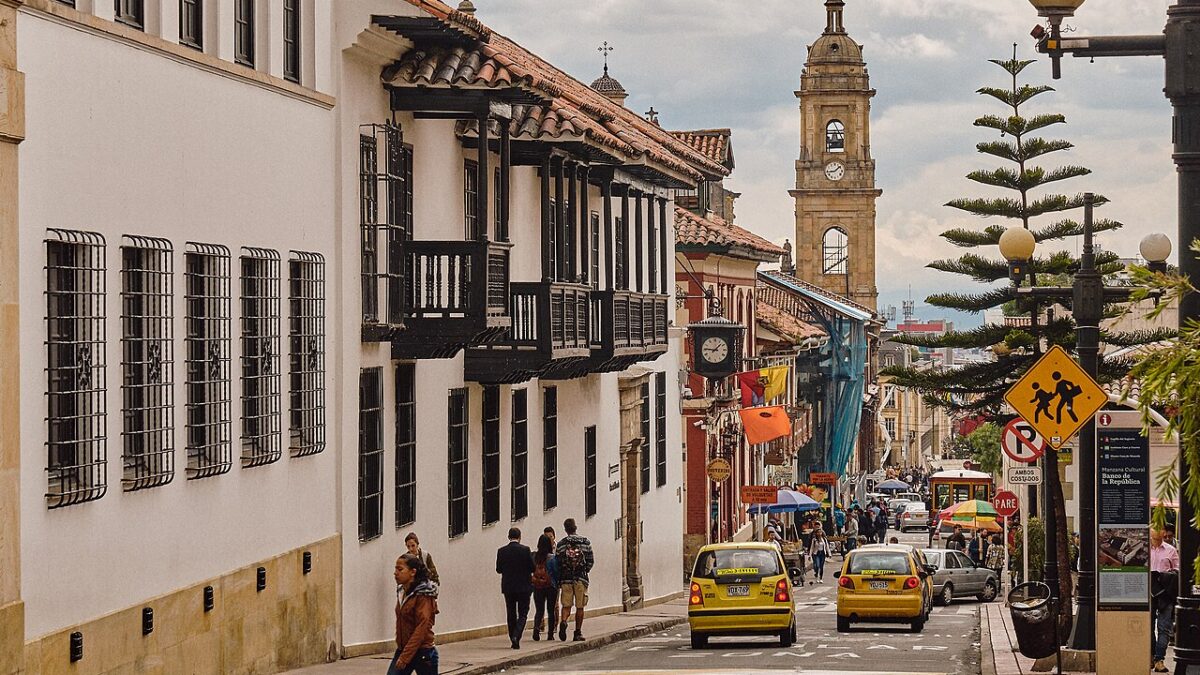
Best Time to Visit Bogota
The optimal months to visit Bogota in 2026 are generally April, May, September, and October. These periods offer a pleasant balance of moderate temperatures, manageable rainfall, and fewer crowds, providing an ideal experience for exploring the city’s rich culture and stunning landscapes.
Month-by-Month Weather Guide
| Month | Avg Temp (°C / °F) | Rainfall (mm / inches) | Crowd Level | Hotel Price Level |
|---|---|---|---|---|
| January | 14°C / 57°F | 20 mm / 0.8 in | Moderate | Mid-Range |
| February | 14°C / 57°F | 25 mm / 1.0 in | Moderate | Mid-Range |
| March | 14°C / 57°F | 75 mm / 3.0 in | Moderate to High | Mid-Range to High |
| April | 14°C / 57°F | 100 mm / 3.9 in | Moderate | Mid-Range |
| May | 14°C / 57°F | 115 mm / 4.5 in | Moderate | Mid-Range |
| June | 13°C / 55°F | 70 mm / 2.8 in | Moderate to High | Mid-Range to High |
| July | 13°C / 55°F | 65 mm / 2.6 in | Moderate to High | Mid-Range to High |
| August | 13°C / 55°F | 75 mm / 3.0 in | Moderate to High | Mid-Range to High |
| September | 14°C / 57°F | 70 mm / 2.8 in | Moderate | Mid-Range |
| October | 14°C / 57°F | 95 mm / 3.7 in | Moderate | Mid-Range |
| November | 14°C / 57°F | 80 mm / 3.1 in | Moderate to High | Mid-Range to High |
| December | 14°C / 57°F | 25 mm / 1.0 in | High | High |
Peak Season
The peak tourist season in Bogota typically spans from December to March and during June and July. This period coincides with school holidays in many parts of the world and drier weather patterns, though Bogota’s climate is relatively stable year-round. Expect higher accommodation prices, with hotels potentially increasing rates by 20-30% compared to off-peak times. Flights can also see a similar surge. While crowds are larger, the atmosphere is vibrant, and most attractions are fully operational.
Pros of Peak Season:
- Generally drier weather, ideal for outdoor exploration.
- Vibrant city atmosphere with numerous events and activities.
- Full range of tours and services readily available.
Cons of Peak Season:
- Higher costs for flights and accommodation.
- Increased crowds at popular attractions.
- Longer queues and potential need for advance booking.
Shoulder Season (Best Value)
The shoulder seasons, specifically April, May, September, and October, represent the sweet spot for visiting Bogota in 2026. During these months, the weather remains pleasant, with average temperatures consistently around 14°C (57°F). While there is a moderate increase in rainfall compared to the driest months, it is often in the form of brief showers that do not significantly disrupt travel plans. Crowd levels are lower than during peak times, leading to a more relaxed exploration of the city. This translates to potential savings of 10-20% on flights and accommodation, offering excellent value for money.
Pros of Shoulder Season:
- Balanced weather with fewer extreme conditions.
- Fewer crowds, allowing for a more intimate experience.
- Better value for money on flights and hotels.
- Still a good selection of tours and activities.
Cons of Shoulder Season:
- Slightly higher chance of rain compared to peak dry months.
- Some seasonal events might not be running.
Off-Season / Budget Season
The off-peak or budget season generally falls within the months with the highest rainfall, typically from August to November, excluding September. While these months can experience more frequent and heavier rain, Bogota’s mild climate means temperatures remain consistently cool, and the rain often comes in concentrated bursts, leaving ample time for sightseeing. The primary advantage of visiting during this period is significant cost savings. Hotels and flights can be up to 30-40% cheaper than during peak season, making it an attractive option for budget-conscious travelers. Furthermore, the lack of crowds offers a unique opportunity to experience Bogota with a more local feel.
Pros of Off-Season:
- Lowest prices for flights and accommodation.
- Minimal crowds, offering a more authentic experience.
- Opportunity to engage more deeply with local culture.
Cons of Off-Season:
- Higher likelihood of rain, requiring flexibility in planning.
- Some outdoor activities may be limited by weather.
Best Time for Specific Activities
Sightseeing
For comprehensive sightseeing, the drier months of January, February, and December are ideal, offering the least disruption from rain. However, the shoulder months of April, May, September, and October also provide good conditions with fewer crowds.
Outdoor Activities
Activities like hiking in the surrounding mountains or exploring Monserrate are best enjoyed during the drier periods of January, February, and December. Shoulder months like April, May, September, and October are also suitable, provided one is prepared for occasional rain showers.
Food Festivals
Bogota hosts various culinary events throughout the year. While specific dates for 2026 need to be confirmed, food festivals often occur during transitional periods like April-May and September-October, benefiting from pleasant weather and a surge in local produce availability.
Cultural Events
Bogota’s cultural calendar is rich year-round. Major festivals like the Ibero-American Theater Festival (biennial, check 2026 dates) and the Bogota International Film Festival (BIFF) usually take place in the latter half of the year, often in September or October, coinciding with shoulder season. Smaller cultural events and exhibitions are frequent. For detailed information, consult a comprehensive Bogota travel guide.
Seasonal Price Comparison
| Season | Avg Hotel/Night (USD) | Avg Flight (Round Trip, USD) | Overall Cost Level |
|---|---|---|---|
| Peak Season (Dec-Mar, Jun-Jul) | $90 – $150 | $500 – $800 | High |
| Shoulder Season (Apr-May, Sep-Oct) | $70 – $120 | $450 – $650 | Medium |
| Off-Season (Aug, Nov) | $60 – $100 | $400 – $550 | Low |

Kai has visited 60+ countries across 6 continents, with a obsession for one thing most travelers ignore: the real cost of getting there. Former budget backpacker turned data-driven travel writer, Kai breaks down destination costs so you can plan smarter — not just dream bigger. Based everywhere, from nowhere in particular.