The Ultimate Guide to the Best Time to Visit Beijing in 2026
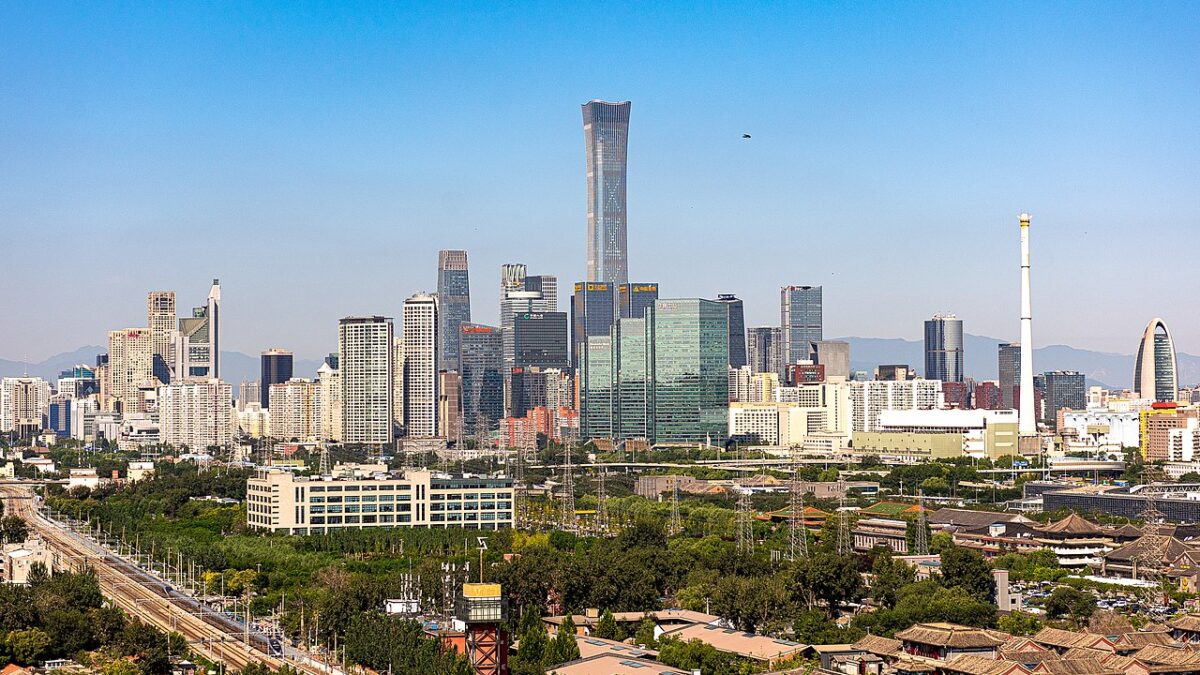
The optimal times to experience Beijing in 2026 are during the spring months of April and May, and the autumn months of September and October. These periods offer pleasant weather and a vibrant atmosphere for exploring the city’s rich history and culture.
Month-by-Month Weather Guide
| Month | Avg Temp (°C) | Avg Temp (°F) | Rainfall (mm) | Crowd Level | Hotel Price Level |
|---|---|---|---|---|---|
| January | -3 | 27 | 5 | Low | Low |
| February | 0 | 32 | 5 | Low | Low |
| March | 7 | 45 | 10 | Medium | Medium |
| April | 15 | 59 | 20 | High | High |
| May | 21 | 70 | 30 | High | High |
| June | 26 | 79 | 60 | Very High | Very High |
| July | 28 | 82 | 120 | Very High | Very High |
| August | 27 | 81 | 130 | Very High | Very High |
| September | 21 | 70 | 30 | High | High |
| October | 14 | 57 | 20 | High | High |
| November | 6 | 43 | 10 | Medium | Medium |
| December | -2 | 28 | 5 | Low | Low |
Peak Season
The peak tourist season in Beijing spans from April to May and again from September to October. During these months, the weather is at its most agreeable, with comfortable temperatures and clear skies, making it ideal for exploring outdoor attractions like the Great Wall and the Forbidden City. However, this popularity comes with significant drawbacks. Expect large crowds at major tourist sites, leading to longer wait times and a more hurried experience. Hotel prices and flight costs will be at their highest, with average hotel nights potentially ranging from $150-$250 USD and flights from $800-$1200 USD round trip from major international hubs. While the weather is excellent, the sheer volume of tourists can detract from the overall enjoyment and increase the overall cost of the trip.
Shoulder Season (Best Value)
The shoulder seasons, encompassing March and November, offer a compelling balance of pleasant weather and reduced crowd levels, presenting the best value for visitors. In March, temperatures begin to rise, with average highs around 7°C (45°F), and the city starts to bloom. November sees a pleasant crispness in the air, with average highs of 6°C (43°F), and the autumn foliage can still be appreciated in some areas. Crowd levels are noticeably lower than during the peak months, leading to a more relaxed exploration of popular attractions. Hotel prices and flight costs are typically 15-25% lower than during peak season, offering significant savings. This period allows for a more authentic and less congested experience of Beijing’s wonders.
Off-Season / Budget Season
The off-season, from December to February, represents the cheapest time to visit Beijing. This period is characterized by cold winter temperatures, with average highs hovering around 0°C (32°F) or below, and the possibility of snow. While the weather is a significant trade-off, the advantages are substantial cost savings. Hotel prices can drop by 30-40% compared to peak season, and flight deals are more readily available, potentially falling to $500-$700 USD round trip. The extremely low crowd levels mean you can enjoy attractions with relative solitude. Furthermore, winter offers unique experiences, such as ice skating on frozen lakes and a festive atmosphere around Chinese New Year (which can fall in late January or February), though this holiday period itself can see a temporary surge in domestic travel.
Best Time for Specific Activities
Sightseeing
For general sightseeing, including major landmarks like the Forbidden City, Temple of Heaven, and the Summer Palace, the spring (April-May) and autumn (September-October) are unparalleled. The mild temperatures and clear skies provide optimal conditions for walking and exploring. For a less crowded experience while still enjoying good weather, consider late March or early April, and late October or early November.
Outdoor Activities
Hiking and exploring sections of the Great Wall are best enjoyed during the spring and autumn. The weather is pleasant, reducing the risk of heat exhaustion in summer or extreme cold in winter. Specific recommendations include the Mutianyu section in April-May or September-October for its well-preserved fortifications and surrounding natural beauty. For those undeterred by colder weather, winter hikes on less crowded sections of the Wall can offer dramatic, stark landscapes.
Food Festivals and Cultural Events
Beijing’s culinary scene is vibrant year-round, but specific food-related events often coincide with harvest seasons or major holidays. While official dates for 2026 are yet to be announced, keeping an eye on local event listings in late September and October can reveal harvest festivals and food fairs. Major cultural events and exhibitions are often held during national holidays, such as National Day in early October, and the lead-up to Chinese New Year (which can occur in late January or February) sees many traditional celebrations and temple fairs.
Seasonal Price Comparison
| Season | Avg Hotel/Night (USD) | Avg Flight (USD) | Overall Cost Level |
|---|---|---|---|
| Spring (Apr-May) | $180 – $250 | $800 – $1200 | High |
| Summer (Jun-Aug) | $200 – $280 | $900 – $1300 | Very High |
| Autumn (Sep-Oct) | $170 – $240 | $800 – $1200 | High |
| Winter (Dec-Feb) | $100 – $150 | $500 – $700 | Low |
| Shoulder (Mar, Nov) | $130 – $180 | $600 – $900 | Medium |
For more comprehensive travel planning, consult our Beijing travel guide.

Kai has visited 60+ countries across 6 continents, with a obsession for one thing most travelers ignore: the real cost of getting there. Former budget backpacker turned data-driven travel writer, Kai breaks down destination costs so you can plan smarter — not just dream bigger. Based everywhere, from nowhere in particular.