The Ultimate Guide: Best Time to Visit Accra, Ghana in 2026
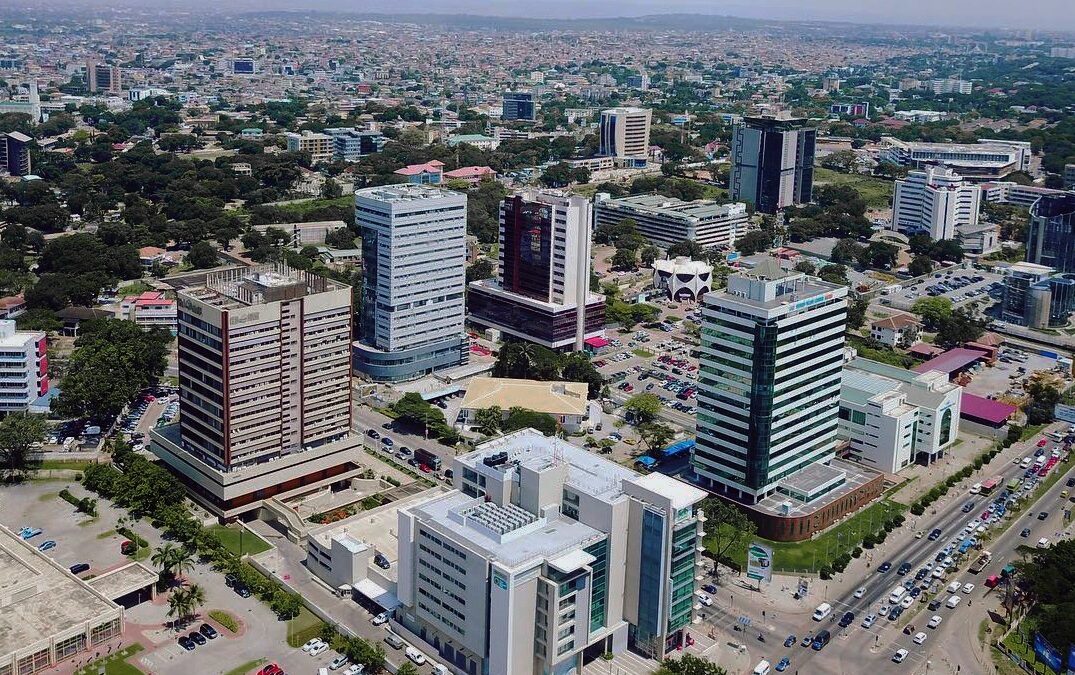
Best Time to Visit Accra
The optimal period to experience Accra, Ghana in 2026 is during the dry seasons: December to February and July to August. These months offer pleasant temperatures and minimal rainfall, ideal for exploring the vibrant city and its surroundings.
Month-by-Month Weather Guide
| Month | Avg Temp (°C) | Rainfall (mm) | Crowd Level | Hotel Price Level |
|---|---|---|---|---|
| January | 29 | 10 | Moderate | Medium |
| February | 30 | 40 | Moderate | Medium |
| March | 30 | 100 | Moderate | Medium |
| April | 29 | 150 | Moderate | Medium |
| May | 28 | 180 | Low | Low |
| June | 27 | 160 | Low | Low |
| July | 26 | 80 | Moderate | Medium |
| August | 26 | 60 | Moderate | Medium |
| September | 27 | 100 | Low | Low |
| October | 28 | 120 | Low | Low |
| November | 29 | 80 | Moderate | Medium |
| December | 29 | 30 | High | High |
Peak Season
The primary peak season in Accra spans from December to February. During these months, the weather is at its most agreeable, characterized by lower humidity and minimal rainfall. This period coincides with major holidays and festive events, drawing a larger influx of tourists, both international and domestic.
What to Expect: Expect vibrant street life, bustling markets, and a generally lively atmosphere. Popular tourist attractions will be more crowded. Outdoor activities are highly recommended due to the favorable climate.
Price Increases: Accommodation and flight prices typically see a significant surge during this period. Hotels can be 30-50% more expensive compared to the off-season. Flights from major international hubs may increase by 20-40%.
Pros: Ideal weather conditions for exploration and outdoor activities. Access to numerous cultural festivals and events. A lively and energetic city ambiance.
Cons: Higher costs for travel and accommodation. Increased crowds at popular sites, potentially requiring advance booking for tours and attractions.
Shoulder Season (Best Value)
Accra experiences two distinct shoulder seasons: March to April and September to November. These periods offer a compelling balance between favorable weather and more manageable crowd levels and prices.
Weather Quality: March and April can still be warm, with increasing rainfall as the season progresses. September to November sees a gradual return to drier conditions, with temperatures remaining pleasant. While there might be occasional light showers, they are generally not disruptive.
Crowd Levels: Crowds are noticeably thinner than during the peak season. This allows for a more relaxed experience at attractions and a greater sense of local immersion.
Savings vs Peak: Travelers can anticipate savings of 15-30% on flights and 20-35% on hotel rates compared to the December-February peak. This makes the shoulder season an excellent option for budget-conscious travelers seeking good weather.
Off-Season / Budget Season
The off-season in Accra generally falls within the main rainy months: May to June. While this period is characterized by higher rainfall, it presents the most significant opportunities for cost savings.
Cheapest Months: May and June are typically the most affordable months for visiting Accra. Hotel rates can be 40-60% lower than peak season, and flight prices may also decrease by 25-40%.
Weather Trade-offs: The primary trade-off is the increased likelihood of rain. These are the months with the highest average precipitation. However, the rain often comes in short, intense bursts, typically in the afternoons or evenings, leaving mornings and other parts of the day clear for activities.
Hidden Advantages: The reduced number of tourists means a more authentic and intimate experience of Accra’s culture and daily life. It’s an excellent time to engage with locals, explore markets without the usual hustle, and potentially negotiate better prices for goods and services.
Best Time for Specific Activities
Selecting the best time to visit Accra depends on your priorities. Here’s a breakdown by activity:
Sightseeing and City Exploration
For the most comfortable sightseeing, aim for the dry seasons. The period from December to February offers the most consistently pleasant weather with low humidity and abundant sunshine. The shoulder months of July to August also provide good conditions with slightly cooler temperatures.
Outdoor Activities and Beach Visits
Beach activities and exploring national parks are best enjoyed during the dry spells. December to February is ideal for enjoying Accra’s coastline and engaging in outdoor excursions with minimal interruption from rain. The period from July to August is also suitable, offering a good balance.
Food Festivals and Cultural Events
Accra hosts various cultural events and food festivals throughout the year. While specific dates vary annually, many significant celebrations occur around religious holidays and national events. The December to February period is often rich with festivities. However, exploring local cuisine is a year-round activity, with markets offering diverse flavors regardless of the season.
Experiencing Local Life
To truly immerse yourself in local life without the overwhelming crowds of peak season, consider the shoulder months of March to April or September to November. These periods allow for more genuine interactions and a deeper understanding of the city’s rhythm.
For a comprehensive overview of what Accra has to offer, consult our Accra travel guide.
Seasonal Price Comparison
| Season | Avg Hotel/Night (USD) | Avg Flight (USD) | Overall Cost Level |
|---|---|---|---|
| Peak Season (Dec-Feb) | $150 – $250 | $900 – $1400 | High |
| Shoulder Season (Mar-Apr, Sep-Nov) | $100 – $170 | $700 – $1100 | Medium |
| Off-Season (May-Jun) | $80 – $130 | $600 – $950 | Low |

Kai has visited 60+ countries across 6 continents, with a obsession for one thing most travelers ignore: the real cost of getting there. Former budget backpacker turned data-driven travel writer, Kai breaks down destination costs so you can plan smarter — not just dream bigger. Based everywhere, from nowhere in particular.