Berlin: Echoes of History, Pulse of Tomorrow
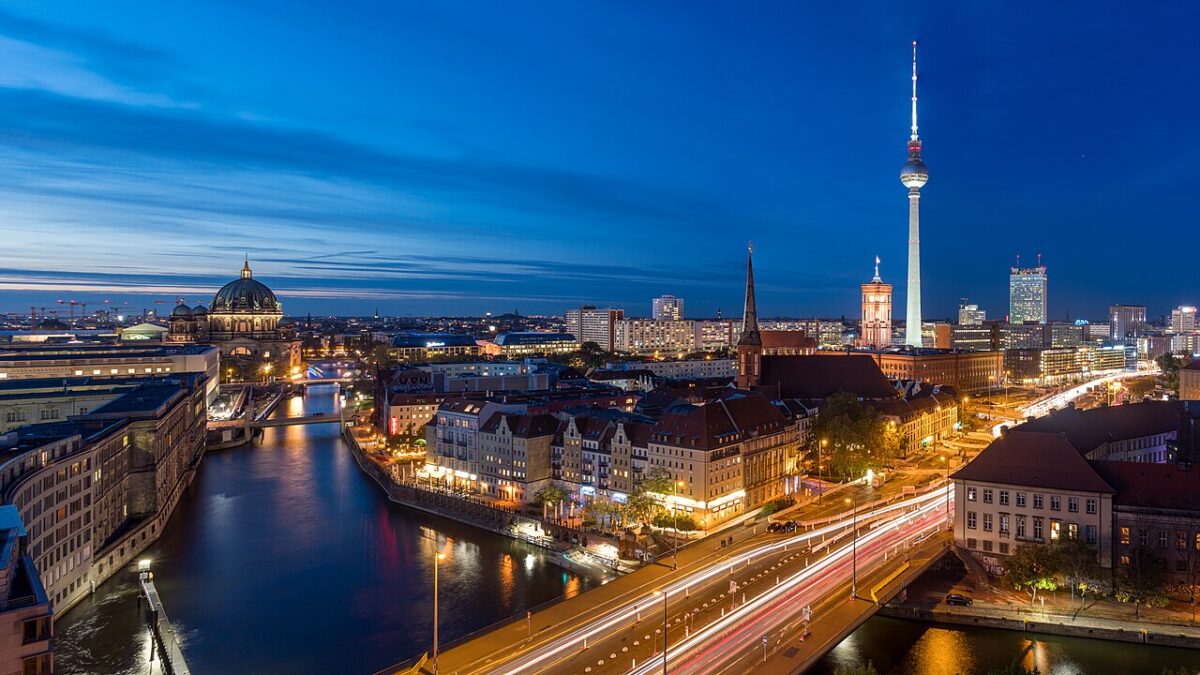
Welcome to the ultimate Berlin travel guide, your comprehensive resource for navigating Germany’s vibrant capital. This guide provides essential information on things to do in Berlin, where to stay, estimated costs, and a detailed itinerary, ensuring a memorable trip for every international traveler. Discover Berlin’s rich history, diverse culture, and dynamic atmosphere.
Why Visit Berlin?
Berlin stands as a city of unparalleled historical depth, cultural innovation, and modern dynamism. It offers a unique blend of solemn memorials commemorating its past and a vibrant, forward-looking arts and nightlife scene.
Travelers are drawn to Berlin for its iconic landmarks, such as the Brandenburg Gate and the Reichstag Building, which tell tales of a divided nation reunited. The city’s numerous museums, from the ancient treasures on Museum Island to the contemporary art spaces in Kreuzberg, cater to every interest.
Beyond its historical significance, Berlin is a hub for creativity, boasting a legendary nightlife, diverse culinary landscape, and an abundance of green spaces like Tiergarten. It remains one of Europe’s most accessible and fascinating capital cities, continually reinventing itself while honoring its complex heritage.
Average Travel Cost in Berlin
Understanding the Berlin travel cost is crucial for planning your trip. While Berlin is generally more affordable than other major European capitals, expenses can vary significantly based on your travel style. Here’s a breakdown of estimated daily costs for 2026.
| Category | Budget Traveler (Daily) | Mid-Range Traveler (Daily) | Luxury Traveler (Daily) |
|---|---|---|---|
| Hotel/Accommodation | €50 – €80 | €90 – €150 | €180+ |
| Food & Drink | €25 – €40 | €50 – €80 | €90+ |
| Transport | €8 – €10 | €8 – €10 | €8 – €10 |
| Attractions/Activities | €10 – €25 | €30 – €60 | €70+ |
| Total Estimated Daily Cost | €93 – €155 | €188 – €300 | €358+ |
These figures are per person and exclude international flights. Budget travelers can significantly reduce costs by opting for hostels, cooking some meals, and focusing on free attractions. Mid-range travelers will enjoy comfortable hotels, diverse dining, and a good selection of paid activities. Luxury travelers can expect premium accommodations, fine dining, and exclusive experiences.
Where to Stay in Berlin
Choosing where to stay in Berlin depends on your preferences for atmosphere, access to attractions, and budget. The city offers a diverse range of neighborhoods, each with its distinct character.
-
Mitte (Central Berlin)
As the historical and geographical heart of Berlin, Mitte is ideal for first-time visitors who want immediate access to major landmarks like the Brandenburg Gate, Museum Island, and the Reichstag. It offers a wide range of hotels, from luxury to mid-range, and excellent public transport connections.
Price Range: High (€120 – €300+ per night)
-
Kreuzberg
Known for its alternative vibe, vibrant nightlife, and diverse culinary scene, Kreuzberg is perfect for travelers seeking a lively, multicultural experience. It offers numerous bars, cafes, and street art, making it a popular choice for younger visitors and those interested in Berlin’s counter-culture.
Price Range: Mid-Range (€80 – €150 per night)
-
Prenzlauer Berg
This charming district is characterized by its beautifully preserved pre-war architecture, leafy streets, and family-friendly atmosphere. Prenzlauer Berg boasts boutique shops, cozy cafes, and excellent restaurants, making it a great option for those seeking a more relaxed, upscale residential feel with good transport links to the city center.
Price Range: Mid-Range to High (€90 – €180 per night)
Best Things to Do in Berlin
Berlin’s rich tapestry of history, art, and innovation offers an endless array of experiences. Here are some of the best things to do in Berlin, catering to diverse interests.
-
Brandenburg Gate (Brandenburger Tor)
An iconic symbol of German unity and peace, this neoclassical monument once marked the division of East and West Berlin. It is a must-see landmark and a focal point for national celebrations.
-
Reichstag Building
Home to the German Parliament, the Reichstag offers a profound historical experience. Visitors can ascend to its modern glass dome for panoramic views of the city, but pre-booking online is essential.
-
Memorial to the Murdered Jews of Europe
This poignant and expansive memorial, consisting of 2,711 concrete slabs, provides a powerful and somber space for reflection on the Holocaust. An underground information center offers further context.
-
Museum Island (Museumsinsel)
A UNESCO World Heritage site, this island in the Spree River houses five world-renowned museums, including the Pergamon Museum and the Altes Museum, showcasing art and cultural artifacts spanning millennia.
-
East Side Gallery
The longest open-air gallery in the world, this 1.3-kilometer section of the former Berlin Wall is adorned with over 100 murals by artists from around the globe, reflecting messages of hope, peace, and political change.
-
Checkpoint Charlie
The most famous crossing point between East and West Berlin during the Cold War. While largely a tourist attraction today, it offers a glimpse into the tension and espionage of that era, with an adjacent museum detailing its history.
-
Berlin Wall Memorial (Gedenkstätte Berliner Mauer)
This outdoor and indoor exhibition preserves a section of the original Wall and its associated border fortifications, offering the most comprehensive insight into the history of the Berlin Wall and its impact.
-
Tiergarten
Berlin’s largest urban park, Tiergarten, provides a vast green oasis perfect for strolling, cycling, or relaxing. It’s home to the Victory Column and the Berlin Zoo, offering a peaceful escape from the urban bustle.
-
Berlin TV Tower (Fernsehturm)
Dominating the skyline, the TV Tower offers breathtaking 360-degree views of Berlin from its observation deck and revolving restaurant. Booking tickets in advance is highly recommended to avoid long queues.
Where to Eat in Berlin
Berlin’s culinary scene is as diverse as its population, offering everything from traditional German fare to innovative international cuisine. Exploring the best restaurants in Berlin and its street food is an essential part of the experience.
-
Currywurst
No visit to Berlin is complete without trying Currywurst. This iconic street food — a steamed, then fried pork sausage cut into slices and smothered in curry ketchup — is available at countless imbiss (snack stands) across the city. Try it at Konnopke’s Imbiss in Prenzlauer Berg or Curry 36 in Kreuzberg.
-
Mustafas Gemüsekebap
Often hailed as serving the best Döner Kebab in Berlin, Mustafa’s in Kreuzberg is legendary. Expect long queues, but the fresh vegetables, grilled chicken, and unique sauces are widely considered worth the wait.
-
Burgermeister
Housed in a former public toilet facility beneath the U-Bahn tracks near Schlesisches Tor, Burgermeister serves up delicious, no-frills burgers. It’s a favorite among locals and tourists alike for its quality and unique setting.
-
Markthalle Neun
This historic market hall in Kreuzberg is a foodie paradise, especially during its famous “Street Food Thursday” event. It offers a vast array of international street food, local delicacies, and artisanal products, making it perfect for an evening of culinary exploration.
-
Zur Haxe
For a taste of traditional German cuisine, Zur Haxe in Charlottenburg offers hearty portions of classic dishes like pork knuckle (Eisbein), schnitzel, and various sausages, all served in a cozy, rustic atmosphere. It’s an authentic experience for those seeking local flavors.
3-Day Berlin Itinerary
This Berlin itinerary is designed to provide a comprehensive overview of the city’s highlights, balancing history, culture, and leisure over three full days.
Day 1: Historical Core & Government District
Begin your Berlin adventure in the heart of the city, exploring its most iconic historical landmarks. Start at the Brandenburg Gate, a symbol of unity. Walk through the gate and proceed to the nearby Reichstag Building; ensure you have pre-booked your visit to the glass dome for stunning city views.
Next, visit the solemn Memorial to the Murdered Jews of Europe, reflecting on its profound significance. Afterwards, stroll through a section of the vast Tiergarten park, perhaps heading towards the Victory Column. Conclude your day on Museum Island, choosing one or two museums to explore, such as the Pergamon Museum or the Neues Museum (home of Nefertiti).
Day 2: Wall History & East Side Vibe
Dedicate your second day to understanding Berlin’s Cold War past and its vibrant East Side culture. Start at the Berlin Wall Memorial on Bernauer Strasse, an outdoor exhibition offering the most comprehensive look at the Wall’s history. Then, take public transport to Checkpoint Charlie, the former border crossing, and visit the adjacent museum.
In the afternoon, head to the East Side Gallery, the longest remaining section of the Berlin Wall, now an open-air art gallery. Enjoy the vibrant murals and the atmosphere along the Spree River. Finish your day exploring the trendy streets of Friedrichshain or Kreuzberg, perhaps enjoying dinner at Markthalle Neun on a Street Food Thursday.
Day 3: Culture & Relaxation
On your final day, delve into Berlin’s cultural offerings and enjoy some relaxation. Begin with a visit to Charlottenburg Palace, the largest palace in Berlin, exploring its opulent rooms and beautiful gardens. Allow ample time to wander through its Baroque splendor.
Afterward, make your way to Alexanderplatz and ascend the Berlin TV Tower (Fernsehturm) for unparalleled panoramic views of the entire city. In the afternoon, explore the charming neighborhood of Prenzlauer Berg, known for its beautiful architecture, independent boutiques, and numerous cafes. Enjoy a leisurely coffee or browse the shops, soaking in the local atmosphere before departing.
Transportation Guide
Berlin boasts an excellent, efficient, and integrated public transportation system, making it easy to navigate the city. The network consists of the U-Bahn (underground metro), S-Bahn (urban rail), trams, and buses.
Tickets are valid across all modes of transport within specified zones. The most common zones for tourists are AB, covering the city center and most attractions. Tickets can be purchased from vending machines at stations, on buses, or via mobile apps.
-
Single Ticket (Einzelfahrschein): Valid for one journey in one direction, including transfers.
-
24-Hour Ticket (Tageskarte): Offers unlimited travel for 24 hours from validation. Ideal for days with multiple journeys.
-
4-Journey Ticket (4-Fahrten-Karte): A slightly discounted bundle of four single tickets.
-
Berlin WelcomeCard: This tourist pass combines unlimited public transport with discounts on attractions and museums. Available for 48, 72 hours, 4, 5, or 6 days. Consider if you plan to visit many paid attractions.
Always validate your ticket before your first journey by stamping it in the small machines on platforms or inside trams/buses. Fines for traveling without a valid ticket are substantial.
Money-Saving Tips
Traveling to Berlin doesn’t have to break the bank. Here are several Berlin budget travel tips to help you save money while experiencing the best of the city.
-
Utilize Free Attractions: Many of Berlin’s significant historical sites, such as the Brandenburg Gate, East Side Gallery, Memorial to the Murdered Jews of Europe, and the Tiergarten, are free to visit. The Reichstag Building is also free if you pre-book.
-
Embrace Public Transport: Berlin’s public transport system is excellent. A 24-hour ticket or a multi-day pass is more cost-effective than individual tickets if you plan on multiple journeys. Consider the Berlin WelcomeCard if you plan to visit many paid attractions, as it includes transport and discounts.
-
Eat Street Food: Berlin is famous for its affordable and delicious street food. Currywurst, Döner Kebab, and various international snacks are readily available and much cheaper than sit-down restaurant meals.
-
Visit Markets: Explore local markets like Markthalle Neun (especially on Street Food Thursday) or various weekly markets for affordable and diverse food options. You can also buy fresh produce for self-catering.
-
Stay in Hostels or Budget Hotels: Berlin has an excellent selection of well-regarded hostels and budget-friendly hotels, particularly in areas like Friedrichshain or Neukölln. Booking in advance, especially during peak season, can secure better rates.
-
Free Walking Tours: Many companies offer free walking tours (tip-based) that cover major historical sites and provide valuable insights into the city’s past and present.
-
Student Discounts: If you are a student, always carry your student ID. Many museums and attractions offer reduced entry fees.
Frequently Asked Questions
Is Berlin safe for tourists?
Yes, Berlin is generally a very safe city for tourists. Like any major urban area, petty crime such as pickpocketing can occur, especially in crowded tourist areas or on public transport. It is advisable to remain aware of your surroundings and take standard precautions with your belongings. Violent crime is rare.
What is the best time to visit Berlin?
The best time to visit Berlin is during the spring (April to May) or autumn (September to October). During these periods, the weather is pleasantly mild, ideal for sightseeing, and the crowds are smaller than in the peak summer months. Summer (June to August) offers warm weather and many outdoor events but can be very busy and more expensive. Winter (November to March) is cold but offers festive Christmas markets and fewer tourists.
Do people speak English in Berlin?
Yes, a large percentage of people in Berlin, especially those working in the tourism, hospitality, and service industries, speak excellent English. Younger generations are also generally proficient. While it’s always appreciated to learn a few basic German phrases, you will find it easy to navigate the city and communicate effectively in English.
How many days do I need for Berlin?
To experience Berlin comprehensively, a minimum of 3 to 4 full days is recommended. This allows enough time to cover the major historical sites, museums, and distinct neighborhoods without feeling rushed. If you wish to explore more in-depth, including day trips or specific cultural niches, 5 to 7 days would be ideal.
Is Berlin an expensive city?
Compared to other major Western European capitals like London, Paris, or Rome, Berlin is generally considered more affordable. Accommodation, dining, and public transport costs are relatively lower. However, prices can fluctuate based on the season, specific events, and your chosen travel style. Budget travelers can enjoy Berlin very economically, while luxury options are also plentiful.

Kai has visited 60+ countries across 6 continents, with a obsession for one thing most travelers ignore: the real cost of getting there. Former budget backpacker turned data-driven travel writer, Kai breaks down destination costs so you can plan smarter — not just dream bigger. Based everywhere, from nowhere in particular.