Bangkok: A Symphony of Scents & Serenity
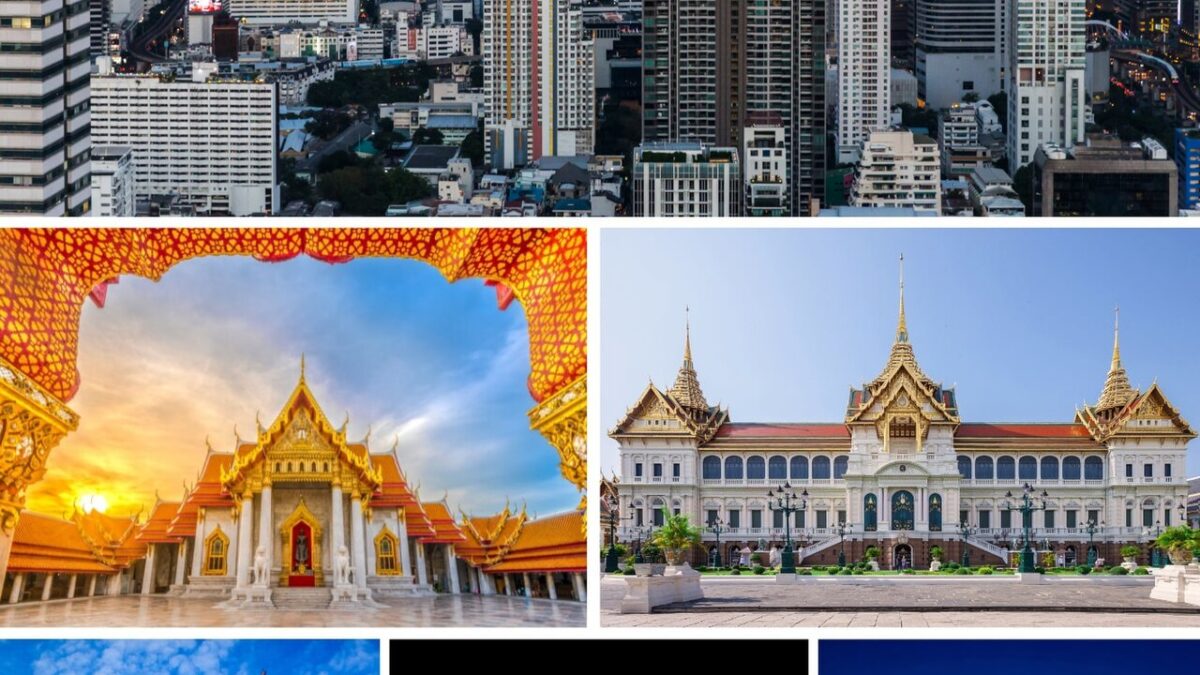
Bangkok, Thailand’s bustling capital, is a mesmerizing fusion of ancient traditions and modern dynamism, making it an essential destination for global travelers. This comprehensive Bangkok travel guide provides expert insights into navigating its vibrant street life, exploring magnificent temples, savoring world-renowned cuisine, and understanding the city’s diverse accommodations and costs. Prepare for an unforgettable journey through the heart of Southeast Asia. For more information on this incredible country, check out our complete Thailand travel guide.
Why Visit Bangkok?
Bangkok offers an unparalleled sensory experience that captivates every visitor. The city pulses with an infectious energy, from the aromatic street food stalls that line every soi to the serene golden temples that punctuate its urban landscape. It is a place where ancient customs seamlessly blend with cutting-edge modernity, creating a unique cultural tapestry.
Travelers are drawn to Bangkok for its rich history, evident in the grandeur of the Grand Palace and the intricate beauty of Wat Arun. Beyond its historical sites, Bangkok boasts world-class shopping, from sprawling mega-malls like ICONSIAM to the labyrinthine Chatuchak Weekend Market. The city’s legendary nightlife, diverse culinary scene, and warm hospitality further solidify its reputation as a must-visit global city. For a broader perspective on Asian travel, Browse Asia travel guides.
Average Travel Cost in Bangkok
Understanding the average travel cost in Bangkok is crucial for planning your trip. The city offers options for every budget, from incredibly affordable street food and guesthouses to luxurious five-star experiences. Prices are generally lower than in Western countries, but careful planning can significantly impact your overall expenses. Use our travel cost calculator to get a better estimate for your trip.
Below is an estimated daily cost comparison for different travel styles in Bangkok for 2026. These figures are approximations and can fluctuate based on specific choices, seasonality, and economic conditions.
| Category | Budget Traveler (USD) | Mid-Range Traveler (USD) | Luxury Traveler (USD) |
|---|---|---|---|
| Hotel/Accommodation | $30 – $50 | $70 – $120 | $200 – $400+ |
| Food & Drinks | $10 – $15 | $30 – $50 | $80 – $150+ |
| Transportation | $5 – $10 | $10 – $20 | $20 – $40 |
| Attractions & Activities | $10 – $20 | $20 – $40 | $40 – $80 |
| Total Daily Estimate | $55 – $95 | $130 – $230 | $340 – $670+ |
Where to Stay in Bangkok
Choosing where to stay in Bangkok significantly impacts your experience, as each neighborhood offers a distinct atmosphere and access to different attractions. The city boasts a vast array of accommodations, from budget-friendly hostels to opulent riverside resorts. Consider your priorities, whether it’s nightlife, cultural immersion, or convenient transportation, when making your selection.
- Sukhumvit: This bustling district is a popular choice for first-time visitors and those seeking modern amenities. Sukhumvit is well-connected by the BTS Skytrain, offering easy access to major shopping malls, international restaurants, and vibrant nightlife areas like Nana and Asok. Accommodations here range from mid-range hotels to luxury serviced apartments.
- Price Range: Mid-range ($70-$120 USD) to Luxury ($150-$300+ USD)
- Riverside (Chao Phraya River): For a more serene and picturesque experience, the Riverside area is ideal. It offers stunning views of the Chao Phraya River, often from luxurious hotels with excellent service and amenities. This area provides easy boat access to iconic temples and historical sites, offering a tranquil escape from the city’s hustle.
- Price Range: Mid-range ($90-$150 USD) to Luxury ($200-$500+ USD)
- Rattanakosin (Old City) / Khao San Road: This historic heart of Bangkok is perfect for cultural exploration and budget-conscious travelers. It’s home to the Grand Palace, Wat Pho, and Wat Arun, making it ideal for sightseeing on foot. Khao San Road, while touristy, offers a lively backpacker scene with numerous guesthouses, street food, and bars.
- Price Range: Budget ($30-$60 USD) to Mid-range ($60-$100 USD)
Best Things to Do in Bangkok
Bangkok is a treasure trove of cultural, historical, and modern attractions, ensuring there’s something for every type of traveler. From ancient temples to bustling markets and serene parks, the city promises a diverse range of experiences. Dedicate ample time to explore these key highlights to fully appreciate Bangkok’s charm. For comparison with another vibrant city in the region, Phuket travel guide offers a different perspective. If you’re curious about costs in other major cities, Check travel costs in Cairo.
- The Grand Palace & Wat Phra Kaew: This iconic complex is Bangkok’s most famous landmark, serving as the official residence of the Kings of Thailand since 1782. Within its walls lies Wat Phra Kaew, the Temple of the Emerald Buddha, a revered spiritual site. Dress respectfully (shoulders and knees covered) when visiting.
- Wat Pho (Temple of the Reclining Buddha): Located adjacent to the Grand Palace, Wat Pho is renowned for its massive, gold-plated reclining Buddha statue, stretching 46 meters long. It is also considered the birthplace of traditional Thai massage.
- Wat Arun (Temple of Dawn): Situated on the west bank of the Chao Phraya River, Wat Arun is distinctive for its towering prang (spire) decorated with colorful porcelain and seashells. It offers breathtaking views, especially at sunrise or sunset.
- Chatuchak Weekend Market: One of the world’s largest weekend markets, Chatuchak offers an incredible array of goods, from clothing and accessories to handicrafts, antiques, and street food. It’s a vibrant, bustling experience that requires several hours to explore.
- Khao San Road: Famous as a backpacker hub, Khao San Road is a lively street brimming with guesthouses, street food vendors, bars, and souvenir shops. It offers a unique glimpse into Bangkok’s vibrant, international youth culture.
- ICONSIAM: A luxurious riverside shopping mall, ICONSIAM is an attraction in itself, featuring high-end brands, a floating market replica, and spectacular fountain shows. It’s a testament to modern Bangkok’s grandeur and architectural ambition.
- Lumphini Park: Offering a green oasis amidst the urban sprawl, Lumphini Park is Bangkok’s largest park. Visitors can enjoy jogging, cycling, paddle boating, or simply relaxing and observing the local life, including monitor lizards basking by the ponds.
- Chao Phraya River Cruise: A cruise along the Chao Phraya River provides a different perspective of Bangkok’s landmarks, including temples, palaces, and modern skyscrapers. Various options range from public express boats to luxurious dinner cruises.
- Take a Thai Cooking Class: Immerse yourself in Thai culinary traditions by taking a hands-on cooking class. Many schools offer half-day courses where you learn to prepare classic dishes like Pad Thai, Tom Yum Goong, and Green Curry.
Where to Eat in Bangkok
Bangkok is a global culinary capital, celebrated for its incredible street food, vibrant markets, and world-class restaurants. Eating in Bangkok is an adventure in itself, offering flavors that range from spicy and savory to sweet and sour. Do not leave without sampling the diverse gastronomic delights the city has to offer. For a stark contrast, consider the dining experiences in places like Compare with Erbil.
- Street Food Stalls: Bangkok’s street food scene is legendary and ubiquitous. Explore areas like Yaowarat (Chinatown) for late-night culinary adventures, or the stalls around Victory Monument for boat noodles. Sample classics like Pad Thai, Mango Sticky Rice, and various noodle soups.
- Thipsamai (Pratu Phi): Often hailed as serving “The Best Pad Thai in Bangkok,” Thipsamai is a must-visit for this iconic dish. Their “Superb Pad Thai” wrapped in an omelet is particularly famous, drawing long queues nightly.
- Jay Fai: A Michelin-starred street food vendor, Jay Fai is renowned for her crab omelet (khai jeaw poo) and drunken noodles (pad kee mao talay). Expect a significant wait and higher prices, but the experience and quality are unparalleled.
- Or Tor Kor Market: Located near Chatuchak Weekend Market, Or Tor Kor is a high-end fresh food market recognized for its pristine produce, exotic fruits, and prepared meals. It’s an excellent place to sample authentic Thai dishes in a clean, organized setting.
- Rooftop Bars & Restaurants: For a more upscale dining experience with breathtaking city views, Bangkok’s numerous rooftop establishments are perfect. Vertigo & Moon Bar at Banyan Tree Bangkok or Sky Bar at Lebua State Tower offer stunning panoramas alongside gourmet cuisine and cocktails.
- Local Eateries (e.g., at Food Courts): For affordable and authentic meals, explore the food courts in shopping malls like MBK Center or Terminal 21. These offer a vast selection of local dishes at budget-friendly prices, prepared hygienically.
3-Day Bangkok Itinerary
This 3-day Bangkok itinerary is designed to give you a comprehensive taste of the city’s highlights, balancing cultural immersion with modern exploration and culinary delights. Adjust it based on your interests and pace.
Day 1: Temples, River & Chinatown
Start your day early with a visit to the magnificent Grand Palace and Wat Phra Kaew. Dedicate at least 2-3 hours to explore this royal complex. Afterwards, walk a short distance to Wat Pho to marvel at the Reclining Buddha and perhaps enjoy a traditional Thai massage. For lunch, explore the local eateries near the temples. In the afternoon, take a cross-river ferry to Wat Arun, the Temple of Dawn, enjoying the views from the Chao Phraya River. As evening approaches, head to Yaowarat (Chinatown). Wander through its bustling streets, soak in the vibrant atmosphere, and indulge in an unforgettable street food dinner.
Day 2: Markets, Shopping & Rooftop Views
Begin your day with a trip to the iconic Chatuchak Weekend Market (if it’s a Saturday or Sunday). Spend several hours exploring its vast sections and enjoying local snacks. If it’s a weekday, consider visiting the nearby Or Tor Kor Market for fresh produce and gourmet Thai food. After the markets, head to one of Bangkok’s modern shopping malls. Options include MBK Center for electronics and souvenirs, Siam Paragon for luxury brands, or ICONSIAM for a grand riverside experience with its indoor floating market and fountain show. Conclude your day with cocktails and dinner at a spectacular rooftop bar, such as Vertigo & Moon Bar or Sky Bar, to enjoy panoramic views of the city lights.
Day 3: Culture, Parks & Departure
For your final day, choose an activity that resonates with your interests. You could opt for a relaxing morning at Lumphini Park, perhaps joining a tai chi session or spotting monitor lizards. Alternatively, dive deeper into Thai culture with a cooking class, learning to prepare some of your favorite Thai dishes. Another option is a visit to the Jim Thompson House Museum, offering insight into traditional Thai architecture and a fascinating story. Enjoy a final authentic Thai lunch. Depending on your flight schedule, you can do some last-minute souvenir shopping or revisit a favorite spot before heading to the airport.
Transportation Guide
Navigating Bangkok is surprisingly efficient thanks to its diverse transportation network. Understanding the various options will help you move around the city effectively and affordably.
- BTS Skytrain & MRT Subway: These are Bangkok’s most efficient and comfortable modes of public transport. The BTS Skytrain covers elevated routes, connecting major shopping areas, hotels, and business districts. The MRT Subway runs underground, complementing the BTS network and reaching other parts of the city. Both are air-conditioned, clean, and provide a quick escape from traffic. Purchase single-journey tokens or a stored-value card for convenience.
- Taxis: Metered taxis are plentiful and generally affordable. Always ensure the driver uses the meter; if they refuse, find another taxi. Taxis are ideal for longer distances or when traveling with luggage, but be prepared for potential traffic delays.
- Grab (Ride-Hailing App): Grab is widely used in Bangkok and offers a convenient way to book cars, taxis, and even motorcycle taxis through a smartphone app. It provides upfront pricing, making it a transparent option, and is particularly useful during peak hours or when communication with a taxi driver is difficult.
- Tuk-tuks: These iconic three-wheeled open-air vehicles offer a fun, albeit sometimes bumpy and loud, way to experience the city. Tuk-tuks are generally more expensive than taxis for the same distance, as prices must be negotiated beforehand. They are best for short distances and for the experience rather than efficiency.
- Chao Phraya Express Boat: For exploring riverside attractions like the Grand Palace, Wat Arun, and ICONSIAM, the Chao Phraya Express Boat is invaluable. It’s a fast, scenic, and very affordable way to travel along the river, bypassing street traffic. Different flag colors indicate different routes and stopping patterns.
Money-Saving Tips
Bangkok can be an incredibly budget-friendly city if you know how to navigate it smartly. These tips will help you stretch your baht further without compromising on the quality of your experience.
- Embrace Street Food: Dining at street food stalls and local markets is not only an authentic culinary experience but also incredibly economical. A delicious, filling meal can cost as little as 50-100 THB ($1.50-$3 USD).
- Utilize Public Transportation: The BTS Skytrain, MRT Subway, and Chao Phraya Express Boat are significantly cheaper than taxis or tuk-tuks. Plan your routes using these systems to save money and avoid traffic.
- Bargain (Respectfully): At markets like Chatuchak or for tuk-tuk rides, polite bargaining is expected. Start by offering about 50-70% of the asking price and negotiate towards a mutually agreeable figure. Do not bargain in department stores or fixed-price shops.
- Stay in Budget-Friendly Neighborhoods: Areas like the Old City (Rattanakosin) or near Phaya Thai (for airport link access) often have more affordable guesthouses and hostels compared to Sukhumvit or Riverside.
- Drink Tap Water (Boiled) or Refill Bottles: While tap water isn’t generally safe to drink directly, many accommodations offer boiled water or refill stations. Buying large bottles of water from supermarkets is also cheaper than convenience stores.
- Look for Free Attractions: Many temples, while having an entrance fee for the main complex, allow free access to certain areas. Lumphini Park is free to enter, and simply wandering through markets or exploring neighborhoods offers rich cultural experiences without cost.
Frequently Asked Questions
When is the best time to visit Bangkok?
The best time to visit Bangkok is during the cool and dry season, which runs from November to February. Temperatures are milder, and humidity is lower, making it more comfortable for sightseeing. March to May is hot and humid, while June to October is the rainy season, though showers are often brief.
Is Bangkok safe for tourists?
Bangkok is generally very safe for tourists. Petty crime, such as pickpocketing or bag snatching, can occur in crowded areas, so always be mindful of your belongings. Scams, particularly involving tuk-tuk drivers or gem shops, are also known, so exercise caution and common sense. Serious crime against tourists is rare.
How many days should I spend in Bangkok?
A minimum of 3 to 4 full days is recommended to experience Bangkok’s main attractions, markets, and culinary scene without feeling rushed. This allows time for cultural sites, shopping, a river trip, and enjoying the nightlife. For a more relaxed pace or day trips, consider 5-7 days.
Do I need a visa to visit Thailand?
Visa requirements for Thailand vary significantly based on your nationality. Many nationalities, including citizens from the US, UK, and most EU countries, can enter Thailand without a visa for stays of up to 30 days (visa exemption). Always check the latest visa policies with the Royal Thai Embassy or Consulate in your country before travel, as regulations can change.
What should I pack for a trip to Bangkok?
Pack light, breathable clothing made from natural fabrics like cotton or linen due to Bangkok’s hot and humid climate. Include comfortable walking shoes, as you’ll be doing a lot of exploring. Remember to bring modest attire (shoulders and knees covered) for visiting temples. Sunscreen, a hat, insect repellent, and a portable umbrella (for sun or rain) are also highly recommended.

Kai has visited 60+ countries across 6 continents, with a obsession for one thing most travelers ignore: the real cost of getting there. Former budget backpacker turned data-driven travel writer, Kai breaks down destination costs so you can plan smarter — not just dream bigger. Based everywhere, from nowhere in particular.