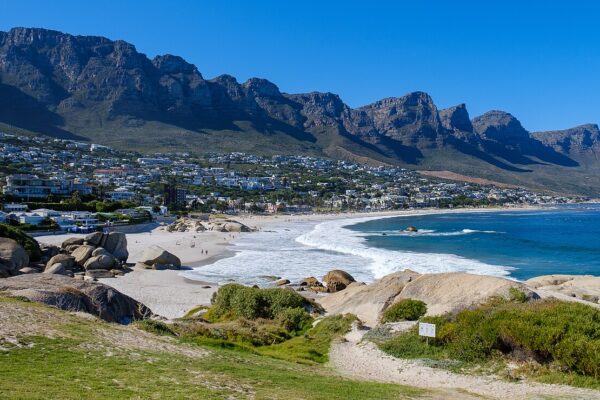
Bali (Denpasar): Island Soul & Ocean’s Embrace
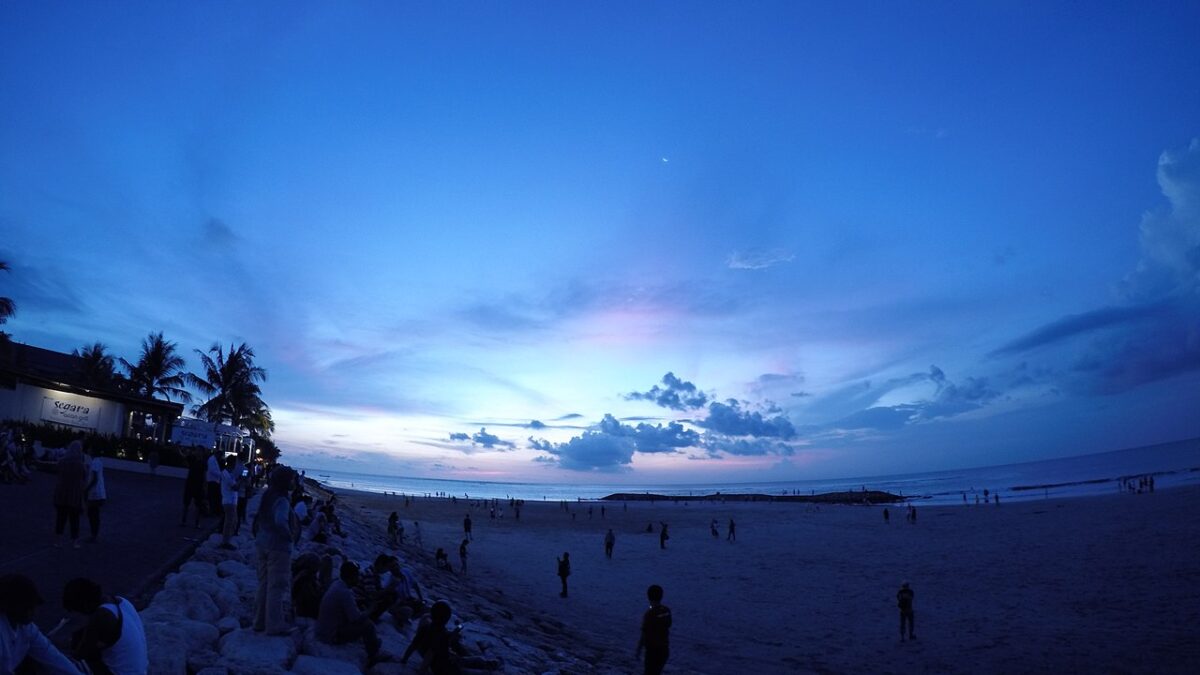
Welcome to Bali, Indonesia’s enchanting island paradise, where vibrant culture, breathtaking landscapes, and spiritual serenity converge. This comprehensive Bali (Denpasar) travel guide provides essential information for international travelers planning their unforgettable journey. From navigating local customs to discovering hidden gems, prepare to immerse yourself in the magic of the Island of the Gods, ensuring a seamless and enriching experience. For a broader perspective on Southeast Asia, Browse Asia travel guides.
Why Visit Bali (Denpasar)?
Bali, often referred to as the “Island of the Gods,” offers an unparalleled blend of natural beauty, rich cultural heritage, and spiritual tranquility. While Denpasar serves as the bustling capital and primary gateway through Ngurah Rai International Airport (DPS), the island’s allure extends far beyond its urban core, encompassing diverse landscapes and experiences.
Travelers are drawn to Bali for its stunning volcanic mountains, lush rice paddies, pristine beaches, and vibrant coral reefs. The island’s unique Hindu culture permeates daily life, evident in intricate temples, elaborate ceremonies, and traditional arts such like dance and carving. This deep spiritual connection fosters an atmosphere of peace and mindfulness, attracting those seeking relaxation, wellness, and self-discovery.
Beyond its natural and cultural appeal, Bali is renowned for its welcoming hospitality and diverse culinary scene. From authentic local warungs serving traditional Balinese dishes to world-class fine dining establishments, there is an option to suit every palate and budget. The island also offers a wide array of activities, including surfing, diving, yoga retreats, hiking, and exploring bustling markets, making it a versatile destination for all types of adventurers.
Moreover, Bali remains a relatively affordable destination, particularly for long-term stays, offering excellent value for money across accommodation, food, and activities. This combination of beauty, culture, adventure, and affordability solidifies Bali’s position as a premier global travel destination. To get a better idea of how Bali compares to other popular destinations, you can Compare with Hong Kong.
Average Travel Cost in Bali (Denpasar)
Understanding the average travel cost is crucial for planning your trip to Bali (Denpasar) effectively. Prices can vary significantly based on your travel style, with options ranging from budget-friendly backpacker experiences to luxurious resort stays. The estimates below are for a single person per day in 2026, converted to USD for international accessibility. Use our travel cost calculator for personalized estimates.
| Category | Budget (USD) | Mid-Range (USD) | Luxury (USD) |
|---|---|---|---|
| Hotel/Accommodation | $20 – $40 | $70 – $150 | $250 – $800+ |
| Food | $15 – $30 | $40 – $80 | $100 – $250+ |
| Transport | $5 – $15 | $20 – $40 | $50 – $100+ |
| Attractions/Activities | $10 – $25 | $30 – $70 | $80 – $200+ |
| Total Daily Estimate | $50 – $110 | $160 – $340 | $480 – $1350+ |
These figures provide a general guideline. Budget travelers can often find cheaper guesthouses and local eateries, while luxury travelers will have access to exclusive resorts, private villas, and high-end dining experiences. Factors like seasonality and booking in advance can also influence pricing.
Where to Stay in Bali (Denpasar)
While Denpasar is the capital, most international travelers opt to stay in the vibrant neighboring regions, which offer a more diverse range of tourist amenities and attractions. These areas are easily accessible from Ngurah Rai International Airport (DPS) in Denpasar and provide distinct experiences.
-
Ubud (Central Bali): Known as Bali’s cultural heart, Ubud is surrounded by lush rice paddies and steep ravines, providing a serene escape. It is ideal for those seeking spiritual retreats, yoga, traditional arts, and nature. Accommodation ranges from charming guesthouses to luxury boutique resorts.
Price Range: Budget $25-$50/night, Mid-Range $60-$180/night, Luxury $200-$700+/night.
-
Seminyak (South Bali): This upscale coastal town is famed for its fashionable boutiques, high-end restaurants, trendy beach clubs, and luxurious villas. Seminyak offers a sophisticated beach holiday experience with vibrant nightlife and stunning sunsets. It’s a great choice for those seeking comfort and style.
Price Range: Budget $35-$70/night, Mid-Range $90-$250/night, Luxury $300-$1000+/night.
-
Sanur (South Bali): Offering a more relaxed and family-friendly atmosphere compared to its western neighbors, Sanur features calm waters, a picturesque beachfront promenade, and a good selection of restaurants and shops. It’s perfect for those seeking a quieter beach holiday, water sports, and beautiful sunrises.
Price Range: Budget $20-$45/night, Mid-Range $60-$150/night, Luxury $180-$500+/night.
Each area provides a unique perspective on Balinese life and offers convenient access to various attractions across the island.
Best Things to Do in Bali (Denpasar)
Bali presents an extensive array of activities and sights, catering to every interest, from cultural immersion to adventurous exploration. Here are some of the best things to do in Bali, encompassing experiences around Denpasar and the broader island.
- Visit Tanah Lot Temple: An iconic sea temple perched on a rock formation, Tanah Lot is famous for its unique offshore setting and breathtaking sunset views. It’s a significant cultural landmark and a popular spot for photography.
- Explore Ubud Monkey Forest: A sacred sanctuary and natural habitat for hundreds of long-tailed macaques, this forest also houses ancient temples and lush greenery. Visitors can observe monkeys in their natural environment while respecting local guidelines.
- Discover Tegallalang Rice Terraces: Located near Ubud, these stunning terraced rice fields offer panoramic views and opportunities for gentle trekking. Experience the traditional Balinese irrigation system (subak) and capture incredible photographs.
- Relax on Seminyak Beach: Known for its golden sands, vibrant beach clubs, and spectacular sunsets, Seminyak Beach is ideal for swimming, surfing, or simply unwinding. Enjoy a cocktail at one of the many beachfront establishments.
- Hike Mount Batur at Sunrise: For the adventurous, an early morning trek up this active volcano offers an unforgettable sunrise experience with panoramic views of the island and surrounding lakes. Guided tours are highly recommended.
- Immerse in Balinese Culture at a Traditional Dance Show: Witness captivating performances like the Barong and Kris Dance or Kecak Fire Dance. These shows provide insight into Balinese mythology and artistic traditions.
- Visit Ulun Danu Beratan Temple: Situated on Lake Bratan in the central highlands, this picturesque water temple appears to float on the lake’s surface. Its serene setting and intricate architecture make it a must-see.
- Explore Denpasar’s Bajra Sandhi Monument: While not a typical tourist hotspot, this monument in Denpasar commemorates the struggles of the Balinese people throughout history. It offers historical insights and a panoramic view from its top floor.
- Indulge in a Balinese Cooking Class: Learn to prepare traditional Balinese dishes using fresh local ingredients. Many classes include a market visit and culminate in enjoying the meal you’ve prepared.
- Experience a Yoga or Wellness Retreat: Bali is a global hub for yoga and wellness. Numerous studios and retreats, particularly in Ubud, offer classes, workshops, and immersive programs for all levels.
Where to Eat in Bali (Denpasar)
Bali’s culinary scene is as diverse as its landscapes, offering everything from humble street food to world-class fine dining. Exploring the local cuisine is an essential part of the travel experience.
- Warung Babi Guling Ibu Oka (Ubud): Famous for its Babi Guling (suckling pig), this iconic eatery serves perfectly roasted pork with crispy skin and succulent meat, accompanied by rice and various spices. It’s a quintessential Balinese culinary experience.
- Sisterfields (Seminyak): A popular spot for modern Australian cafe culture, Sisterfields offers a vibrant atmosphere and an extensive menu of breakfast, brunch, and lunch favorites. Expect delicious coffee, fresh juices, and contemporary dishes.
- Naughty Nuri’s Warung (Ubud & Seminyak): Renowned for its legendary BBQ pork ribs and potent martinis, Naughty Nuri’s offers a lively and casual dining experience. The ribs are marinated and grilled to perfection, making it a favorite among locals and tourists alike.
- Murni’s Warung (Ubud): Overlooking a river gorge, Murni’s Warung is one of Ubud’s oldest restaurants, serving traditional Balinese and Indonesian dishes in a beautiful, multi-level setting. It’s a great place to sample authentic flavors.
- Jalan Sanur Night Market (Sanur): For an authentic local food experience, head to the Sanur Night Market (Pasar Sindhu). Here, you can sample a wide variety of Balinese street food, including satay, nasi goreng, fresh seafood, and local desserts, all at very affordable prices.
- La Favela (Seminyak): While primarily a nightclub, La Favela also offers a unique dining experience in its elaborately decorated, multi-story venue. The menu features a mix of international and Indonesian dishes, served in a truly atmospheric setting.
Don’t forget to try local specialties like Nasi Goreng (fried rice), Mie Goreng (fried noodles), Sate Lilit (minced seafood satay), and fresh tropical fruits.
3-Day Bali (Denpasar) Itinerary
This 3-day itinerary focuses on key attractions and experiences in South and Central Bali, easily accessible from the Denpasar area, offering a blend of culture, nature, and relaxation.
Day 1: Cultural Immersion & Coastal Charm (Ubud & Seminyak)
Begin your day with a journey to Ubud, the cultural heart of Bali. Visit the sacred Ubud Monkey Forest, where you can observe playful macaques amidst ancient temples. Afterwards, explore the stunning Tegallalang Rice Terraces, taking in the panoramic views and learning about the traditional subak irrigation system.
Enjoy lunch at a local warung in Ubud, savoring authentic Balinese cuisine. In the afternoon, browse the Ubud Art Market for unique souvenirs and handicrafts. Conclude your day by heading to Seminyak. Relax on Seminyak Beach, enjoy the sunset at a chic beach club, and dine at one of Seminyak’s renowned restaurants.
Day 2: Temples, Volcanoes & Spiritual Serenity
Start your second day with an early morning adventure by embarking on a guided trek up Mount Batur for an unforgettable sunrise experience over the volcanic landscape. Alternatively, if a hike isn’t for you, opt for a visit to the serene Ulun Danu Beratan Temple, beautifully situated on Lake Bratan.
After your morning activity, visit a coffee plantation to sample famous Luwak coffee and other local brews. In the afternoon, head to the iconic Tanah Lot Temple. Arrive in time to witness its majestic silhouette against the backdrop of a fiery Balinese sunset, a truly magical experience. Enjoy dinner at a nearby seafood restaurant.
Day 3: Relaxation, Wellness & Departure
Dedicate your final day to relaxation and personal well-being. Start with a rejuvenating Balinese massage or a yoga class at one of Bali’s many wellness centers, particularly abundant in the Ubud or Canggu areas. Enjoy a leisurely breakfast at your accommodation or a charming cafe.
Spend the late morning exploring local shops for last-minute souvenirs or simply relaxing by the pool. Depending on your flight schedule, you might consider a final traditional Balinese meal or a quick visit to a local market in Denpasar for some last-minute insights into local life before heading to Ngurah Rai International Airport (DPS) for your departure.
Transportation Guide
Navigating Bali is relatively straightforward, with several options available to suit different budgets and preferences. Understanding these choices is key to efficient travel around the island.
- Scooters/Motorbikes: Renting a scooter is a popular and cost-effective way to get around, offering flexibility and access to smaller roads. Rental prices typically range from IDR 60,000 – 100,000 per day (approx. $4-$7 USD). Ensure you have an international driving permit, wear a helmet, and possess adequate insurance. Roads can be busy and chaotic, so caution is advised.
- Taxis & Ride-Hailing Apps: Blue Bird Taxis are reliable and metered, providing a safe option for point-to-point travel. Ride-hailing apps like Grab and Gojek are widely used and offer competitive fixed prices for car and motorbike rides, as well as food delivery services. These are convenient for short to medium distances and are readily available in most tourist areas.
- Private Drivers: For longer journeys, day trips, or group travel, hiring a private driver with a car is an excellent option. Drivers often act as informal guides, offering insights into local culture and attractions. A full-day hire (8-10 hours) typically costs between IDR 500,000 – 800,000 (approx. $35-$55 USD), depending on negotiation and itinerary. This is ideal for exploring multiple sites in a day.
- Buses & Shuttles: While local public buses are not commonly used by tourists, shuttle services like Kura-Kura Bus offer routes connecting major tourist hubs. Perama Tour & Travel also provides tourist shuttle buses to various destinations across Bali and beyond. These are budget-friendly but less flexible than private transport.
For airport transfers, pre-booking a private car or using official airport taxis are the most convenient options upon arrival at Denpasar (DPS).
Money-Saving Tips
Traveling to Bali doesn’t have to break the bank. With a few smart strategies, you can significantly reduce your expenses while still enjoying a rich and fulfilling experience.
- Eat Local: Opt for local warungs (small family-run restaurants) over tourist-centric establishments. You’ll find delicious and authentic Balinese and Indonesian dishes like Nasi Goreng, Mie Goreng, and Satay for a fraction of the price. Night markets are also excellent for cheap and tasty street food.
- Negotiate Prices: In markets and when hiring private drivers or buying souvenirs, polite negotiation is expected. Start with a lower offer and work your way up. However, be respectful and avoid over-haggling for small amounts.
- Use Ride-Hailing Apps: For transport, consistently use apps like Gojek or Grab. They offer transparent pricing and are generally cheaper than traditional taxis or hailing a ride on the street. For longer distances, consider sharing a private driver with fellow travelers.
- Stay in Guesthouses or Homestays: Bali offers a plethora of affordable guesthouses and homestays that provide comfortable accommodation with a local touch. These often include breakfast and offer a more authentic experience than large resorts.
- Limit Western Indulgences: While tempting, frequenting Western-style cafes and restaurants, especially those serving imported goods, will quickly add up. Embrace local coffee, fresh juices, and traditional snacks.
- Drink Bottled Water: Tap water is not safe to drink in Bali. Buy large bottles of water from supermarkets to refill smaller reusable bottles, which is more economical and environmentally friendly than constantly buying small plastic bottles.
- Travel During Shoulder Season: Visiting during the shoulder seasons (April-May or September-October) means fewer crowds and lower prices for flights and accommodation, while still enjoying good weather.
Frequently Asked Questions
Is Bali (Denpasar) safe for tourists?
Bali is generally very safe for tourists. Petty crime, such as bag snatching, can occur, particularly in crowded areas, so it’s advisable to be aware of your surroundings and secure your belongings. Serious crime against tourists is rare. Exercise caution when riding scooters and always wear a helmet. The local people are known for their hospitality.
What is the best time to visit Bali (Denpasar)?
The best time to visit Bali is during the dry season, which runs from April to October. During these months, you can expect plenty of sunshine, lower humidity, and minimal rainfall, making it ideal for beach activities, hiking, and exploring. The peak season is July and August, as well as December for holidays, which can mean higher prices and larger crowds.
Do I need a visa to enter Bali (Denpasar)?
Many nationalities, including those from the US, UK, and EU, can obtain a Visa on Arrival (VoA) for a stay of up to 30 days, extendable once for another 30 days. It’s crucial to check the latest visa regulations for your specific nationality on the official Indonesian immigration website or with your embassy prior to travel, as policies can change.
What currency is used in Bali (Denpasar) and how should I manage my money?
The official currency in Bali is the Indonesian Rupiah (IDR). It’s advisable to carry some cash for smaller purchases and local warungs. ATMs are widely available in tourist areas, but be cautious of card skimmers. Credit and debit cards are accepted in most larger hotels, restaurants, and shops. Exchange money at reputable money changers, avoiding those offering unusually high rates. For an alternative tropical island experience, you might consider Check travel costs in Zanzibar (Stone Town).
What are the local customs and etiquette I should be aware of?
Balinese culture is deeply rooted in Hindu traditions. Always dress modestly when visiting temples (shoulders and knees covered) and remove your shoes before entering. Use your right hand when giving or receiving items, as the left hand is considered impolite. Avoid touching people’s heads. Be mindful of religious ceremonies, which are frequent and vital to local life.

Kai has visited 60+ countries across 6 continents, with a obsession for one thing most travelers ignore: the real cost of getting there. Former budget backpacker turned data-driven travel writer, Kai breaks down destination costs so you can plan smarter — not just dream bigger. Based everywhere, from nowhere in particular.