Weekend in Athens: Acropolis, Souvlaki & Plaka
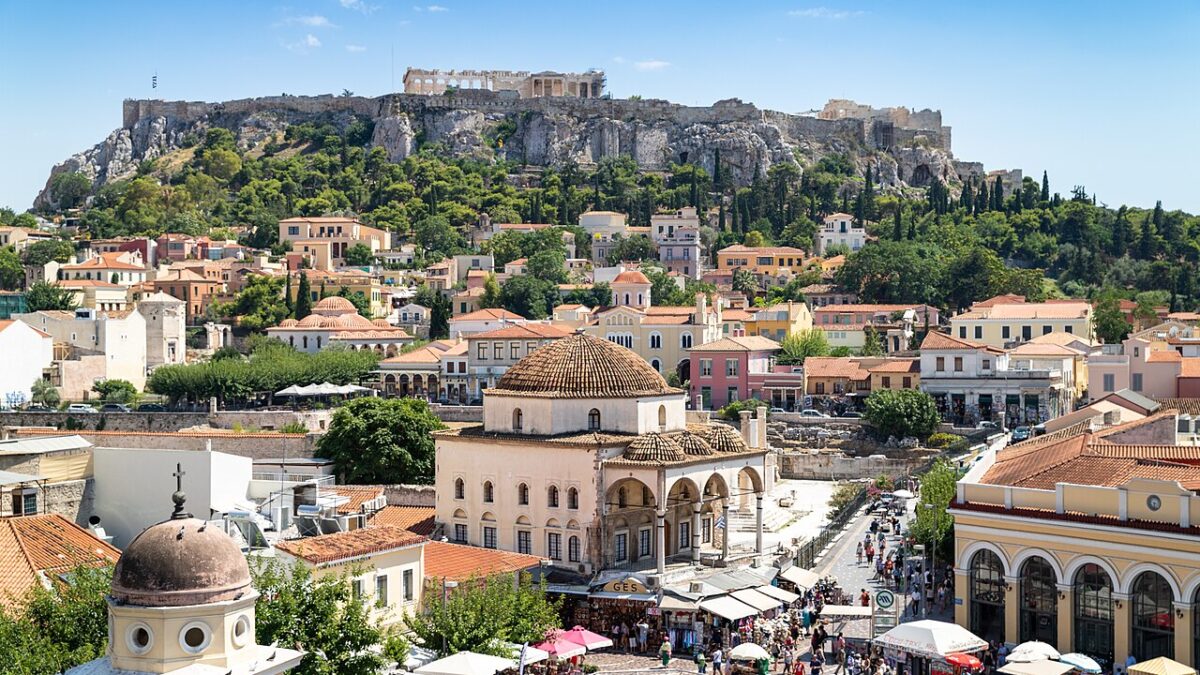
Welcome to the ultimate Athens travel guide, your essential resource for navigating Greece’s historic capital in 2026. This comprehensive guide covers everything from iconic ancient sites and vibrant neighborhoods to delicious cuisine and practical travel tips. Plan your unforgettable journey to the birthplace of democracy with our expert recommendations on things to do, where to stay, and how to budget effectively for your Greek adventure.
Why Visit Athens?
Athens stands as a captivating blend of ancient history and modern dynamism, offering an unparalleled travel experience. It is the cradle of Western civilization, a city where democracy, philosophy, and classical art first flourished, leaving behind an awe-inspiring legacy.
Beyond its monumental archaeological sites, Athens pulses with contemporary energy. Visitors can explore vibrant neighborhoods, indulge in world-class culinary experiences, and immerse themselves in a rich cultural tapestry that seamlessly intertwines the past with the present. From the majestic Acropolis to bustling markets and serene gardens, Athens promises a journey through time and an encounter with authentic Greek hospitality.
Average Travel Cost in Athens
Understanding the average travel cost in Athens is crucial for planning your budget effectively. Prices can vary significantly based on your travel style, from budget-conscious backpacking to luxurious escapes. Here’s a breakdown of estimated daily costs for 2026, covering accommodations, food, transportation, and attractions.
These figures are averages and can fluctuate based on seasonality, booking in advance, and personal spending habits. A mid-range budget offers a comfortable balance, while budget travelers can save significantly by opting for hostels, street food, and public transport.
| Category | Budget (€) | Mid-Range (€) | Luxury (€) |
|---|---|---|---|
| Hotel | 40 – 70 | 90 – 150 | 200 – 400+ |
| Food | 25 – 40 | 50 – 80 | 100 – 200+ |
| Transport | 5 – 10 | 10 – 15 | 15 – 30 |
| Attractions | 15 – 25 | 30 – 50 | 50 – 80+ |
| Total Daily Cost | 85 – 145 | 180 – 295 | 385 – 730+ |
Where to Stay in Athens
Choosing the right neighborhood significantly enhances your Athens experience. Each area offers a distinct atmosphere, catering to different preferences and budgets. Here are three highly recommended neighborhoods for your stay.
-
Plaka: Nestled beneath the Acropolis, Plaka is Athens’ oldest and most picturesque neighborhood. Its charming labyrinthine streets are filled with neoclassical architecture, traditional tavernas, and souvenir shops. It’s incredibly convenient for sightseeing, offering easy walking access to major archaeological sites and museums.
Price Range: Mid-range to Luxury. Accommodations here often include boutique hotels and guesthouses with stunning Acropolis views, justifying a higher price point.
-
Koukaki: Located just south of the Acropolis, Koukaki offers a more local, bohemian vibe while remaining within easy reach of central attractions. It’s known for its tree-lined streets, independent cafes, art galleries, and relaxed atmosphere. This neighborhood is popular with both locals and savvy travelers seeking an authentic Athenian experience.
Price Range: Budget to Mid-range. You’ll find a good selection of affordable hotels, Airbnbs, and guesthouses, making it an excellent choice for budget-conscious travelers who still want convenience.
-
Monastiraki & Psyrri: These adjacent neighborhoods form the bustling heart of Athens, known for their vibrant energy, flea markets, and lively nightlife. Monastiraki Square is a major transport hub and a great spot for people-watching, while Psyrri’s narrow streets come alive after dark with bars, restaurants, and live music venues. It’s perfect for those who want to be in the thick of the action.
Price Range: Budget to Mid-range. Accommodation options range from budget hostels to stylish boutique hotels, often offering excellent value given their central location and proximity to numerous attractions and entertainment options.
Best Things to Do in Athens
Athens is a city brimming with history, culture, and vibrant life. From ancient ruins to modern museums and bustling markets, there’s an endless array of things to explore. Here are 8-10 essential attractions that should be on every Athens itinerary.
-
Acropolis & Parthenon: The crowning glory of Athens, the Acropolis is an ancient citadel containing the remains of several historic buildings, most notably the Parthenon. This iconic temple dedicated to the goddess Athena is a symbol of classical Greece and offers breathtaking panoramic views of the city.
-
Acropolis Museum: Located at the foot of the Acropolis, this modern museum houses thousands of artifacts found on the Acropolis site. Its transparent floor reveals archaeological excavations below, and its top floor offers unparalleled views of the Parthenon itself.
-
Ancient Agora: Once the heart of ancient Athenian public life, the Agora served as a marketplace, political assembly, and social gathering place. Explore the Temple of Hephaestus, one of the best-preserved Greek temples, and the reconstructed Stoa of Attalos.
-
Roman Agora & Tower of the Winds: A later addition to Athens’ public spaces, the Roman Agora features the Gate of Athena Archegetis and the fascinating octagonal Tower of the Winds, an ancient meteorological station and sundial.
-
Temple of Olympian Zeus: Although largely in ruins, the colossal columns of the Temple of Olympian Zeus still convey its immense scale and grandeur. It was once the largest temple in Greece, dedicated to the king of the Olympian gods.
-
Panathenaic Stadium: This historic stadium, entirely built of white marble, hosted the first modern Olympic Games in 1896. Visitors can run on the track and imagine the roar of ancient and modern crowds.
-
National Archaeological Museum: Home to the most important collection of artifacts from ancient Greece, this museum is a treasure trove of sculptures, pottery, jewelry, and frescoes from various archaeological sites across the country.
-
Plaka District: Wander through the charming, pedestrianized streets of Plaka, Athens’ oldest neighborhood. Discover neoclassical houses, traditional tavernas, souvenir shops, and hidden squares, all beneath the shadow of the Acropolis.
-
Monastiraki Square & Flea Market: A vibrant hub where ancient meets modern, Monastiraki Square is a bustling meeting point. Explore the famous Flea Market on Sundays for antiques, unique souvenirs, and a lively atmosphere.
-
Mount Lycabettus: For the most spectacular panoramic views of Athens, hike or take the funicular up Mount Lycabettus. The sunset views over the city, with the Acropolis illuminated, are truly unforgettable.
Where to Eat in Athens
Athenian cuisine is a delightful journey through fresh ingredients, traditional recipes, and modern interpretations. From casual street food to upscale dining, the city offers a feast for every palate. Here are some recommendations for where to eat in Athens.
-
Traditional Tavernas in Plaka & Psyrri: For an authentic Greek dining experience, seek out tavernas in the historic Plaka district or the lively Psyrri neighborhood. Here, you can savor classic dishes like moussaka, pastitsio, grilled meats, and fresh seafood. Look for places with live music for an enhanced cultural experience.
-
Street Food Delights: Athens excels in delicious and affordable street food. Don’t miss trying a classic souvlaki or gyros from a local stand – they are perfect for a quick, satisfying meal. Also, look out for koulouri (sesame bread rings) for breakfast and various savory pies like spanakopita (spinach pie).
-
Central Market (Varvakios Agora): Experience the true pulse of Athenian culinary life at the Central Municipal Market. While primarily a place for locals to buy fresh produce, meat, and fish, it also houses small, no-frills eateries serving incredibly fresh and affordable meals, often using ingredients sourced directly from the market stalls.
-
Modern Greek Cuisine in Kolonaki & Gazi: For a more contemporary dining experience, head to upscale neighborhoods like Kolonaki or the trendy Gazi district. These areas boast restaurants that offer innovative takes on traditional Greek dishes, often with sophisticated presentations and extensive wine lists. Expect a higher price point but a memorable gastronomic journey.
-
Cafes and Bakeries: Embrace the Greek coffee culture by trying a freddo espresso or freddo cappuccino at one of the city’s many cafes. Pair it with a traditional sweet treat like baklava, galaktoboureko (custard pie), or a simple Greek yogurt with honey and walnuts from a local bakery.
3-Day Athens Itinerary
This 3-day Athens itinerary is designed to provide a comprehensive and immersive experience, covering the city’s most iconic ancient sites, vibrant neighborhoods, and cultural highlights. It balances historical exploration with opportunities to enjoy modern Athenian life.
Day 1: Ancient Wonders & Old Town Charm
Begin your Athenian adventure by delving into its most iconic historical sites. Start your morning early to beat the crowds and the heat at the Acropolis.
Morning: Head straight to the Acropolis. Allow 2-3 hours to explore the Parthenon, Erechtheion, Propylaea, and the captivating views over Athens. Afterwards, descend and visit the Acropolis Museum, which houses artifacts found on the Acropolis site. It’s ideally located right at the foot of the ancient rock.
Lunch: Enjoy lunch at one of the cafes or tavernas near the Acropolis Museum or in the charming Plaka district.
Afternoon: Spend your afternoon leisurely exploring the narrow, picturesque streets of Plaka. Wander through its souvenir shops, admire the neoclassical architecture, and discover hidden churches. Don’t miss the small, idyllic Anafiotika quarter nestled within Plaka.
Evening: Enjoy a traditional Greek dinner at a taverna in Plaka, perhaps with live music. Consider a drink at a rooftop bar for stunning illuminated views of the Acropolis.
Day 2: Classical Agora & Urban Vibrancy
Today focuses on the civic heart of ancient Athens and the bustling energy of its modern-day markets and squares.
Morning: Explore the Ancient Agora, the commercial, social, and political hub of ancient Athens. Visit the well-preserved Temple of Hephaestus and the Stoa of Attalos, which houses a museum. Afterwards, walk to the nearby Roman Agora and admire the unique Tower of the Winds.
Lunch: Grab a quick and delicious souvlaki or gyros from a street food vendor around Monastiraki Square, soaking in the lively atmosphere.
Afternoon: Immerse yourself in the vibrant energy of Monastiraki Square and its famous Flea Market. Browse for antiques, vintage items, and unique souvenirs. Continue into the trendy Psyrri district, known for its street art, artisan shops, and numerous cafes.
Evening: Have dinner in Psyrri, which offers a wide range of modern and traditional dining options. Afterwards, explore the area’s lively bars for a taste of Athenian nightlife.
Day 3: Grand Scale & Panoramic Views
Your final day blends monumental ruins with serene green spaces and culminates in breathtaking panoramic views of the city.
Morning: Start your day at the colossal ruins of the Temple of Olympian Zeus and the adjacent Hadrian’s Arch. Then, take a relaxing stroll through the verdant National Garden, a peaceful oasis in the city center, leading to the Zappeion Hall.
Lunch: Enjoy lunch in the area around Syntagma Square or Ermou Street, which offers many dining choices.
Afternoon: Witness the ceremonial Changing of the Guard at the Tomb of the Unknown Soldier in front of the Parliament building at Syntagma Square (occurs hourly). Afterwards, visit the unparalleled National Archaeological Museum, home to a vast collection of ancient Greek artifacts. Allocate at least 2-3 hours here.
Evening: Conclude your Athens trip with a memorable sunset experience. Take the funicular or hike up Mount Lycabettus for spectacular 360-degree views of Athens, stretching all the way to the Saronic Gulf. Enjoy a farewell dinner at a restaurant with city views or revisit a favorite neighborhood for a final Greek meal.
Transportation Guide
Athens boasts an efficient and modern public transportation system, making it easy to navigate the city and reach its main attractions. Understanding your options will enhance your travel experience.
-
Metro: The Athens Metro is the most convenient way to get around. It features three lines (Green, Red, Blue) that connect major archaeological sites, central neighborhoods, and the airport. Stations are often adorned with archaeological finds discovered during construction, doubling as mini-museums.
-
Buses & Trolleybuses: An extensive network of buses and trolleybuses covers areas not reached by the metro. They are useful for local travel within neighborhoods or for reaching specific destinations like the coast.
-
Tram: The tram connects the city center (Syntagma Square) to the coastal suburbs, offering a scenic ride along the Athenian Riviera. It’s a pleasant option for reaching beaches or the marinas.
-
Taxis & Ride-sharing: Official yellow taxis are readily available throughout the city. Ensure the meter is running, or agree on a fare beforehand for airport transfers. Ride-sharing apps like FREENOW (formerly Beat) are also popular and offer transparent pricing.
-
Airport Transfer:
- Metro: The Blue Line directly connects Athens International Airport (ATH) to Syntagma Square and Monastiraki.
- Suburban Rail (Proastiakos): Offers another direct connection from the airport to Athens Central Railway Station and Larissis Station.
- Express Buses: Four express bus lines (X93, X95, X96, X97) operate 24/7, connecting the airport to various parts of the city, including Syntagma Square (X95) and Piraeus Port (X96).
-
Tickets: Athens uses a unified ticketing system. You can purchase paper tickets or use an Ath.ena Card (rechargeable plastic card). Options include single tickets, 90-minute tickets (allowing multiple transfers), 24-hour tickets, 3-day tourist tickets (including airport transfer), and 5-day tickets. Validate your ticket or tap your card at the machines before each journey.
Money-Saving Tips
Traveling to Athens doesn’t have to break the bank. With a few smart strategies, you can enjoy the city’s wonders without overspending. Here are some effective money-saving tips for your trip.
-
Walk Everywhere Possible: Athens’ historic center is very walkable. Many major attractions are within close proximity, allowing you to save on transportation costs while discovering hidden gems on foot.
-
Utilize Public Transport Passes: For longer distances, invest in a 3-day tourist ticket or a 5-day public transport pass. These offer unlimited travel on all modes of transport (excluding airport transfers for the 5-day pass) and are more cost-effective than buying single tickets.
-
Eat Street Food & Local Tavernas: Embrace Athens’ excellent and affordable street food, like souvlaki and gyros. For sit-down meals, venture slightly away from the main tourist hubs to find more authentic and budget-friendly tavernas where locals dine.
-
Visit Free Attractions: Many of Athens’ experiences are free. Enjoy the Changing of the Guard at Syntagma Square, stroll through the National Garden, explore the Monastiraki Flea Market, and hike up Mount Lycabettus for incredible views without an entrance fee.
-
Consider an Athens City Pass: If you plan to visit multiple major archaeological sites and museums, an Athens City Pass can offer bundled discounts and skip-the-line access. Calculate if the cost justifies your planned activities.
-
Stay in Budget-Friendly Neighborhoods: Opt for accommodations in areas like Koukaki, Exarcheia, or Gazi, which offer more affordable hotels, hostels, and Airbnbs compared to the more central and upscale Plaka or Kolonaki.
-
Buy Groceries for Breakfast/Lunch: Purchase fruits, pastries, and other essentials from local supermarkets or bakeries for some of your meals. This can significantly reduce food expenses, especially for breakfast or packed lunches.
Frequently Asked Questions
Is Athens safe for tourists?
Athens is generally safe for tourists, but like any major city, it’s advisable to be aware of your surroundings, especially in crowded areas like Monastiraki and Omonia Square, where pickpocketing can occur. Exercise standard precautions, keep valuables secure, and avoid walking alone in poorly lit areas late at night.
What is the best time to visit Athens?
The best times to visit Athens are spring (April-May) and autumn (September-October). During these months, the weather is pleasantly warm for sightseeing, and the crowds are smaller than in the peak summer season. Summer (June-August) can be extremely hot, and major sites are very crowded.
How many days do you need to explore Athens?
A minimum of 3 full days is recommended to experience Athens’ main historical sites, museums, and vibrant neighborhoods. This allows for a comprehensive overview without feeling rushed and provides time to soak in the city’s atmosphere. If you plan day trips, consider extending your stay to 4-5 days.
Is Athens a walkable city?
Yes, Athens is largely walkable, especially its historic center and main attractions. Many key sites are within close proximity, and pedestrianized areas like Plaka and Dionysiou Areopagitou Street make exploring on foot enjoyable. Be prepared for hills, particularly around the Acropolis and Lycabettus Hill.
What are the must-try foods in Athens?
Must-try foods include souvlaki (grilled meat skewers, often served in pita), gyros (meat cooked on a vertical rotisserie, also in pita or on a plate), moussaka (layered eggplant, minced meat, and béchamel), spanakopita (spinach pie), and fresh seafood. Don’t forget traditional Greek coffee and delicious desserts like baklava or loukoumades.