Addis Ababa on a Budget: 3 Days Under $200
Why Visit Addis Ababa?
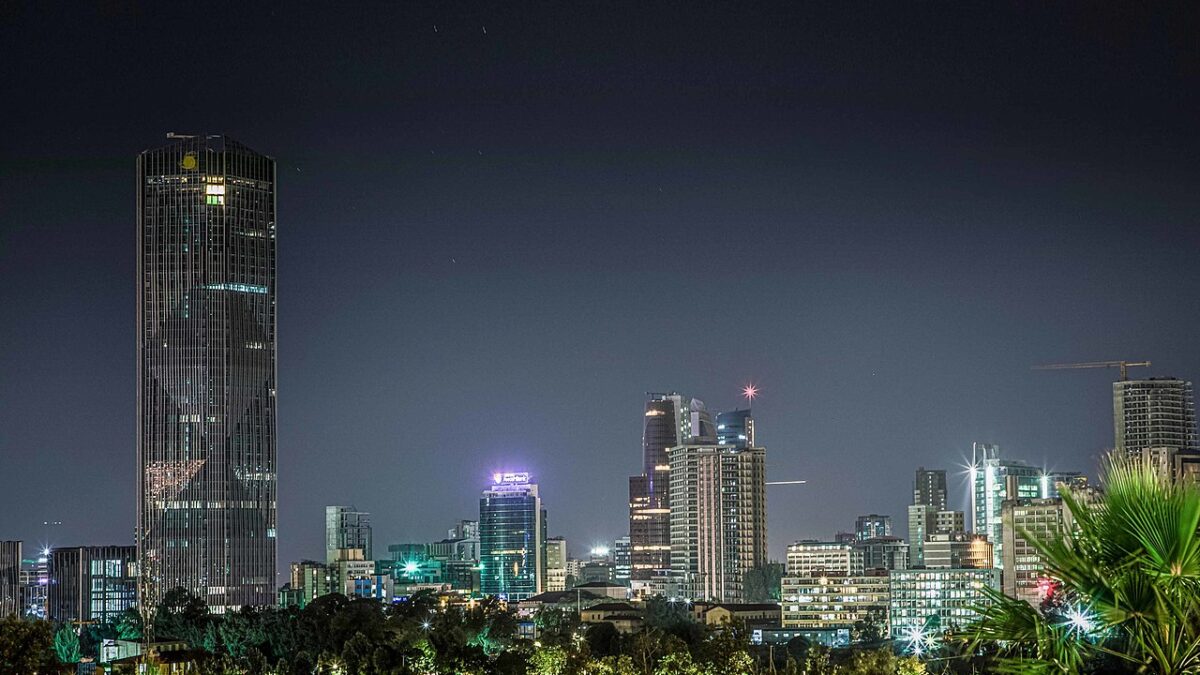
This Addis Ababa travel guide reveals a city where ancient traditions meet burgeoning modernity, offering a unique cultural immersion. Visitors can explore significant historical sites, savor distinct Ethiopian cuisine, and experience the warmth of its people, all at accessible price points. This guide details costs, neighborhoods, and itineraries for a fulfilling trip.
Addis Ababa, the “New Flower,” serves as a vital hub for African diplomacy and a gateway to Ethiopia’s rich history. It is a city of contrasts, from the bustling Merkato, one of Africa’s largest open-air markets, to the serene National Museum housing ancient human fossils. The distinct flavors of Ethiopian food, characterized by injera and flavorful stews, are a significant draw for culinary travelers.
Who This Guide Is For
This guide is tailored for first-time visitors planning a 3-5 day trip to Addis Ababa who seek a balanced experience of culture, history, and local life. It is particularly beneficial for budget-conscious travelers aiming to spend under $100 per day and those interested in experiencing authentic Ethiopian cuisine.
Average Travel Cost in Addis Ababa
The following table outlines average daily travel costs in Addis Ababa, Ethiopia, for 2026. These figures are based on an exchange rate of 1 USD = 55 ETB (Br).
| Category | Budget | Mid-Range | Luxury |
|---|---|---|---|
| Accommodation | $25 | $70 | $150 |
| Food | $15 | $35 | $70 |
| Transport | $5 | $20 | $50 |
| Attractions | $10 | $30 | $60 |
| Misc | $10 | $20 | $40 |
| Daily Total | $65 | $175 | $370 |
Estimated Total Costs:
* 3-Day Trip:
* Budget: $195
* Mid-Range: $525
* Luxury: $1110
* 7-Day Trip:
* Budget: $455
* Mid-Range: $1225
* Luxury: $2590
For accommodation, opting for Airbnb-style apartments can offer savings, particularly for longer stays or groups, by providing kitchen facilities and more space compared to hotels. A mid-range hotel might cost $70 per night, while a comparable Airbnb could range from $30-$50, potentially saving $100-$200 over a week.
Prices are generally highest during the peak season, from October to February, due to favorable weather conditions. Shoulder seasons (March-May, September) offer a balance of good weather and slightly lower prices. The off-season (June-August) typically sees the lowest rates, though it coincides with the rainy season.
Where to Stay in Addis Ababa
Bole
Bole is the modern commercial and diplomatic heart of Addis Ababa, known for its upscale hotels, international restaurants, and proximity to Bole International Airport.
* Price Range (per night): Budget $20-$40, Mid-Range $60-$100
* Best for: Business travelers, those seeking convenience and modern amenities, first-time visitors.
* Insider Tip: Many of the city’s best cafes and bakeries are concentrated here; explore them in the morning for a relaxed start to your day.
Arada (Piazza)
Arada, historically known as Piazza, is the old city center, characterized by its colonial-era architecture, bustling markets, and a more traditional Ethiopian atmosphere.
* Price Range (per night): Budget $15-$30, Mid-Range $40-$70
* Best for: Travelers interested in history, culture, and experiencing local life; budget-conscious visitors.
* Insider Tip: Wander the side streets to discover hidden artisan shops and small, authentic eateries frequented by locals.
Kazanchis
Kazanchis is a rapidly developing area, home to many government ministries, international organizations, and a growing number of modern apartments and hotels, offering a blend of business and residential appeal.
* Price Range (per night): Budget $25-$50, Mid-Range $70-$120
* Best for: Travelers attending conferences, those seeking a central location with good access to both old and new parts of the city.
* Insider Tip: This area offers excellent views of the city, especially from higher floors; inquire about rooftop bars or restaurants.
Best Things to Do in Addis Ababa
National Museum of Ethiopia
This museum houses a significant collection of Ethiopian art and historical artifacts, most famously including the fossilized remains of “Lucy,” an early hominid dating back 3.2 million years. It provides crucial context to Ethiopia’s ancient past and its role in human evolution.
* Average Ticket Price: $10
* Best Time to Visit: Weekdays, preferably in the morning, to avoid larger tour groups.
* Insider Tip: Allocate at least two hours for a thorough exploration. The museum is less crowded on weekday mornings.
Holy Trinity Cathedral
As the highest-ranking Ethiopian Orthodox cathedral, Holy Trinity is the burial place of Emperor Haile Selassie and Empress Menen. Its stunning architecture, intricate stained-glass windows, and serene atmosphere make it a significant spiritual and historical landmark.
* Average Ticket Price: $10 (includes access to the cathedral and museum)
* Best Time to Visit: Mid-morning, after the early religious services have concluded.
* Insider Tip: Dress respectfully, covering shoulders and knees. Photography inside the main sanctuary may be restricted.
Merkato
Merkato is one of Africa’s largest open-air markets, a vibrant and chaotic labyrinth where virtually anything can be bought or sold, from spices and textiles to electronics and livestock. It is an unparalleled experience of local commerce and daily life.
* Average Ticket Price: Free (purchases are optional)
* Best Time to Visit: Weekdays, late morning to early afternoon. Avoid weekends for a less overwhelming experience.
* Insider Tip: Consider hiring a local guide to navigate the vast market effectively and safely, and to help with bargaining.
Entoto Hill
Offering panoramic views of Addis Ababa, Entoto Hill is a natural escape dotted with eucalyptus forests and historic churches, including the Entoto Maryam Church. It’s a place for scenic walks and a glimpse into the city’s beginnings.
* Average Ticket Price: Free (transportation costs apply)
* Best Time to Visit: Clear days, typically from September to March, for optimal visibility. Early morning or late afternoon offer softer light.
* Insider Tip: Bring comfortable walking shoes and a light jacket, as it can be cooler at higher elevations.
Red Terror Martyrs’ Memorial Museum
This museum serves as a somber reminder of the atrocities committed during the Derg regime in the 1970s and 1980s. It displays artifacts, photographs, and personal accounts detailing the period of political repression and violence.
* Average Ticket Price: $5
* Best Time to Visit: Weekdays during opening hours.
* Insider Tip: The exhibits are graphic and emotionally challenging; prepare yourself for a profound historical account.
Yekatit 12 Monument (Arat Kilo Square)
This monument commemorates the victims of the Italian bombing of Addis Ababa in 1937. It stands as a significant historical marker in Arat Kilo Square, a central point for public gatherings and a testament to Ethiopia’s resilience.
* Average Ticket Price: Free
* Best Time to Visit: Any time of day, but it is particularly impactful when viewed in conjunction with nearby historical sites.
* Insider Tip: This area is a good starting point for exploring other historical landmarks in the vicinity, such as the Parliament building.
Where to Eat in Addis Ababa
* Cuisine: Traditional Ethiopian
* Price Range: $5-$15 per meal
* What to Order: Doro Wat (spicy chicken stew), Tibs (sautéed meat), Injera (sourdough flatbread)
* Location Tip: Restaurants like Yod Abyssinia or Kategna offer authentic experiences with traditional music and dance.
* Cuisine: Italian-Ethiopian Fusion
* Price Range: $10-$25 per meal
* What to Order: Dishes incorporating local spices with Italian pasta or pizza bases.
* Location Tip: Restaurants in the Kazanchis area often feature this blend, catering to an international palate.
* Cuisine: International (various)
* Price Range: $15-$30 per meal
* What to Order: Depends on the restaurant, but options range from French pastries to Indian curries.
* Location Tip: Bole offers the widest selection of international dining, from casual cafes to fine dining establishments.
* Cuisine: Street Food
* Price Range: $1-$5 per item
* What to Order: Sambusas (savory pastries), roasted corn, fresh fruit juices.
* Location Tip: Explore the areas around Merkato or local markets for authentic and affordable street food vendors.
3-Day Addis Ababa Itinerary
Day 1
* Morning: Begin with a visit to the National Museum of Ethiopia to understand the country’s deep historical roots.
* Afternoon: Explore the Holy Trinity Cathedral, a significant religious and architectural site. Afterwards, take a walk through the grounds of the nearby Parliament building.
* Evening: Experience traditional Ethiopian dining with live music and dance at a venue like Yod Abyssinia.
* Estimated Daily Cost: $80 (Mid-Range)
Day 2
* Morning: Immerse yourself in the vibrant chaos of Merkato, Africa’s largest open-air market.
* Afternoon: Ascend Entoto Hill for panoramic city views and a visit to the Entoto Maryam Church.
* Evening: Enjoy a relaxed dinner in the Bole district, exploring one of its many international or fusion restaurants.
* Estimated Daily Cost: $70 (Mid-Range)
Day 3
* Morning: Visit the Red Terror Martyrs’ Memorial Museum for a poignant historical perspective.
* Afternoon: Explore the Arada (Piazza) district, admiring its colonial architecture and browsing local artisan shops.
* Evening: Conclude your trip with a farewell dinner, perhaps revisiting a favorite cuisine or trying a local cafe for coffee.
* Estimated Daily Cost: $60 (Mid-Range)
Transportation Guide
Upon arrival at Bole International Airport (ADD), taxis are readily available. Agree on a fare before commencing your journey, or ensure the meter is used. For intra-city travel, blue and white minibuses are the most economical public transit option, though they can be crowded and follow specific routes. Rideshare apps like Ride are increasingly popular and offer a convenient and often more transparent pricing system, with rides typically costing between $3-$10 depending on distance. Many hotels can arrange private car services for a higher fee. For those looking to explore beyond the city, hiring a car and driver for day trips is a viable option. Navigating Addis Ababa without a private car is feasible, especially within central areas, by utilizing a combination of rideshare services and taxis. This is a key consideration when comparing to destinations like Stone Town, where walking is often the primary mode of transport.
Money-Saving Tips
Pro Tip 1: Utilize local minibuses for inter-city travel, which can reduce daily transport costs to under $5, compared to $20-$50 for taxis or private hires.
Pro Tip 2: Eat at local “fast food” establishments or markets, where a full meal can cost as little as $3-$7, significantly less than the $15-$30 average at tourist-oriented restaurants.
Pro Tip 3: Purchase souvenirs directly from artisans in local markets rather than hotel gift shops; bargaining can yield savings of 20-40%.
Common Travel Mistakes
Mistake 1: Over-reliance on taxis without agreeing on a fare beforehand or using the meter can lead to inflated prices. Always clarify the cost before starting your journey or use rideshare apps for transparent pricing.
Mistake 2: Underestimating the altitude of Addis Ababa (over 2,300 meters) can result in altitude sickness. Take it easy on your first day, stay hydrated, and avoid strenuous activities and excessive alcohol consumption.
Frequently Asked Questions
How much money do you need for 3 days in Addis Ababa?
For a 3-day trip to Addis Ababa, budget travelers can expect to spend approximately $195. Mid-range travelers should budget around $525, while luxury travelers may allocate $1110 or more, covering accommodation, food, transport, and activities.
Is Addis Ababa expensive for tourists?
Addis Ababa is generally considered affordable for tourists, especially when compared to major European or North American cities. A budget traveler can comfortably manage on $65 per day, while mid-range options are accessible at $175 per day, as detailed in our Africa travel guides.
What is the best area to stay in Addis Ababa?
For first-time visitors seeking convenience and modern amenities, the Bole district is recommended. Travelers interested in history and local culture may prefer the Arada (Piazza) area. Kazanchis offers a central location with a mix of business and residential appeal.
Can you visit Addis Ababa without a car?
Yes, it is entirely feasible to visit Addis Ababa without a car. The city has a growing rideshare service (Ride), readily available taxis, and a public minibus system. Many key attractions are also within walking distance in certain neighborhoods.
What is the cheapest month to visit Addis Ababa?
The cheapest time to visit Addis Ababa is typically during the off-season, which generally falls between June and August, coinciding with the rainy season. However, prices can also be lower during the shoulder months of March to May and September.

Kai has visited 60+ countries across 6 continents, with a obsession for one thing most travelers ignore: the real cost of getting there. Former budget backpacker turned data-driven travel writer, Kai breaks down destination costs so you can plan smarter — not just dream bigger. Based everywhere, from nowhere in particular.