Tbilisi: Where East Meets West, Tastefully
Why Visit Tbilisi?
This comprehensive Tbilisi travel guide highlights a city where Eastern and Western influences converge, offering affordability, rich history, and exceptional cuisine. With daily expenses averaging $60 for budget travelers and $170 for mid-range, visitors can explore ancient fortresses, vibrant sulfur baths, and sample diverse culinary delights. Plan your itinerary to experience its unique charm.
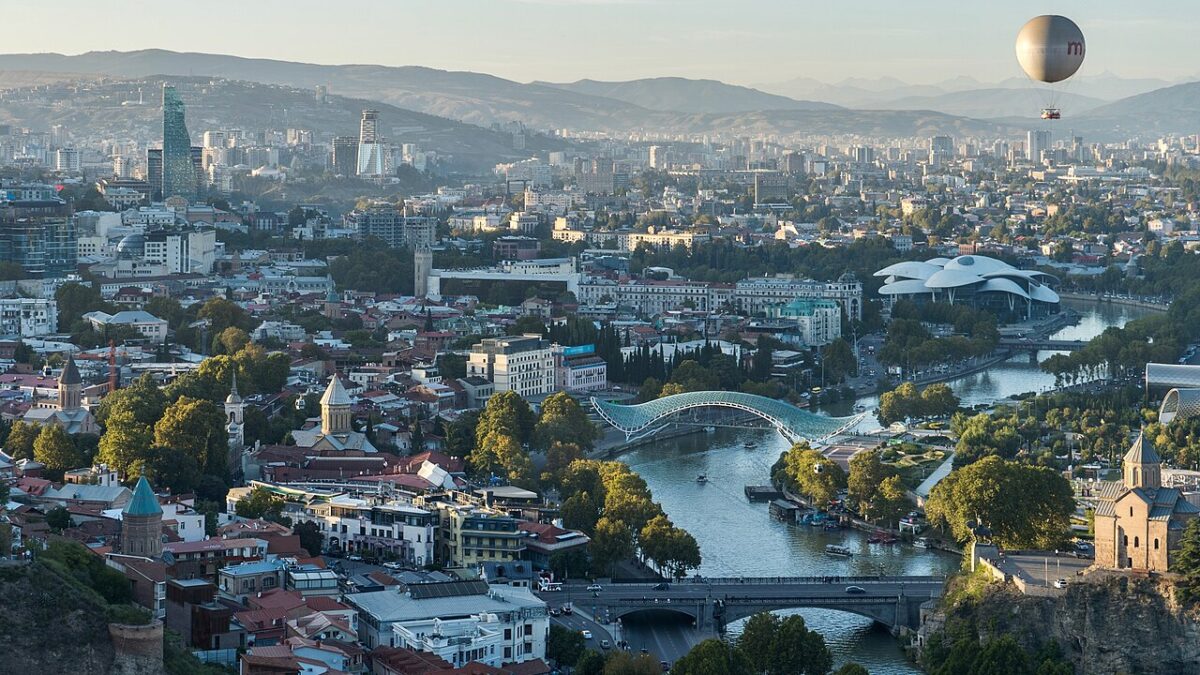
Tbilisi’s appeal lies in its captivating blend of old and new. Cobblestone streets wind through historic Old Town, leading to modern architectural marvels and bustling marketplaces. The city provides an accessible gateway to Georgia’s burgeoning tourism scene, promising authentic cultural immersion without exorbitant costs, making it an increasingly attractive destination for discerning travelers.
Who This Guide Is For
This guide is designed for first-time visitors planning a 3-7 day trip to Tbilisi. It caters to budget-conscious and mid-range travelers seeking practical information on costs, accommodation, and itinerary planning. Food enthusiasts and those interested in cultural exploration will find specific recommendations tailored to their interests.
Average Travel Cost in Tbilisi
| Category | Budget | Mid-Range | Luxury |
|---|---|---|---|
| Accommodation | $25 | $70 | $200 |
| Food | $15 | $35 | $80 |
| Transport | $5 | $20 | $60 |
| Attractions | $10 | $30 | $70 |
| Misc | $5 | $15 | $30 |
| Daily Total | $60 | $170 | $440 |
Estimated total costs for different trip durations:
* 3-Day Trip:
* Budget: $180
* Mid-Range: $510
* Luxury: $1320
* 7-Day Trip:
* Budget: $420
* Mid-Range: $1190
* Luxury: $3080
When comparing accommodation styles, Airbnb-style apartments often present a cost-saving advantage for longer stays or groups, typically offering better value per square meter than hotels. For instance, a week-long stay in a mid-range Airbnb might cost $400-$500, whereas a mid-range hotel for the same duration could range from $500-$700, excluding potential resort fees. This difference becomes more pronounced for budget travelers seeking kitchen facilities to prepare their own meals.
Seasonal price fluctuations are noticeable. The peak seasons of April to June and September to October offer pleasant weather but higher accommodation and flight prices. Shoulder seasons (late March, early July, August, late October) can provide a balance of good weather and more moderate costs. The off-season (November to February) sees the lowest prices but also colder temperatures and reduced daylight hours.
Where to Stay in Tbilisi
### Old Town (Altstadt)
Known for its historic charm, labyrinthine streets, and proximity to major attractions like sulfur baths and Narikala Fortress.
* Price Range: Budget $30-$50/night, Mid-Range $80-$150/night.
* Best For: First-time visitors, history buffs, and those who prefer to be within walking distance of key sights.
* Insider Tip: Opt for accommodations on quieter side streets to mitigate noise from evening entertainment.
### Vera
This bohemian neighborhood offers a more local feel with leafy boulevards, charming cafes, and independent boutiques. It’s a hub for artistic expression and relaxed living.
* Price Range: Budget $25-$45/night, Mid-Range $60-$100/night.
* Best For: Travelers seeking an authentic neighborhood experience, artists, and those who appreciate a slower pace.
* Insider Tip: Explore the smaller side streets for hidden architectural gems and local artisan shops.
### Avlabari
Historically a diverse district, Avlabari is now undergoing modernization while retaining its unique character. It offers excellent views of the Old Town and is home to the Holy Trinity Cathedral.
* Price Range: Budget $20-$40/night, Mid-Range $50-$90/night.
* Best For: Budget travelers, those interested in religious sites, and visitors who don’t mind a slightly longer walk or short public transport ride to the city center.
* Insider Tip: Seek out traditional Georgian bakeries in Avlabari for authentic khachapuri.
Best Things to Do in Tbilisi
Narikala Fortress
This ancient fortress, dating back to the 4th century, offers panoramic views of the city and the Mtkvari River. It’s a testament to Tbilisi’s long and complex history.
* Average Ticket Price: Free to enter the grounds. Cable car ride costs approximately $2.
* Best Time to Visit: Weekdays, early morning or late afternoon to avoid crowds and enjoy softer light for photography.
* Insider Tip: Hike up from the Old Town for a more immersive experience, or take the cable car for quick access and stunning aerial views.
Abanotubani Sulfur Baths
These distinct domed bathhouses are built over natural hot springs, offering a unique and therapeutic experience. Legend states that Tbilisi was founded due to these sulfur springs.
* Average Ticket Price: Public baths start around $10-$15 for an hour. Private rooms are more expensive.
* Best Time to Visit: Late evening for a more relaxed atmosphere, or book a private room to avoid crowds.
* Insider Tip: Book private rooms in advance, especially for groups, and consider bringing your own towel and slippers to save on rental fees.
The Chronicle of Georgia
A monumental structure depicting key events and figures in Georgian history and Christianity. It’s a less-visited but highly impactful site offering a powerful visual narrative.
* Average Ticket Price: Free.
* Best Time to Visit: Late afternoon for sunset views over the city.
* Insider Tip: Take public transport or a taxi as it’s located on a hill outside the immediate city center. Wear comfortable shoes for exploring the vast grounds.
Rustaveli Avenue
Tbilisi’s main thoroughfare, this grand avenue is lined with museums, theaters, cafes, and government buildings, showcasing the city’s Soviet-era and modern architectural styles.
* Average Ticket Price: Free to walk; museum entry fees vary.
* Best Time to Visit: Daytime for exploring shops and museums, or evening for its lively atmosphere.
* Insider Tip: Explore side streets off Rustaveli for unique boutiques and less crowded dining options.
Holy Trinity Cathedral of Tbilisi (Sameba)
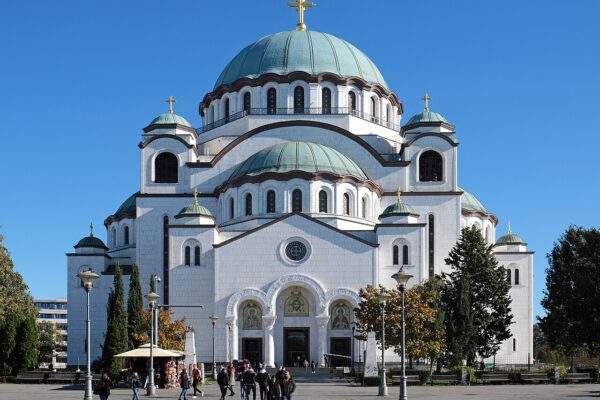
The largest cathedral in Georgia, this impressive Orthodox cathedral is a symbol of Georgia’s religious revival and national identity. Its grandeur is visible from many parts of the city.
* Average Ticket Price: Free.
* Best Time to Visit: Early morning to experience its serenity or during a service to witness its spiritual atmosphere.
* Insider Tip: Dress respectfully; shoulders and knees should be covered. Visitors can explore the grounds and the interior.
Bridge of Peace
A contemporary pedestrian bridge made of glass and steel, offering a striking contrast to the historic architecture. It connects Rike Park to the Old Town.
* Average Ticket Price: Free.
* Best Time to Visit: Dusk or night when it is illuminated, creating a magical ambiance.
* Insider Tip: Combine a visit with a stroll through Rike Park, which offers excellent photo opportunities of the bridge and the city skyline.
Where to Eat in Tbilisi
* Khachapuri & Khinkali:
* Cuisine: Georgian National
* Price Range: $5-$15 per meal.
* What to Order: Adjaruli Khachapuri (boat-shaped bread with cheese, egg, and butter), Imeruli Khachapuri (round bread with cheese), and Khinkali (dumplings with various fillings).
* Location Tip: Explore local “sakhli” (house) restaurants for authentic, home-style cooking.
* Georgian Supra Experience:
* Cuisine: Georgian Feast
* Price Range: $30-$60 per person for a set menu.
* What to Order: A multi-course meal featuring a wide array of Georgian dishes, often accompanied by traditional toasts and music.
* Location Tip: Many restaurants in the Old Town offer supra experiences; research reviews for quality and authenticity.
* Modern Georgian Cuisine:
* Cuisine: Contemporary Georgian
* Price Range: $20-$40 per meal.
* What to Order: Innovative interpretations of traditional dishes, often focusing on seasonal ingredients and refined presentation.
* Location Tip: Look for restaurants in newer developments or areas like Vera and Sololaki for modern dining.
* Street Food Delights:
* Cuisine: Georgian Snacks
* Price Range: $2-$5 per item.
* What to Order: Lobiani (bean-filled bread), Mchadi (cornbread), Churchkhela (walnut and grape must candy).
* Location Tip: Stalls are frequently found near markets and tourist hubs, particularly around the Dry Bridge Market.
3-Day Tbilisi Itinerary
Day 1
* Morning: Arrive in Tbilisi, check into accommodation. Begin exploration in the Old Town, visiting Narikala Fortress via cable car for panoramic views.
* Afternoon: Descend to Abanotubani and experience the historic sulfur baths. Explore the charming streets of the Old Town, visiting Sioni Cathedral.
* Evening: Enjoy a traditional Georgian Supra dinner with wine in the Old Town.
* Estimated Daily Cost: $75 (Budget), $190 (Mid-Range), $450 (Luxury)
Day 2
* Morning: Visit the Holy Trinity Cathedral (Sameba). Afterward, explore the Avlabari district.
* Afternoon: Wander along Rustaveli Avenue, visiting the Georgian National Museum. Stroll across the Bridge of Peace and relax in Rike Park.
* Evening: Experience modern Georgian cuisine in the Vera or Sololaki district.
* Estimated Daily Cost: $65 (Budget), $180 (Mid-Range), $430 (Luxury)
Day 3
* Morning: Take a day trip to Mtskheta, Georgia’s ancient capital, visiting Svetitskhoveli Cathedral and Jvari Monastery.
* Afternoon: Return to Tbilisi. Visit the Dry Bridge Market for souvenirs and local crafts.
* Evening: Enjoy a farewell dinner at a restaurant of your choice, perhaps exploring more local eateries.
* Estimated Daily Cost: $70 (Budget), $190 (Mid-Range), $440 (Luxury)
Transportation Guide
Getting from Tbilisi International Airport (TBS) to the city center is straightforward. Bus number 337 operates 24/7, costing approximately $0.50, and takes about 40 minutes to reach the main train station. Taxis are readily available, with official airport taxis costing around $20-$25 to most central locations; ride-sharing apps like Bolt are also a cost-effective alternative.
Public transport within Tbilisi consists of a metro system and buses. The metro is efficient for covering longer distances, with a single ride costing approximately $0.20. Buses cover a more extensive network, also costing around $0.20 per ride. A Metromoney card can be purchased for convenience and is rechargeable.
Rideshare services, primarily Bolt, are widely available and offer a convenient and economical way to navigate the city, especially for late-night travel or when carrying luggage. Fares are generally competitive with public transport for short distances and significantly cheaper than traditional taxis in many other European capitals.
Practical tips include downloading offline maps, as some areas may have spotty mobile service. For buses, have small denominations of cash ready or use the Metromoney card. When using taxis or ride-sharing apps, confirm the fare or estimated arrival time before commencing your journey.
Money-Saving Tips
Pro Tip 1: Utilize the extensive public bus and metro system, which costs approximately $0.20 per ride, significantly reducing daily transport expenses compared to taxis or ride-sharing services, especially for journeys over 3 kilometers.
Pro Tip 2: Embrace local markets and bakeries for meals. Purchasing khachapuri or lobiani from street vendors or market stalls can cost as little as $1-$3, offering a substantial saving over restaurant meals, which average $15-$35.
Pro Tip 3: Take advantage of free attractions like Narikala Fortress, the Bridge of Peace, and Holy Trinity Cathedral. Many museums offer discounted entry on specific days or have lower fees for students and seniors. Plan your visits to maximize free experiences.
Common Travel Mistakes
Mistake 1: Over-reliance on credit cards. While many establishments accept cards, smaller shops, markets, and some local eateries operate on a cash-only basis. It is advisable to carry a moderate amount of Georgian Lari (GEL) for daily transactions.
Mistake 2: Not learning basic Georgian phrases. While English is spoken in tourist areas, knowing a few simple phrases like “Gamarjoba” (Hello) and “Madloba” (Thank you) can enhance interactions with locals and lead to more authentic experiences.
Frequently Asked Questions
How much money do you need for 3 days in Tbilisi?
For a 3-day trip to Tbilisi, budget travelers can expect to spend around $180, covering accommodation, food, transport, and basic attractions. Mid-range travelers should allocate approximately $510, while luxury travelers might budget around $1320 for a similar duration. Use our travel cost calculator to get a personalized estimate.
Is Tbilisi expensive for tourists?
Tbilisi is generally considered an affordable destination, especially when compared to Western European capitals. Daily costs for budget travelers are around $60, with mid-range options at $170. This affordability allows for extended stays and exploration of more activities. Check travel costs in Quito for a comparison with another capital city.
What is the best area to stay in Tbilisi?
The Old Town (Altstadt) is ideal for first-time visitors due to its proximity to attractions. Vera offers a more local, bohemian vibe, while Avlabari is a good option for budget travelers and those interested in religious sites. For those looking for a different urban experience, you might also enjoy Compare with Kuala Lumpur.
Can you visit Tbilisi without a car?
Yes, Tbilisi is easily navigable without a car. The city has an efficient public transport system, including a metro and buses, and ride-sharing services like Bolt are widely available and affordable. Many central attractions are also within walking distance. For a broader perspective on travel in the region, consult Browse Asia travel guides.
What is the cheapest month to visit Tbilisi?
The cheapest months to visit Tbilisi are typically from November to February, which constitute the off-season. During this period, accommodation and flight prices are at their lowest, though the weather is colder. For a deeper dive into the country, explore our complete Georgia travel guide.

Kai has visited 60+ countries across 6 continents, with a obsession for one thing most travelers ignore: the real cost of getting there. Former budget backpacker turned data-driven travel writer, Kai breaks down destination costs so you can plan smarter — not just dream bigger. Based everywhere, from nowhere in particular.