Bologna Itinerary Length Guide: How Many Days to Spend
How Many Days Do You Need in Bologna?
For a foundational experience of Bologna, a minimum of 2 days is recommended. This allows for a focused exploration of the city’s most iconic landmarks and a taste of its renowned culinary scene. An ideal trip duration of 3 to 4 days provides a more comprehensive understanding, enabling deeper dives into its historical districts, museums, and surrounding gastronomic treasures. For those wishing to explore beyond the city center or engage in more leisurely pursuits, a 5 to 7-day stay offers ample opportunity for enriching day trips and discovering Bologna’s lesser-known facets.
Quick Visit: 1-2 Days
A 1-2 day visit to Bologna is suitable for travelers with limited time who wish to experience the city’s highlights. This condensed itinerary focuses on the core attractions, prioritizing key historical sites and a sample of the local cuisine. While comprehensive exploration is not feasible, this duration allows for an introduction to Bologna’s charm.
Day 1: Historical Core & Culinary Introduction
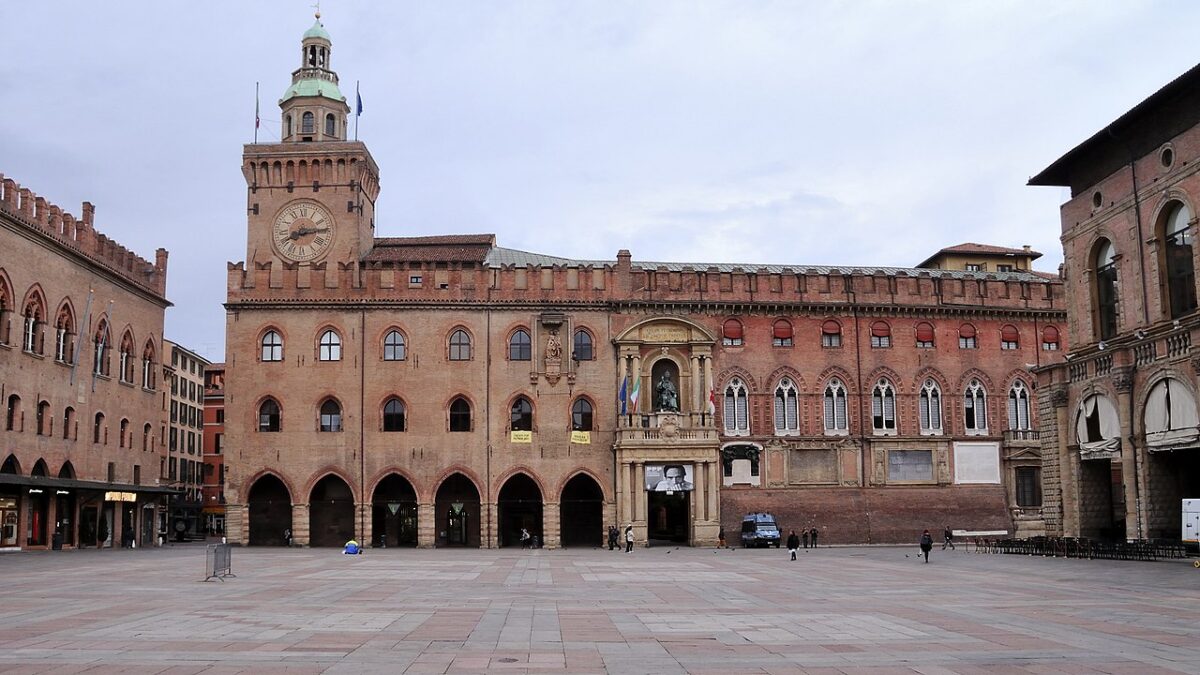
- Morning: Piazza Maggiore, Basilica di San Petronio, Palazzo d’Accursio.
- Afternoon: Climb the Asinelli Tower for panoramic views, explore Quadrilatero market.
- Evening: Enjoy a traditional Bolognese dinner in the historic center.
Day 2 (Optional, if 2 days): Art & Academia
- Morning: Visit the Archiginnasio of Bologna and the anatomical theatre.
- Afternoon: Explore the Pinacoteca Nazionale di Bologna.
- Evening: Relax with an aperitivo and a final Bolognese meal.
Ideal Trip: 3-4 Days
A 3-4 day trip is considered the sweet spot for experiencing Bologna. This duration allows for a balanced exploration of the city’s rich history, vibrant culture, and world-famous gastronomy without feeling rushed. You can comfortably visit major attractions, wander through charming porticoed streets, indulge in multiple culinary experiences, and even venture slightly outside the immediate city center.
Day 1: Medieval Heart & Towers
- Morning: Piazza Maggiore, Basilica di San Petronio, Palazzo d’Accursio.
- Afternoon: Ascend the Asinelli Tower, explore the Quadrilatero for local produce and artisan shops.
- Evening: Dinner in the Quadrilatero, sampling regional specialties.
Day 2: Art, History & University Life
- Morning: Archiginnasio of Bologna, Anatomical Theatre, and the Biblioteca Salaborsa.
- Afternoon: Visit the Pinacoteca Nazionale di Bologna. Explore the university district.
- Evening: Aperitivo in the university area, followed by a pasta-making class or a traditional trattoria experience.
Day 3: Further Exploration & Local Flavors
- Morning: Visit the Sanctuary of the Madonna di San Luca via the scenic portico.
- Afternoon: Explore the Jewish Ghetto and the Museo Civico Medievale.
- Evening: Enjoy a refined dining experience or explore a different neighborhood for dinner.
If opting for 4 days, an additional day can be dedicated to a deeper exploration of specific interests, such as a visit to the Museo del Patrimonio Industriale, a leisurely exploration of the Giardini Margherita, or a dedicated food tour focusing on specific products like mortadella or Parmigiano Reggiano.
Extended Stay: 5-7 Days
A 5-7 day stay in Bologna offers the opportunity to fully immerse yourself in the city’s atmosphere and explore its surroundings. This extended duration is ideal for those who prefer a slower pace, wish to delve into niche interests, or plan day trips to nearby attractions. It allows for a more relaxed exploration of Bologna’s many facets and provides ample time to savor its gastronomic offerings.
Day Trips:
- Modena: (Approx. 20-30 minutes by train) Visit the balsamic vinegar producers, the Enzo Ferrari Museum, and the Duomo.
- Parma: (Approx. 1 hour by train) Explore the home of Parmigiano Reggiano and Prosciutto di Parma, visit the Duomo and Baptistery.
- Ravenna: (Approx. 1 hour 15 minutes by train) Discover its UNESCO World Heritage Byzantine mosaics.
- Ferrara: (Approx. 30-45 minutes by train) Explore the Este Castle and the Renaissance city center.
Deeper Exploration within Bologna:
- Visit smaller museums like the Museo Civico Archeologico or the Museo della Resistenza.
- Explore less-visited neighborhoods and local markets.
- Take a cooking class focusing on specific regional dishes.
- Enjoy extended leisurely meals and coffee breaks in charming piazzas.
- Explore the local parks and green spaces.
An extended stay allows for a more holistic understanding of the Emilia-Romagna region, with Bologna serving as an excellent base for discovering the diverse cultural and culinary landscapes of northern Italy. Refer to our comprehensive Bologna travel guide for more detailed information.
Sample 3-Day Itinerary
Day 1: The Heart of Bologna – History and Heights
Morning (9:00 AM – 1:00 PM): Begin at Piazza Maggiore, Bologna’s main public square. Visit the imposing Basilica di San Petronio, noting its unfinished facade. Explore the Palazzo d’Accursio, the city hall, which houses civic art collections. Estimated cost: Entrance to Basilica is free, Palazzo d’Accursio museum (optional): $10 USD.
Afternoon (1:00 PM – 5:00 PM): Ascend the medieval Asinelli Tower (Torre degli Asinelli) for breathtaking panoramic views of Bologna’s terracotta rooftops and surrounding plains. Afterwards, immerse yourself in the vibrant Quadrilatero, Bologna’s historic market district, browsing local produce, cheeses, cured meats, and artisan crafts. Estimated cost: Asinelli Tower ticket: $8 USD, Lunch at a trattoria in Quadrilatero: $25 USD.
Evening (5:00 PM onwards): Enjoy an aperitivo in the Quadrilatero, followed by dinner at a traditional trattoria. Sample classic Bolognese dishes such as Tagliatelle al Ragù or Tortellini in Brodo. Estimated cost: Aperitivo: $12 USD, Dinner: $40 USD.
Estimated Daily Cost: $95 USD
Day 2: Artistic Treasures and Academic Roots
Morning (9:30 AM – 1:00 PM): Explore the Archiginnasio of Bologna, the historic seat of the University of Bologna, and marvel at its stunning anatomical theatre and richly decorated Sala dello Stabat Mater. Adjacent is the Biblioteca Salaborsa, a modern library with Roman ruins visible beneath its glass floor. Estimated cost: Archiginnasio: $5 USD (includes anatomical theatre).
Afternoon (1:00 PM – 5:00 PM): Visit the Pinacoteca Nazionale di Bologna, housing an impressive collection of Emilian art from the 13th to the 18th centuries, including works by Raphael and Titian. Afterwards, wander through the university district, soaking in the youthful atmosphere and historic architecture. Estimated cost: Pinacoteca Nazionale: $10 USD, Lunch near the university: $20 USD.
Evening (5:00 PM onwards): Participate in a hands-on pasta-making class to learn the art of creating fresh Bolognese pasta, or opt for a relaxed dinner at a restaurant known for its innovative take on regional cuisine. Estimated cost: Pasta-making class: $70 USD, or Dinner: $45 USD.
Estimated Daily Cost: $110 – $145 USD
Day 3: Spiritual Heights and Hidden Corners
Morning (9:00 AM – 1:00 PM): Embark on a walk (or bus ride) up to the Sanctuary of the Madonna di San Luca. The journey itself is a highlight, traversing the world’s longest portico, a UNESCO World Heritage site, comprising over 3.8 kilometers and 666 arches. Enjoy the serene atmosphere and the views from the sanctuary. Estimated cost: Bus ticket (optional): $2 USD.
Afternoon (1:00 PM – 5:00 PM): Descend back into the city and explore the historic Jewish Ghetto, a charming area with narrow streets and historic buildings. Visit the Museo Civico Medievale, which showcases medieval art and artifacts, offering insights into Bologna’s past. Estimated cost: Museo Civico Medievale: $8 USD, Lunch in the Ghetto: $22 USD.
Evening (5:00 PM onwards): Conclude your trip with a final, memorable dinner. Consider a restaurant in the San Vitale district for a more local feel or revisit a favorite spot for a last taste of Bolognese excellence. Estimated cost: Dinner: $50 USD.
Estimated Daily Cost: $82 USD
Itinerary Planning Tips
Pacing: Avoid over-scheduling. Bologna is a city meant to be savored. Allow for spontaneous detours, leisurely coffee breaks, and extended meals. A 3-4 day itinerary provides a good balance between seeing key sights and experiencing the city’s relaxed pace.
Transit: Bologna’s historic center is highly walkable, and many attractions are within close proximity. For longer distances, such as the Sanctuary of the Madonna di San Luca, consider the efficient local bus system. Purchasing a day pass can be cost-effective for extensive travel within a single day.
Neighborhoods: Familiarize yourself with key neighborhoods. The Quadrilatero is ideal for food lovers and shoppers, the University district offers a vibrant atmosphere, and the area around Piazza Maggiore is the historical and administrative heart. Each offers a distinct character and culinary experience.
Reservations: For popular restaurants, especially for dinner, and for specific activities like pasta-making classes or guided food tours, making reservations in advance is strongly recommended. This is particularly true during peak tourist seasons to avoid disappointment.

Kai has visited 60+ countries across 6 continents, with a obsession for one thing most travelers ignore: the real cost of getting there. Former budget backpacker turned data-driven travel writer, Kai breaks down destination costs so you can plan smarter — not just dream bigger. Based everywhere, from nowhere in particular.