How Many Days Do You Need in Addis Ababa?
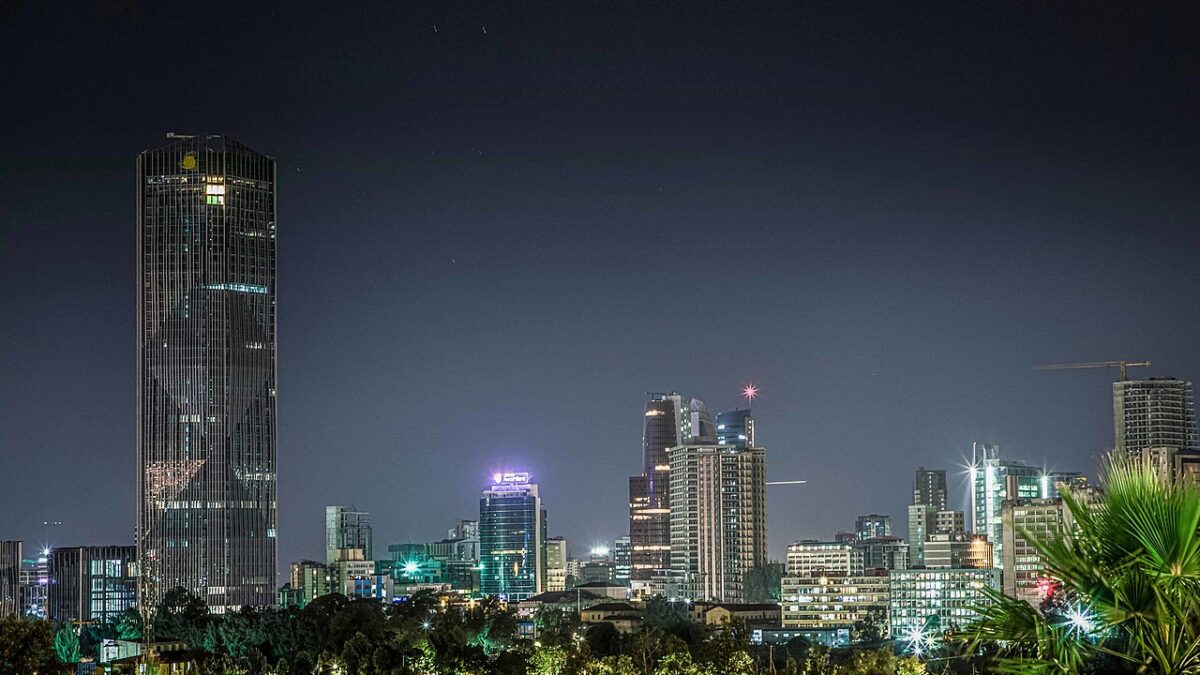
Determining the optimal duration for a visit to Addis Ababa depends on your interests and pace. A minimum of 1-2 days allows for a superficial overview of key historical and cultural sites. An ideal trip of 3-4 days provides a balanced experience, encompassing major attractions and offering a glimpse into local life. For those seeking deeper immersion, day trips, and exploration of less-visited areas, an extended stay of 5-7 days is recommended.
How Many Days Do You Need in Addis Ababa?
For a foundational understanding of Addis Ababa’s historical significance and cultural offerings, a minimum of 1-2 days is essential. This allows for visits to the most prominent museums and monuments. The ideal duration for most travelers is 3-4 days, providing a comprehensive yet manageable exploration of the city’s diverse attractions. An extended stay of 5-7 days is highly beneficial for those who wish to delve into the intricacies of Ethiopian culture, explore neighboring attractions through day trips, or simply enjoy a more relaxed pace of discovery.
Quick Visit: 1-2 Days
A 1-2 day visit to Addis Ababa is a whirlwind tour focused on the city’s most iconic landmarks. This itinerary prioritizes efficiency and covers essential historical and cultural touchstones. It is suitable for travelers with limited time or those using Addis Ababa as a transit point.
- Day 1: Historical Core – Focus on the National Museum of Ethiopia, home to the hominid fossil “Lucy,” and the Holy Trinity Cathedral, a significant religious site. An evening visit to Mercato, one of Africa’s largest open-air markets, offers a vibrant cultural immersion.
- Day 2: Modern Addis & Views – Explore the Ethnological Museum for deeper cultural insights. Visit the Red Terror Martyrs’ Memorial Museum for a somber historical perspective. Conclude with panoramic city views from Entoto Hill.
Ideal Trip: 3-4 Days
A 3-4 day trip is considered the sweet spot for experiencing Addis Ababa. This duration allows for a more in-depth exploration of its museums, historical sites, and cultural experiences without feeling rushed. It also accommodates opportunities to engage with local cuisine and observe daily life.
- Day 1: Historical Foundations – Dedicate the day to the National Museum of Ethiopia and the Holy Trinity Cathedral. Explore the nearby Menelik II Palace and its museum.
- Day 2: Cultural Immersion & Markets – Visit the Ethnological Museum and the Shiro Meda textile market. Spend the afternoon navigating the bustling Mercato, followed by an evening enjoying traditional Ethiopian music and dance.
- Day 3: Art, Religion & Perspectives – Discover the St. George Gallery and the National Art Gallery for local artistic expressions. Visit the Holy Trinity Cathedral if not covered on Day 1, or explore the Pillar of St. George. Ascend Entoto Hill for breathtaking city vistas.
- Day 4 (Optional): Deeper Dives or Relaxation – Revisit favorite spots, explore the Yod Abyssinia Cultural Restaurant for a more immersive dining experience, or visit the Friendship Park for a leisurely afternoon.
Extended Stay: 5-7 Days
For those with more time, an extended stay of 5-7 days in Addis Ababa unlocks opportunities for day trips to surrounding attractions and a more profound understanding of Ethiopian culture and history. This allows for a relaxed pace, spontaneous discoveries, and exploration of off-the-beaten-path locations.
- Day Trips: Consider excursions to historical sites like Debre Libanos Monastery, the Portuguese Bridge, or the volcanic lakes of Bishoftu (Debre Zeyit). A longer day trip could extend to the ancient city of Axum (though this often requires an overnight stay or flight).
- Deeper Exploration: Dedicate more time to specific neighborhoods, explore local art galleries beyond the main ones, visit community projects, or engage in cooking classes.
- Off-the-Beaten-Path: Explore areas like the Italian Quarter for its unique architecture, visit local artisan workshops, or seek out less-touristed religious sites. The Addis Ababa travel guide can offer further insights into these less-common destinations.
Sample 3-Day Itinerary
Day 1: Historical and Spiritual Heart
Morning: Begin at the National Museum of Ethiopia to witness the iconic “Lucy” fossil and other prehistoric artifacts. This provides essential context for Ethiopia’s ancient past. (Estimated cost: $10 for entrance fees)
Afternoon: Visit the Holy Trinity Cathedral, a significant religious and historical site where Emperor Haile Selassie and Empress Menen are buried. Explore the adjacent museum for further insights into Ethiopian royalty and religious history. (Estimated cost: $15 for entrance fees and donation)
Evening: Experience the vibrant chaos of Mercato, one of Africa’s largest open-air markets. Engage with local vendors and observe the daily commerce. Follow this with dinner at a traditional Ethiopian restaurant, sampling injera and various stews. (Estimated cost: $25 for market exploration and dinner)
Day 2: Cultural Insights and Panoramic Views
Morning: Immerse yourself in Ethiopian culture at the Ethnological Museum, showcasing traditional arts, crafts, music, and daily life. (Estimated cost: $10 for entrance fee)
Afternoon: Ascend Entoto Hill, the historical center of Addis Ababa. Visit the Entoto Maryam Church and enjoy breathtaking panoramic views of the sprawling city below. (Estimated cost: $5 for transport and minor site fees)
Evening: Enjoy a cultural performance at a venue like Yod Abyssinia, featuring traditional Ethiopian music and dance. This offers an engaging and lively way to understand local artistic traditions. (Estimated cost: $30 for dinner and show)
Day 3: Art, Remembrance, and Local Life
Morning: Explore the Red Terror Martyrs’ Memorial Museum, a poignant reminder of Ethiopia’s tumultuous past under the Derg regime. (Estimated cost: $5 for entrance fee)
Afternoon: Discover Ethiopian art at the National Art Gallery or visit local galleries in the Bole or Kazanchis areas. Alternatively, explore the Shiro Meda market for traditional Ethiopian textiles and crafts. (Estimated cost: $15 for gallery entrance or market purchases)
Evening: Enjoy a farewell dinner at a restaurant of your choice, perhaps trying a different regional Ethiopian cuisine or a more contemporary dining experience. (Estimated cost: $30 for dinner)
| Category | Estimated Daily Cost (USD) |
|---|---|
| Accommodation (Mid-range) | 50-100 |
| Food | 30-50 |
| Attractions & Activities | 20-40 |
| Local Transportation | 10-20 |
| Total Estimated Daily Cost | 110-210 |
Itinerary Planning Tips
- Pacing: Avoid over-scheduling. Addis Ababa is a large city with significant traffic. Allow ample time for travel between locations and for spontaneous discoveries.
- Transit: Utilize ride-hailing apps like Ride or Ze-Taxi for reliable and relatively inexpensive transportation. Negotiate fares with traditional blue taxis beforehand or ensure they use the meter.
- Neighborhoods: Familiarize yourself with key neighborhoods like Bole (airport, hotels, modern amenities), Kazanchis (business district, restaurants), and Merkato (market). This helps in planning daily routes and understanding the city’s layout.
- Reservations: For popular cultural restaurants or specific tours, making advance reservations is advisable, especially during peak tourist seasons. This ensures availability and a smoother experience.

Kai has visited 60+ countries across 6 continents, with a obsession for one thing most travelers ignore: the real cost of getting there. Former budget backpacker turned data-driven travel writer, Kai breaks down destination costs so you can plan smarter — not just dream bigger. Based everywhere, from nowhere in particular.