The Ultimate Guide: Best Time to Visit Casablanca in 2026
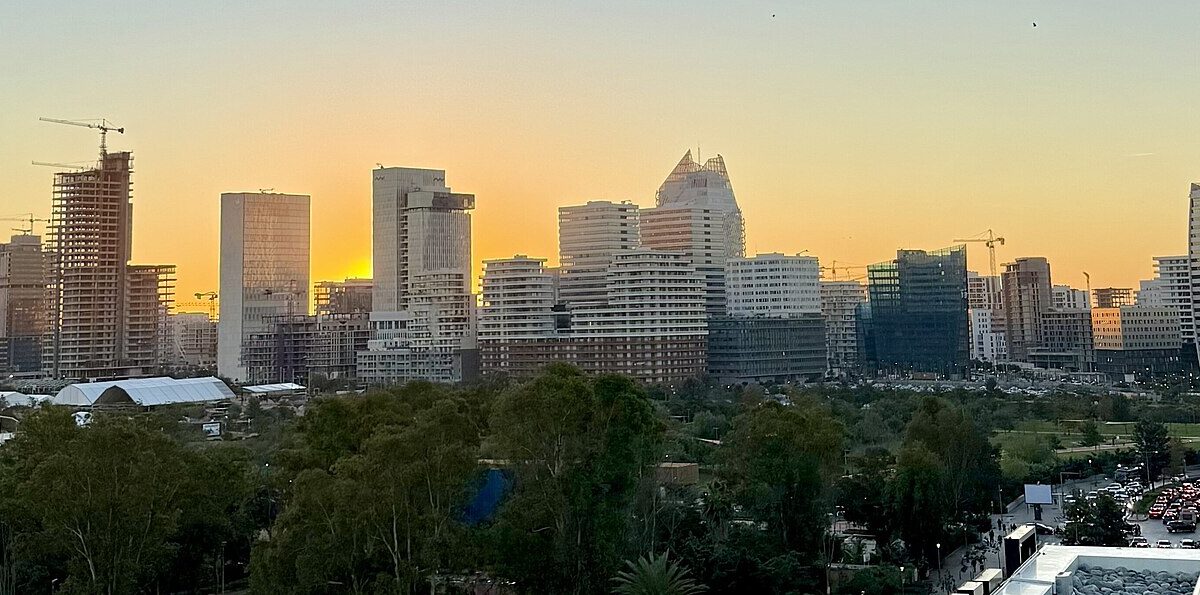
Best Time to Visit Casablanca
The optimal period to experience Casablanca is during the spring months of April and May, and the autumn months of September and October. During these times, the weather is pleasant, crowds are manageable, and prices offer good value.
Month-by-Month Weather Guide
| Month | Avg Temp (°C / °F) | Rainfall (mm / in) | Crowd Level | Hotel Price Level |
|---|---|---|---|---|
| January | 12-18°C / 54-64°F | 60 mm / 2.36 in | Low | Low |
| February | 13-19°C / 55-66°F | 50 mm / 1.97 in | Low | Low |
| March | 15-20°C / 59-68°F | 40 mm / 1.57 in | Moderate | Moderate |
| April | 17-22°C / 63-72°F | 30 mm / 1.18 in | Moderate | Moderate |
| May | 19-24°C / 66-75°F | 20 mm / 0.79 in | Moderate | Moderate |
| June | 21-26°C / 70-79°F | 10 mm / 0.39 in | High | High |
| July | 23-28°C / 73-82°F | 5 mm / 0.20 in | High | High |
| August | 24-29°C / 75-84°F | 5 mm / 0.20 in | High | High |
| September | 22-27°C / 72-81°F | 15 mm / 0.59 in | Moderate | Moderate |
| October | 20-25°C / 68-77°F | 30 mm / 1.18 in | Moderate | Moderate |
| November | 17-22°C / 63-72°F | 50 mm / 1.97 in | Low | Low |
| December | 13-19°C / 55-66°F | 60 mm / 2.36 in | Low | Low |
Peak Season
The peak tourist season in Casablanca spans from June to August. During these months, the weather is warmest, with average temperatures ranging from 21°C to 29°C (70°F to 84°F). This period coincides with school holidays in many Western countries, leading to higher demand for accommodation and flights.
What to Expect:
- Sunny and warm days, ideal for enjoying the coast.
- Higher concentration of tourists at major attractions.
- Longer queues at popular sites like the Hassan II Mosque.
- Vibrant atmosphere in tourist areas.
Price Increases:
Expect a significant increase in hotel prices, with average nightly rates potentially rising by 30-50% compared to the off-season. Flight costs can also see a 20-40% surge.
Pros:
- Ideal weather for beach activities and enjoying the city’s coastal setting.
- All attractions and services are fully operational.
- Lively atmosphere with more events and activities.
Cons:
- Higher costs for travel and accommodation.
- Larger crowds can detract from a more intimate experience.
- Potentially uncomfortable heat for some visitors.
Shoulder Season (Best Value)
The shoulder seasons, encompassing April, May, September, and October, offer the best balance of favorable weather, manageable crowds, and cost-effectiveness. Temperatures are mild, typically between 17°C and 27°C (63°F and 81°F), with minimal rainfall.
Weather Quality:
These months provide comfortable temperatures, perfect for exploring the city and its surroundings without the intense heat of summer or the cooler, wetter conditions of winter.
Crowd Levels:
Crowds are moderate during the shoulder season. While popular sites will still have visitors, the experience is generally less congested than during peak summer months.
Savings vs. Peak:
Travelers can expect hotel prices to be approximately 15-25% lower than during the peak season. Flight prices may also see a reduction of 10-20%. This makes the shoulder season an attractive option for budget-conscious travelers seeking good value.
Off-Season / Budget Season
The off-season, from November to March, presents the most budget-friendly opportunities for visiting Casablanca. During these months, average temperatures range from 12°C to 20°C (54°F to 68°F), and rainfall is at its highest, particularly in December and January.
Cheapest Months:
January, February, November, and December are generally the cheapest months for flights and accommodation.
Weather Trade-offs:
The primary trade-off is the cooler weather and increased chance of rain. While not extreme, visitors should be prepared for overcast skies and occasional downpours, which may limit outdoor activities.
Hidden Advantages:
- Significantly lower prices on flights and hotels, often 40-60% less than peak season.
- Fewer tourists allow for a more authentic and relaxed experience.
- Opportunities to engage more deeply with local culture without the rush.
- The city has a different charm during these months, with a more local feel.
Best Time for Specific Activities
Sightseeing:
For optimal sightseeing, the spring (April-May) and autumn (September-October) are ideal. The pleasant temperatures and lower humidity make exploring landmarks like the Hassan II Mosque, the Habous Quarter, and the Corniche more enjoyable.
Outdoor Activities:
Outdoor activities, including walking tours, exploring parks, and enjoying the coastal promenade, are best suited for the spring (April-May) and early autumn (September). The summer months (June-August) also offer good weather for the coast, but can be very warm for extensive walking.
Food Festivals:
While specific dates vary annually, food-related events and Ramadan (which shifts annually on the Gregorian calendar) can influence travel. During Ramadan, many restaurants have altered hours, and a more subdued atmosphere prevails. Traveling outside of Ramadan is generally recommended for experiencing the full culinary scene. Researching local event calendars for 2026 closer to your travel dates is advised.
Cultural Events:
Casablanca hosts various cultural events throughout the year. The shoulder seasons (April-May and September-October) often coincide with festivals and exhibitions that showcase Moroccan arts and traditions. The Casablanca travel guide can offer more specific insights into annual events.
Seasonal Price Comparison
| Season | Avg Hotel/Night (USD) | Avg Flight (Round Trip, USD) | Overall Cost Level |
|---|---|---|---|
| Peak Season (June-August) | $150 – $250 | $900 – $1300 | High |
| Shoulder Season (April-May, September-October) | $110 – $180 | $750 – $1000 | Moderate |
| Off-Season (November-March) | $80 – $140 | $600 – $850 | Low |

Kai has visited 60+ countries across 6 continents, with a obsession for one thing most travelers ignore: the real cost of getting there. Former budget backpacker turned data-driven travel writer, Kai breaks down destination costs so you can plan smarter — not just dream bigger. Based everywhere, from nowhere in particular.