The Ultimate Guide: Best Time to Visit Seville in 2026
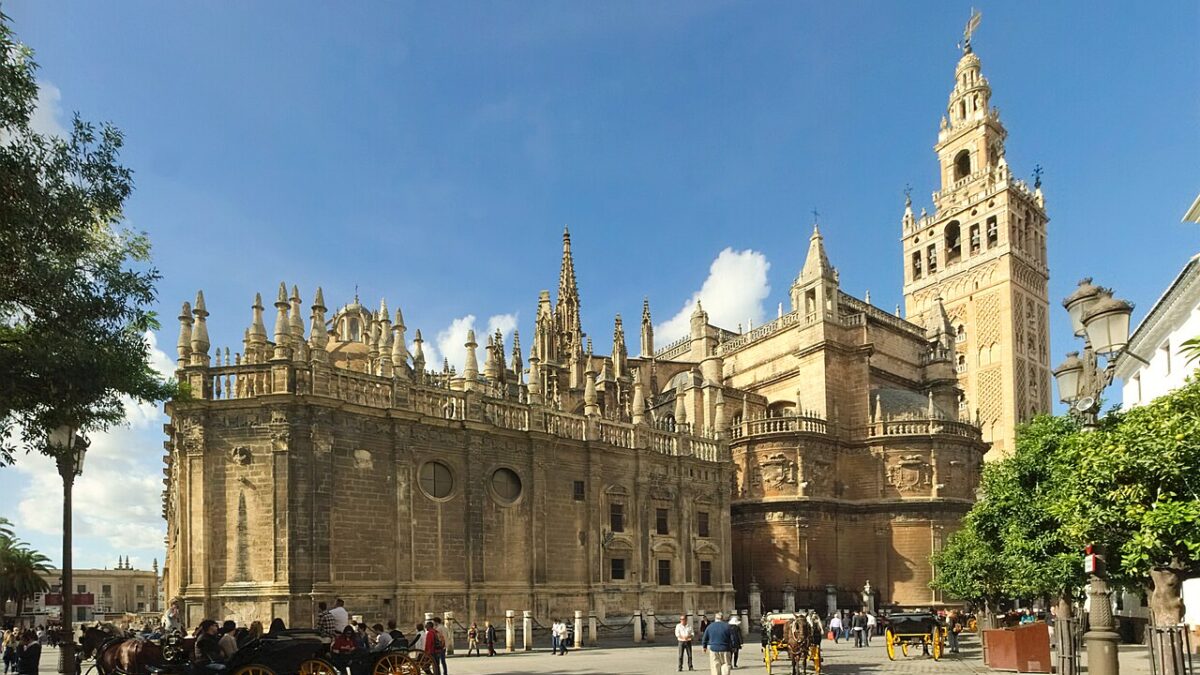
Best Time to Visit Seville
The optimal months to experience Seville in 2026 are April, May, and October. These periods offer a harmonious blend of pleasant weather, manageable crowds, and reasonable prices, making them ideal for exploring this Andalusian gem.
Month-by-Month Weather Guide
| Month | Avg Temp (°C / °F) | Rainfall (mm) | Crowd Level | Hotel Price Level |
|---|---|---|---|---|
| January | 12°C / 54°F | 50 | Low | Low |
| February | 14°C / 57°F | 40 | Low | Low |
| March | 17°C / 63°F | 35 | Medium | Medium |
| April | 20°C / 68°F | 30 | Medium | Medium-High |
| May | 24°C / 75°F | 25 | High | High |
| June | 28°C / 82°F | 10 | High | High |
| July | 32°C / 90°F | 5 | Very High | Very High |
| August | 33°C / 91°F | 5 | Very High | Very High |
| September | 29°C / 84°F | 20 | High | High |
| October | 23°C / 73°F | 45 | Medium | Medium-High |
| November | 17°C / 63°F | 60 | Low-Medium | Medium |
| December | 13°C / 55°F | 55 | Low | Low |
Peak Season
The peak tourist season in Seville generally spans from May to August. During these months, the city experiences its highest temperatures, with July and August often exceeding 30°C (86°F). This period coincides with school holidays, leading to significant increases in crowd levels at major attractions like the Alcázar and the Cathedral. Expect to encounter longer queues and a vibrant, bustling atmosphere. Hotel prices and flight costs are at their highest during this time, with average hotel rates potentially reaching $250-$350 per night. The primary advantage of visiting during peak season is the lively atmosphere and the abundance of outdoor events and festivals, such as the Feria de Abril (though this often falls in late April or early May, blurring the lines) and summer concerts. However, the extreme heat can limit daytime sightseeing, and the substantial crowds can detract from a relaxed experience.
Shoulder Season (Best Value)
Seville’s shoulder seasons, specifically April, May, and October, offer the best balance of pleasant weather and value. In April and May, temperatures are warm but not yet oppressive, typically ranging from 20°C to 24°C (68°F to 75°F). Rainfall is minimal. October provides similar comfortable temperatures, averaging around 23°C (73°F), though with slightly more rainfall. Crowd levels are moderate, allowing for more comfortable exploration of popular sites. Hotel prices are generally lower than in the peak summer months, with average rates around $180-$250 per night. Flights also tend to be more affordable. The pros of visiting during these times include excellent weather for walking and outdoor activities, fewer crowds compared to summer, and a more relaxed ambiance. The cons are that some minor events or specific outdoor activities might be less frequent than in high summer, and prices, while lower than peak, are still higher than in the off-season.
Off-Season / Budget Season
The off-season in Seville typically runs from November to February, excluding the Christmas and New Year period. These months are the cheapest for travel, with average hotel prices often falling between $100-$150 per night and flight deals becoming more prevalent. The weather is cooler, with average temperatures around 12°C to 17°C (54°F to 63°F). Rainfall is higher during these months, particularly in November and December. Crowd levels are at their lowest, offering a serene and authentic experience of the city. The main trade-off is the cooler, potentially wetter weather, which may limit some outdoor activities. However, the advantages include significant cost savings, the opportunity to experience Seville like a local without the tourist throngs, and the unique charm of the city during the winter months, often illuminated by festive decorations in December.
Best Time for Specific Activities
Sightseeing
For optimal sightseeing, the shoulder months of April, May, and October are highly recommended. The mild temperatures (20°C-24°C or 68°F-75°F) make it comfortable to explore architectural marvels like the Seville Cathedral, the Giralda Tower, and the Alcázar without the discomfort of intense heat. The lower crowd levels compared to summer also allow for a more enjoyable and less rushed experience.
Outdoor Activities
Outdoor activities such as exploring the Parque de María Luisa, enjoying tapas on outdoor terraces, or cycling along the Guadalquivir River are best enjoyed during March, April, May, and October. These months provide pleasant warmth (17°C-24°C or 63°F-75°F) and a lower chance of extreme heat. Even early November can be agreeable for walking tours.
Food Festivals and Cultural Events
Seville is renowned for its vibrant cultural calendar. The famous Feria de Abril, a week-long celebration of Andalusian culture with flamenco, horse parades, and casetas, typically takes place in late April or early May. While technically part of the shoulder season, it’s a major draw and prices will reflect this. Other significant events, like Flamenco festivals, often occur throughout the year, but the spring and autumn months provide comfortable weather for enjoying outdoor performances and culinary events. For a comprehensive overview of events, consult a Seville travel guide closer to your travel dates.
Seasonal Price Comparison
| Season | Avg Hotel/Night (USD) | Avg Flight (USD) | Overall Cost Level |
|---|---|---|---|
| Peak Season (May-August) | $250 – $350+ | $900 – $1300+ | Very High |
| Shoulder Season (April, October) | $180 – $250 | $700 – $1000 | High |
| Off-Season (November-February, excluding holidays) | $100 – $150 | $500 – $800 | Low |

Kai has visited 60+ countries across 6 continents, with a obsession for one thing most travelers ignore: the real cost of getting there. Former budget backpacker turned data-driven travel writer, Kai breaks down destination costs so you can plan smarter — not just dream bigger. Based everywhere, from nowhere in particular.