Vienna: Waltz Through Imperial Grandeur
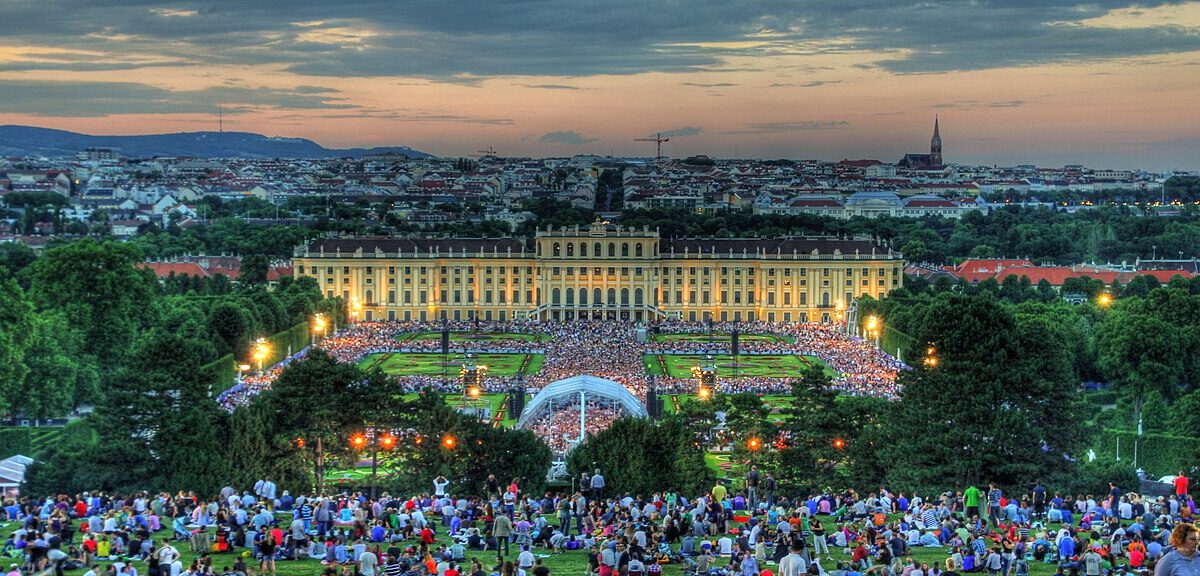
Welcome to this comprehensive Vienna travel guide, your essential resource for planning an unforgettable journey to Austria’s imperial capital. Renowned for its opulent palaces, classical music heritage, and vibrant coffeehouse culture, Vienna offers a captivating blend of history and modernity. This guide provides practical advice on costs, accommodation, top attractions, dining, and transportation, ensuring a seamless experience for every international traveler.
Why Visit Vienna?
Vienna, the former heart of the Austro-Hungarian Empire, beckons travelers with its unparalleled grandeur and profound cultural legacy. The city effortlessly marries imperial history with a thriving contemporary scene, offering an experience that is both sophisticated and deeply enriching. From the majestic Schönbrunn Palace to the historic Hofburg, visitors are transported to an era of emperors and empresses, marveling at the architectural splendor and meticulously preserved heritage.
Beyond its imperial past, Vienna is a global capital of music, having been home to legends like Mozart, Beethoven, and Strauss. The Vienna State Opera and numerous concert halls continue this tradition, offering world-class performances. Art lovers will find solace in the MuseumsQuartier and Belvedere Palace, while the city’s famous coffeehouses provide a cozy retreat and a taste of local life. Vienna consistently ranks among the world’s most livable cities, a testament to its charm, efficiency, and high quality of life, making it a truly exceptional travel destination.
Average Travel Cost in Vienna
Understanding the Vienna travel cost is crucial for planning your budget. While Vienna can cater to luxury tastes, it also offers options for more budget-conscious travelers. Prices provided are estimates for 2026 and are per person per day, based on double occupancy for hotels.
| Category | Budget (€) | Mid-Range (€) | Luxury (€) |
|---|---|---|---|
| Hotel | 55 – 90 | 100 – 180 | 200+ |
| Food | 30 – 50 | 60 – 100 | 120+ |
| Transport | 8 – 10 | 8 – 10 | 8 – 10 |
| Attractions | 15 – 30 | 35 – 60 | 60+ |
| Total Daily Cost | 108 – 180 | 203 – 350 | 388+ |
These figures provide a general overview. Budget travel in Vienna can be achieved by staying in hostels, utilizing public transport, eating at local bakeries or supermarkets, and focusing on free attractions. Mid-range travelers can enjoy comfortable hotels, a mix of casual and sit-down meals, and a selection of paid attractions. Luxury travel offers high-end hotels, gourmet dining, private tours, and premium experiences.
Where to Stay in Vienna
Choosing where to stay in Vienna significantly impacts your experience, with each neighborhood offering distinct advantages. Here are three recommended areas catering to different preferences and budgets.
-
Innere Stadt (1st District)
The historical heart of Vienna, the Innere Stadt is perfect for first-time visitors who want to be amidst the city’s most iconic landmarks. You’ll find St. Stephen’s Cathedral, Hofburg Palace, and the Vienna State Opera within walking distance. This area is highly walkable and boasts excellent public transportation connections. Accommodation here primarily ranges from mid-range boutique hotels to luxurious five-star establishments, making it ideal for those prioritizing convenience and historical ambiance. Price range: €120 – €400+ per night.
-
Leopoldstadt (2nd District)
Located across the Danube Canal from the city center, Leopoldstadt offers a more diverse and often more affordable experience. It’s home to the Prater amusement park and the expansive Prater park, providing green spaces and entertainment. The district has a vibrant mix of traditional Viennese charm and modern urban life, with excellent public transport links to the Innere Stadt. You’ll find a good selection of mid-range hotels, guesthouses, and apartments, making it a great option for families and those seeking a balance between accessibility and value. Price range: €80 – €200 per night.
-
Neubau (7th District)
Neubau is Vienna’s trendy and artistic quarter, popular with younger travelers and those seeking a vibrant, bohemian atmosphere. It’s home to the MuseumsQuartier, numerous independent boutiques, art galleries, and hip cafes. The district offers a lively nightlife and a more local feel, while still being well-connected to the city center by tram and U-Bahn. Accommodation here includes stylish boutique hotels, design-focused apartments, and several budget-friendly hostels. Price range: €70 – €180 per night.
Best Things to Do in Vienna
Vienna boasts an impressive array of attractions, catering to interests ranging from imperial history and classical music to modern art and vibrant markets. Here are some of the top things to do in Vienna.
-
Schönbrunn Palace: A UNESCO World Heritage site, this opulent Baroque palace was the summer residence of the Habsburg emperors. Explore the lavish imperial apartments, stroll through the magnificent gardens, visit the Gloriette, and discover the world’s oldest zoo.
-
Hofburg Palace: The former imperial palace, now a sprawling complex housing numerous museums, including the Imperial Apartments, the Sisi Museum dedicated to Empress Elisabeth, and the Imperial Silver Collection. It’s a deep dive into Habsburg dynastic history.
-
St. Stephen’s Cathedral (Stephansdom): Vienna’s most iconic landmark, this stunning Gothic cathedral dominates the city skyline. Climb the South Tower for panoramic views, or explore the catacombs beneath for a glimpse into Vienna’s past.
-
Belvedere Palace: Home to Austria’s most valuable art collection, including Gustav Klimt’s “The Kiss.” The complex consists of two Baroque palaces (Upper and Lower Belvedere) set amidst beautiful gardens, offering a blend of art and architecture.
-
Prater Amusement Park: A historic amusement park famous for its iconic Giant Ferris Wheel (Riesenrad), which offers spectacular views of the city. Beyond the rides, the Prater also features vast green spaces perfect for leisurely walks.
-
Naschmarkt: Vienna’s most famous market, offering an incredible array of international and local delicacies, spices, and fresh produce. It’s a vibrant place to explore, sample street food, and soak in the local atmosphere.
-
MuseumsQuartier (MQ): One of the largest cultural complexes in the world, the MQ combines Baroque buildings with modern architecture. It houses major museums like the Leopold Museum (Schiele, Klimt) and the MUMOK (modern art), alongside cafes, bars, and creative spaces.
-
Vienna State Opera (Wiener Staatsoper): A world-renowned opera house offering daily performances during its season. Even if you don’t attend a show, consider taking a guided tour to admire its grand interiors and learn about its history.
-
Spanish Riding School (Spanische Hofreitschule): Witness the elegant Lipizzaner horses perform their classical dressage movements in the beautiful Winter Riding School. Morning exercises are a more affordable option than gala performances.
-
Danube River Cruise: For a different perspective of Vienna, embark on a scenic cruise along the Danube River or the Danube Canal. It offers relaxing views of the city’s waterfront architecture and surrounding landscapes.
Where to Eat in Vienna
Vienna’s culinary scene is a delightful blend of hearty Austrian traditions and sophisticated international flavors. From classic dishes to iconic desserts, here are some must-try experiences and where to find them.
-
Wiener Schnitzel at Figlmüller: No Vienna trip is complete without trying a true Wiener Schnitzel. Figlmüller is legendary for its oversized, paper-thin, and perfectly crispy pork schnitzel (they also offer veal). Be prepared for a wait or make a reservation well in advance.
-
Sachertorte at Hotel Sacher Wien: Indulge in the original Sachertorte, a dense chocolate cake with apricot jam and a rich chocolate glaze, at its birthplace. The elegant ambiance of Café Sacher provides the perfect setting for this iconic Viennese dessert.
-
Kaffeehaus Culture at Café Central or Demel: Experience the quintessential Viennese coffeehouse tradition. Café Central, with its grand architecture and literary history, is ideal for coffee and pastries. Demel, a former imperial and royal confectioner, offers exquisite cakes and a glimpse into opulent Viennese past.
-
Street Food and International Delights at Naschmarkt: For a vibrant and diverse culinary experience, head to Naschmarkt. Here you can sample everything from Austrian specialties like Käsekrainer (cheese sausage) to Middle Eastern falafel, Asian noodles, and fresh seafood. It’s perfect for a casual lunch or an evening stroll.
-
Heuriger (Wine Tavern) in Grinzing: Escape to the picturesque outskirts of Vienna, like Grinzing, to enjoy a traditional Heuriger. These rustic wine taverns serve their own young wine alongside simple, hearty Austrian cold cuts, cheeses, and warm dishes. It’s a charming way to experience local culture.
-
Tafelspitz at Plachutta: For a taste of imperial Austrian cuisine, try Tafelspitz (boiled beef) at Plachutta. This classic dish, a favorite of Emperor Franz Joseph I, is served with root vegetables, horseradish, and apple sauce. It’s a refined and quintessential Viennese experience.
3-Day Vienna Itinerary
This 3-day Vienna itinerary is designed to help you experience the city’s highlights, balancing imperial grandeur with cultural immersion and leisure. It provides a comprehensive overview for your Vienna travel guide.
Day 1: Imperial Grandeur and City Center Exploration
Begin your Vienna adventure in the historic Innere Stadt. Start your morning at the magnificent Hofburg Palace, exploring the Imperial Apartments, the Sisi Museum, and the Imperial Silver Collection. Allow at least 2-3 hours to delve into the Habsburg legacy. Afterwards, walk to St. Stephen’s Cathedral, climbing the South Tower for breathtaking panoramic views of the city. Have lunch at a traditional Viennese restaurant near the cathedral, perhaps trying a goulash or a classic Schnitzel.
In the afternoon, stroll along the elegant Graben and Kohlmarkt, admiring the luxury boutiques and historic architecture. Visit the Spanish Riding School for a guided tour or to observe the morning exercises if your timing allows. Conclude your day with a performance at the renowned Vienna State Opera, or simply admire its stunning exterior. Enjoy dinner in the city center, perhaps at a traditional Beisl (pub) for authentic Austrian fare.
Day 2: Palaces, Art, and Market Vibrancy
Dedicate your morning to the spectacular Schönbrunn Palace, a UNESCO World Heritage site. Take the Imperial Tour to see the state rooms, then wander through the vast gardens, visit the Gloriette for magnificent views, and explore the Wagenburg (Imperial Carriage Museum). Plan for 3-4 hours here. Enjoy a casual lunch at one of the cafes within the Schönbrunn grounds or nearby.
In the afternoon, head to Belvedere Palace to admire Gustav Klimt’s “The Kiss” and other masterpieces of Austrian art within the Upper Belvedere. Afterwards, immerse yourself in the vibrant atmosphere of the Naschmarkt. Stroll through the stalls, sampling international street food and local delicacies for a diverse dinner experience. Alternatively, find a cozy restaurant in the nearby Mariahilf district.
Day 3: Culture, Leisure, and Local Flavors
Start your final day at the MuseumsQuartier (MQ), a dynamic cultural hub. Choose a museum that piques your interest, such as the Leopold Museum (featuring Egon Schiele and Gustav Klimt) or the MUMOK (Museum of Modern Art). Spend 2-3 hours exploring art and enjoying the MQ’s lively courtyard. Grab a light lunch at one of the MQ’s trendy cafes.
In the afternoon, unwind at the Prater amusement park. Take a ride on the iconic Giant Ferris Wheel (Riesenrad) for a final panoramic view of Vienna. Enjoy the nostalgic rides or simply relax in the expansive Prater park. For your farewell dinner, consider venturing to a traditional Heuriger (wine tavern) in the charming Grinzing district. Savor local wines and simple, hearty Austrian dishes for an authentic end to your Vienna journey.
Transportation Guide
Vienna boasts an exemplary public transportation system, making it easy and efficient to navigate the city. The network, operated by Wiener Linien, comprises U-Bahn (subway), Strassenbahn (trams), and Autobus (buses).
-
U-Bahn (Subway): The fastest way to get around, with five main lines (U1-U4, U6) covering most key areas and attractions. Trains are frequent, clean, and reliable.
-
Trams (Strassenbahn): An extensive tram network offers a scenic way to see the city. Tram lines like the D and 1 are particularly useful for sightseeing along the Ringstrasse.
-
Buses (Autobus): Complement the U-Bahn and tram networks, reaching areas not covered by other modes, including night buses.
Tickets: Single tickets cost approximately €2.60 for a one-way journey. For multiple rides, consider purchasing a 24-hour (€8.00), 48-hour (€14.10), or 72-hour (€17.10) pass, offering unlimited travel on all public transport within the core zone. A weekly pass (€17.10) is a great value if your stay includes a Monday to Sunday period. Tickets can be bought at U-Bahn stations, tobacconists (Tabak Trafik), and online via the Wiener Linien app. Validate your ticket before your first journey.
Vienna Pass and Vienna City Card: The Vienna Pass offers free entry to over 60 attractions and includes a hop-on hop-off bus. The Vienna City Card provides unlimited public transport and discounts on attractions, but does not include free entry. Evaluate which card best suits your itinerary and budget.
Airport Transfer: Vienna International Airport (VIE) is well-connected. The fastest option is the City Airport Train (CAT) to Wien Mitte (16 minutes, €14.90 one-way). More budget-friendly alternatives include the S-Bahn (S7 line) to Wien Mitte (25 minutes, €4.40 one-way) or the Vienna Airport Lines buses to various city locations.
Walking: Many of Vienna’s main attractions in the Innere Stadt are within comfortable walking distance of each other, allowing you to absorb the city’s atmosphere at a leisurely pace.
Money-Saving Tips
Vienna can be an expensive city, but with careful planning, budget travel in Vienna is entirely feasible. Here are some practical money-saving tips for your trip:
-
Utilize Public Transport Passes: Instead of single tickets, invest in a 24/48/72-hour or weekly public transport pass. This saves money and offers unlimited travel, encouraging exploration.
-
Enjoy Free Attractions: Many of Vienna’s most beautiful sights, like St. Stephen’s Cathedral (entrance to the main nave is free), the Ringstrasse, and the gardens of Schönbrunn and Belvedere Palaces, can be enjoyed without an entry fee. Take advantage of free walking tours.
-
Pack Picnics and Cook: Purchase groceries from local supermarkets (e.g., Billa, Spar, Hofer) for breakfast, lunch, or even simple dinners. Many accommodations offer kitchenettes, which can significantly reduce food costs.
-
Lunch Deals (Mittagsmenü): Many restaurants offer special lunch menus (Mittagsmenü) at a significantly lower price than their dinner counterparts. This is an excellent way to experience quality Viennese cuisine on a budget.
-
Stay Hydrated for Free: Vienna has numerous public drinking fountains (Trinkbrunnen) providing excellent quality tap water. Carry a reusable water bottle to refill throughout the day.
-
Consider the Vienna Pass/City Card Carefully: While these cards offer convenience, calculate if the cost outweighs the savings for your specific itinerary. If you plan to visit only a few key attractions, individual tickets might be cheaper.
-
Free Events and Concerts: Check local listings for free concerts, festivals, or open-air events, especially during summer months. The Vienna State Opera often broadcasts live performances onto a screen outside during certain seasons.
-
Walk Whenever Possible: Beyond saving money, walking allows you to discover hidden gems and experience Vienna’s charming streets and alleys more intimately.
Frequently Asked Questions
Is Vienna expensive for tourists?
Vienna can be considered moderately expensive, especially compared to some Eastern European cities, but it offers options for various budgets. Accommodation and dining in the city center can be pricey, but more affordable choices exist in outer districts and through budget-conscious dining. Public transport is efficient and relatively inexpensive, especially with multi-day passes.
How many days do I need for a Vienna travel guide?
To experience the main highlights and immerse yourself in Vienna’s culture, a minimum of 3 to 4 full days is recommended. This allows enough time to visit major palaces, museums, enjoy coffeehouse culture, and explore different neighborhoods without feeling rushed. For a more in-depth exploration or day trips, 5-7 days would be ideal.
What is the best time to visit Vienna?
The best time to visit Vienna largely depends on your preferences. Spring (April-May) and Autumn (September-October) offer pleasant weather, fewer crowds, and beautiful foliage. Summer (June-August) is vibrant with outdoor events and long daylight hours, though it can be hot and crowded. Winter (November-March) is magical, especially during the Christmas market season, but also cold.
Do I need cash in Vienna, or are credit cards widely accepted?
While credit cards are widely accepted in most hotels, larger restaurants, and shops, it’s advisable to carry some cash (Euros). Smaller cafes, local bakeries, markets, and some traditional Heuriger (wine taverns) may prefer or only accept cash. Tipping in cash is also customary.
Is public transportation in Vienna easy to use for tourists?
Yes, Vienna’s public transportation system is renowned for being extremely efficient, safe, and easy to navigate, even for first-time visitors. The U-Bahn (subway) is color-coded and clearly signposted, with maps readily available. Trams and buses are also straightforward. Google Maps and the Wiener Linien app are excellent resources for planning routes.

Kai has visited 60+ countries across 6 continents, with a obsession for one thing most travelers ignore: the real cost of getting there. Former budget backpacker turned data-driven travel writer, Kai breaks down destination costs so you can plan smarter — not just dream bigger. Based everywhere, from nowhere in particular.