Amsterdam: Canals, Culture, and Curious Charm
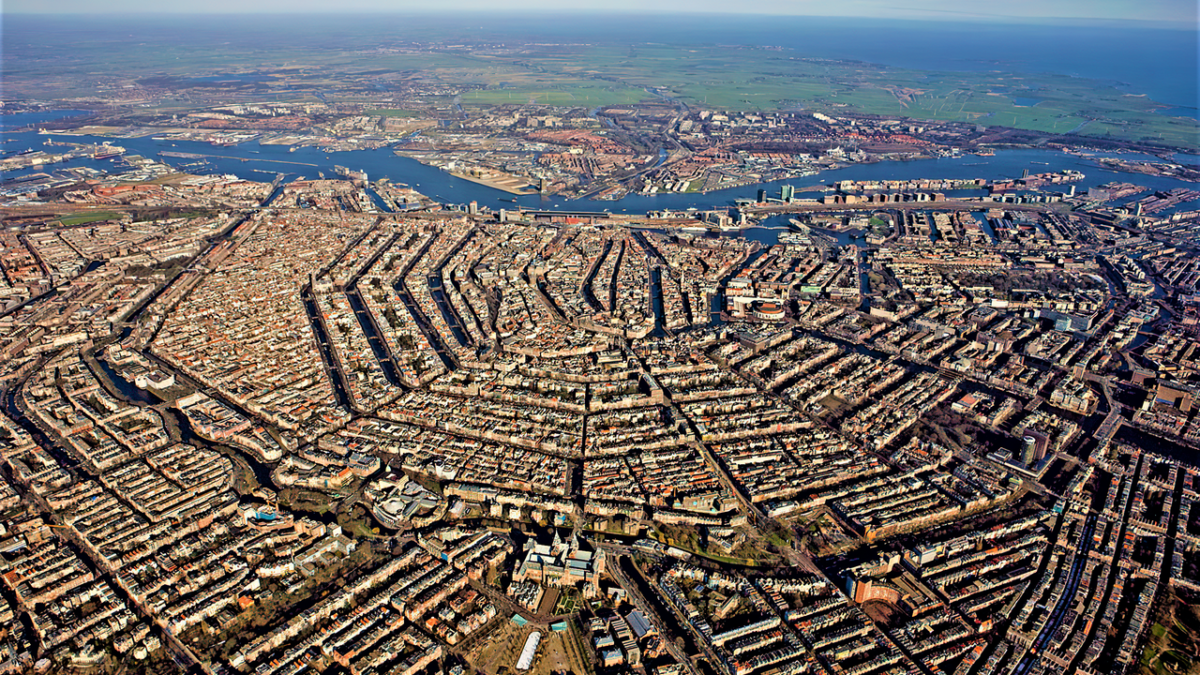
Welcome to your essential Amsterdam travel guide, designed to help you navigate the enchanting canals, historic streets, and vibrant culture of the Dutch capital. From iconic museums to charming neighborhoods, this comprehensive resource offers practical advice on planning your trip, managing costs, and discovering the best of Amsterdam for an unforgettable experience.
Why Visit Amsterdam?
Amsterdam, often called the “Venice of the North,” captivates visitors with its unique blend of historic charm and modern vibrancy. The city’s picturesque canals, lined with elegant gabled houses, offer a stunning backdrop for exploration, whether by boat, bike, or on foot. It is a city that seamlessly weaves its rich history with a progressive, open-minded culture.
Beyond its iconic waterways, Amsterdam boasts a world-class collection of museums, including the Rijksmuseum, Van Gogh Museum, and the poignant Anne Frank House. Its diverse neighborhoods each offer distinct atmospheres, from the trendy boutiques of the Nine Streets to the bohemian vibe of De Pijp. The city’s commitment to sustainability, extensive cycling infrastructure, and lively culinary scene further enhance its appeal as a premier European destination.
Average Travel Cost in Amsterdam
Understanding the potential expenses is crucial when planning your trip to Amsterdam. The city offers options for various budgets, though it is generally considered a mid-to-high-cost destination in Western Europe. Prices for accommodation, dining, and attractions can fluctuate significantly based on the season and your chosen travel style.
This table provides a realistic daily cost comparison for different travel budgets in Amsterdam, assuming single occupancy and typical tourist activities for 2026. These figures are averages and can vary.
| Category | Budget (€) | Mid-Range (€) | Luxury (€) |
|---|---|---|---|
| Hotel | 40 – 70 | 150 – 250 | 350 – 700+ |
| Food | 25 – 40 | 60 – 90 | 120 – 200+ |
| Transport | 0 – 10 | 10 – 20 | 20 – 50+ |
| Attractions | 15 – 30 | 40 – 70 | 80 – 150+ |
| Total Daily Cost | 80 – 150 | 260 – 430 | 570 – 1100+ |
These estimates do not include flight costs or major shopping expenses. Travelers opting for an Amsterdam budget travel experience can significantly reduce costs by utilizing free activities, cooking some meals, and walking or cycling extensively.
Where to Stay in Amsterdam
Choosing where to stay in Amsterdam can greatly influence your experience, as each neighborhood offers a distinct character and proximity to attractions. Here are three highly recommended areas, catering to different preferences and budgets, for your Amsterdam travel guide.
-
Grachtengordel (Canal Belt): The historic Canal Belt, a UNESCO World Heritage site, is the quintessential Amsterdam experience. Staying here places you amidst picturesque canals, charming bridges, and elegant 17th-century canal houses. It’s ideal for first-time visitors who want to be central to major attractions like the Anne Frank House and Dam Square.
Price Range: €€€€ (Luxury to Mid-Range hotels, boutique guesthouses)
-
De Pijp: Located just south of the city center, De Pijp is a vibrant, bohemian neighborhood known for its lively Sarphatipark and the famous Albert Cuyp Market. It offers a more local feel with an abundance of cafes, international restaurants, and independent boutiques. It’s well-connected by tram to the city center and Museum Quarter.
Price Range: €€€ (Mid-Range hotels, aparthotels, some budget options)
-
Jordaan District: Once a working-class area, the Jordaan has transformed into one of Amsterdam’s most charming and sought-after neighborhoods. Its narrow streets, hidden courtyards, and cozy brown cafes create a village-like atmosphere. It’s perfect for those seeking a romantic, authentic Amsterdam experience within walking distance of many sights.
Price Range: €€€ (Boutique hotels, charming B&Bs)
Best Things to Do in Amsterdam
Amsterdam offers an incredible array of activities and sights, ensuring there’s something for every traveler. Here are some of the best things to do in Amsterdam, combining iconic landmarks with unique local experiences.
- Visit the Anne Frank House: A profound and moving experience, this historical house and museum tells the story of Anne Frank and her family who hid from the Nazis during World War II. Book tickets well in advance online as they sell out quickly.
- Explore the Rijksmuseum: Home to a vast collection of Dutch art and history, including masterpieces by Rembrandt (The Night Watch) and Vermeer. Allow several hours to fully appreciate its grandeur.
- Immerse Yourself in the Van Gogh Museum: Discover the world’s largest collection of works by Vincent van Gogh, offering deep insights into his life and artistry. Timed entry tickets are essential.
- Take a Canal Cruise: A quintessential Amsterdam experience, a canal cruise offers a unique perspective of the city’s architecture, bridges, and houseboats. Various companies offer day and evening tours.
- Relax in Vondelpark: Amsterdam’s largest city park is a beautiful green oasis perfect for walking, cycling, picnicking, or simply people-watching. It often hosts open-air concerts and performances in warmer months.
- Wander through the Jordaan District: Get lost in the narrow streets, discover hidden courtyards (hofjes), and enjoy the charming atmosphere of this historic neighborhood. It’s perfect for a leisurely stroll and finding traditional Dutch pubs.
- Shop in De Negen Straatjes (The Nine Streets): This picturesque area within the Canal Belt is famous for its independent boutiques, vintage shops, art galleries, and cozy cafes. It’s ideal for unique souvenir hunting and fashion finds.
- Experience the Bloemenmarkt (Flower Market): The world’s only floating flower market, located on the Singel canal, offers a vibrant display of fresh flowers, bulbs, and garden accessories. It’s a colorful spectacle, especially in spring.
- Ascend A’DAM Lookout: For panoramic views of Amsterdam and an exhilarating swing over the edge, head to A’DAM Lookout. It provides a stunning perspective of the city, especially at sunset.
- Discover the Red Light District (De Wallen): While controversial, this historic district is a significant part of Amsterdam’s cultural fabric. It’s best visited with respect and awareness, especially in the evening. Photography of windows is strictly prohibited.
Where to Eat in Amsterdam
Amsterdam’s culinary scene is as diverse as its population, offering everything from traditional Dutch comfort food to innovative international cuisine. Exploring the best restaurants in Amsterdam is an adventure in itself.
- Stroopwafels: A must-try Dutch treat, these thin waffles with a caramel syrup filling are best enjoyed warm from a street vendor. Look for them at markets like Albert Cuyp or street stalls around the city.
- Pancakes Amsterdam: For a classic Dutch breakfast or lunch, visit Pancakes Amsterdam. They offer a wide variety of sweet and savory Dutch pancakes (pannenkoeken) and small, fluffy Poffertjes.
- FEBO: Experience a unique Dutch fast-food concept at FEBO, where you can grab croquettes, frikandellen, and other fried snacks from vending machine-style compartments. It’s a quirky and affordable local favorite.
- Foodhallen: Located in the trendy Oud-West district, Foodhallen is an upscale indoor food market featuring various food stalls offering gourmet street food, craft beers, and cocktails. It’s perfect for groups with diverse tastes.
- Rijsttafel (Indonesian Rice Table): Due to its colonial past, Amsterdam boasts excellent Indonesian restaurants. A Rijsttafel is a feast of small dishes, allowing you to sample a wide range of Indonesian flavors. Blauw or Sama Sebo are renowned choices.
- Vlaamse Frites (Belgian Fries): While technically Belgian, these thick-cut fries with a variety of sauces are extremely popular in Amsterdam. Look for Frites Atelier or Manneken Pis for some of the best.
3-Day Amsterdam Itinerary
This comprehensive Amsterdam itinerary is designed for first-time visitors, balancing iconic landmarks with local experiences.
Day 1: Historic Center & Canals
Begin your Amsterdam adventure in the heart of the city. Start with a visit to Dam Square, home to the Royal Palace and the National Monument. From there, take a short walk to the Anne Frank House (ensure you have pre-booked tickets). Afterwards, explore the charming Jordaan District, wandering its narrow streets and discovering hidden courtyards. Enjoy lunch at a traditional Dutch ‘brown cafe’ in the Jordaan. In the afternoon, embark on a relaxing canal cruise to see the city from a different perspective, learning about its history and architecture. Conclude your day with dinner in the Canal Belt, perhaps followed by a stroll through the illuminated Red Light District (De Wallen) if you wish, observing respectfully.
Day 2: Art, Culture & Green Spaces
Dedicate your second day to Amsterdam’s world-class museums. Head to Museumplein, where you can spend your morning at the Rijksmuseum, admiring Dutch Masterpieces. Afterwards, visit the Van Gogh Museum, immersing yourself in the life and works of the famous artist (again, pre-booked tickets are essential). Enjoy a leisurely lunch at a cafe near Museumplein or pack a picnic to enjoy in Vondelpark, Amsterdam’s largest urban park, which is just a short walk away. Spend your afternoon relaxing or cycling through Vondelpark. In the evening, explore the trendy De Pijp neighborhood, known for its diverse culinary scene, and enjoy dinner at one of its many international restaurants.
Day 3: Markets, Shopping & Views
Start your final day with a visit to the Bloemenmarkt, the world’s only floating flower market, to soak in the vibrant colors and scents. Then, head to De Negen Straatjes (The Nine Streets) for some unique boutique shopping, art galleries, and cozy cafes. Enjoy a coffee and stroopwafel here. For lunch, explore the culinary offerings at Foodhallen in Oud-West, sampling various gourmet street foods. In the afternoon, consider a visit to the Rembrandt House Museum or a unique experience like the Heineken Experience if you’re a beer enthusiast. Conclude your trip with breathtaking panoramic views of the city from A’DAM Lookout, perhaps enjoying a drink at its rooftop bar, and then a farewell dinner in the city center.
Transportation Guide
Navigating Amsterdam is remarkably easy, thanks to its compact size and excellent public transport infrastructure. Understanding your options will enhance your Amsterdam travel guide experience.
- Walking: For many central areas, walking is the best way to explore. The city center, Jordaan, and Canal Belt are easily walkable, allowing you to discover hidden gems.
- Cycling: Amsterdam is famously a cycling city. Renting a bike is a fantastic way to experience it like a local. Numerous rental shops are available, offering bikes for various durations. Always lock your bike securely and be aware of local cycling rules.
-
Public Transport (GVB): The GVB operates a comprehensive network of trams, buses, and metros.
- OV-chipkaart: This reusable smart card is used for all public transport. You can buy anonymous cards or single-use tickets.
- Day/Multi-Day Tickets: For tourists, 1-hour tickets, 24-hour tickets, or multi-day tickets (up to 7 days) are often the most convenient and cost-effective. Purchase them at GVB service points or from tram drivers/bus conductors.
- I Amsterdam City Card: This tourist pass includes unlimited public transport, free entry to many museums and attractions, and discounts. Evaluate if the cost justifies its benefits for your planned activities.
- Ferries: Free GVB ferries depart regularly from behind Centraal Station, crossing the IJ river to Amsterdam Noord. This is a great way to explore a different part of the city.
- Taxis/Ride-Sharing: Taxis are available but are significantly more expensive than public transport. Ride-sharing apps like Uber also operate in the city.
- From Schiphol Airport (AMS): The quickest and most efficient way to reach the city center from Schiphol is by train. Trains run frequently to Amsterdam Centraal Station, taking approximately 15-20 minutes.
Money-Saving Tips
Traveling to Amsterdam doesn’t have to break the bank. Here are some practical Amsterdam budget travel tips to help you save money while enjoying your trip.
- Walk or Cycle Everywhere: Amsterdam is a compact and flat city. Opting to walk or rent a bike instead of using public transport for short distances will save you considerable money and offer a more immersive experience.
- Utilize Free Attractions: Enjoy Vondelpark, wander through the Jordaan or Canal Belt, visit the Bloemenmarkt, and take a free ferry to Amsterdam Noord. Many churches offer free entry or a small donation.
- Cook Some Meals: If your accommodation has kitchen facilities, buy groceries from supermarkets like Albert Heijn or Jumbo. Preparing breakfast or a few simple dinners can significantly cut down on food expenses.
- Eat Smart: Opt for street food like fries, herring, or stroopwafels for affordable snacks. Lunch deals are often cheaper than dinner. Consider buying sandwiches or salads from supermarkets for lunch on the go.
- Consider the I Amsterdam City Card or Museumkaart: If you plan to visit many museums and use public transport extensively, these cards can offer savings. Do the math based on your planned activities to ensure it’s cost-effective for you.
- Book Accommodation in Advance: Especially during peak season (spring and summer), booking your hotel or hostel several months ahead can secure better rates. Consider staying slightly outside the absolute city center for more affordable options.
- Visit During the Off-Season: Traveling in the shoulder seasons (April/May or September/October) or winter can result in lower accommodation prices and fewer crowds, though some weather considerations apply.
Frequently Asked Questions
Is Amsterdam safe for tourists?
Amsterdam is generally a very safe city for tourists. Like any major city, it’s wise to be aware of your surroundings, especially in crowded areas or late at night. Pickpocketing can occur in tourist hotspots, so keep your valuables secure. The Red Light District is generally safe, but common sense and respect are advised.
When is the best time to visit Amsterdam?
The best time to visit Amsterdam largely depends on your preferences. Spring (April-May) is popular for tulip season and pleasant weather. Summer (June-August) offers warm weather, festivals, and outdoor activities but also larger crowds and higher prices. Shoulder seasons (September-October) provide milder weather and fewer tourists. Winter (November-March) is quieter, with festive markets around Christmas, though colder.
Do I need cash in Amsterdam?
While it’s always good to have some euros for small purchases or emergencies, Amsterdam is largely a cashless society. Credit and debit cards (Maestro, Visa, Mastercard) are widely accepted in most shops, restaurants, and attractions. Some smaller establishments might prefer card payments or have minimum card transaction amounts.
Can I drink tap water in Amsterdam?
Yes, tap water in Amsterdam is of excellent quality and perfectly safe to drink. There’s no need to buy bottled water, which saves money and is better for the environment. Carry a reusable water bottle and refill it throughout the day.
What are some local customs or etiquette to be aware of?
Dutch culture is generally direct and pragmatic. Punctuality is appreciated, especially for appointments. When cycling, always stay in the designated bike lanes and follow traffic rules. Be mindful of noise levels in residential areas, especially at night. Politeness, like saying “hallo” (hello) and “dank u wel” (thank you), is always appreciated.

Kai has visited 60+ countries across 6 continents, with a obsession for one thing most travelers ignore: the real cost of getting there. Former budget backpacker turned data-driven travel writer, Kai breaks down destination costs so you can plan smarter — not just dream bigger. Based everywhere, from nowhere in particular.