Bruges: A Fairytale Woven in Cobblestones
Why Visit Bruges?
This comprehensive Bruges travel guide details why visiting this Belgian gem offers a unique blend of history, charm, and culinary delights. With an average daily budget of $125, exploring medieval architecture, enjoying local cuisine, and navigating efficient transport makes Bruges an accessible and rewarding destination for any traveler. Discover the best neighborhoods and itineraries.
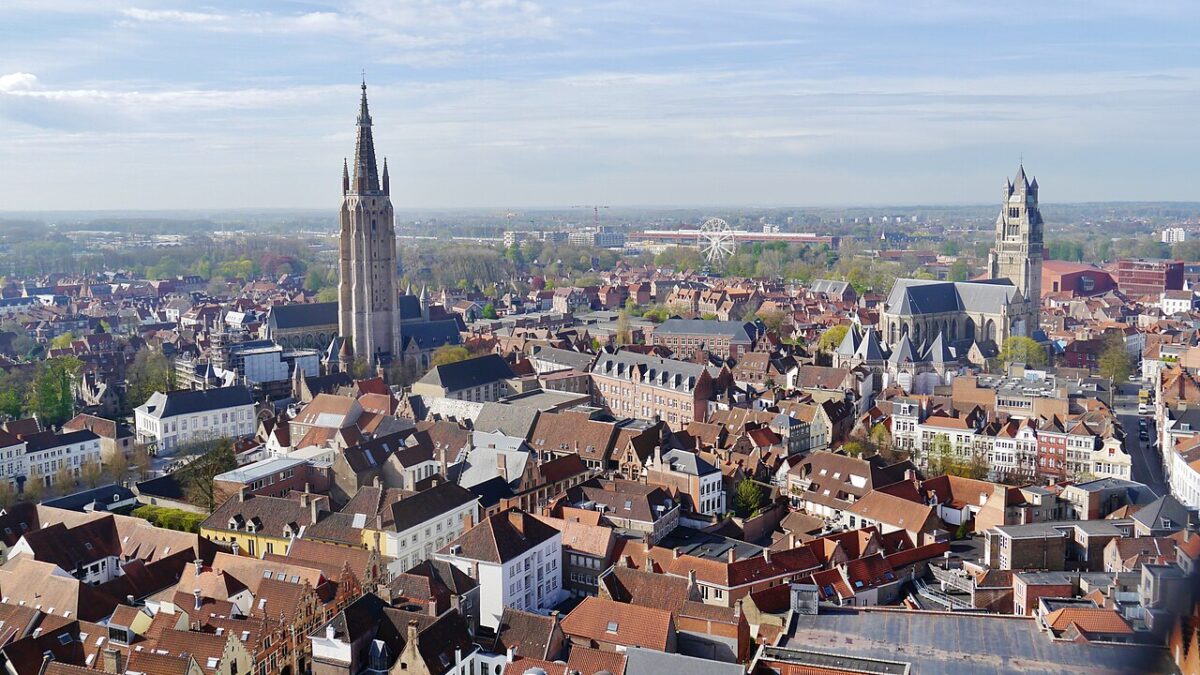
Bruges, a UNESCO World Heritage site, captivates visitors with its remarkably preserved medieval cityscape. Cobblestone streets wind between picturesque canals, historic guildhouses, and imposing Gothic architecture, creating an atmosphere that transports one back in time. Beyond its aesthetic appeal, the city offers a rich cultural tapestry, from world-class art collections to its renowned culinary scene, featuring chocolates, waffles, and Belgian beer. This guide aims to equip you with the practical knowledge for a fulfilling visit.
Who This Guide Is For
This Bruges travel guide is designed for first-time visitors planning a 3-5 day trip, seeking a balance of cultural immersion and practical planning. It is particularly beneficial for budget-conscious travelers aiming to stay within $125-$295 per day and those interested in understanding local costs and efficient itinerary planning.
Average Travel Cost in Bruges
The following table outlines average daily travel costs in Bruges for 2026, converted from EUR at a rate of 1 USD = 0.92 EUR. These figures represent estimates and can fluctuate based on individual spending habits and booking times.
| Category | Budget | Mid-Range | Luxury |
|---|---|---|---|
| Accommodation | $50 | $120 | $300 |
| Food | $30 | $70 | $150 |
| Transport | $10 | $25 | $70 |
| Attractions | $20 | $50 | $100 |
| Misc | $15 | $30 | $60 |
| Daily Total | $125 | $295 | $680 |
Estimated total costs for different trip durations are as follows:
* 3-Day Trip:
* Budget: $375
* Mid-Range: $885
* Luxury: $2040
* 7-Day Trip:
* Budget: $875
* Mid-Range: $2065
* Luxury: $4760
For accommodation, choosing an Airbnb-style rental can offer significant savings compared to hotels, particularly for longer stays or for groups. While hotels offer convenience and amenities, private rentals can reduce the accommodation cost by 20-30% on average, especially when booking outside the absolute city center. This saving can then be reallocated to dining or attractions, allowing for a richer travel experience within the same budget.
Seasonal price variations are notable. Peak seasons, typically April to June and September to October, command higher prices for both accommodation and flights due to favorable weather and fewer crowds than summer. Shoulder seasons (late March, early November) offer a moderate price point with fewer tourists. Off-season (December to February, excluding holidays) presents the lowest prices, though weather is colder and some attractions may have reduced hours. Tipping is appreciated for good service, around 10%, but not obligatory.
Where to Stay in Bruges
When selecting accommodation, consider these key neighborhoods, each offering a distinct experience and price point.
City Center (Historic Core)
* Known for: Immersive historical ambiance, proximity to major attractions like the Markt and Belfry.
* Price Range per Night: Budget: $70-$120 (guesthouses, smaller hotels); Mid-Range: $120-$250 (boutique hotels, apartments).
* Best for: First-time visitors, travelers prioritizing convenience and atmosphere.
* Insider Tip: Book well in advance, especially for stays during peak season, as prime locations fill rapidly.
Sint-Anna Quarter
* Known for: A more tranquil, residential feel with charming canals, artisan shops, and proximity to the Begijnhof.
* Price Range per Night: Budget: $60-$100 (B&Bs, apartments); Mid-Range: $100-$180 (boutique guesthouses, small hotels).
* Best for: Travelers seeking a quieter experience, couples, those interested in local life.
* Insider Tip: Explore the smaller side streets for authentic local bakeries and cafes away from the main tourist paths.
Buiten Sint-Jans
* Known for: A blend of traditional architecture and modern amenities, offering a slightly more affordable base while still being within walking distance of key sights.
* Price Range per Night: Budget: $55-$90 (hostels, budget hotels, apartments); Mid-Range: $90-$160 (mid-tier hotels, serviced apartments).
* Best for: Budget travelers, families, those looking for value without sacrificing location.
* Insider Tip: Utilize the local supermarkets for picnic supplies to save on midday meals.
Best Things to Do in Bruges
Bruges offers a wealth of historical and cultural attractions. Prioritizing your interests will ensure a fulfilling visit.
Markt (Market Square)
This is the historic heart of Bruges, a vibrant square surrounded by stunning guildhouses, the Provincial Court, and the iconic Belfry. It serves as a central meeting point and offers a glimpse into the city’s prosperous past as a trading hub.
* Average Ticket Price: Free to wander, climbing the Belfry costs approximately $15.
* Best Time to Visit: Early morning or late evening to avoid peak crowds and appreciate the architecture bathed in soft light.
* Insider Tip: Enjoy a Belgian waffle from one of the many stalls, but be aware prices can be inflated in the immediate vicinity of the square. Venture a block or two away for better value.
Belfry of Bruges
Standing tall over the Markt, this medieval bell tower offers panoramic views of Bruges and the surrounding countryside. Climbing its 366 steps is a rewarding experience, showcasing the city’s intricate layout and historical significance.
* Average Ticket Price: Approximately $15.
* Best Time to Visit: Mid-morning or late afternoon. Book tickets online in advance to secure a time slot and minimize waiting.
* Insider Tip: The climb is steep and narrow; consider your physical condition before ascending. The views are worth the effort.
Canal Boat Tour
A boat tour along Bruges’ picturesque canals is an essential experience, offering a unique perspective of the city’s architecture and history from the water. Guides often provide historical anecdotes and point out hidden gems.
* Average Ticket Price: Approximately $12-$15.
* Best Time to Visit: Daytime hours, particularly during shoulder seasons. Boat tours operate from spring through autumn.
* Insider Tip: Several departure points exist; choose one slightly away from the main Markt for potentially shorter queues.
Basilica of the Holy Blood
This revered basilica houses a relic believed to be a drop of Christ’s blood. It features two chapels: a Romanesque lower chapel and a Gothic upper chapel adorned with intricate artwork.
* Average Ticket Price: Free to enter the basilica; donations are appreciated. A small fee may apply for specific relic viewings.
* Best Time to Visit: Weekday mornings. Check the schedule for specific relic viewing times, as these are limited.
* Insider Tip: Dress respectfully, covering shoulders and knees, as it is a place of worship.
Groeningemuseum
This museum is dedicated to Flemish and Belgian art, with a particular focus on the Flemish Primitives, including masterpieces by Jan van Eyck and Hans Memling. It provides deep insight into the region’s artistic heritage.
* Average Ticket Price: Approximately $15.
* Best Time to Visit: Weekday afternoons. Consider purchasing a Bruges City Card for potential entry discounts.
* Insider Tip: Allocate at least 2-3 hours to fully appreciate the collection, especially the works from the 15th and 16th centuries.
Begijnhof (Beguinage)
A serene sanctuary of white-washed houses and tranquil gardens, the Begijnhof was once home to lay religious women known as Beguines. It offers a peaceful retreat from the city’s bustle and a glimpse into a unique historical way of life.
* Average Ticket Price: Free to enter and wander the grounds.
* Best Time to Visit: Late morning or early afternoon. Maintain a quiet demeanor as it is still a residential area.
* Insider Tip: The Begijnhof is particularly beautiful during spring when daffodils are in bloom.
Where to Eat in Bruges
Bruges’ culinary scene is a highlight, offering everything from quick bites to refined dining experiences.
* Belgian Fries (Frites):
* Cuisine: Street Food
* Price Range per Meal: $4-$7
* What to Order: Classic frites with mayonnaise or a variety of other sauces like andalouse or samurai.
* Location Tip: Look for “fritkot” or “frietkot” stalls located near major squares or transport hubs. Avoid those directly on the Markt for better quality and price.
* Belgian Waffles:
* Cuisine: Sweet Treat/Dessert
* Price Range per Meal: $5-$10 (depending on toppings)
* What to Order: Choose between the Brussels waffle (lighter, rectangular) or the Liège waffle (denser, caramelized sugar). Toppings range from fruit and cream to chocolate.
* Location Tip: Many vendors sell waffles; seek out those with fresh ingredients and a visible waffle-making process.
* Moules-Frites (Mussels and Fries):
* Cuisine: Traditional Belgian
* Price Range per Meal: $20-$35 (for a pot of mussels)
* What to Order: Mussels cooked in white wine and herbs (Moules Marinières) is a classic. Various other preparations are available.
* Location Tip: Many restaurants in the city center offer this dish. For a more authentic and potentially less tourist-oriented experience, explore eateries a few streets away from the main squares.
* Chocolates:
* Cuisine: Confectionery
* Price Range per Meal: $5-$15 per box/selection
* What to Order: Explore a variety of pralines, truffles, and ganaches. Consider artisanal shops for unique flavors.
* Location Tip: Bruges is renowned for its chocolatiers. Visit established names like Dumon, The Chocolate Line, or Olivier’s for high-quality options.
3-Day Bruges Itinerary
This itinerary balances iconic sights with opportunities for deeper exploration, catering to a mid-range budget.
Day 2
* Morning (9:00 AM – 12:00 PM): Begin with an early climb of the Belfry of Bruges to enjoy sunrise views and avoid the largest crowds. Afterward, explore the Markt and surrounding guildhouses.
* Afternoon (12:00 PM – 4:00 PM): Embark on a picturesque canal boat tour to gain a different perspective of the city. Following this, visit the Groeningemuseum to immerse yourself in Flemish art.
* Evening (4:00 PM – 9:00 PM): Stroll through the serene Begijnhof, appreciating its peaceful ambiance. Enjoy a traditional Moules-Frites dinner at a restaurant in the Sint-Anna Quarter.
* Estimated Daily Cost: $150 (assuming mid-range accommodation and dining).
Day 1
* Morning (9:00 AM – 12:00 PM): Arrive in Bruges and check into your accommodation. Begin your exploration at the Basilica of the Holy Blood, then wander through the historic streets towards the Burg Square, admiring the Town Hall and the Palace of the Liberty of Bruges.
* Afternoon (12:00 PM – 4:00 PM): Enjoy a casual lunch of Belgian fries. Visit the Choco-Story museum to learn about the history of chocolate and sample some treats.
* Evening (4:00 PM – 9:00 PM): Take a leisurely walk along the Minnewater Lake (Lake of Love) and through the adjacent park. Enjoy dinner at a restaurant offering a selection of Belgian beers.
* Estimated Daily Cost: $130 (assuming mid-range accommodation and dining).
Day 3
* Morning (9:00 AM – 12:00 PM): Visit the Church of Our Lady, which houses Michelangelo’s Madonna and Child sculpture. Explore the surrounding area, including the Dijver canal.
* Afternoon (12:00 PM – 4:00 PM): Consider a day trip to a nearby town like Ghent or Brussels, or explore Bruges further by visiting the Brewery De Halve Maan for a tour and tasting. Alternatively, browse the local markets for souvenirs.
* Evening (4:00 PM – 9:00 PM): Enjoy a final Belgian waffle and a farewell dinner, perhaps trying a Flemish stew (Stoofvlees). Depart from Bruges.
* Estimated Daily Cost: $140 (assuming mid-range accommodation and dining, including potential brewery tour).
Transportation Guide
Bruges is a highly walkable city, and most attractions are accessible on foot. However, for longer distances or day trips, understanding local transport is beneficial.
Getting from the Airport:
The nearest major international airport is Brussels Airport (BRU). From BRU, you can take a direct train to Bruges. The journey takes approximately 1 hour and 15 minutes to 1 hour and 30 minutes. Trains depart regularly. Alternatively, Charleroi Airport (CRL) is further but also serves some low-cost carriers; train connections are available but less direct.
Public Transit:
Bruges has a local bus network operated by De Lijn. Buses are efficient for reaching areas slightly outside the immediate city center or for those with mobility issues. A single ticket costs approximately $3.50, with day passes available for around $8. Many travelers find walking or cycling sufficient for exploring the core areas.
Cycling:
Bruges is exceptionally bike-friendly. Bike rental shops are plentiful, with daily rates ranging from $10 to $20. Cycling offers a flexible and enjoyable way to discover the city’s hidden corners.
Taxis and Rideshare:
Taxis are available but can be expensive within the city. Rideshare services like Uber operate in Bruges, though availability might be lower than in larger European cities. Fares are generally comparable to taxis.
Practical Tips:
* Purchase a De Lijn day pass if you plan to use buses more than twice a day.
* Consider a Bruges City Card if you intend to visit multiple paid attractions; it often includes public transport and discounts.
* Most central attractions are within a 15-20 minute walk of each other.
Money-Saving Tips
Pro Tip 1: Purchase a Bruges City Card. For a 48-hour card costing approximately $50, you receive free entry to over 30 attractions and unlimited use of public transport. This can save significant money if you plan to visit many museums and galleries.
Pro Tip 2: Take advantage of free walking tours. Many companies offer “free” walking tours where guides work on tips. While a tip of $10-$15 per person is customary for good service, it’s considerably less than organized tours.
Pro Tip 3: Pack a reusable water bottle. Tap water in Bruges is safe and potable. Refilling your bottle instead of purchasing bottled water at tourist sites can save approximately $2-$3 per day.
Common Travel Mistakes
Mistake 1: Over-reliance on tourist-trap restaurants. Many establishments directly on the Markt or along main canals offer inflated prices for average quality. Seek out restaurants on side streets or in less prominent squares for better value and more authentic experiences.
Mistake 2: Not booking popular attractions in advance. For attractions like the Belfry or specific museum exhibitions, booking tickets online a few days ahead can prevent disappointment and long queues, especially during peak season.
Frequently Asked Questions
How much money do you need for 3 days in Bruges?
For a 3-day trip to Bruges, you can expect to spend approximately $375 on a budget, $885 for a mid-range experience, and over $2040 for a luxury trip. These estimates cover accommodation, food, transport, attractions, and miscellaneous expenses, based on our detailed cost analysis.
Is Bruges expensive for tourists?
Bruges can be moderately expensive, particularly for accommodation and dining in prime tourist areas. However, by utilizing budget-friendly options like hostels or Airbnb-style rentals and eating at local eateries away from main squares, costs can be managed effectively. Our average daily budget is set at $125.
What is the best area to stay in Bruges?
For first-time visitors prioritizing immersion, the City Center is ideal due to its proximity to major landmarks. The Sint-Anna Quarter offers a quieter, more local feel, while Buiten Sint-Jans provides a good balance of affordability and accessibility, making it suitable for budget travelers.
Can you visit Bruges without a car?
Absolutely. Bruges is a compact and highly walkable city, and its historic center is largely pedestrianized. Public buses are available for longer distances, and many visitors opt to rent bicycles for convenient exploration. Brussels Airport (BRU) offers direct train connections.
What is the cheapest month to visit Bruges?
The cheapest months to visit Bruges are generally from December to February, excluding the Christmas and New Year holidays. During this off-season period, accommodation prices are at their lowest, and there are significantly fewer tourists, offering a more tranquil experience.
Further Reading on Belgium

Kai has visited 60+ countries across 6 continents, with a obsession for one thing most travelers ignore: the real cost of getting there. Former budget backpacker turned data-driven travel writer, Kai breaks down destination costs so you can plan smarter — not just dream bigger. Based everywhere, from nowhere in particular.