Seoul: Beyond the K-Wave
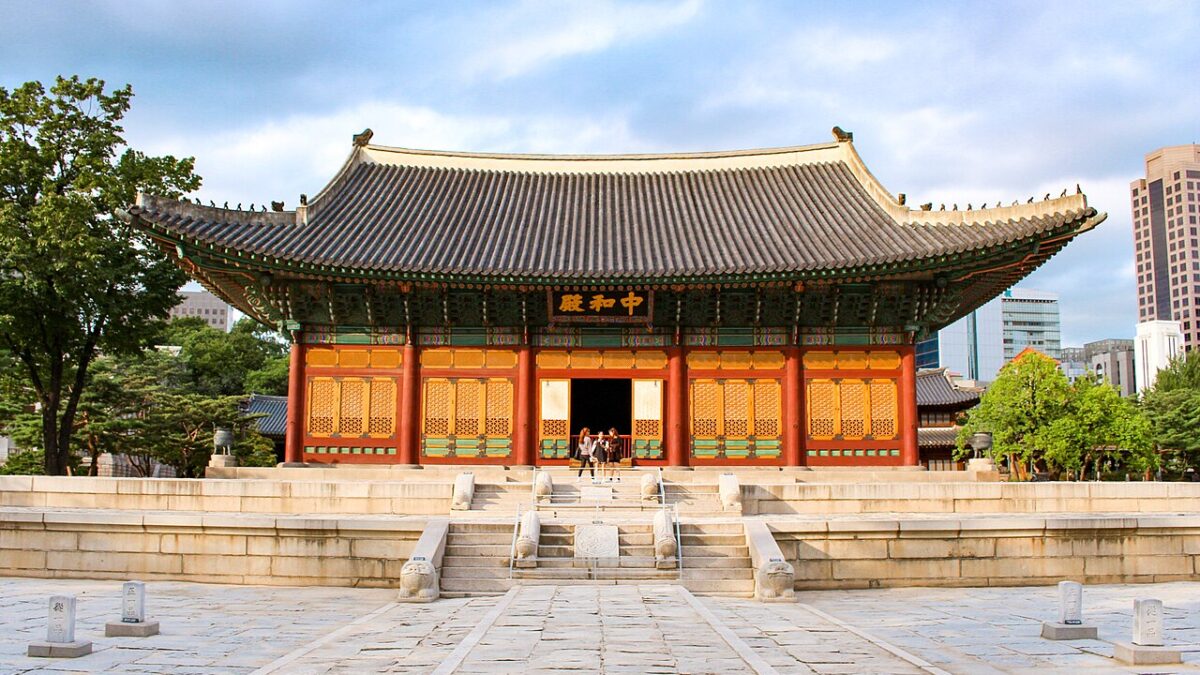
Welcome to Seoul, a dynamic metropolis where ancient traditions seamlessly blend with cutting-edge technology and vibrant pop culture. This comprehensive Seoul travel guide offers essential insights for planning your unforgettable journey, covering everything from budgeting and accommodation to must-see attractions and culinary delights. Prepare to immerse yourself in the heart of our complete South Korea travel guide.
Why Visit Seoul?
Seoul stands as a beacon of innovation and heritage, offering an unparalleled travel experience. This bustling city captivates visitors with its harmonious blend of ancient palaces, tranquil temples, and futuristic skyscrapers. From the serene beauty of traditional hanok villages to the neon-lit streets of Gangnam, Seoul truly offers something for every traveler.
Beyond its stunning aesthetics, Seoul is a global hub for culture, fashion, and technology. It’s the birthplace of K-Pop and K-Drama, influencing trends worldwide and providing endless entertainment options. The city’s culinary scene is equally diverse, ranging from exquisite street food to Michelin-starred restaurants, satisfying every palate.
Moreover, Seoul boasts an incredibly efficient public transportation system, making exploration effortless and accessible. The warmth and hospitality of its people, combined with a reputation for safety and cleanliness, solidify Seoul as a premier destination for international travelers seeking both adventure and comfort.
Average Travel Cost in Seoul
Understanding the financial aspects of your trip is crucial for effective planning. Seoul offers options for various budgets, from frugal backpacking to luxurious escapes. The following table provides an estimated daily cost comparison for a solo traveler in 2026, helping you tailor your experience. You can use our travel cost calculator to get a more personalized estimate.
| Category | Budget (USD) | Mid-Range (USD) | Luxury (USD) |
|---|---|---|---|
| Hotel | $40 – $70 | $100 – $180 | $250+ |
| Food | $20 – $40 | $50 – $90 | $120+ |
| Transport | $5 – $10 | $10 – $15 | $15 – $25 |
| Attractions | $10 – $20 | $30 – $60 | $80+ |
| Total Daily Cost | $75 – $140 | $190 – $345 | $465+ |
These figures are averages and can fluctuate based on specific choices, exchange rates, and travel style. Budget travelers can significantly reduce costs by opting for hostels, street food, and free attractions, while luxury travelers will find an abundance of high-end experiences. For a different perspective on travel expenses, you can check travel costs in Lisbon, or compare with Kuwait City.
Where to Stay in Seoul
Choosing the right neighborhood is essential for an enjoyable Seoul experience, as each area offers a distinct atmosphere and caters to different interests. Here are three highly recommended neighborhoods with their respective price ranges and unique appeals.
-
Myeongdong: Often considered the heart of Seoul for tourists, Myeongdong is a bustling shopping district renowned for its cosmetics, fashion, and vibrant street food scene. It offers excellent connectivity to other parts of the city and a wide range of accommodation options.
- Price Range: Mid-Range to Luxury ($100 – $300+ per night)
-
Hongdae: Popular with younger travelers and those seeking a lively, artistic vibe, Hongdae is known for its indie music scene, trendy cafes, street art, and nightlife. It’s home to Hongik University, contributing to its youthful energy.
- Price Range: Budget to Mid-Range ($40 – $150 per night)
-
Insadong: For a more traditional and cultural experience, Insadong is ideal. This charming neighborhood is famous for its antique shops, art galleries, traditional tea houses, and craft stores. It’s quieter than Myeongdong but still centrally located.
- Price Range: Mid-Range ($80 – $200 per night)
Other notable areas include Gangnam for luxury and upscale shopping, and Jongno for historical sites and traditional guesthouses. Researching your preferred atmosphere will ensure a comfortable and convenient stay in Seoul.
Best Things to Do in Seoul
Seoul offers an astonishing array of attractions, blending millennia of history with futuristic innovation. Whether you’re interested in cultural immersion, modern entertainment, or natural beauty, this city delivers.
- Gyeongbokgung Palace: The largest and most beautiful of Seoul’s five grand palaces, Gyeongbokgung is a must-visit. Witness the changing of the guard ceremony and explore its majestic grounds, a window into Korea’s royal past.
- N Seoul Tower: Perched atop Namsan Mountain, this iconic landmark offers panoramic views of the entire city, especially breathtaking at sunset. Don’t forget to visit the “Locks of Love” area.
- Bukchon Hanok Village: Wander through the narrow alleyways of this traditional Korean village, where hundreds of preserved hanok (traditional houses) offer a glimpse into Joseon Dynasty architecture and daily life.
- Myeongdong Shopping District: Immerse yourself in the vibrant energy of Myeongdong, a paradise for shoppers seeking K-beauty products, fashion, and delicious street food. It truly comes alive in the evening.
- Dongdaemun Design Plaza (DDP): An architectural marvel designed by Zaha Hadid, the DDP is a cultural hub featuring exhibition spaces, retail stores, and a park. It’s particularly striking when illuminated at night.
- Insadong Cultural Street: Explore this charming street known for its traditional tea houses, art galleries, antique shops, and craft stores. It’s the perfect place to find unique Korean souvenirs.
- Hongdae (Hongik University Street): Experience the youthful energy of Hongdae, famous for its street performances, indie music clubs, trendy cafes, and unique fashion boutiques. The nightlife here is particularly vibrant.
- Lotte World Tower & Mall: Ascend to the Seoul Sky observation deck in the Lotte World Tower, one of the world’s tallest buildings, for unparalleled city views. The complex also houses a luxury mall and an amusement park.
- DMZ Tour: For a profound and sobering experience, take a guided tour to the Demilitarized Zone (DMZ) separating North and South Korea. This offers a unique insight into the region’s geopolitical history.
Where to Eat in Seoul
Seoul’s culinary scene is a vibrant tapestry of flavors, from sizzling Korean BBQ to comforting street food and innovative fine dining. Exploring the local gastronomy is a highlight of any Seoul travel guide.
- Gwangjang Market: As one of Korea’s oldest and largest traditional markets, Gwangjang Market is a must-visit for foodies. Sample iconic street foods like bindaetteok (mung bean pancakes), tteokbokki (spicy rice cakes), and mayak gimbap (addictive mini seaweed rolls).
- Korean BBQ (Samgyeopsal): No trip to Seoul is complete without indulging in Korean BBQ. Head to neighborhoods like Hongdae or Gangnam for popular spots where you can grill various cuts of pork or beef right at your table, served with an array of banchan (side dishes).
- Bibimbap: This visually appealing and delicious dish of mixed rice with vegetables, meat, and a fried egg is a staple. Many traditional restaurants in Insadong or Samcheongdong offer authentic versions.
- Jjajangmyeon & Jjamppong: While Chinese-Korean fusion, these dishes are incredibly popular in Seoul. Jjajangmyeon is noodles topped with a thick black bean sauce, while jjamppong is a spicy seafood noodle soup. Look for specialized Chinese-Korean restaurants.
- Cafes in Garosu-gil: For a more modern dining and dessert experience, explore the tree-lined streets of Garosu-gil in Sinsa-dong. This trendy area is packed with stylish cafes offering artisanal coffees, elaborate pastries, and brunch options.
- Chimaek (Chicken and Beer): A beloved Korean pairing, fried chicken with beer is perfect for a casual evening. Numerous franchises and independent eateries across the city specialize in various styles of crispy, flavorful chicken.
3-Day Seoul Itinerary
This itinerary provides a balanced exploration of Seoul’s historical landmarks, modern marvels, and cultural experiences, optimized for a first-time visitor.
Day 1: Royal Grandeur and Traditional Charm
Begin your Seoul journey with a deep dive into its royal history. Start your morning at Gyeongbokgung Palace, arriving early to witness the changing of the guard ceremony. Afterwards, rent a traditional hanbok nearby for a unique photo opportunity within the palace grounds. For lunch, explore the traditional eateries around Anguk Station.
In the afternoon, wander through the picturesque alleys of Bukchon Hanok Village, admiring the beautifully preserved traditional Korean houses. Conclude your day with a stroll down Insadong Cultural Street, browsing antique shops and enjoying a traditional tea ceremony before having dinner at one of its many authentic Korean restaurants.
Day 2: Modern Vibrancy and Panoramic Views
Immerse yourself in Seoul’s contemporary pulse. Start your day in the bustling district of Myeongdong for some K-beauty shopping and to sample diverse street food for lunch. After exploring Myeongdong, take the cable car or walk up to N Seoul Tower on Namsan Mountain. Enjoy breathtaking panoramic views of the city, especially as the sun begins to set.
For the evening, head to Dongdaemun Design Plaza (DDP), an architectural masterpiece that is stunning when lit up at night. Explore its exhibitions or nearby fashion malls. Conclude your day with a delicious Korean BBQ dinner in the Dongdaemun area.
Day 3: Artistic Expression and Urban Escape
Experience Seoul’s youthful and artistic side. Spend your morning in Hongdae, exploring its vibrant street art, unique boutiques, and catching street performances by budding artists. Enjoy a casual lunch at one of Hongdae’s trendy cafes or restaurants.
In the afternoon, escape the urban bustle with a visit to Changdeokgung Palace and its secret garden, Huwon, which offers a serene and beautifully landscaped retreat (booking ahead for Huwon is recommended). Alternatively, for a more modern escape, visit Lotte World Tower and ascend to Seoul Sky for a final, spectacular view of the city. Enjoy a farewell dinner in a neighborhood of your choice, perhaps savoring some chimaek (chicken and beer).
Transportation Guide
Seoul boasts one of the most efficient, extensive, and affordable public transportation systems in the world, making it incredibly easy to navigate for tourists.
- Subway: The Seoul Metropolitan Subway system is the backbone of urban travel. It’s clean, safe, air-conditioned, and covers virtually every major attraction. Station names and announcements are provided in Korean, English, and often Chinese and Japanese.
- Buses: Seoul’s bus network complements the subway, reaching areas not directly served by trains. Buses are color-coded (blue for main routes, green for local routes, red for express, yellow for circular downtown routes) and offer a comfortable way to see the city.
- T-Money Card: This rechargeable smart card is indispensable for using public transport. Purchase it at convenience stores (e.g., GS25, 7-Eleven) or subway stations, load it with money, and tap it when entering and exiting stations or buses. It offers discounted fares and seamless transfers.
- Taxis: Taxis are readily available and a good option for late-night travel or when carrying heavy luggage. Regular taxis are orange or white, while deluxe taxis (black) offer more comfort at a higher fare. Most drivers accept T-Money or credit cards, but having some cash is advisable. Using apps like Kakao T can simplify hailing a taxi.
- Walking: Many central districts, such as Insadong, Bukchon Hanok Village, and Myeongdong, are best explored on foot. Wear comfortable shoes as you’ll be doing a lot of walking.
Navigation apps like KakaoMap or Naver Map are highly recommended for real-time public transport information and directions, as Google Maps has limited functionality in South Korea.
Money-Saving Tips
Traveling to Seoul doesn’t have to break the bank. With smart planning, you can enjoy the city’s wonders on a budget.
- Utilize Public Transportation: The subway and bus systems are incredibly efficient and significantly cheaper than taxis. A T-Money card offers convenience and slight discounts on fares.
- Embrace Street Food: Seoul’s street food scene is not only delicious but also very affordable. Markets like Gwangjang Market offer a full meal experience at a fraction of restaurant prices.
- Stay in Guesthouses or Hostels: Neighborhoods like Hongdae or Itaewon offer numerous budget-friendly guesthouses and hostels, often with good amenities and social atmospheres.
- Visit Free Attractions: Many of Seoul’s iconic sites, such as Bukchon Hanok Village, Cheonggyecheon Stream, and the exterior of Dongdaemun Design Plaza, are free to explore. Several museums also offer free admission days or sections.
- Look for Lunch Specials: Many restaurants offer special lunch sets (점심특선, jeomsim teukseon) at lower prices than dinner menus, providing a great opportunity to try local cuisine affordably.
- Drink Tap Water: Seoul’s tap water is safe to drink, so carry a reusable water bottle to refill and avoid purchasing bottled water.
- Consider the Discover Seoul Pass: If you plan to visit many paid attractions, this pass can offer significant savings on admission fees and includes public transport benefits. Calculate if it’s cost-effective for your itinerary.
- Shop Smart: For souvenirs, check out traditional markets like Namdaemun or Gwangjang for better deals than tourist traps. For clothing, explore underground shopping malls.
Frequently Asked Questions
When is the best time to visit Seoul?
The best times to visit Seoul are during spring (April-May) and autumn (September-November). Spring offers pleasant weather with cherry blossoms, while autumn boasts vibrant fall foliage and comfortable temperatures. Summers (June-August) can be hot and humid with monsoon rains, and winters (December-March) are cold with occasional snow.
Is Seoul safe for tourists?
Seoul is widely considered one of the safest major cities in the world. Crime rates are very low, and violent crime against tourists is extremely rare. Travelers can generally feel secure walking around at night, even in bustling areas. However, it’s always wise to exercise standard precautions like watching your belongings in crowded places.
Do I need a visa to visit South Korea?
Visa requirements for South Korea vary significantly based on your nationality. Many countries, including the United States, Canada, the UK, and most EU member states, can enter South Korea for short tourist stays (typically 30 to 90 days) without a visa. However, an electronic travel authorization (K-ETA) may be required. Always check the official Republic of Korea embassy or consulate website in your country well in advance of your trip for the most up-to-date information.
What language is spoken in Seoul, and will I encounter a language barrier?
The official language is Korean. While English proficiency is not universal, it is generally spoken in major tourist areas, hotels, and international restaurants. Many signs and public transportation announcements are also in English. Learning a few basic Korean phrases (like “hello,” “thank you,” “excuse me”) will be greatly appreciated and can enhance your experience. Translation apps can also be very helpful.
What is the currency in South Korea, and how should I handle money?
The currency in South Korea is the Korean Won (KRW). Credit cards (Visa, MasterCard, American Express) are widely accepted, even for small purchases. However, it’s advisable to carry some cash for street food vendors, smaller shops, or taxi fares. ATMs are readily available, but ensure your bank card is enabled for international withdrawals. Exchange foreign currency at banks, airports, or authorized exchange booths for competitive rates.

Kai has visited 60+ countries across 6 continents, with a obsession for one thing most travelers ignore: the real cost of getting there. Former budget backpacker turned data-driven travel writer, Kai breaks down destination costs so you can plan smarter — not just dream bigger. Based everywhere, from nowhere in particular.