Singapore: Garden City, Culinary Heartbeat
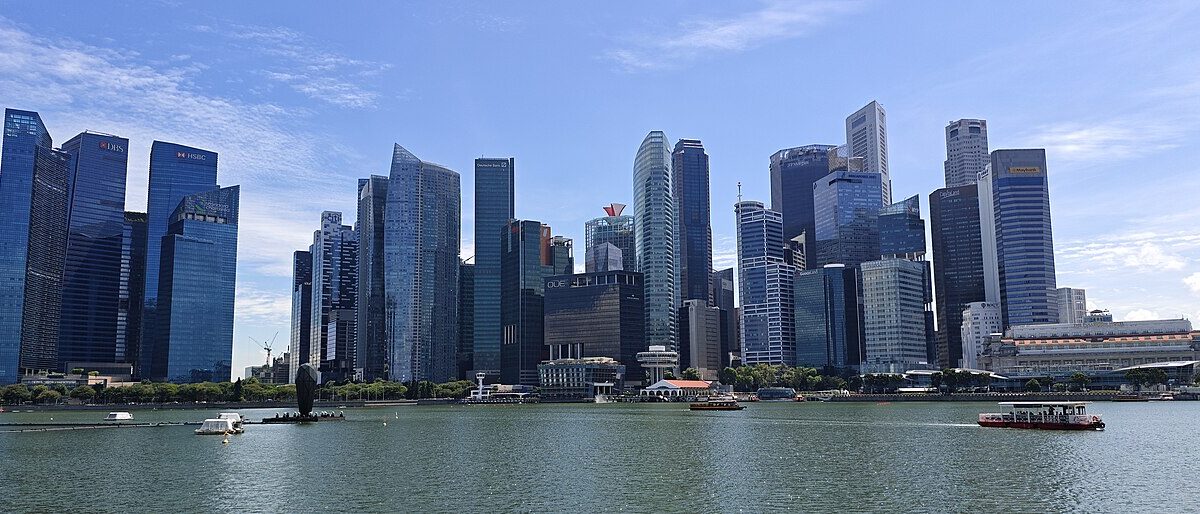
Welcome to Singapore, an island nation where futuristic skyscrapers meet lush vertical gardens, and diverse cultures converge in a symphony of flavors and experiences. This comprehensive our complete Singapore travel guide provides essential insights for international travelers, covering everything from budgeting to bespoke itineraries, ensuring an unforgettable journey through this vibrant Southeast Asian gem. Discover why this city-state consistently ranks as a top global destination.
Why Visit Singapore?
Singapore stands out as a premier global destination, captivating visitors with its unique blend of innovation, culture, and nature. It is a city-state renowned for its impeccably clean streets, efficient public services, and exceptionally low crime rate, making it an incredibly safe and welcoming environment for all travelers.
The city’s architectural marvels, such as the iconic Marina Bay Sands and the ethereal Supertrees at Gardens by the Bay, showcase a commitment to futuristic design and sustainable living. Beyond the gleaming facades, Singapore boasts a rich tapestry of cultures, evident in its vibrant ethnic enclaves like Chinatown, Little India, and Kampong Glam. Here, ancient traditions thrive amidst modern development, offering a captivating glimpse into the nation’s diverse heritage.
For food enthusiasts, Singapore is an unparalleled paradise. From Michelin-starred fine dining establishments to bustling hawker centers offering delicious and affordable street food, the culinary scene is a melting pot of Malay, Chinese, Indian, and Western influences. This gastronomic diversity is a major draw, promising an adventure for every palate.
Furthermore, Singapore is a green city, often referred to as a “City in a Garden.” Its numerous parks, reserves, and green spaces provide tranquil escapes from the urban hustle. Attractions like the Singapore Zoo and the Singapore Botanic Gardens offer immersive experiences with nature and wildlife, cementing its appeal as a destination that perfectly balances urban sophistication with natural beauty. Whether seeking adventure, relaxation, cultural immersion, or culinary delights, Singapore delivers an experience that is both dynamic and deeply rewarding.
Average Travel Cost in Singapore
Singapore is often perceived as one of the more expensive cities in Asia, but with careful planning, it is possible to tailor your trip to various budgets. Understanding the typical expenses will help you manage your finances effectively.
Below is an estimated daily cost comparison for different travel styles in Singapore for 2026. These figures are indicative and can fluctuate based on specific choices, booking in advance, and seasonal demand.
| Category | Budget Traveler (SGD) | Mid-Range Traveler (SGD) | Luxury Traveler (SGD) |
|---|---|---|---|
| Hotel | 80 – 150 | 180 – 350 | 400+ |
| Food | 20 – 40 | 50 – 100 | 120+ |
| Transport | 5 – 10 | 10 – 20 | 20 – 50 |
| Attractions | 10 – 30 | 40 – 80 | 100+ |
| Total Daily Cost | 115 – 230 | 280 – 550 | 640+ |
Note: All prices are in Singapore Dollars (SGD). 1 SGD is approximately 0.74 USD / 0.60 GBP / 0.68 EUR (as of late 2024, subject to change).
For Singapore budget travel, focusing on hawker centers for meals and utilizing the efficient public transport system are key strategies. Mid-range travelers can enjoy a mix of local eateries and casual restaurants, along with comfortable hotels and a good selection of paid attractions. Luxury travel in Singapore offers world-class hotels, fine dining experiences, and exclusive tours, reflecting the city’s status as a global hub for high-end tourism. To get a more precise estimate for your trip, use our travel cost calculator.
Where to Stay in Singapore
Choosing the right neighborhood in Singapore can significantly enhance your travel experience, offering convenient access to attractions and a vibe that suits your preferences. Here are three recommended areas, catering to different budgets and interests.
-
Marina Bay & City Hall: This area is the heart of modern Singapore, perfect for first-time visitors seeking iconic views and easy access to major attractions. It hosts landmarks like Marina Bay Sands, Gardens by the Bay, and the ArtScience Museum. Accommodation here is primarily luxury to upper mid-range.
- Price Range: SGD 250 – 800+ per night.
- Best For: Luxury travelers, couples, those wanting stunning views and central access.
-
Chinatown & Maxwell: Offering a vibrant cultural experience, Chinatown is excellent for travelers interested in heritage, bustling markets, and delicious hawker food. It’s well-connected by MRT and provides a mix of boutique hotels and more budget-friendly options. Maxwell is adjacent and famous for its hawker center.
- Price Range: SGD 120 – 300 per night.
- Best For: Culture enthusiasts, foodies, mid-range travelers, and those seeking a lively atmosphere.
-
Little India: Immerse yourself in the colorful sights, sounds, and smells of Little India. This district is known for its vibrant temples, authentic Indian cuisine, and bustling shopping streets. It offers excellent value accommodation and is very well-connected by public transport.
- Price Range: SGD 80 – 200 per night.
- Best For: Budget travelers, cultural explorers, and those looking for a unique, immersive experience.
Other notable areas include Orchard Road for shopping enthusiasts, Clarke Quay for nightlife, and Sentosa Island for resort-style family fun.
Best Things to Do in Singapore
Singapore offers an impressive array of attractions, blending natural beauty with cutting-edge urban design. Here are some of the top things to do in Singapore, ensuring a memorable visit.
-
Gardens by the Bay: A futuristic park featuring the iconic Supertree Grove, Cloud Forest, and Flower Dome. Don’t miss the nightly Garden Rhapsody light and sound show at the Supertrees.
-
Marina Bay Sands: An architectural marvel offering a luxury hotel, a massive shopping mall, a casino, and the stunning Skypark observation deck with an infinity pool (hotel guests only).
-
Sentosa Island: A resort island home to Universal Studios Singapore, S.E.A. Aquarium, Adventure Cove Waterpark, beautiful beaches, and various entertainment options.
-
Singapore Zoo & Night Safari: Consistently ranked among the world’s best zoos, offering open-concept enclosures. The Night Safari provides a unique nocturnal wildlife experience.
-
ArtScience Museum: Located at Marina Bay Sands, this lotus-inspired museum hosts fascinating interactive exhibitions blending art, science, culture, and technology.
-
Jewel Changi Airport: More than just an airport, Jewel features the stunning Rain Vortex (the world’s tallest indoor waterfall), Canopy Park, Shiseido Forest Valley, and numerous shopping and dining options.
-
Singapore Botanic Gardens: A UNESCO World Heritage Site, this sprawling tropical garden is perfect for a leisurely stroll, featuring the National Orchid Garden and diverse plant collections.
-
Explore Ethnic Quarters (Chinatown, Little India, Kampong Glam): Wander through these vibrant districts to discover historic temples, colorful shophouses, traditional markets, and authentic cuisine.
-
Clarke Quay & Boat Quay: These riverside quays come alive at night with a plethora of restaurants, bars, and clubs, offering lively entertainment and dining experiences.
-
National Gallery Singapore: Housed in beautifully restored colonial buildings, this museum boasts the world’s largest public collection of Singaporean and Southeast Asian art.
Where to Eat in Singapore
Singapore’s culinary scene is a diverse and delicious reflection of its multicultural heritage. From humble hawker stalls to Michelin-starred restaurants, the options for best restaurants in Singapore are endless. Here are some must-try experiences.
-
Hawker Centers (Maxwell Food Centre, Lau Pa Sat, Tiong Bahru Market): These open-air food complexes are the heart of Singaporean dining. Here you can sample iconic dishes like Hainanese Chicken Rice, Laksa, Char Kway Teow, and Satay at incredibly affordable prices. Maxwell Food Centre is famous for Tian Tian Hainanese Chicken Rice.
-
Chilli Crab & Black Pepper Crab: A quintessential Singaporean experience, these flavorful crab dishes are a must-try. Renowned establishments include Jumbo Seafood, Long Beach Seafood, and No Signboard Seafood, offering fresh seafood in various preparations.
-
Old Airport Road Food Centre: One of Singapore’s largest and most popular hawker centers, offering an incredible variety of local delicacies. It’s a favorite among locals and a great spot to experience authentic Singaporean flavors.
-
Michelin-Starred Dining: Singapore boasts a thriving fine dining scene. For an exquisite experience, consider restaurants like Odette (French, 3 Michelin Stars), Les Amis (French, 3 Michelin Stars), or Burnt Ends (Modern Australian BBQ, 1 Michelin Star). Reservations are essential and prices are high.
-
Peranakan Cuisine: Explore the unique flavors of Peranakan (Straits Chinese) cuisine, a fusion of Chinese and Malay influences. Dishes like Ayam Buah Keluak (chicken with black nuts) and Laksa are rich in heritage. Try Candlenut or True Blue Cuisine for an authentic experience.
-
Brunch Spots & Cafes: Singapore also has a vibrant cafe culture, particularly in areas like Tiong Bahru, Duxton Hill, and Orchard Road. Enjoy artisanal coffee, pastries, and modern brunch fare at places like Plain Vanilla Bakery or Common Man Coffee Roasters.
3-Day Singapore Itinerary
This Singapore itinerary provides a balanced overview of the city’s highlights, combining iconic attractions with cultural experiences and culinary delights.
Day 1: Modern Marvels & Garden Wonders
Begin your Singapore adventure by immersing yourself in its futuristic landscape. Start your morning at Gardens by the Bay, exploring the Cloud Forest and Flower Dome for a spectacular display of horticulture. Afterwards, ascend to the Marina Bay Sands Skypark Observation Deck for panoramic views of the city skyline and the gardens.
Enjoy lunch at one of the diverse eateries within the Marina Bay Sands Shoppes or a nearby hawker center like Lau Pa Sat. In the afternoon, visit the ArtScience Museum for an interactive and thought-provoking experience. As evening approaches, find a spot at the Supertree Grove for the captivating Garden Rhapsody light and sound show. Conclude your day with dinner at a restaurant overlooking Marina Bay or at Clarke Quay for a lively atmosphere.
Day 2: Cultural Immersion & Island Escape
Dedicate your morning to exploring Singapore’s rich cultural heritage. Start in Chinatown, wandering through its vibrant streets, visiting the Buddha Tooth Relic Temple, and browsing local markets. Enjoy a traditional dim sum lunch or sample hawker delights at Maxwell Food Centre.
In the afternoon, take the MRT or a cable car to Sentosa Island. Spend your time enjoying attractions like Universal Studios Singapore, S.E.A. Aquarium, or simply relaxing on Palawan Beach. For dinner, choose from the numerous options on Sentosa or head back to the mainland for a seafood feast, perhaps trying the famous Chilli Crab.
Day 3: Nature, Art & Departure
Start your final day with a tranquil visit to the Singapore Botanic Gardens, a UNESCO World Heritage site. Explore the National Orchid Garden and enjoy a peaceful stroll amidst lush greenery. Afterward, head to the National Gallery Singapore to appreciate Southeast Asian art housed in magnificent colonial buildings.
For lunch, explore the vibrant streets of Little India or Kampong Glam (Arab Street), sampling authentic Indian or Malay cuisine. Spend your afternoon browsing the boutiques and street art in Kampong Glam, or indulging in some last-minute shopping along Orchard Road. Depending on your flight schedule, you can then make your way to Jewel Changi Airport early to experience its breathtaking attractions, including the Rain Vortex and Canopy Park, before your departure.
Transportation Guide
Singapore boasts one of the most efficient and user-friendly public transportation systems in the world, making it easy and affordable to navigate the city. The primary modes of transport are the Mass Rapid Transit (MRT) train system and public buses.
-
MRT (Mass Rapid Transit): The MRT is the backbone of Singapore’s public transport. It’s extensive, air-conditioned, clean, and incredibly punctual, connecting all major attractions and neighborhoods. Trains run frequently from early morning until late at night.
-
Buses: Singapore’s bus network complements the MRT, reaching areas not directly served by train. Buses are also air-conditioned and offer scenic routes, providing a different perspective of the city.
-
Payment: For both MRT and buses, it’s highly recommended to purchase an EZ-Link card or a NETS FlashPay card. These reusable stored-value cards offer cheaper fares than single-trip tickets and can be topped up at MRT stations and convenience stores. Alternatively, contactless payment with major credit/debit cards (Visa, Mastercard) is widely accepted directly at fare gates and bus readers.
-
Taxis & Ride-Sharing: Taxis are readily available and can be flagged on the street or found at designated stands. Ride-sharing apps like Grab are also very popular and offer competitive pricing, often being more convenient, especially during peak hours or for late-night travel.
-
Walking: Many central areas, especially around Marina Bay, are pedestrian-friendly with well-maintained sidewalks and sheltered walkways, encouraging exploration on foot.
Using Google Maps or the official MyTransport.SG app will provide real-time public transport information and help plan your routes efficiently.
Money-Saving Tips
While Singapore can be expensive, smart planning can significantly reduce your travel costs. Here are some effective Singapore budget travel tips:
-
Eat at Hawker Centers: This is the single most effective way to save on food. You can enjoy delicious, authentic meals for SGD 5-10 per person. Avoid tourist traps and seek out centers popular with locals.
-
Utilize Public Transport: The MRT and bus system are incredibly efficient and affordable. Invest in an EZ-Link card for convenience and lower fares compared to taxis or ride-shares.
-
Stay in Budget-Friendly Neighborhoods: Areas like Little India, Chinatown, or Geylang often offer more affordable accommodation options compared to Marina Bay or Orchard Road.
-
Enjoy Free Attractions: Many of Singapore’s best experiences are free. These include the Supertree Grove light show at Gardens by the Bay, exploring the Singapore Botanic Gardens, visiting various temples and mosques, and wandering through ethnic quarters.
-
Drink Tap Water: Singapore’s tap water is safe to drink. Carry a reusable water bottle to refill and avoid buying bottled water, saving money and reducing plastic waste.
-
Look for Attraction Bundles: If you plan to visit multiple paid attractions, check for combo tickets or passes (e.g., Klook, Pelago, or official tourism bundles) that offer discounts.
-
Shop Smart: While Orchard Road is famous for luxury shopping, explore local markets in Chinatown or Little India for unique souvenirs and more budget-friendly items.
-
Travel During Off-Peak Season: While Singapore is generally an all-year destination, avoiding major holidays and school breaks can sometimes lead to lower flight and accommodation prices.
Frequently Asked Questions
Is Singapore safe for solo travelers?
Singapore is renowned for being one of the safest cities in the world, making it an excellent destination for solo travelers. Crime rates are exceptionally low, and public transport is efficient and safe even at night. Visitors can generally feel comfortable exploring all parts of the city independently.
What is the best time of year to visit Singapore?
Singapore has a tropical climate with consistent temperatures and high humidity year-round. There isn’t a distinct “best” time, as rainfall can occur any month. However, the dry season (February to April) generally sees slightly less rain and lower humidity, making it a popular time. The monsoon season (November to January) brings heavier rainfall but also cooler temperatures.
Do I need a visa to travel to Singapore?
Visa requirements for Singapore vary depending on your nationality. Many countries, including the US, UK, EU member states, Australia, and New Zealand, enjoy visa-free entry for tourism purposes, typically for up to 30 or 90 days. It is crucial to check the official Singapore Immigration & Checkpoints Authority (ICA) website or consult your local embassy/consulate well in advance of your trip to confirm specific requirements for your passport.
Is tipping customary in Singapore?
Tipping is generally not expected or customary in Singapore, as a service charge (typically 10%) is often added to restaurant and hotel bills. For exceptional service, a small gratuity might be accepted, but it is not obligatory. Tipping taxi drivers or hawker stall vendors is uncommon.
What currency is used in Singapore, and where can I exchange money?
The official currency of Singapore is the Singapore Dollar (SGD). You can exchange foreign currency at licensed money changers located in shopping malls, Changi Airport, and various tourist areas. ATMs are widely available throughout the city, and major credit cards (Visa, Mastercard, American Express) are widely accepted at most establishments.

Kai has visited 60+ countries across 6 continents, with a obsession for one thing most travelers ignore: the real cost of getting there. Former budget backpacker turned data-driven travel writer, Kai breaks down destination costs so you can plan smarter — not just dream bigger. Based everywhere, from nowhere in particular.