Florence: Where Art Breathes and History Whispers
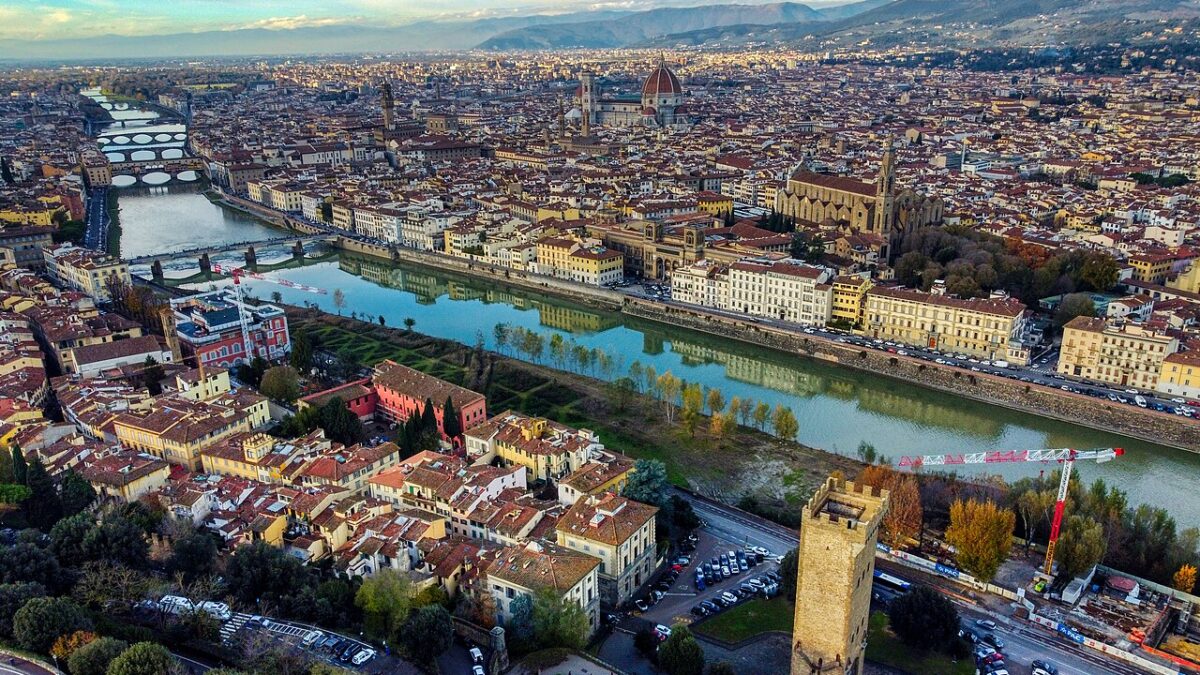
Welcome to Florence, the crown jewel of Tuscany and an unparalleled destination for art, history, and culinary enthusiasts. This comprehensive Florence travel guide provides essential information for international travelers, covering everything from average costs and accommodation to a detailed itinerary and insider tips. Prepare to immerse yourself in the city that birthed the Renaissance.
Why Visit Florence?
Florence stands as a living testament to the Renaissance, a city where every street, piazza, and building whispers tales of artistic genius and profound historical significance. Visitors are drawn to its unparalleled collection of masterpieces, from Michelangelo’s David to Botticelli’s The Birth of Venus, housed within world-renowned galleries.
Beyond its artistic treasures, Florence offers an immersive cultural experience. The city’s culinary scene is a delight, boasting traditional Tuscan flavors, robust wines, and bustling markets. Its pedestrian-friendly historic center encourages exploration, revealing charming artisan workshops, elegant boutiques, and picturesque views around every corner. Florence is not merely a destination; it is an experience that captivates the soul and inspires the mind.
Average Travel Cost in Florence
Understanding the financial aspects of a trip to Florence is crucial for effective planning. Prices can fluctuate based on the season, booking in advance, and personal travel style. The following table provides an estimated daily cost breakdown for different budget levels in 2026, excluding flights.
| Category | Budget Traveler (per day) | Mid-Range Traveler (per day) | Luxury Traveler (per day) |
|---|---|---|---|
| Hotel | €70 – €110 | €160 – €280 | €350+ |
| Food | €35 – €50 | €70 – €120 | €150+ |
| Transport | €5 – €10 | €10 – €20 | €20 – €40 |
| Attractions | €25 – €40 | €50 – €80 | €90 – €150 |
| Total Daily Cost | €135 – €210 | €290 – €500 | €610+ |
These figures are estimates for a single person. Budget travelers often opt for hostels or guesthouses, street food, and free attractions. Mid-range travelers typically choose comfortable hotels, dine in local trattorias, and visit several paid attractions. Luxury travel in Florence involves high-end hotels, fine dining experiences, private tours, and premium shopping.
Where to Stay in Florence
Choosing the right neighborhood in Florence can significantly enhance your travel experience. The city offers diverse areas, each with its unique charm and amenities. Consider your priorities, such as proximity to major sights, nightlife, or a quieter atmosphere, when making your decision.
Here are three recommended neighborhoods:
- Centro Storico (Duomo Area): This is the heart of Florence, ideal for first-time visitors who want to be steps away from the Duomo, Uffizi Gallery, and Palazzo Vecchio. It’s bustling, vibrant, and offers an abundance of restaurants, shops, and historical sites. While incredibly convenient, it can be pricier and more crowded.
- Price Range: Mid-range to Luxury (€180 – €500+)
- Oltrarno: Located on the “other side of the Arno” river, Oltrarno offers a more authentic, bohemian Florentine experience. It’s known for its artisan workshops, charming piazzas, and excellent local trattorias. It’s slightly quieter than the Centro Storico but still within easy walking distance of major attractions.
- Price Range: Budget to Mid-range (€100 – €250)
- Santa Croce / Sant’Ambrogio: East of the Duomo, this area is known for the Basilica di Santa Croce and its vibrant local market, Sant’Ambrogio. It offers a more local feel, with a good mix of residential streets, traditional eateries, and a lively atmosphere, particularly in the evenings. It provides good value and is well-connected.
- Price Range: Budget to Mid-range (€90 – €220)
Best Things to Do in Florence
Florence is a city brimming with iconic attractions, offering an unparalleled journey through art, history, and breathtaking architecture. Allocate sufficient time for each major site, especially those requiring pre-booked tickets.
- Cattedrale di Santa Maria del Fiore (Duomo): Marvel at Brunelleschi’s magnificent dome, climb to the top for panoramic city views, and explore Giotto’s Bell Tower and the Baptistery. Booking tickets well in advance is essential.
- Uffizi Gallery: Home to masterpieces like Botticelli’s The Birth of Venus and Leonardo da Vinci’s Annunciation. This world-class museum is a must-visit for art lovers. Expect significant crowds and lengthy queues without pre-booked tickets.
- Galleria dell’Accademia: Primarily famous for Michelangelo’s iconic sculpture, David. The museum also houses other significant Florentine art and musical instruments. Advance booking is highly recommended.
- Ponte Vecchio: Florence’s oldest bridge, unique for its shops built along its edges. Once butchers, these are now predominantly jewelers. Enjoy a stroll across and capture picturesque photos, especially at sunset.
- Palazzo Pitti and Boboli Gardens: A vast complex that was once the residence of the Medici family. Explore the opulent palace, which now houses several museums, and then wander through the expansive, beautifully landscaped Boboli Gardens.
- Piazzale Michelangelo: Offering the most famous panoramic view of Florence, this piazza is ideal for sunset viewing. It features a bronze replica of Michelangelo’s David and is accessible by bus or a pleasant uphill walk.
- Mercato Centrale: A vibrant two-story market offering a sensory feast. The ground floor sells fresh produce, meats, and cheeses, while the upper floor features a modern food court with various stalls serving gourmet Italian and international cuisine.
- Palazzo Vecchio: The historic town hall of Florence, overlooking Piazza della Signoria. Visitors can explore its grand halls, courtyards, and climb the Arnolfo Tower for impressive city views.
- Basilica di Santa Croce: Known as the “Temple of the Italian Glories,” this Franciscan church is the burial place of many illustrious Italians, including Michelangelo, Galileo, Machiavelli, and Rossini.
Where to Eat in Florence
Florentine cuisine is renowned for its robust flavors, fresh ingredients, and time-honored traditions. From casual street food to elegant trattorias, the city offers a diverse gastronomic landscape that caters to all tastes and budgets.
- Trattoria Mario: A legendary, no-frills trattoria near Mercato Centrale, famous for its authentic Tuscan dishes and bustling, communal atmosphere. Expect queues, cash-only payments, and shared tables, but an unforgettable experience.
- All’Antico Vinaio: World-famous for its massive, delicious schiacciata (Florentine flatbread) sandwiches. With several locations, it’s perfect for a quick, affordable, and incredibly satisfying lunch.
- Mercato Centrale (First Floor): The upper floor of the Mercato Centrale hosts a modern food court with diverse vendors offering everything from fresh pasta and pizza to truffle specialties, lampredotto, and excellent wines. It’s a great spot for a casual meal with plenty of options.
- Buca Lapi: Located in the cellars of Palazzo Antinori, this historic restaurant offers a more upscale dining experience. It’s renowned for its traditional Florentine steak (Bistecca alla Fiorentina) cooked over an open fire. Reservations are highly recommended.
- Gelateria La Carraia: Situated by the Ponte alla Carraia, this popular gelateria consistently ranks among the best in Florence. They offer a wide array of classic and innovative flavors, perfect for a refreshing treat.
- Osteria Santo Spirito: A charming osteria in the Oltrarno district, known for its delectable truffle pasta (gnocchi al tartufo) and other traditional Tuscan dishes. It offers a cozy ambiance and is popular among locals and tourists alike.
3-Day Florence Itinerary
This comprehensive 3-day Florence itinerary is designed to maximize your experience, balancing iconic sights with opportunities to explore the city’s charming neighborhoods and culinary delights. Remember to book popular attraction tickets in advance.
Day 1: Renaissance Masterpieces
Start your Florentine adventure by immersing yourself in its artistic heart. Begin your day with a pre-booked visit to the Uffizi Gallery, dedicating at least 3-4 hours to explore its unparalleled collection of Renaissance art. Afterwards, take a leisurely stroll across the iconic Ponte Vecchio, admiring the jewelry shops.
For lunch, grab a delicious schiacciata sandwich from All’Antico Vinaio. In the afternoon, head to the Piazza della Signoria to admire the Palazzo Vecchio and the Loggia dei Lanzi’s sculptures. Conclude your day with a climb up Giotto’s Bell Tower or Brunelleschi’s Dome (pre-booked tickets essential for both) for breathtaking sunset views over the city. Enjoy a traditional Tuscan dinner in the Centro Storico.
Day 2: Oltrarno Charm & Panoramic Views
Dedicate your second day to exploring the Oltrarno district and capturing stunning vistas. Start with a pre-booked visit to the Galleria dell’Accademia to see Michelangelo’s David. Afterwards, cross the Arno to the Oltrarno, wandering through its artisan workshops and charming streets.
Have lunch at a local trattoria in Oltrarno, perhaps trying some traditional Florentine fare. Spend your afternoon exploring the vast Pitti Palace and its magnificent Boboli Gardens, allowing several hours for both. As evening approaches, make your way up to Piazzale Michelangelo for the most iconic panoramic views of Florence, especially beautiful at sunset. Dine in the Oltrarno, enjoying its authentic atmosphere.
Day 3: Markets, Medici & Departure
On your final day, delve into Florence’s vibrant markets and Medici history. Begin your morning with a visit to the lively Mercato Centrale. Explore the ground floor for fresh produce and local delicacies, then head upstairs to the food court for a diverse array of breakfast or brunch options.
After the market, visit the Medici Chapels (Cappella dei Principi and New Sacristy), showcasing Michelangelo’s stunning sculptures. Alternatively, explore the Basilica di Santa Croce, the burial place of many Italian greats. Enjoy a leisurely lunch near the Santa Croce area. Depending on your departure schedule, you might have time for some last-minute souvenir shopping or a final gelato. Head to the airport or train station for your onward journey, filled with unforgettable Florentine memories.
Transportation Guide
Florence’s historic center is remarkably compact and best explored on foot. Walking allows you to discover hidden alleys, charming piazzas, and unexpected views that you might otherwise miss. Most major attractions are within a 20-minute walk of each other.
For longer distances or when your feet need a rest, Florence has an efficient public transportation system primarily consisting of buses. Operated by ATAF, buses cover the entire city and surrounding areas. Single tickets can be purchased at tabacchi shops, newsstands, or on board (with a slight surcharge). Validate your ticket immediately upon boarding.
Taxis are available at designated stands in major piazzas and near train stations, or you can call for one. They can be more expensive, especially for short distances. Be aware that much of Florence’s city center is a Restricted Traffic Zone (ZTL), meaning only authorized vehicles can enter at certain times. If you’re staying in a hotel within the ZTL, ensure they register your car’s license plate if you plan to drive, to avoid fines.
Florence is also a bicycle-friendly city, with several rental shops available. However, cobblestone streets and crowded areas can make cycling challenging for some. For arrivals and departures, Florence’s Peretola Airport (FLR) is easily accessible by taxi or the “Volainbus” shuttle service to Santa Maria Novella train station. The Santa Maria Novella train station (SMN) is centrally located and well-connected for regional and high-speed national trains.
Money-Saving Tips
Traveling to Florence doesn’t have to break the bank. With a few smart strategies, you can enjoy the city’s wonders while keeping your budget in check.
- Walk Everywhere: Florence is incredibly walkable. Save on public transport by navigating the city on foot, enjoying the scenery as you go.
- Consider the Firenze Card: If you plan to visit many museums and attractions, the Firenze Card can offer savings and skip-the-line access. Evaluate if the cost justifies your planned visits.
- Eat Like a Local: Opt for street food like lampredotto or schiacciata sandwiches. Dine at local trattorias outside the main tourist areas for more authentic and affordable meals. Look for “menu fisso” (fixed-price menus) at lunchtime.
- Utilize Free Attractions: Enjoy free sites like Piazzale Michelangelo, Piazza della Signoria, Ponte Vecchio (to walk across), and the exterior of the Duomo. Many churches offer free entry or a small fee.
- Buy Groceries: Visit local markets or supermarkets to buy snacks, drinks, and ingredients for simple meals, especially if your accommodation has kitchen facilities.
- Drink Tap Water: Florence’s tap water is safe and delicious. Carry a reusable water bottle to refill and avoid buying bottled water.
- Travel Off-Season: Visiting during the shoulder seasons (spring or fall outside peak holidays) or winter can result in lower accommodation prices and fewer crowds.
- Look for Happy Hour (Aperitivo): Many bars offer an aperitivo where you pay for a drink and get access to a complimentary buffet of snacks. This can serve as a light dinner.
Frequently Asked Questions
Is Florence a walkable city?
Yes, Florence is exceptionally walkable. Its historic center is compact, and most major attractions are within easy walking distance of each other. Walking is often the best way to explore the city’s charming narrow streets and discover hidden gems.
What is the best time of year to visit Florence?
The best times to visit Florence are during the shoulder seasons: April to May and September to October. The weather is pleasant, crowds are manageable, and prices are generally more reasonable than in peak summer. Winter (November to March) offers fewer crowds and lower prices, though it can be colder.
Do I need to book attractions in advance?
Absolutely. For major attractions like the Uffizi Gallery, Accademia Gallery (David), and climbing Brunelleschi’s Dome or Giotto’s Bell Tower, booking tickets online several weeks, or even months, in advance is highly recommended. This saves significant time by allowing you to bypass long queues.
What is the local currency and how should I manage money?
The local currency in Florence, and throughout Italy, is the Euro (€). While credit and debit cards are widely accepted, it’s advisable to carry some cash for smaller purchases, local markets, and some trattorias. ATMs are readily available, but be aware of potential foreign transaction fees from your bank.
Is Florence safe for tourists?
Florence is generally a very safe city for tourists. However, like any major tourist destination, petty crime such as pickpocketing can occur, especially in crowded areas like markets, public transport, and around major attractions. Always be aware of your surroundings, keep your valuables secure, and avoid walking alone in poorly lit areas late at night.

Kai has visited 60+ countries across 6 continents, with a obsession for one thing most travelers ignore: the real cost of getting there. Former budget backpacker turned data-driven travel writer, Kai breaks down destination costs so you can plan smarter — not just dream bigger. Based everywhere, from nowhere in particular.