Brussels: Waffles, Art & Grand Place Grandeur
Welcome to the ultimate Brussels travel guide, your comprehensive resource for planning an unforgettable journey to Belgium’s vibrant capital. This guide provides essential information on things to do in Brussels, where to stay, average costs, and practical tips for navigating this dynamic European hub. Discover the city’s rich history, stunning architecture, world-class cuisine, and unique charm.
Why Visit Brussels?
Brussels, the heart of Europe, offers a captivating blend of historical grandeur and modern international influence. As the de facto capital of the European Union, it is a city of significant political importance, yet it retains a distinct Belgian identity marked by exquisite architecture, renowned culinary delights, and a vibrant cultural scene.
Visitors are drawn to Brussels for its iconic landmarks, from the breathtaking Grand Place to the whimsical Atomium. The city is a paradise for foodies, famous globally for its chocolates, waffles, frites, and an unparalleled selection of beers. Its strategic location also makes it an excellent base for exploring other Belgian cities like Bruges and Ghent, or even nearby European capitals.
Average Travel Cost in Brussels
Understanding the Brussels travel cost is crucial for planning your trip. Prices can vary significantly based on your travel style, from budget-conscious backpacking to luxurious getaways. The following table provides an estimated daily cost comparison for 2026, helping you budget effectively.
| Category | Budget Traveler | Mid-Range Traveler | Luxury Traveler |
|---|---|---|---|
| Hotel (per night) | €50 – €80 | €100 – €180 | €250+ |
| Food (per day) | €30 – €50 | €60 – €100 | €120+ |
| Transport (per day) | €8 – €15 | €10 – €20 | €15 – €30 |
| Attractions (per day) | €10 – €20 | €25 – €50 | €50+ |
| Total (per day) | €98 – €165 | €195 – €350 | €435+ |
These figures are estimates for a single traveler in 2026. Prices for accommodation can fluctuate based on seasonality and booking in advance. Dining costs can be managed by opting for street food, local eateries, or cooking some meals if your accommodation allows.
Where to Stay in Brussels
Choosing where to stay in Brussels significantly impacts your experience. The city offers diverse neighborhoods, each with its unique atmosphere and proximity to key attractions. Here are three recommended areas:
-
Grand Place / City Centre: This is the vibrant historical heart of Brussels, perfect for first-time visitors who want to be amidst the action. You’ll find most major attractions, restaurants, and shops within walking distance.
Price Range: Mid-range to Luxury (€120 – €300+ per night).
-
Sablon / Marolles: Known for its antique shops, art galleries, and charming flea market, Sablon offers a more upscale yet bohemian vibe. Marolles, adjacent to Sablon, provides a more local, authentic Brussels experience with budget-friendly options.
Price Range: Mid-range to Luxury in Sablon (€150 – €400+), Budget to Mid-range in Marolles (€80 – €180 per night).
-
Saint-Gilles / Ixelles: These southern neighborhoods are popular with expats and offer a trendy, multicultural atmosphere. They boast beautiful Art Nouveau architecture, lively squares, and an array of international restaurants and bars. Excellent public transport connections to the city centre.
Price Range: Budget to Mid-range (€70 – €150 per night).
Best Things to Do in Brussels
When planning your trip, consider these essential things to do in Brussels to experience the city’s rich culture and history.
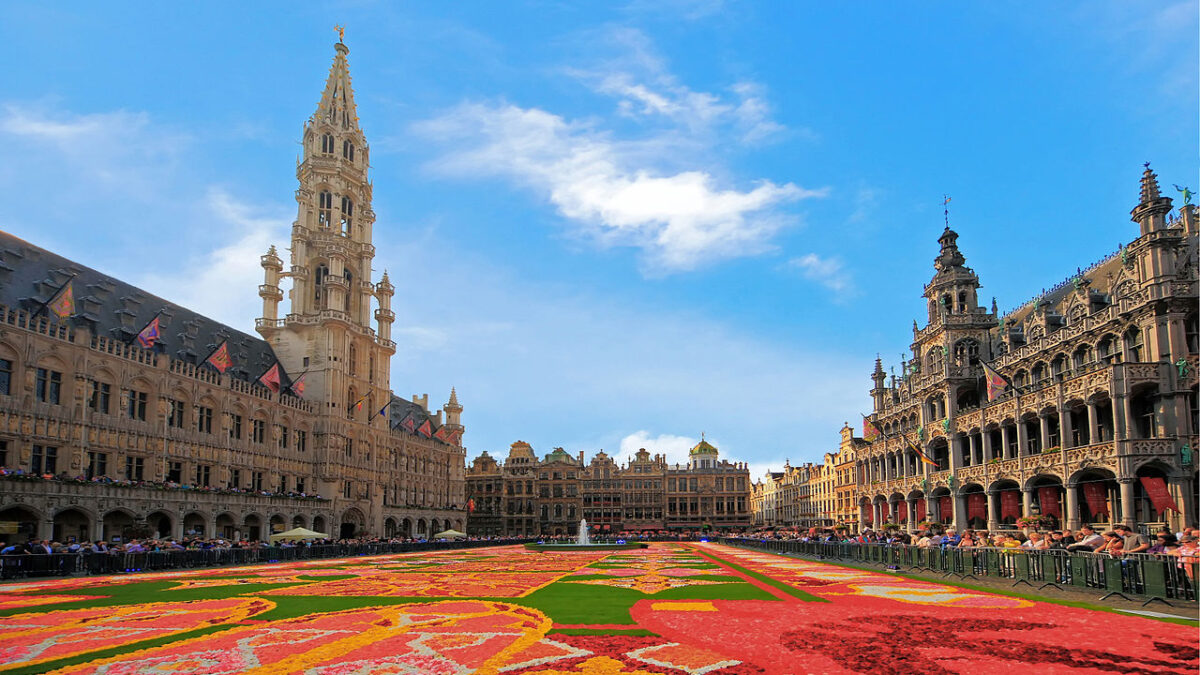
- Grand Place (Grote Markt): A UNESCO World Heritage site, this central square is considered one of the most beautiful in the world. Admire the opulent guildhalls, the stunning Town Hall, and the King’s House.
- Manneken Pis: Brussels’ most famous, albeit small, statue of a peeing boy. It’s a charming and quirky symbol of the city, often dressed in various costumes.
- Atomium: An iconic structure built for the 1958 World’s Fair, representing an iron crystal magnified 165 billion times. You can explore its spheres, which offer panoramic views of the city.
- Royal Palace of Brussels: The official palace of the King and Queen of the Belgians, open to the public during summer months. Its grandeur and impressive interiors are a must-see.
- Musées Royaux des Beaux-Arts de Belgique: A complex of museums housing an extensive collection of Belgian and international art, ranging from Old Masters to modern works.
- Parc du Cinquantenaire: A large urban park featuring triumphal arches, museums (Art & History Museum, Autoworld, Royal Museum of the Armed Forces and of Military History), and beautiful gardens.
- European Quarter: Explore the heart of the European Union, home to the European Parliament, European Commission, and various other EU institutions. Visit the Parlamentarium for an interactive experience.
- Comic Strip Centre: Belgium is the birthplace of many famous comic characters like Tintin and The Smurfs. This museum, housed in a magnificent Art Nouveau building, celebrates the art of Belgian comics.
- Notre-Dame du Sablon: A stunning 15th-century Gothic church known for its intricate stained glass windows and peaceful atmosphere, located in the charming Sablon district.
- Mini-Europe: Located near the Atomium, this park features miniature reproductions of famous landmarks from across the European Union.
Where to Eat in Brussels
Brussels is a culinary destination, offering an array of traditional Belgian delights and international cuisine. Here are some of the best restaurants in Brussels and food experiences to seek out:
- Fritkots (Fries Stands): A quintessential Belgian experience. Look for popular stands like Maison Antoine or Fritland for perfectly cooked fries served with a wide choice of sauces.
- Chez Léon: A classic institution near the Grand Place, famous for its mussels (moules-frites). Expect a lively atmosphere and generous portions.
- Aux Armes de Bruxelles: Another historic brasserie offering traditional Belgian dishes like carbonnade flamande (beef stew) and waterzooi (creamy chicken or fish stew) in an elegant setting.
- Waffles: Indulge in authentic Belgian waffles from street vendors. Choose between the lighter, crispier Brussels waffle or the denser, sweeter Liège waffle. Look for fresh, hot ones, often topped with fruit, chocolate, or whipped cream.
- Chocolate Shops: Brussels is a chocolate lover’s paradise. Visit renowned chocolatiers such as Godiva, Neuhaus, Pierre Marcolini, and Elisabeth for exquisite pralines and truffles.
- Delirium Café: While not a restaurant, this legendary bar holds the Guinness World Record for the most beers on tap. It’s an essential stop for beer enthusiasts to sample Belgium’s diverse brewing heritage.
3-Day Brussels Itinerary
This Brussels itinerary is designed for a comprehensive exploration of the city’s highlights, offering a balance of culture, history, and culinary experiences.
Day 1: Grand Place & Historic Core
Begin your day at the iconic Grand Place, taking time to admire the Town Hall and guildhalls. Explore the charming side streets, discover the Manneken Pis, and visit the Jeanneke Pis. Enjoy a traditional Belgian lunch of moules-frites at a local brasserie. In the afternoon, delve into Belgian chocolate history with a visit to a renowned chocolatier like Godiva or Neuhaus, perhaps even joining a chocolate workshop. Conclude your day with a tasting at the Delirium Café, sampling a variety of Belgian beers.
Day 2: Art, History & European Parliament
Start your morning with culture at the Musées Royaux des Beaux-Arts de Belgique, exploring its impressive art collections. Afterwards, stroll through the elegant Sablon district, browsing antique shops and visiting the beautiful Notre-Dame du Sablon church. In the afternoon, head to the European Quarter to visit the Parlamentarium and gain insight into the workings of the European Union. End your day with dinner in the trendy Ixelles neighborhood, known for its diverse culinary scene.
Day 3: Atomium, Parks & Comics
Dedicate your morning to the futuristic Atomium, ascending to its spheres for panoramic city views. Adjacent to the Atomium, you can visit Mini-Europe for a whimsical tour of European landmarks in miniature. Enjoy lunch at a cafe near the Atomium. In the afternoon, immerse yourself in Belgian comic art at the Comic Strip Centre, housed in a magnificent Art Nouveau building. Spend your late afternoon relaxing in the expansive Parc du Cinquantenaire, perhaps visiting one of its museums like Autoworld or the Art & History Museum. For your final evening, enjoy a classic Belgian waffle or a cone of frites as a fitting farewell.
Transportation Guide
Navigating Brussels is relatively straightforward, thanks to its compact city centre and efficient public transportation system. The STIB/MIVB operates the city’s metro, tram, and bus network.
- Metro, Tram, Bus: A single journey ticket costs around €2.60 (2026 estimate) and is valid for 60 minutes with transfers. Day passes (24h, 48h, 72h) offer unlimited travel and are excellent value for tourists, starting from approximately €8 for 24 hours. Tickets can be purchased at metro stations, STIB kiosks, or directly on board buses/trams (though often at a slightly higher price). The MOBIB card is a reloadable smart card for frequent travelers.
- Walking: The city centre, including the Grand Place, Manneken Pis, and many museums, is highly walkable. This is often the best way to discover hidden gems and appreciate the architecture.
- Cycling: Brussels has a growing network of cycle paths and a Villo! bike-sharing system, offering an alternative way to explore.
- Taxis & Ride-Sharing: Taxis are readily available at designated stands and can be hailed. Ride-sharing apps like Uber also operate in Brussels. These are generally more expensive options.
- Airport Transfer: Brussels Airport (BRU) is well-connected to the city centre. The Airport Express train runs frequently to Brussels-Midi, Brussels-Central, and Brussels-North stations, taking about 15-20 minutes. A single ticket costs around €12-€15. Buses also connect the airport to various parts of the city.
Money-Saving Tips
Traveling to Brussels doesn’t have to break the bank. Here are some effective Brussels budget travel tips:
- Brussels Card: Consider purchasing a Brussels Card. It offers free entry to many museums and attractions, discounts at shops and restaurants, and optional unlimited public transport for 24, 48, or 72 hours.
- Free Attractions: Many attractions, like the Grand Place, Manneken Pis, and Parc du Cinquantenaire, are free to enjoy. Some museums offer free entry on the first Wednesday afternoon of the month.
- Eat Smart: Opt for affordable and delicious street food like frites, waffles, and sandwiches. Look for ‘plat du jour’ (dish of the day) menus at lunch for better value. Supermarkets are great for picnic supplies.
- Public Transport Passes: Instead of single tickets, buy a multi-day public transport pass if you plan to use it frequently.
- Accommodation Outside the Centre: Staying in neighborhoods like Saint-Gilles or Ixelles can significantly reduce your hotel costs while still offering excellent transport links to the city centre.
- Tap Water: Tap water in Brussels is safe to drink, so carry a reusable water bottle to save on bottled water purchases.
- Free Walking Tours: Look for free walking tours (often tip-based) that provide an excellent introduction to the city’s history and culture without a fixed upfront cost.
Frequently Asked Questions
Is Brussels an expensive city to visit?
Brussels can be moderately expensive, comparable to other Western European capitals. Accommodation and dining in tourist-heavy areas can add up quickly. However, with careful planning and by utilizing budget tips, it is possible to experience Brussels without excessive spending.
How many days are enough for Brussels?
Three days is an ideal amount of time to explore the main attractions of Brussels, allowing for a comprehensive overview of its historical sites, museums, and culinary scene. If you plan to take day trips to nearby cities like Bruges or Ghent, consider extending your stay to 4-5 days.
What is the best time of year to visit Brussels?
The best time to visit Brussels is during the spring (April-May) and early autumn (September-October). The weather is generally pleasant, and the crowds are less intense than in the peak summer months. Winter offers festive Christmas markets, while summer provides warmer weather and outdoor events.
Is Brussels safe for tourists?
Brussels is generally safe for tourists. As with any major city, it’s advisable to be aware of your surroundings, especially in crowded areas like train stations and tourist hotspots, where petty crime like pickpocketing can occur. Exercise normal precautions, and you should have a safe trip.
What currency is used in Brussels?
As a member of the Eurozone, the official currency used in Brussels, Belgium, is the Euro (€). Credit and debit cards are widely accepted, but it’s always good to have some cash for smaller purchases or local markets.
Further Reading on Belgium

Kai has visited 60+ countries across 6 continents, with a obsession for one thing most travelers ignore: the real cost of getting there. Former budget backpacker turned data-driven travel writer, Kai breaks down destination costs so you can plan smarter — not just dream bigger. Based everywhere, from nowhere in particular.