Weekend in Tartu: Spas, Books & Stargazing
Why Visit Tartu?
This Tartu travel guide highlights a city where academic rigor meets bohemian charm. Discover a vibrant cultural scene, affordable dining options, and a walkable city center ideal for exploration. Plan your itinerary around its unique museums, historic architecture, and lively student population for an enriching European getaway.
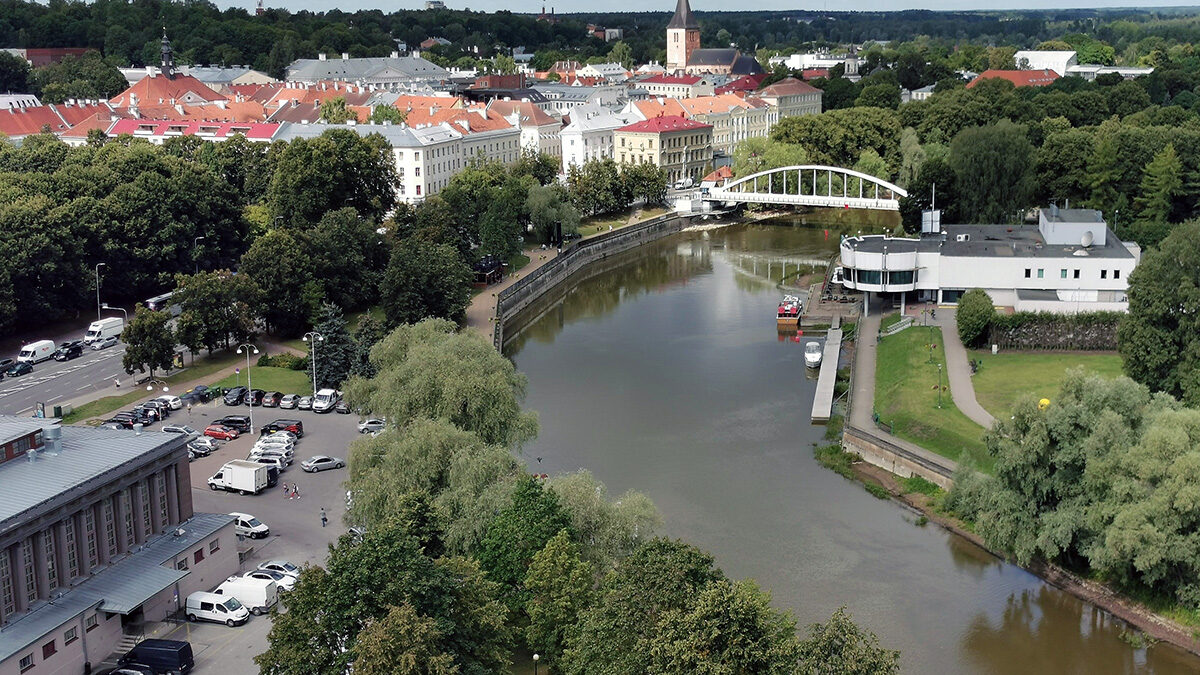
Tartu, Estonia’s second-largest city, offers a compelling blend of intellectual heritage and contemporary artistic expression. It stands as the nation’s academic and cultural hub, fostering an atmosphere of innovation and creativity. Visitors can explore a rich tapestry of history, from its medieval roots to its status as a modern university town, all within a remarkably compact and accessible urban landscape. This guide provides the essential information for planning a visit, covering costs, accommodation, and must-see attractions.
Who This Guide Is For
This guide is designed for independent travelers seeking an authentic cultural experience in a European city with a moderate cost of living. It is particularly suited for first-time visitors planning a 3-5 day trip who are interested in history, art, and local cuisine.
Average Travel Cost in Tartu
| Category | Budget | Mid-Range | Luxury |
|---|---|---|---|
| Accommodation | $35 | $80 | $150 |
| Food | $25 | $50 | $90 |
| Transport | $5 | $20 | $50 |
| Attractions | $10 | $30 | $60 |
| Misc | $10 | $20 | $40 |
| Daily Total | $85 | $200 | $390 |
Estimated Total Costs:
- 3-Day Trip: Budget $255 / Mid-Range $600 / Luxury $1170
- 7-Day Trip: Budget $595 / Mid-Range $1400 / Luxury $2730
For accommodation, choosing an Airbnb-style apartment can offer savings of approximately 15-25% compared to mid-range hotels, particularly for longer stays or groups, by providing kitchen facilities and often more space. This cost-effectiveness makes it an attractive option for budget-conscious travelers. Compare with other European cities using the travel cost calculator.
Prices for travel to Tartu are generally lower during the shoulder seasons (April-May, September-October) and off-season (November-March) compared to the peak summer months (June-August). Expect to see a 10-20% increase in accommodation and flight prices during July and August. Off-season travel can offer significant savings, though some outdoor attractions may have limited operating hours.
Where to Stay in Tartu
Old Town (Vanalinn)
Known for its charming cobblestone streets, historic architecture, and proximity to major landmarks. This area offers a picturesque setting and easy access to cafes, shops, and cultural sites.
- Price Range: Budget $30-$50/night, Mid-Range $70-$120/night
- Best For: First-time visitors, history enthusiasts, couples
- Insider Tip: Book accommodation well in advance, especially during festival periods, as availability is limited.
Supilinn (Soup Town)
Recognized for its unique wooden houses, quiet residential streets, and a strong sense of community. It’s a peaceful escape with a distinct local character, popular with artists and families.
- Price Range: Budget $25-$45/night, Mid-Range $60-$100/night
- Best For: Travelers seeking a local experience, families, artists
- Insider Tip: Explore the small, independent cafes and galleries that dot the neighborhood.
Kesklinn (City Centre)
The bustling heart of Tartu, offering a wide array of shops, restaurants, entertainment venues, and modern hotels. It’s a dynamic area that provides convenience and access to urban amenities.
- Price Range: Budget $40-$60/night, Mid-Range $90-$150/night
- Best For: Travelers prioritizing convenience, business travelers, nightlife seekers
- Insider Tip: Utilize the efficient public transport system to explore beyond the immediate city center.
Best Things to Do in Tartu
Town Hall Square (Raekoja plats)
This is the historic heart of Tartu, featuring the iconic Town Hall, the Kissing Students fountain, and surrounding Baroque-style buildings. It serves as a central meeting point and a hub for city life.
- Average Ticket Price: Free
- Best Time to Visit: Year-round, especially vibrant during local events and festivals. Daytime for general sightseeing, evenings for atmosphere.
- Insider Tip: Visit early in the morning to capture photographs without crowds and to enjoy the quiet ambiance.
Estonian National Museum (ERM)
A modern architectural marvel housing extensive exhibits on Estonian culture, history, and ethnography, offering deep insights into the nation’s identity. It is one of the largest museums in the Baltics.
- Average Ticket Price: €12-€16
- Best Time to Visit: Tuesday-Sunday, 10:00 AM – 6:00 PM. Allow at least 3-4 hours for a comprehensive visit.
- Insider Tip: Check the museum’s website for temporary exhibitions and guided tours, which can enhance your understanding of the collections.
A. Le Coq Beer Museum
Located in the historic A. Le Coq brewery, this museum details the history of brewing in Estonia and the company’s legacy, culminating in a tasting session. It offers a unique perspective on local industry and tradition.
- Average Ticket Price: €6-€8
- Best Time to Visit: Tuesday-Sunday, 11:00 AM – 5:00 PM. Tours are often available on the hour.
- Insider Tip: Book your tour in advance, especially during peak season, to secure your preferred time slot for the tasting.
Tartu University History Museum
Housed in the historic university buildings, this museum showcases the rich academic heritage of the University of Tartu, one of Northern Europe’s oldest universities. It features exhibits on science, medicine, and student life.
- Average Ticket Price: €5-€7
- Best Time to Visit: Tuesday-Saturday, 10:00 AM – 5:00 PM.
- Insider Tip: Combine your visit with a walk through the university’s historic courtyards for a fuller experience.
Toomemägi Hill (Cathedral Hill)
This elevated parkland offers panoramic views of the city and is home to the ruins of Tartu Cathedral, historic monuments, and charming walking paths. It’s a tranquil spot for relaxation and reflection.
- Average Ticket Price: Free
- Best Time to Visit: Spring and summer for pleasant walks and views. Autumn offers beautiful foliage.
- Insider Tip: Seek out the Angel’s Bridge and Devil’s Bridge for unique photo opportunities and local lore.
Tartu Art Museum (Kuntsimaja)
Situated in the city center, this museum focuses on Estonian art from the 18th century to the present day, with a notable collection of Soviet-era art. It provides a vital perspective on national artistic development.
- Average Ticket Price: €5-€7
- Best Time to Visit: Wednesday-Sunday, 11:00 AM – 6:00 PM.
- Insider Tip: Check for temporary exhibitions featuring contemporary Estonian artists, which often offer fresh insights.
Where to Eat in Tartu
Estonian Cuisine at Ülikooli Kohvik
Cuisine: Traditional Estonian dishes with a modern twist.
Price Range: €15-€25 per meal.
What to Order: Mulgikapsad (pork and sauerkraut stew), Kama (a traditional grain dessert), and local fish dishes.
Location Tip: Located conveniently near the University of Tartu, making it an ideal spot after visiting historical sites.
International Flavors at Tassikoogid
Cuisine: Cafe fare, pastries, and light meals with European influences.
Price Range: €10-€20 per meal.
What to Order: A wide selection of homemade cakes, quiches, and hearty soups. Excellent coffee and tea selection.
Location Tip: Find this cozy spot in the Old Town, perfect for a mid-afternoon break.
Casual Dining at Werner Cafe
Cuisine: European bistro and cafe style, known for its generous portions.
Price Range: €12-€22 per meal.
What to Order: Their extensive breakfast menu is popular, as are their salads and pasta dishes. Try their signature cakes.
Location Tip: Situated on Town Hall Square, offering great views and a lively atmosphere.
Local Brews and Bites at Puhvet Annelinn
Cuisine: Pub food and modern European dishes, with a focus on local ingredients and craft beers.
Price Range: €18-€28 per meal.
What to Order: Seasonal specials, burgers, and platters to share. Extensive list of Estonian craft beers.
Location Tip: Located in the Annelinn district, offering a more local, less tourist-centric experience.
3-Day Tartu Itinerary
Day 1
Morning: Begin your exploration at Town Hall Square, absorbing the historic ambiance. Visit the Town Hall itself and the nearby Kissing Students fountain. Afterward, delve into the history of Estonian art at the Tartu Art Museum.
Afternoon: Immerse yourself in Estonian culture and history at the Estonian National Museum (ERM). Allow ample time to explore its extensive exhibits.
Evening: Enjoy a traditional Estonian dinner at Ülikooli Kohvik, sampling local delicacies. Conclude the day with a leisurely stroll through the illuminated Old Town.
Estimated Daily Cost: $95
Day 2
Morning: Ascend Toomemägi Hill to explore the ruins of Tartu Cathedral and enjoy panoramic city views. Visit the Tartu University History Museum to learn about the institution’s significant past.
Afternoon: Experience the brewing heritage of Estonia at the A. Le Coq Beer Museum, including a tasting session. Afterward, relax with coffee and cake at Tassikoogid.
Evening: Explore the charming Supilinn district, known for its unique wooden architecture. Enjoy dinner at a local eatery in this tranquil neighborhood, perhaps Puhvet Annelinn for craft beers and bites.
Estimated Daily Cost: $110
Day 3
Morning: Visit the Tartu City Museum to gain further insight into the city’s development and life through the ages. Explore the exhibits detailing Tartu’s past.
Afternoon: Take a relaxing walk along the Emajõgi River. Consider a short boat trip if available during warmer months. Alternatively, explore the modern shops and cafes in the Kesklinn district.
Evening: Enjoy a final Estonian meal at Werner Cafe, known for its classic dishes and lively atmosphere. Reflect on your Tartu experiences before departure.
Estimated Daily Cost: $90
Transportation Guide
Tartu is accessible via Tartu Airport (TART), which handles limited international flights, primarily from Helsinki. More commonly, travelers arrive via Tallinn Airport (TLL) and then take a direct bus or train to Tartu, a journey of approximately 2.5 to 3 hours. Tartu’s public transportation system consists of buses, which are efficient and cover most areas of the city. A single bus ticket typically costs around €1.50 when purchased from the driver, or less when using a travel card. Rideshare services like Bolt are readily available and offer a convenient alternative for point-to-point travel within the city. Walking is highly recommended for exploring the compact city center, as most attractions are within easy reach. Consider the Tallinn travel guide for arrival information.
Money-Saving Tips
Pro Tip 1: Purchase a Tartu City Card if you plan to visit multiple paid attractions within a short period. The card often provides unlimited public transport and free or discounted entry to museums, potentially saving up to 20% on attraction costs.
Pro Tip 2: Take advantage of free walking tours offered by local guides. These tours provide excellent historical context and practical advice, often operating on a tip-only basis, allowing you to set your own expenditure.
Pro Tip 3: Dine at local cafes and bistros outside the immediate Town Hall Square area. You can find delicious and authentic meals for 20-30% less by exploring neighborhoods like Supilinn or venturing slightly further from the main tourist hubs.
Common Travel Mistakes
Mistake 1: Underestimating the amount of walking required. While Tartu is compact, comfortable footwear is essential, as many historic areas have cobblestone streets, and exploring Toomemägi Hill involves inclines.
Mistake 2: Not checking museum opening hours in advance. Some smaller museums or specific exhibitions may have limited operating days or hours, particularly during the off-season or on public holidays.
Frequently Asked Questions
How much money do you need for 3 days in Tartu?
For a 3-day trip to Tartu, budget travelers can expect to spend approximately $255. Mid-range travelers should allocate around $600, while luxury travelers might budget $1170. These estimates cover accommodation, food, local transport, and attractions.
Is Tartu expensive for tourists?
Tartu is generally considered moderately priced compared to Western European capitals. Daily costs are significantly lower than in cities like Barcelona, making it an accessible destination. Budget travelers can comfortably manage on under $85 per day.
What is the best area to stay in Tartu?
The Old Town (Vanalinn) is ideal for first-time visitors due to its historical charm and proximity to attractions. Supilinn offers a more local, tranquil experience, while Kesklinn provides convenience and access to modern amenities.
Can you visit Tartu without a car?
Yes, Tartu is highly walkable, and its public transport system is efficient. Most major attractions, restaurants, and accommodations in the city center are easily accessible on foot or by bus. Rideshare services are also available.
What is the cheapest month to visit Tartu?
The cheapest months to visit Tartu are typically from November to March, excluding the Christmas and New Year period. During these winter months, accommodation and flight prices are at their lowest, though some outdoor activities may be limited.

Kai has visited 60+ countries across 6 continents, with a obsession for one thing most travelers ignore: the real cost of getting there. Former budget backpacker turned data-driven travel writer, Kai breaks down destination costs so you can plan smarter — not just dream bigger. Based everywhere, from nowhere in particular.