Timor Leste: An Emerging Destination for the Adventurous Traveler
Timor Leste Travel Guide
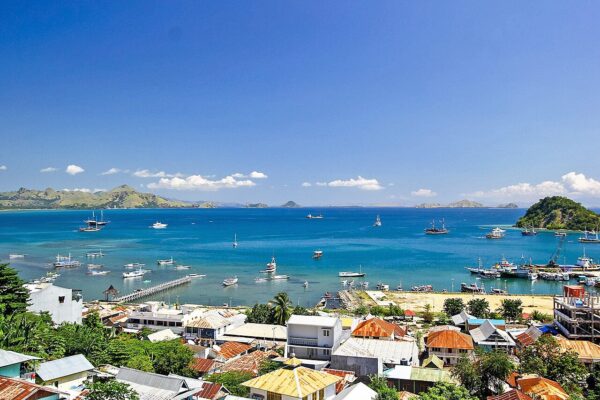
Timor-Leste, also known as East Timor, stands as Southeast Asia’s youngest nation, a land of dramatic landscapes and resilient spirit. This emerging destination offers an unparalleled opportunity to explore pristine natural beauty, from its vibrant coral reefs to its rugged mountain interiors. The country’s rich cultural tapestry is woven from indigenous traditions, Portuguese colonial influences, and a deep sense of national identity forged through a hard-won independence. For travelers seeking authentic experiences beyond mass tourism, Timor-Leste promises adventure, cultural immersion, and a chance to witness a nation on the cusp of development.
Best Cities to Visit in Timor Leste
Dili
The capital city, Dili, serves as the gateway to Timor-Leste. Here, visitors can explore historical sites like the Presidential Palace and the Resistance Museum, alongside bustling markets and a developing waterfront.
Baucau
Timor-Leste’s second-largest city, Baucau, retains a distinct colonial charm with its Portuguese architecture. It’s a good base for exploring nearby waterfalls and the serene Com Beach.
Suai
Located on the southern coast, Suai is known for its beautiful beaches and as a significant religious site. It offers a more laid-back atmosphere and opportunities for coastal exploration.
Maubara
This small coastal town is historically significant, featuring remnants of Portuguese forts and a lively local market. It provides a glimpse into traditional Timorese life.
Ainaro
Nestled in the mountains, Ainaro is a gateway to spectacular trekking opportunities, including Mount Ramelau, the country’s highest peak. The cool mountain air and stunning vistas are a major draw.
Pante Makasar (Oecusse)
An exclave of Timor-Leste, Pante Makasar offers a unique cultural experience with its distinct traditions and beautiful coastline. It’s a destination for those seeking an off-the-beaten-path adventure.
Travel Costs in Timor Leste
| Category | Budget (USD) | Mid-Range (USD) | Luxury (USD) |
|---|---|---|---|
| Accommodation | 20 – 40 | 50 – 100 | 120+ |
| Food | 10 – 20 | 25 – 40 | 50+ |
| Transport | 5 – 15 | 20 – 30 | 40+ |
| Activities | 10 – 20 | 30 – 50 | 60+ |
| Daily Total | 45 – 95 | 125 – 220 | 270+ |
Best Time to Visit Timor Leste
Timor-Leste experiences a tropical monsoon climate, characterized by distinct wet and dry seasons. The dry season, from May to October, is generally considered the best time to visit, offering sunny days and lower humidity, ideal for outdoor activities and exploring the coastline. The wet season, from November to April, brings heavier rainfall, which can impact travel, especially in mountainous regions. While the shoulder months of April and November can offer a balance, the peak tourist season aligns with the dry months.
Getting Around Timor Leste
Transportation within Timor-Leste is developing but can be challenging. Domestic flights operate between major cities, offering a quicker but more expensive option. Buses and minibuses (otas) are the most common and affordable forms of inter-city travel, though services can be infrequent and routes limited. Taxis are available in Dili, and hiring a private car with a driver is a popular option for those seeking comfort and flexibility, especially for longer journeys or exploring remote areas. There are no trains in Timor-Leste, and rideshare services are not yet established.
Essential Tips for Visiting Timor Leste
- Visa: Most nationalities require a visa, which can be obtained in advance or upon arrival at Dili International Airport. Check current requirements with your local embassy.
- Currency: The official currency is the United States Dollar (USD). ATMs are available in Dili, but it is advisable to carry some cash, especially when traveling outside the capital.
- Customs: Timor-Leste is a predominantly Catholic country with strong traditional customs. Dress modestly when visiting religious sites and be respectful of local traditions and etiquette.
- Safety: Timor-Leste is generally safe for tourists, but it is always wise to exercise caution, be aware of your surroundings, and avoid displaying wealth. Consult your government’s travel advisories for the latest information.
- Connectivity: Mobile phone coverage is available in major towns, and Wi-Fi can be found in hotels and some cafes in Dili. However, internet access can be slow and unreliable in more remote areas.

Kai has visited 60+ countries across 6 continents, with a obsession for one thing most travelers ignore: the real cost of getting there. Former budget backpacker turned data-driven travel writer, Kai breaks down destination costs so you can plan smarter — not just dream bigger. Based everywhere, from nowhere in particular.