3 Days in Wellington: Te Papa, Craft Beer & Cuba Street
Welcome to your definitive Wellington travel guide, designed to help international travelers explore New Zealand’s vibrant capital. Known for its artistic flair, culinary excellence, and stunning harbour views, Wellington offers a compact yet rich experience. This guide provides practical insights into things to do in Wellington, accommodation, dining, and budgeting, ensuring a seamless and memorable visit.
Why Visit Wellington?
Wellington, often affectionately called the “Coolest Little Capital in the World,” offers a compelling blend of culture, cuisine, and natural beauty. This compact city, nestled between rolling hills and a picturesque harbour, is remarkably walkable, making it easy to discover its many charms.
The city is a cultural powerhouse, home to the national museum, Te Papa, and a thriving arts scene encompassing theatre, music, and film. Its reputation as a culinary hotspot is well-deserved, boasting an exceptional coffee culture, world-class restaurants, and an innovative craft beer scene. Visitors can indulge in everything from gourmet dining to casual food truck delights.
Beyond its urban appeal, Wellington provides easy access to stunning natural landscapes. From panoramic views atop Mount Victoria to the unique wildlife sanctuary of Zealandia, outdoor adventures are never far away. The city’s welcoming atmosphere, combined with its creative energy and breathtaking scenery, makes it an essential stop on any our complete New Zealand travel guide.
Average Travel Cost in Wellington
Understanding the potential Wellington travel cost is crucial for planning your trip. Prices can vary significantly based on your travel style, from budget-conscious backpacking to luxurious escapes. The following table provides estimated daily costs for a solo traveler in Wellington for 2026, subject to currency fluctuations and seasonal demand. Use our travel cost calculator to get a more personalized estimate.
| Category | Budget Traveler (NZD) | Mid-Range Traveler (NZD) | Luxury Traveler (NZD) |
|---|---|---|---|
| Hotel/Accommodation | $70 – $110 | $160 – $280 | $350 – $600+ |
| Food & Drinks | $45 – $70 | $80 – $140 | $150 – $250+ |
| Local Transport | $10 – $20 | $15 – $30 | $25 – $40 |
| Attractions & Activities | $25 – $50 | $40 – $80 | $70 – $120+ |
| Total Daily Estimate | $150 – $250 | $295 – $530 | $595 – $1010+ |
These figures are estimates for 2026 and can fluctuate. Budget travelers can save by staying in hostels, utilizing free attractions, and self-catering. Mid-range options include boutique hotels and a mix of dining experiences. Luxury travel involves premium hotels, fine dining, and exclusive tours. For comparison, check out Check travel costs in Bangkok, or Compare with Hobart for a different perspective on Oceania travel costs.
Where to Stay in Wellington
Choosing where to stay in Wellington can significantly enhance your experience. The city offers diverse neighborhoods, each with its unique charm and range of accommodation options. Here are three top recommendations:
-
CBD (Central Business District): Ideal for first-time visitors and those seeking convenience. The CBD puts you within walking distance of major attractions like Te Papa, the waterfront, and numerous dining options. It offers a wide array of hotels, from international chains to boutique establishments.
Price Range: Mid-range to Luxury ($160 – $600+ per night).
-
Te Aro: Located just south of the CBD, Te Aro is Wellington’s vibrant cultural and culinary hub. This bustling area is known for its trendy cafes, independent boutiques, lively bars, and diverse restaurants. It’s an excellent choice for travelers who enjoy a dynamic atmosphere and easy access to nightlife.
Price Range: Budget to Mid-range ($90 – $250 per night).
-
Oriental Bay / Mount Victoria: For stunning harbour views and a more relaxed, upscale atmosphere, consider Oriental Bay or the slopes of Mount Victoria. This area offers beautiful waterfront walks, elegant apartments, and boutique hotels. It’s slightly removed from the city’s hustle but still easily accessible.
Price Range: Mid-range to Luxury ($200 – $700+ per night).
Best Things to Do in Wellington
Wellington boasts a remarkable array of attractions, catering to all interests from culture vultures to nature lovers. Here are some of the best things to do in Wellington:
-
Te Papa Tongarewa (Museum of New Zealand): As the national museum, Te Papa offers an immersive journey through New Zealand’s history, culture, and natural environment. Its interactive exhibits, including the famous Gallipoli exhibition, make it a must-visit. Entry is free, though some special exhibitions may have a fee.
-
Wellington Cable Car & Botanic Garden: An iconic Wellington experience, the historic Cable Car offers panoramic views as it ascends from Lambton Quay to the Botanic Garden. Explore the diverse plant collections, enjoy the stunning city vistas, and then walk back down through the charming streets.
-
Mount Victoria Lookout: Drive or walk up to the Mount Victoria Lookout for the most spectacular 360-degree views of Wellington city, its harbour, and surrounding hills. It’s a perfect spot for sunrise or sunset photography.
-
Zealandia Ecosanctuary: Step into a 500-year vision to restore a valley’s forest and freshwater ecosystems. This urban eco-sanctuary is home to some of New Zealand’s rarest native wildlife, including kiwi, tuatara, and ancient trees. It’s an unparalleled opportunity to experience pristine New Zealand nature.
-
Cuba Street: Immerse yourself in the bohemian heart of Wellington on Cuba Street. This vibrant precinct is famous for its eclectic mix of cafes, vintage shops, art galleries, street performers, and diverse eateries. Don’t miss the iconic Bucket Fountain.
-
Weta Workshop: For film enthusiasts, a tour of Weta Workshop is essential. Discover the magic behind the Lord of the Rings, Avatar, and other blockbuster films, learning about props, costumes, and special effects. Book in advance, as tours are popular.
-
Oriental Bay: Enjoy a leisurely stroll or cycle along the golden sands of Oriental Bay, Wellington’s picturesque city beach. Lined with cafes and beautiful architecture, it’s a perfect spot for relaxation and enjoying the harbour views.
-
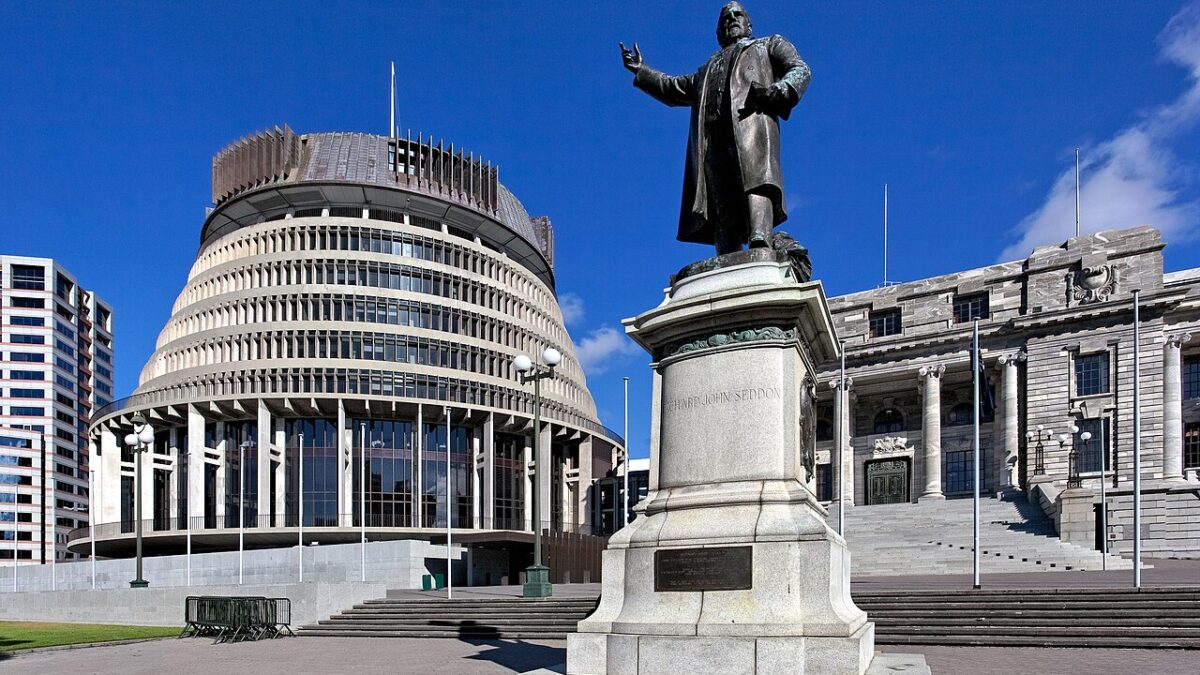
Parliament Buildings (The Beehive): Take a free guided tour of New Zealand’s Parliament House, including the distinctive ‘Beehive’ executive wing. Learn about the country’s political system and admire the unique architecture.
-
Museum of Wellington City & Sea: Located in a historic wharf building, this museum tells the captivating stories of Wellington’s maritime history, local legends, and its evolution into a vibrant capital. It offers a fascinating insight into the city’s past.
Where to Eat in Wellington
Wellington’s culinary scene is a major draw, solidifying its reputation as a global food capital. From award-winning fine dining to bustling food markets, the city offers an exceptional array of options. Here are some of the best restaurants in Wellington and food experiences:
-
Cuba Street Eateries: The entire Cuba Street precinct is a foodie paradise. Explore numerous cafes, international restaurants (from Vietnamese to Mexican), and food trucks offering gourmet burgers, dumplings, and more. It’s perfect for casual dining and people-watching.
-
Fisherman’s Table (or similar waterfront seafood): For an authentic taste of New Zealand’s fresh seafood, head to a reputable restaurant along the waterfront. Establishments like Ortega Fish Shack or Shed 5 offer exquisite dishes featuring local catches, often with stunning harbour views.
-
Charley Noble Eatery & Bar: Located in the heart of the city, Charley Noble is celebrated for its wood-fired cooking and focus on seasonal, local ingredients. It offers a relaxed yet sophisticated atmosphere, perfect for a hearty meal with friends or family.
-
Logan Brown: For a truly memorable fine dining experience, Logan Brown is an iconic choice. Housed in a beautifully converted bank building, it serves modern New Zealand cuisine with exceptional service. Reservations are highly recommended.
-
Sweet Mother’s Kitchen: Experience a taste of the Deep South in Wellington at Sweet Mother’s Kitchen. This popular spot on Courtenay Place serves delicious Cajun and Creole comfort food in a quirky, vibrant setting. It’s known for its generous portions and lively atmosphere.
-
Wellington Coffee Culture: Wellington takes its coffee seriously. Explore independent roasters and cafes like Flight Coffee Hangar, Havana Coffee Works, or Customs by Coffee Supreme. Each offers unique blends and a quintessential Wellington experience.
3-Day Wellington Itinerary
This Wellington itinerary offers a balanced exploration of the city’s highlights, perfect for international visitors.
Day 1: Cultural Immersion & Waterfront Charm
Begin your day with a deep dive into New Zealand’s rich heritage at Te Papa Tongarewa. Allocate at least 3-4 hours to explore its diverse exhibitions, from Māori culture to natural history. Afterwards, enjoy a leisurely lunch at one of the cafes along the waterfront.
In the afternoon, stroll along the beautiful Oriental Bay, soaking in the harbour views and vibrant atmosphere. Continue to the Museum of Wellington City & Sea to delve into the city’s fascinating maritime past and local legends. Conclude your day with dinner in the bustling Te Aro precinct, sampling some of Wellington’s diverse culinary offerings.
Day 2: Iconic Views, Gardens & Film Magic
Start your morning with a ride on the historic Wellington Cable Car from Lambton Quay, ascending to the stunning Botanic Garden. Spend time exploring the themed gardens, enjoying the panoramic city and harbour views. Consider a walk back down through the charming streets.
After lunch, make your way to the Mount Victoria Lookout for breathtaking 360-degree vistas of the city. In the afternoon, immerse yourself in the world of filmmaking with a tour of Weta Workshop, discovering the artistry behind movie magic. Enjoy dinner and perhaps a craft beer tasting on the eclectic Cuba Street, soaking in its unique bohemian vibe.
Day 3: Wildlife Encounter & Political Insights
Dedicate your morning to an extraordinary wildlife experience at Zealandia Ecosanctuary. Explore the protected valley, spotting rare native birds and reptiles in their natural habitat. Allow at least 2-3 hours for this immersive encounter with New Zealand’s unique biodiversity.
In the afternoon, take a free guided tour of the Parliament Buildings, including the iconic ‘Beehive,’ to learn about New Zealand’s political system and history. Afterwards, indulge in Wellington’s renowned coffee culture at a local cafe. For your farewell dinner, choose one of the city’s acclaimed restaurants, perhaps a fine dining establishment or a seafood restaurant along the harbour to reflect on your incredible Wellington journey.
Transportation Guide
Wellington is a remarkably compact and walkable city, making it easy to explore many key attractions on foot. However, for longer distances or reaching specific areas, an efficient public transport network is available. This city is part of a larger region, and you can explore more of it with Browse Oceania travel guides.
-
Walking: The CBD, waterfront, and many cultural sites are easily accessible by walking. This is often the best way to discover hidden gems and soak in the city’s atmosphere.
-
Metlink (Buses & Trains): Wellington’s public transport, operated by Metlink, includes an extensive bus network covering the entire city and surrounding suburbs. Commuter trains connect the CBD with regions further afield. Fares can be paid with a Snapper card (available for purchase and top-up) or cash, though Snapper offers cheaper fares.
-
Wellington Cable Car: While an attraction in itself, the Cable Car also serves as a practical mode of transport between Lambton Quay and the Botanic Garden/Kelburn residential area. It offers stunning views and is part of the Metlink network.
-
Ferries: Interislander and Bluebridge ferries connect Wellington with Picton in the South Island. Local harbour ferries also operate, offering scenic trips to places like Matiu/Somes Island or Eastbourne.
-
Taxis & Ride-sharing: Taxis and ride-sharing services like Uber are readily available throughout the city, providing convenient options for getting around, especially in the evenings or for airport transfers.
-
Cycling: Wellington is increasingly bike-friendly, with dedicated paths along the waterfront and in some parks. Bike rentals are available for those wishing to explore on two wheels.
Money-Saving Tips
Exploring Wellington doesn’t have to break the bank. Here are some practical Wellington budget travel tips to help you save money while experiencing the best of the city:
-
Utilise Free Attractions: Wellington is rich in free activities. Enjoy the vast collections at Te Papa Museum, explore the beautiful Botanic Garden, hike up to Mount Victoria for panoramic views, and wander through the vibrant Cuba Street. The Museum of Wellington City & Sea also offers free entry.
-
Walk Everywhere Possible: Wellington’s compact nature means many attractions are within walking distance. This saves on transport costs and allows you to discover more of the city’s charm on foot.
-
Cook Your Own Meals: If your accommodation has kitchen facilities (e.g., hostels, Airbnb), consider buying groceries from local supermarkets and preparing some of your meals. This is significantly cheaper than dining out for every meal.
-
Look for Lunch Specials & Happy Hours: Many restaurants and pubs offer more affordable lunch deals or happy hour specials on drinks and appetizers. This is a great way to experience Wellington’s culinary scene without the full dinner price tag.
-
Public Transport Passes: If you plan on using public transport frequently, consider purchasing a Snapper card for cheaper fares compared to cash. While Wellington is walkable, a Snapper card is useful for longer journeys.
-
Bring a Reusable Water Bottle: Tap water in Wellington is safe to drink. Carry a reusable bottle and refill it throughout the day to avoid buying bottled water.
-
Free Walking Tours: Check for any free walking tours offered by local guides. These are often tip-based and provide excellent insights into the city’s history and culture.
Frequently Asked Questions
Is Wellington a walkable city?
Yes, Wellington is renowned for being a highly walkable city. Its compact city centre means that many major attractions, the waterfront, and key dining precincts are within easy walking distance of each other. Comfortable shoes are recommended to navigate its hilly streets and explore its vibrant neighbourhoods on foot.
What is the best time of year to visit Wellington?
The best time to visit Wellington is during the warmer months of New Zealand’s summer and autumn, from December to April. During this period, the weather is generally mild and pleasant, ideal for outdoor activities and enjoying the city’s festivals. While Wellington is known for its wind, these months offer the most settled conditions.
Is Wellington expensive for tourists?
Wellington, like much of New Zealand, can be considered moderately expensive for international tourists, particularly regarding accommodation and dining. However, there are numerous free attractions and budget-friendly options available. With careful planning, such as utilising public transport, cooking some meals, and focusing on free activities, visitors can manage their Wellington travel cost effectively.
What is Wellington famous for?
Wellington is famous for several key aspects: its vibrant arts and culture scene (home to Te Papa and a thriving film industry), its exceptional coffee and culinary offerings, its stunning harbour and scenic views, and its strong wind, earning it the nickname “Windy Wellington.” It is also the political capital of New Zealand.
How many days do you need to explore Wellington?
To adequately explore Wellington and experience its main attractions, a minimum of 3 full days is recommended. This allows enough time to visit key museums, enjoy the Cable Car and Botanic Garden, explore Cuba Street, and potentially visit Zealandia. An additional day or two would allow for deeper exploration or day trips to surrounding regions.

Kai has visited 60+ countries across 6 continents, with a obsession for one thing most travelers ignore: the real cost of getting there. Former budget backpacker turned data-driven travel writer, Kai breaks down destination costs so you can plan smarter — not just dream bigger. Based everywhere, from nowhere in particular.