First Time in Tulum? Your Beach Escape Plan
Why Visit Tulum?
Tulum offers a unique blend of ancient Mayan history, bohemian chic, and stunning Caribbean coastline. This Tulum travel guide highlights its accessible ruins, vibrant culinary scene, and diverse accommodation options, catering to various budgets. Travelers can explore cenotes, relax on pristine beaches, and experience a distinctive cultural atmosphere.
The Riviera Maya destination attracts visitors with its commitment to eco-tourism and a laid-back, yet sophisticated, ambiance. Unlike more developed resorts, Tulum prioritizes natural beauty and a connection to the environment, making it an appealing choice for those seeking a more authentic experience. This guide provides practical information on costs, itineraries, and local insights to maximize your visit.
Who This Guide Is For
This guide is intended for first-time visitors planning a 3-5 day trip to Tulum, seeking a balance of cultural exploration, relaxation, and culinary experiences. It is particularly useful for travelers with a mid-range budget looking for practical advice on accommodation, activities, and local transportation.
Average Travel Cost in Tulum
| Category | Budget | Mid-Range | Luxury |
|---|---|---|---|
| Accommodation | $30 | $120 | $400 |
| Food | $25 | $60 | $150 |
| Transport | $10 | $30 | $100 |
| Attractions | $15 | $50 | $150 |
| Misc | $10 | $20 | $50 |
| Daily Total | $90 | $280 | $850 |
Estimated Total Costs:
3-Day Trip:
* Budget: $270
* Mid-Range: $840
* Luxury: $2550
7-Day Trip:
* Budget: $630
* Mid-Range: $1960
* Luxury: $5950
When comparing accommodation options, Airbnb-style rentals can offer significant savings, particularly for longer stays or groups. While hotels provide amenities and services, a private rental often includes kitchen facilities, allowing for meal preparation and reducing food expenses. For instance, a week-long stay in a modest Airbnb could be 30-40% less expensive than a comparable hotel room. Always factor in cleaning fees and potential service charges when calculating Airbnb costs. The exchange rate is approximately 1 USD = 17.00 MXN.
Tulum experiences distinct seasonal price fluctuations. The peak season, from December to April, commands the highest rates due to favorable weather and high demand. Shoulder seasons (May-June, October-November) offer a balance of good weather and more moderate prices. The off-season, from July to September, presents the lowest prices but coincides with the rainy season and higher humidity. Tipping culture in Mexico generally expects 15-20% at restaurants.
Where to Stay in Tulum
La Veleta
This neighborhood is known for its bohemian vibe, trendy restaurants, and a growing number of boutique hotels and stylish Airbnbs. It offers a more local feel while still being close to the beach zone.
* Price Range: Budget $40-$80/night, Mid-Range $100-$200/night
* Best For: Travelers seeking a vibrant nightlife, diverse culinary options, and a more authentic neighborhood experience.
* Insider Tip: Rent a bicycle to easily navigate the area and reach the beach road, avoiding frequent taxi fares.
Hotel Zone (Beach Road)
Famous for its stunning beachfront cabanas, eco-chic hotels, and direct access to the Caribbean Sea, this is Tulum’s iconic strip. It’s characterized by its upscale resorts and exclusive dining.
* Price Range: Mid-Range $200-$400/night, Luxury $400+/night
* Best For: Luxury travelers, couples, and those prioritizing beachfront access and a sophisticated atmosphere.
* Insider Tip: Book accommodations well in advance, especially during peak season, as options fill up quickly and prices are consistently high.
Downtown Tulum (Pueblo)
The heart of the town offers more affordable lodging, local markets, and a genuine glimpse into daily life. It’s a hub for budget travelers and those who prefer to be away from the immediate tourist crowds.
* Price Range: Budget $30-$70/night, Mid-Range $80-$150/night
* Best For: Budget-conscious travelers, backpackers, and those interested in experiencing local culture and cuisine.
* Insider Tip: Explore the local shops and street food vendors in the town center for authentic and economical dining experiences.
Best Things to Do in Tulum
Tulum Archaeological Zone
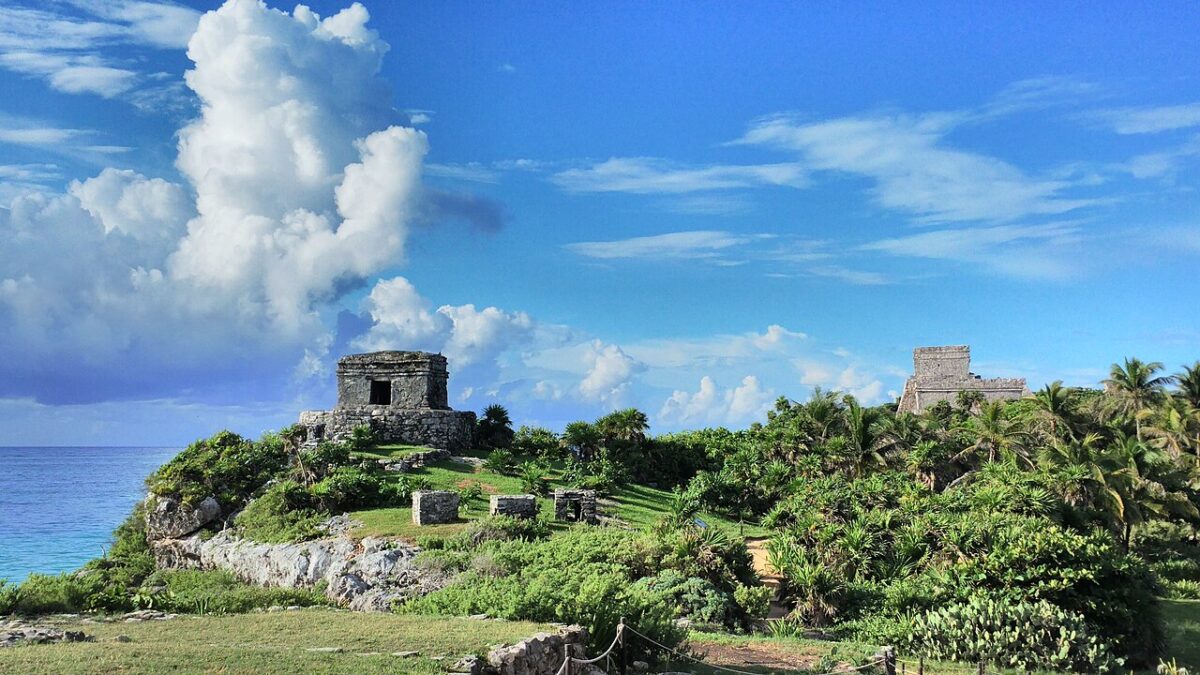
This ancient Mayan city, perched dramatically on a cliff overlooking the Caribbean Sea, is one of the most well-preserved coastal Mayan sites. It offers a unique historical perspective combined with breathtaking natural scenery.
* Average Ticket Price: Approximately $5 USD (MXN 90)
* Best Time to Visit: Early morning (8:00 AM – 10:00 AM) to avoid crowds and the midday heat.
* Insider Tip: Arrive at opening to have the site largely to yourself and capture unobstructed photographs of the iconic El Castillo structure.
Cenote Dos Ojos
One of the most famous cenotes in the region, known for its crystal-clear waters and impressive underwater cave systems, perfect for snorkeling and diving. It’s part of a larger system offering diverse exploration opportunities.
* Average Ticket Price: Approximately $10-$15 USD (MXN 170-250) for access and basic snorkeling.
* Best Time to Visit: Midday when sunlight penetrates the water, illuminating the caves.
* Insider Tip: Consider visiting on a weekday or during the shoulder season to experience fewer visitors and a more serene environment.
Sian Ka’an Biosphere Reserve
A UNESCO World Heritage site, this vast protected area encompasses tropical forests, mangroves, and a significant portion of the Mesoamerican Barrier Reef System. It’s ideal for wildlife observation and eco-tours.
* Average Ticket Price: Varies greatly depending on the tour, typically $70-$150 USD per person for a full-day excursion.
* Best Time to Visit: Year-round, though wildlife sightings can be more frequent during the drier months (December-April).
* Insider Tip: Book a guided tour that focuses on responsible tourism practices to ensure minimal impact on the fragile ecosystem.
Gran Cenote
Renowned for its beautiful turquoise waters, natural rock formations, and opportunities for both swimming and snorkeling, Gran Cenote is a popular spot for its accessibility and visual appeal. It features open-air sections and cave-like areas.
* Average Ticket Price: Approximately $8-$10 USD (MXN 130-170)
* Best Time to Visit: Late morning to early afternoon to enjoy the natural light filtering into the water.
* Insider Tip: Bring your own snorkel gear to save on rental fees and ensure a comfortable fit.
Tulum Beach
This stretch of pristine white sand is famous for its vibrant turquoise waters and palm-fringed coastline. It’s the quintessential Caribbean beach experience, offering relaxation and stunning natural beauty.
* Average Ticket Price: Free to access, though beach clubs may charge for chair rentals or minimum consumption.
* Best Time to Visit: Morning for calmer waters and fewer people, or late afternoon for sunset views.
* Insider Tip: Walk along the beach to discover quieter sections away from the main hotel and restaurant areas.
Cenote Azul
A shallow, open-air cenote with several pools and rocky ledges, Cenote Azul is perfect for families and those who prefer easy access to swimming. Its clear waters make it ideal for observing aquatic life.
* Average Ticket Price: Approximately $5-$7 USD (MXN 80-120)
* Best Time to Visit: Anytime during daylight hours, though weekdays will be less crowded.
* Insider Tip: Arrive early to secure a good spot and enjoy the tranquil atmosphere before larger groups arrive.
Where to Eat in Tulum
* Cuisine Type: Authentic Yucatecan & Mexican Street Food
* Price Range: $5-$15 per meal
* What to Order: Cochinita pibil tacos, marquesitas (crispy crepes), esquites (corn salad).
* Location Tip: Explore the street food stalls in Downtown Tulum (Pueblo) for the most genuine and affordable options.
* Cuisine Type: Fresh Seafood & Caribbean Flavors
* Price Range: $20-$40 per meal
* What to Order: Grilled fish, ceviche, lobster tacos.
* Location Tip: Many restaurants along the Hotel Zone (Beach Road) offer excellent seafood with ocean views.
* Cuisine Type: International & Fusion Cuisine
* Price Range: $30-$60 per meal
* What to Order: Creative pasta dishes, gourmet burgers, innovative vegan options.
* Location Tip: La Veleta neighborhood is a hotspot for restaurants offering diverse and modern culinary experiences.
* Cuisine Type: Traditional Mexican Breakfast
* Price Range: $10-$20 per meal
* What to Order: Chilaquiles, huevos rancheros, fresh fruit platters.
* Location Tip: Cafes in Downtown Tulum and smaller eateries in La Veleta offer hearty and delicious breakfast choices.
3-Day Tulum Itinerary
Day 1
* Morning: Arrive in Tulum, check into accommodation. Head to the Tulum Archaeological Zone early to explore the ruins before the heat and crowds.
* Afternoon: Visit Gran Cenote for a refreshing swim and snorkeling experience.
* Evening: Enjoy dinner in Downtown Tulum, sampling local street food or dining at a casual restaurant.
* Estimated Daily Cost: $120 (Mid-Range)
Day 2
* Morning: Embark on a guided tour of the Sian Ka’an Biosphere Reserve, focusing on wildlife spotting and mangrove exploration.
* Afternoon: Relax on the iconic Tulum Beach, perhaps visiting a beach club for lunch and swimming.
* Evening: Experience dinner at one of the trendy restaurants along the Hotel Zone (Beach Road), enjoying the bohemian ambiance.
* Estimated Daily Cost: $350 (Mid-Range, accounting for tour cost)
Day 3
* Morning: Explore Cenote Dos Ojos for swimming and snorkeling in its unique cave systems.
* Afternoon: Visit Cenote Azul for a more relaxed swimming experience.
* Evening: Enjoy a final dinner in the La Veleta neighborhood, exploring its diverse culinary scene before departure.
* Estimated Daily Cost: $150 (Mid-Range)
Transportation Guide
Getting to Tulum typically involves flying into Cancún International Airport (CUN). From the airport, ADO buses offer a direct and economical service to Tulum’s ADO station, costing approximately $10-$15 USD one way. Private shuttles and pre-booked transfers are also available, ranging from $80-$150 USD for a private car.
Within Tulum, transportation options include:
* Taxis: Readily available but can be expensive, especially for longer distances or late at night. Agree on a price before starting your journey. A short ride within town might cost $5-$10 USD, while trips to the beach can be $15-$20 USD.
* Bicycles: The most popular and cost-effective way to navigate Tulum, especially between Downtown and the Hotel Zone. Rental costs range from $5-$10 USD per day.
* Colectivos: Shared vans that run along the main highway, offering a very cheap way to travel between Tulum town, the beach, and nearby cenotes. Expect to pay $1-$2 USD per ride.
* Rideshare Apps: Uber and Didi are not officially operating in Tulum due to local taxi union regulations.
For exploring attractions outside of town, such as the Sian Ka’an Biosphere Reserve or further afield cenotes, renting a car is advisable for flexibility, though consider the condition of some unpaved roads.
Money-Saving Tips
Pro Tip 1: Purchase a ‘Bono’ or multi-entry pass if you plan to visit multiple cenotes managed by the same cooperative; these can offer a discount of up to 15% compared to individual entry fees.
Pro Tip 2: Eat at local “loncherias” or street food stalls in Downtown Tulum for authentic meals at prices 40-60% lower than beachside restaurants. Look for places with high local patronage.
Pro Tip 3: Utilize colectivos for inter-town travel along the main highway. This can reduce transportation costs by up to 80% compared to frequent taxi use.
Common Travel Mistakes
Mistake 1: Assuming taxi prices are fixed. Tourists often get overcharged by taxis due to a lack of price regulation and clear communication. Always negotiate your fare before entering the taxi and have an idea of typical rates for your destination.
Mistake 2: Not booking popular attractions or accommodations in advance, especially during peak season. This can lead to disappointment, limited availability, and higher last-minute prices. For example, booking the Tulum ruins at opening requires advance planning to beat crowds.
Frequently Asked Questions
How much money do you need for 3 days in Tulum?
For a 3-day trip to Tulum, a budget traveler can expect to spend approximately $270 USD, covering basic accommodation, local food, and essential activities. A mid-range traveler will likely spend around $840 USD, allowing for more comfortable lodging, varied dining, and additional excursions. Luxury travelers should budget approximately $2550 USD for premium experiences.
Is Tulum expensive for tourists?
Tulum can be expensive, particularly in the Hotel Zone with its upscale resorts and restaurants, where daily costs can easily exceed $400 USD per person. However, budget-friendly options exist in Downtown Tulum and by utilizing local transport and eateries, allowing for a more affordable visit. Compare with Kuwait City travel costs for a different perspective on global expense.
What is the best area to stay in Tulum?
The “best” area depends on your priorities. For a bohemian vibe and diverse dining, La Veleta is excellent. For beachfront luxury, the Hotel Zone is unparalleled. For budget-conscious travelers seeking local culture, Downtown Tulum (Pueblo) is ideal. Our complete Mexico travel guide offers more regional insights.
Can you visit Tulum without a car?
Yes, it is entirely possible to visit Tulum without a car. The town center is walkable, and bicycles are a popular and efficient way to get around. Colectivos (shared vans) provide inexpensive transport along the main road, connecting the town, beach, and cenotes. Many tours also include transportation.
What is the cheapest month to visit Tulum?
The cheapest months to visit Tulum are typically from July to September, which falls within the rainy season and hurricane season. While prices for accommodation and flights are lower during this period, travelers should be prepared for higher humidity, potential rainfall, and increased chances of tropical storms. Consider shoulder seasons like May-June or October-November for a better balance of price and weather.
Browse North America travel guides
Merida travel guide
Compare with Roatan
travel cost calculator
Further Reading on Mexico

Kai has visited 60+ countries across 6 continents, with a obsession for one thing most travelers ignore: the real cost of getting there. Former budget backpacker turned data-driven travel writer, Kai breaks down destination costs so you can plan smarter — not just dream bigger. Based everywhere, from nowhere in particular.