Is Vancouver Worth Visiting? [Experience & Budget Guide]
Why Visit Vancouver?
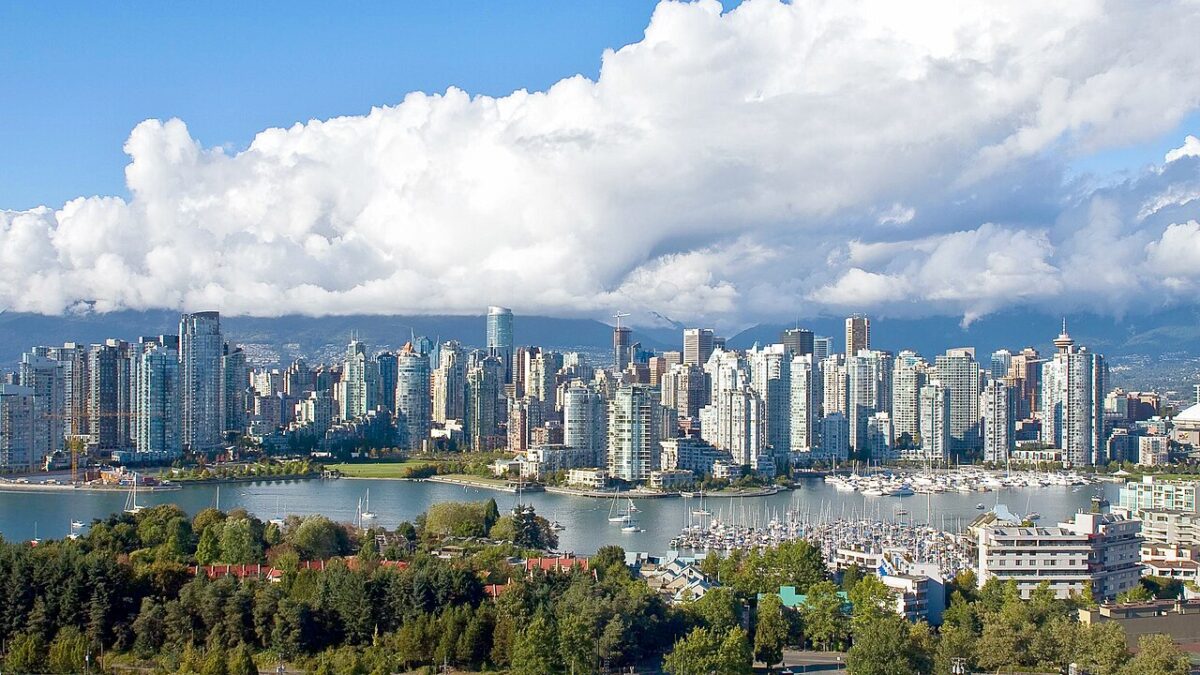
This Vancouver travel guide details a city offering unparalleled natural beauty and a dynamic culinary scene, making it a compelling destination for 2026. With diverse neighborhoods, accessible outdoor adventures, and a burgeoning food culture, Vancouver provides a rich experience for visitors. Our guide addresses itinerary planning, budgeting, and practical tips for an enriching trip. Explore the intersection of urban sophistication and breathtaking landscapes that defines this Pacific Northwest gem.
Vancouver’s allure lies in its harmonious blend of urban amenities and accessible wilderness. Visitors can ascend mountains for panoramic views in the morning and explore vibrant cultural districts by afternoon. The city’s commitment to sustainability is evident in its green spaces and innovative urban planning, offering a model for modern city living. Discover a destination that consistently ranks high for livability and visitor satisfaction, providing a memorable experience for all.
Who This Guide Is For
This guide is designed for first-time visitors planning a 4-6 day trip to Vancouver, seeking a balanced experience of its natural attractions, urban exploration, and culinary highlights. It is particularly useful for travelers interested in understanding average costs, exploring different neighborhoods, and optimizing their itinerary to make the most of their visit. Individuals looking for practical advice on transportation and money-saving strategies will also find this resource invaluable.
Average Travel Cost in Vancouver
The following table provides an estimated daily cost breakdown for different travel budgets in Vancouver, with all figures converted to USD for ease of comparison. The exchange rate used is 1 USD = 1.35 CAD. Prices are based on 2026 estimates.
| Category | Budget | Mid-Range | Luxury |
|---|---|---|---|
| Accommodation | $50 | $150 | $400 |
| Food | $40 | $80 | $200 |
| Transport | $10 | $30 | $100 |
| Attractions | $25 | $75 | $200 |
| Misc | $15 | $30 | $75 |
| Daily Total | $140 | $365 | $975 |
To provide a clearer picture of overall trip expenses, here are estimated total costs for common trip durations:
* 3-Day Trip:
* Budget: $420
* Mid-Range: $1095
* Luxury: $2925
* 7-Day Trip:
* Budget: $980
* Mid-Range: $2555
* Luxury: $6825
For accommodation, choosing an Airbnb-style rental can offer significant savings compared to traditional hotels, particularly for longer stays or for groups. While hotels typically include more amenities and services, private rentals often provide a kitchen and more living space, reducing food costs and offering a more localized experience. For instance, a mid-range hotel might cost $150 per night, whereas a comparable Airbnb could range from $100-$130, potentially saving $20-$50 daily. This difference accumulates over a week-long stay.
Seasonal variations significantly impact travel costs in Vancouver. The peak season, from June to September, commands the highest prices due to favorable weather and school holidays. Shoulder seasons (April-May and October) offer a balance of pleasant weather and lower rates. Off-season (November-March) presents the lowest prices, though weather can be a factor, with increased rainfall. Utilizing the travel cost calculator can help tailor these estimates to your specific travel dates.
Where to Stay in Vancouver
* Gastown
* Known for: Historic Victorian architecture, cobblestone streets, independent boutiques, and a vibrant nightlife. It’s a hub for art galleries and innovative restaurants.
* Price Range (per night): Budget $80-$120; Mid-Range $180-$250.
* Best for: Travelers interested in history, architecture, nightlife, and unique shopping experiences. Food enthusiasts will also find this area appealing.
* Insider Tip: Book accommodation well in advance, especially if visiting during summer, as its popularity can lead to high demand and prices.
* Yaletown
* Known for: Trendy converted warehouses, upscale restaurants, chic bars, and waterfront living. It offers a modern, sophisticated urban atmosphere.
* Price Range (per night): Budget $100-$140; Mid-Range $200-$300.
* Best for: Professionals, couples, and travelers seeking a stylish, upscale environment with excellent dining and entertainment options.
* Insider Tip: Explore the waterfront promenade and the historic railway tracks, which offer scenic views and photo opportunities, especially during sunset.
* Kitsilano (Kits)
* Known for: Laid-back beach town vibe, tree-lined streets, local shops, and Kitsilano Beach. It’s a popular spot for outdoor activities and family-friendly environments.
* Price Range (per night): Budget $70-$110; Mid-Range $160-$220.
* Best for: Families, beach lovers, and budget-conscious travelers who appreciate a relaxed atmosphere and easy access to nature.
* Insider Tip: Rent a bike and cycle along the Seawall from Kitsilano Beach towards Stanley Park for stunning coastal views and a healthy dose of fresh air.
Best Things to Do in Vancouver
Stanley Park
This 405-hectare natural West Coast rainforest is a municipal park and a national historic site, offering a vital green lung for the city. It features immense old-growth trees, beaches, and the iconic Seawall, providing a sanctuary for wildlife and recreation.
* Average Ticket Price: Free. The Vancouver Aquarium within the park has a separate admission fee (approx. $40-$50).
* Best Time to Visit: Year-round. For the best weather and fewer crowds, visit on weekdays during spring (April-May) or fall (September-October).
* Insider Tip: Rent a bike near the park entrance and cycle the 9 km Seawall. Start early in the morning to avoid the largest crowds and enjoy unobstructed views of the city and mountains.
Granville Island
A vibrant arts and culture hub located under the Granville Street Bridge, Granville Island is home to a bustling public market, artisan workshops, theaters, and unique shops. It is a sensory delight, offering a wide array of local produce, crafts, and street performers.
* Average Ticket Price: Free to enter and explore. Costs vary for purchases.
* Best Time to Visit: Daily, from 9:00 AM to 7:00 PM. Weekends are busier; weekdays offer a more relaxed experience.
* Insider Tip: Sample local delicacies at the Public Market. Look for vendors offering artisan cheeses, baked goods, and fresh seafood for a delicious and affordable culinary exploration.
Museum of Anthropology at UBC
Situated on the University of British Columbia campus, this museum is renowned for its world-class collections of Indigenous art and cultural artifacts from the Pacific Northwest. Its stunning architecture, designed by Arthur Erickson, complements the significant cultural heritage housed within.
* Average Ticket Price: Approximately $17-$20.
* Best Time to Visit: Tuesday to Sunday, 10:00 AM to 5:00 PM (extended hours in summer).
* Insider Tip: Allocate at least 2-3 hours for your visit. Consider attending one of their public tours to gain deeper insights into the exhibits and their cultural significance.
Capilano Suspension Bridge Park
This popular attraction features the iconic 137-meter-long suspension bridge hanging 70 meters above the Capilano River. The park also includes the Treetops Adventure, a series of suspended bridges among old-growth trees, and the Cliffwalk, a cantilevered walkway along a granite cliff.
* Average Ticket Price: Approximately $60-$70.
* Best Time to Visit: Open daily from 9:00 AM. Visit early in the morning or late afternoon to avoid peak times.
* Insider Tip: Consider visiting during the holiday season (late November to early January) for the “Canyon Lights” event, when the park is adorned with millions of festive lights.
Grouse Mountain
Known as the “Peak of Vancouver,” Grouse Mountain offers spectacular views and a range of activities year-round. Accessible by the Skyride gondola, it provides hiking, wildlife encounters, and winter sports.
* Average Ticket Price: Skyride round-trip is approximately $60-$70.
* Best Time to Visit: Summer for hiking and outdoor activities, winter for skiing and snowboarding. The Skyride operates daily, usually from 9:00 AM to 10:00 PM.
* Insider Tip: For a challenging and rewarding experience, consider hiking the Grouse Grind trail (a steep 2.9 km climb) instead of taking the Skyride up. You can then take the gondola down.
Vancouver Aquarium
Located within Stanley Park, the Vancouver Aquarium is a leading marine research and conservation institution. It houses a diverse collection of marine life, from local Pacific Northwest species to exotic animals from around the globe.
* Average Ticket Price: Approximately $45-$55.
* Best Time to Visit: Daily, 10:00 AM to 5:00 PM. Weekdays are generally less crowded.
* Insider Tip: Check the daily schedule for feeding times and educational programs, which offer engaging insights into the animals and conservation efforts.
Where to Eat in Vancouver
* Cuisine: West Coast Seafood / Fine Dining
* Price Range: $50-$100+ per meal
* What to Order: Try the sablefish, oysters, or any seasonal catch. Many establishments focus on sustainable, locally sourced ingredients.
* Location Tip: Explore restaurants in Gastown or Yaletown for upscale dining experiences with waterfront or historic views.
* Cuisine: Vietnamese / Casual Dining
* Price Range: $15-$30 per meal
* What to Order: Pho (noodle soup), Banh Mi (Vietnamese sandwich), or fresh spring rolls.
* Location Tip: The area around Kingsway, particularly in East Vancouver, is known for its authentic and diverse Vietnamese eateries.
* Cuisine: Japanese / Sushi & Ramen
* Price Range: $20-$50 per meal
* What to Order: Omakase (chef’s choice sushi), fresh sashimi platters, or rich tonkotsu ramen.
* Location Tip: Downtown Vancouver and the West End offer numerous high-quality sushi restaurants, while Richmond has a strong reputation for authentic ramen.
* Cuisine: Indian / South Asian
* Price Range: $20-$40 per meal
* What to Order: Butter chicken, vindaloo, various curries, and tandoori specialties. Many offer vegetarian options.
* Location Tip: The Punjabi Market area and parts of Surrey are renowned for their authentic and diverse South Asian culinary offerings.
3-Day Vancouver Itinerary
Day 1
* Morning (9:00 AM – 12:00 PM): Begin your day with a visit to Stanley Park. Rent a bicycle near the park entrance and cycle the scenic Seawall, enjoying panoramic views of the city, mountains, and ocean.
* Afternoon (12:30 PM – 4:00 PM): Head to Granville Island. Explore the bustling Public Market, sampling local foods and browsing artisan crafts. Enjoy lunch at one of the market’s food stalls.
* Evening (5:00 PM – 9:00 PM): Experience Gastown’s historic charm. Wander through its cobblestone streets, admire the Victorian architecture, and enjoy dinner at one of its highly-rated restaurants, focusing on modern Canadian cuisine.
* Estimated Daily Cost: $150 (Budget: $140, Mid-Range: $365)
Day 2
* Morning (9:30 AM – 1:00 PM): Visit the Museum of Anthropology at UBC to immerse yourself in the rich culture and art of Indigenous peoples of the Pacific Northwest.
* Afternoon (1:30 PM – 4:30 PM): Travel to Kitsilano. Enjoy a leisurely stroll along Kitsilano Beach, or explore the neighborhood’s independent shops and cafes.
* Evening (5:30 PM – 9:30 PM): Explore the trendy Yaletown district. Enjoy dinner at a sophisticated restaurant and experience the area’s vibrant bar scene.
* Estimated Daily Cost: $180 (Budget: $140, Mid-Range: $365)
Day 3
* Morning (9:00 AM – 1:00 PM): Ascend Grouse Mountain via the Skyride for breathtaking views of the city and surrounding landscape. Participate in optional activities like the interpretive forest walk.
* Afternoon (1:30 PM – 4:30 PM): Experience the thrill of the Capilano Suspension Bridge Park. Walk across the iconic bridge and explore the Treetops Adventure.
* Evening (6:00 PM – 9:00 PM): Conclude your trip with a culinary exploration of Vancouver’s diverse food scene. Consider a restaurant in the West End offering excellent Japanese or Italian cuisine.
* Estimated Daily Cost: $220 (Budget: $140, Mid-Range: $365)
Transportation Guide
Vancouver offers efficient public transit and is easily navigable without a personal vehicle. The primary transit provider is TransLink, operating buses, SkyTrain (light rail), and SeaBus (ferry).
* Airport to City: The Canada Line SkyTrain provides direct service from Vancouver International Airport (YVR) to downtown Vancouver in approximately 25 minutes. The fare is an additional “Canada Line YVR AddFare” on top of the regular fare, totaling around $5-$6.
* Public Transit: A “Compass Card” is recommended for frequent use, allowing you to tap and pay for fares. A single fare allows for unlimited transfers within a 90-minute window across all modes. A day pass offers unlimited travel for 24 hours.
* Bus fares: Approximately $3.05 (adult, one zone).
* SkyTrain/SeaBus fares: Approximately $3.05 (adult, one zone).
* Day Pass: Approximately $11.50.
* Rideshare: Services like Uber and Lyft operate in Vancouver. They are generally more expensive than public transit but offer convenience for direct routes or late-night travel.
* Practical Tips: Purchase a Compass Card at any SkyTrain station or select retailers. Download the TransLink app for real-time schedules and trip planning. Walking is also a highly viable option for exploring many downtown neighborhoods and the Seawall.
Money-Saving Tips
Pro Tip 1: Purchase a multi-day Compass Card for unlimited travel on public transit. A 3-day pass costs approximately $32, which is significantly cheaper than buying single fares if you plan on using transit frequently for sightseeing.
Pro Tip 2: Take advantage of free attractions such as Stanley Park, Granville Island’s public market (excluding purchases), and walking tours. Many museums offer specific discount days or free admission periods; check their websites.
Pro Tip 3: Pack a reusable water bottle and snacks. Vancouver has numerous public water fountains, and buying snacks from grocery stores instead of cafes can save approximately $15-$20 per day.
Common Travel Mistakes
Mistake 1: Underestimating Vancouver’s weather variability. Many tourists arrive with insufficient rain gear or layers, leading to discomfort during the frequent rain showers, particularly outside of the summer months. Always pack a waterproof jacket and comfortable walking shoes suitable for wet conditions.
Mistake 2: Relying solely on credit cards for all transactions. While credit cards are widely accepted, smaller businesses, particularly market stalls on Granville Island or independent cafes, may prefer or only accept cash. It is advisable to carry a small amount of Canadian currency.
Frequently Asked Questions
How much money do you need for 3 days in Vancouver?
For a 3-day trip to Vancouver, a budget traveler can expect to spend approximately $420 USD. This estimate covers accommodation at around $50/night, food at $40/day, transport at $10/day, and activities at $25/day, with $15 for miscellaneous expenses. Mid-range travelers should budget around $1095 USD for the same period.
Is Vancouver expensive for tourists?
Vancouver is generally considered an expensive city for tourists, particularly when compared to other destinations in North America. Accommodation costs are a significant factor, with mid-range hotels often exceeding $150 USD per night. Dining out and attractions also contribute to the overall expense. For a comprehensive comparison, compare with Granada or check travel costs in Gold Coast.
What is the best area to stay in Vancouver?
The best area to stay depends on your travel style. Gastown is ideal for history and nightlife enthusiasts, Yaletown for a chic, upscale experience, and Kitsilano for a relaxed, beach-oriented vibe. Downtown offers central access to many attractions and is convenient for first-time visitors.
Can you visit Vancouver without a car?
Yes, Vancouver is highly accessible and enjoyable without a car. The city boasts an excellent public transit system, including buses and the SkyTrain, which efficiently connects major attractions. Walking and cycling are also popular and practical ways to explore many areas, particularly downtown and along the Seawall.
What is the cheapest month to visit Vancouver?
The cheapest months to visit Vancouver are typically from November to March, excluding the Christmas and New Year holiday period. During these winter months, accommodation and flight prices are generally lower due to less demand. However, be prepared for cooler temperatures and a higher chance of rain.

Kai has visited 60+ countries across 6 continents, with a obsession for one thing most travelers ignore: the real cost of getting there. Former budget backpacker turned data-driven travel writer, Kai breaks down destination costs so you can plan smarter — not just dream bigger. Based everywhere, from nowhere in particular.