5 Days in Toronto: CN Tower & Kensington Market
Why Visit Toronto?
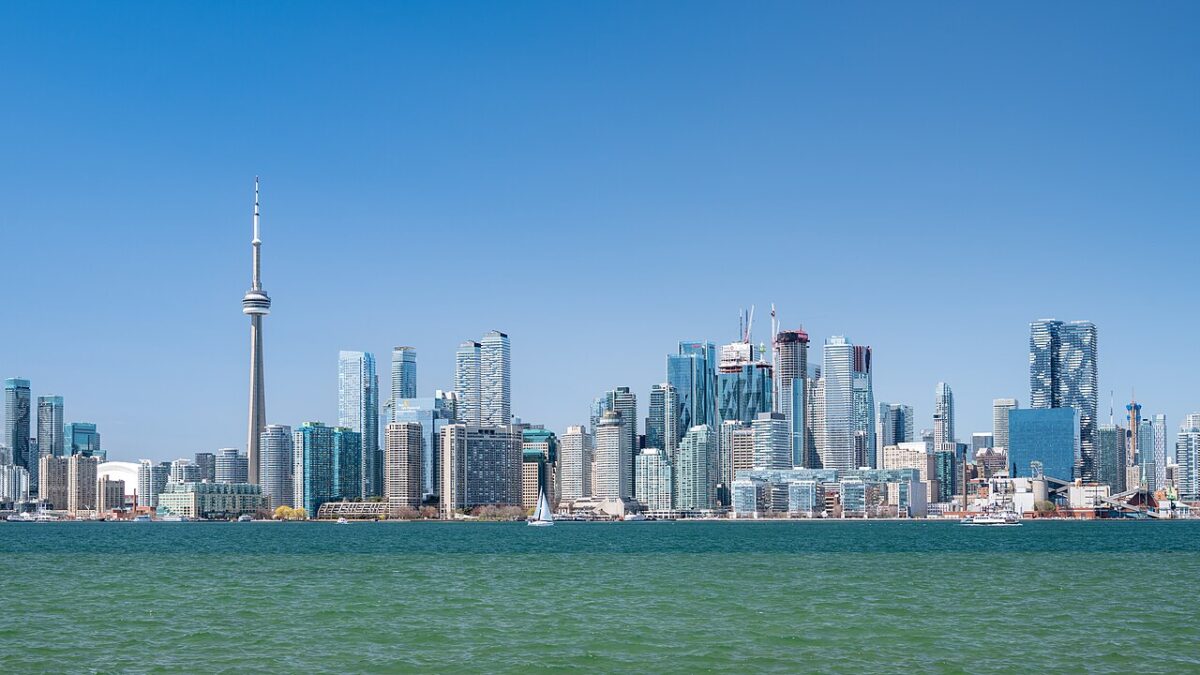
Toronto offers a dynamic urban experience with diverse neighborhoods, world-class dining, and vibrant cultural attractions, making it a prime destination for 2026. This Toronto travel guide highlights the city’s accessible costs, varied accommodation options, and a wealth of activities catering to every visitor. Plan your itinerary efficiently to explore its distinct districts and culinary scene.
This Canadian metropolis consistently ranks high for livability and visitor satisfaction, driven by its multicultural fabric and commitment to arts and innovation. Visitors can experience everything from iconic landmarks like the CN Tower to hidden culinary gems in ethnic enclaves, often at a more approachable price point than other major North American cities. For those seeking a comprehensive understanding of Canadian travel, our complete Canada travel guide offers broader context.
Who This Guide Is For
This guide is designed for first-time visitors planning a 3-5 day trip to Toronto who are interested in experiencing its diverse culture and culinary offerings. It caters to individuals and couples seeking a mid-range travel experience, providing practical advice on budgeting, accommodation, and itinerary planning within realistic cost parameters.
Average Travel Cost in Toronto
The cost of travel in Toronto varies significantly based on accommodation choices, dining preferences, and activity selection. Visitors can expect the following daily expenditure ranges in USD, with an exchange rate of 1 USD = 1.35 CAD.
| Category | Budget | Mid-Range | Luxury |
|---|---|---|---|
| Accommodation | $60 | $150 | $400 |
| Food | $40 | $80 | $200 |
| Transport | $15 | $30 | $100 |
| Attractions | $20 | $50 | $150 |
| Misc | $15 | $25 | $75 |
| Daily Total | $150 | $335 | $925 |
Estimated Total Costs (USD):
* 3-Day Trip:
* Budget: $450
* Mid-Range: $1,005
* Luxury: $2,775
* 7-Day Trip:
* Budget: $1,050
* Mid-Range: $2,345
* Luxury: $6,475
When comparing hotel stays versus Airbnb-style accommodations, budget travelers can typically save 10-20% per night by opting for a private room or an entire apartment through platforms like Airbnb, especially for longer stays. Mid-range and luxury travelers may find hotels offer more consistent service and amenities, though high-end short-term rentals can also provide comparable or superior value depending on location and inclusions.
Seasonal price fluctuations are notable. The peak season, from June to September, commands the highest rates for accommodation and flights due to favorable weather. Shoulder seasons (April-May and October) offer a balance of pleasant weather and moderate prices, while the off-season (November-March) presents the lowest costs, though visitors should be prepared for colder temperatures. Tipping culture in Toronto expects 15-20% at restaurants and for services.
Where to Stay in Toronto
Toronto’s diverse neighborhoods offer distinct experiences, catering to various traveler preferences and budgets.
Entertainment District
Known for its vibrant nightlife, theaters, and a dense concentration of restaurants and bars. This area buzzes with energy throughout the week.
* Price Range (per night): Budget: $100-$150; Mid-Range: $200-$350
* Best for: Nightlife enthusiasts, theatergoers, and those who enjoy being in the heart of the action.
* Insider Tip: Book accommodations on weekdays if possible, as weekend rates for hotels and popular venues can increase by up to 30%.
Kensington Market
Celebrated for its bohemian atmosphere, eclectic independent shops, diverse food stalls, and vintage boutiques. It is a hub for counter-culture and artistic expression.
* Price Range (per night): Budget: $80-$130 (for guesthouses/shared spaces); Mid-Range: $180-$280 (for boutique hotels nearby)
* Best for: Independent travelers, foodies seeking unique flavors, and those interested in local art and culture.
* Insider Tip: Explore the side streets and alleyways for the most authentic and often less crowded food vendors and unique artisan shops.
Yorkville
Recognized for its upscale boutiques, art galleries, fine dining establishments, and luxury hotels. It exudes sophistication and offers a refined urban experience.
* Price Range (per night): Mid-Range: $250-$450; Luxury: $500+
* Best for: Luxury travelers, shoppers seeking designer brands, and those who appreciate fine art and high-end cuisine.
* Insider Tip: Visit during off-peak hours, such as weekday mornings, to experience the high-end shops with more personal attention and less crowding.
Best Things to Do in Toronto
CN Tower
An iconic telecommunications and observation tower offering panoramic views of Toronto and Lake Ontario. It represents a significant engineering feat and a symbol of the city.
* Average Ticket Price: General admission starts at $43 CAD (approx. $32 USD).
* Best Time to Visit: Weekday mornings, particularly in the shoulder seasons (April-May, September-October), to minimize wait times. Sunset views are popular but can be crowded.
* Insider Tip: Purchase tickets online in advance to secure your preferred time slot and potentially save on booking fees. Consider the CityPASS for bundled attraction savings if visiting multiple sites.
Royal Ontario Museum (ROM)
One of the largest museums in North America, featuring extensive collections spanning natural history, world cultures, and art. Its striking architecture, including the Michael Lee-Chin Crystal, is notable.
* Average Ticket Price: General admission is $26 CAD (approx. $19 USD) for adults.
* Best Time to Visit: Tuesday or Wednesday afternoons offer a less crowded experience than weekends or holiday periods.
* Insider Tip: Check the ROM’s website for free or discounted admission days, often held on specific evenings or for certain exhibitions.
Art Gallery of Ontario (AGO)
A major art museum housing a vast collection of Canadian and international art, from historical to contemporary works. Its architecture, designed by Frank Gehry, is also a significant draw.
* Average Ticket Price: General admission is $30 CAD (approx. $22 USD) for adults.
* Best Time to Visit: Thursday evenings often feature extended hours and reduced admission prices as part of their “The AGO Presents” programming.
* Insider Tip: Membership can be cost-effective if you plan to visit more than twice a year; it also grants access to special exhibitions.
Distillery Historic District
A pedestrian-only village of Victorian industrial architecture, now home to unique boutiques, art galleries, performance venues, and restaurants. It is a well-preserved example of 19th-century industrial heritage.
* Average Ticket Price: Free to enter; costs vary for shopping, dining, and events.
* Best Time to Visit: Weekday mornings or early afternoons to avoid weekend crowds, especially during seasonal festivals like the Christmas Market.
* Insider Tip: Take advantage of guided walking tours offered by the district to gain deeper insights into its history and architecture.
St. Lawrence Market
A historic public market consistently ranked among the world’s best food markets. It offers a wide array of local produce, artisanal foods, international delicacies, and specialty vendors.
* Average Ticket Price: Free to enter; costs vary based on purchases.
* Best Time to Visit: Saturday mornings are bustling with farmers’ market vendors, while weekdays offer a more relaxed shopping experience at the permanent stalls.
* Insider Tip: Arrive early on Saturdays to sample popular items like the peameal bacon sandwich from Carousel Bakery before lines form.
High Park
Toronto’s largest public park, offering a diverse range of attractions including hiking trails, sports facilities, a zoo, gardens, and a large natural environment. It provides a significant green space within the urban landscape.
* Average Ticket Price: Free.
* Best Time to Visit: Spring for the cherry blossoms (late April to early May), or summer for outdoor activities. Weekdays are less crowded than weekends.
* Insider Tip: Rent a bike to explore the park’s extensive trail system efficiently, especially to reach more secluded areas.
Where to Eat in Toronto
Toronto’s culinary scene is a reflection of its multicultural identity, offering a vast array of global flavors.
* Cuisine: Vietnamese Pho
* Price Range: $10-$20 per meal
* What to Order: Traditional Pho Bo (beef noodle soup) or Bun Thit Nuong (grilled pork with vermicelli).
* Location Tip: Explore the restaurants along Spadina Avenue in the Chinatown area for authentic and affordable options.
* Cuisine: Indian Curry
* Price Range: $15-$30 per meal
* What to Order: Butter Chicken, Lamb Rogan Josh, or a vegetarian option like Chana Masala.
* Location Tip: Gerrard Street East, known as “Little India,” offers a concentration of diverse and high-quality Indian restaurants.
* Cuisine: Italian Pasta
* Price Range: $20-$40 per meal
* What to Order: Freshly made pasta dishes such as Tagliatelle Bolognese or Cacio e Pepe.
* Location Tip: The Little Italy neighborhood provides a range of trattorias and fine dining Italian restaurants.
* Cuisine: Jamaican Jerk
* Price Range: $15-$25 per meal
* What to Order: Jerk Chicken or Pork, served with rice and peas and coleslaw.
* Location Tip: Seek out smaller, casual eateries in areas like Eglinton West for authentic and flavorful jerk cuisine.
3-Day Toronto Itinerary
This itinerary balances iconic sights with local experiences, suitable for a mid-range budget traveler.
Day 1
* Morning: Arrive and check into your accommodation. Begin with an exploration of the CN Tower for breathtaking city views.
* Afternoon: Visit the Royal Ontario Museum (ROM) to immerse yourself in its diverse collections.
* Evening: Enjoy dinner in the Entertainment District, followed by a potential theater performance.
* Estimated Daily Cost: $250-$300 USD
Day 2
* Morning: Explore St. Lawrence Market for breakfast and to sample local delicacies. Afterwards, wander through the historic Distillery District.
* Afternoon: Spend the afternoon at the Art Gallery of Ontario (AGO), appreciating its extensive art collections.
* Evening: Discover the eclectic food scene in Kensington Market, enjoying a casual dinner from one of its many diverse vendors.
* Estimated Daily Cost: $200-$250 USD
Day 3
* Morning: Visit High Park for a relaxing walk or bike ride, enjoying its natural beauty.
* Afternoon: Explore the neighborhoods of Yorkville for window shopping and a sophisticated atmosphere, or head to the waterfront for views of Lake Ontario.
* Evening: Enjoy a final dinner in a neighborhood of your choice, perhaps exploring the diverse Asian culinary options in the area known as “The Six.”
* **Estimated Daily Cost: $200-$250 USD
Transportation Guide
Toronto Pearson International Airport (YYZ) is the primary gateway. The UP Express train offers a direct and efficient connection to Union Station downtown in approximately 25 minutes for $12.35 CAD (approx. $9.15 USD) one-way.
The Toronto Transit Commission (TTC) operates an extensive network of subways, streetcars, and buses. A single fare is $3.30 CAD (approx. $2.45 USD), with a day pass costing $13.50 CAD (approx. $10 USD). Contactless payment options are available. Rideshare services like Uber and Lyft are readily available throughout the city, with fares varying based on demand and distance.
* Pro Tip: Purchase a PRESTO card for a slight discount on individual TTC fares and for easier transfers between different transit modes.
Money-Saving Tips
Pro Tip 1: Utilize free walking tours available in various neighborhoods like Old Town or Kensington Market. These tours offer valuable historical and cultural insights, with guides working on tips, allowing you to contribute based on your satisfaction (budget $10-20 USD per person recommended).
Pro Tip 2: Take advantage of restaurant happy hour specials and lunch deals, which can offer significant savings compared to dinner prices, often reducing meal costs by 15-25%.
Pro Tip 3: Consider visiting attractions during off-peak hours or days. For example, many museums offer discounted admission on specific evenings, potentially saving $5-10 USD per ticket.
Common Travel Mistakes
Mistake 1: Underestimating the cost of attractions and dining. While Toronto can be more affordable than some global cities, costs can accumulate quickly. It is advisable to budget a daily amount using a travel cost calculator and stick to it.
Mistake 2: Relying solely on taxis or rideshares for all transportation. The TTC is an efficient and cost-effective way to navigate the city, especially during peak traffic hours. Familiarizing yourself with the transit map can save considerable money and time.
Frequently Asked Questions
How much money do you need for 3 days in Toronto?
For a 3-day trip, a budget traveler should allocate approximately $450 USD, covering accommodation, food, transport, and basic attractions. A mid-range traveler can expect to spend around $1,005 USD, while a luxury experience could reach $2,775 USD. These estimates are based on the provided daily cost breakdowns.
Is Toronto expensive for tourists?
Compared to other major North American cities like New York or Vancouver, Toronto offers a relatively moderate cost of travel. While not inexpensive, its diverse range of dining and accommodation options allows for varied budgeting. You can explore options comparable to Miami or even cheaper than some European capitals like Brussels, depending on your choices.
What is the best area to stay in Toronto?
The “best” area depends on your priorities. For nightlife and central access, the Entertainment District is ideal. For a bohemian vibe and unique eats, Kensington Market is recommended. For luxury and high-end shopping, Yorkville is the prime choice. Each offers distinct experiences, catering to different traveler profiles, as detailed in our Browse North America travel guides.
Can you visit Toronto without a car?
Absolutely. Toronto has an excellent public transportation system, the TTC, comprising subways, streetcars, and buses, which effectively covers most of the city. The UP Express provides convenient airport transit. For many visitors, a car is unnecessary and can even be a hindrance due to parking costs and traffic congestion.
What is the cheapest month to visit Toronto?
The cheapest months to visit Toronto are typically from November to March, excluding the holiday period around Christmas and New Year’s. During this off-season, accommodation and flight prices are at their lowest, though visitors should anticipate cold weather and potential snow.

Kai has visited 60+ countries across 6 continents, with a obsession for one thing most travelers ignore: the real cost of getting there. Former budget backpacker turned data-driven travel writer, Kai breaks down destination costs so you can plan smarter — not just dream bigger. Based everywhere, from nowhere in particular.