The Ultimate Guide to the Best Time to Visit Santiago, Chile in 2026
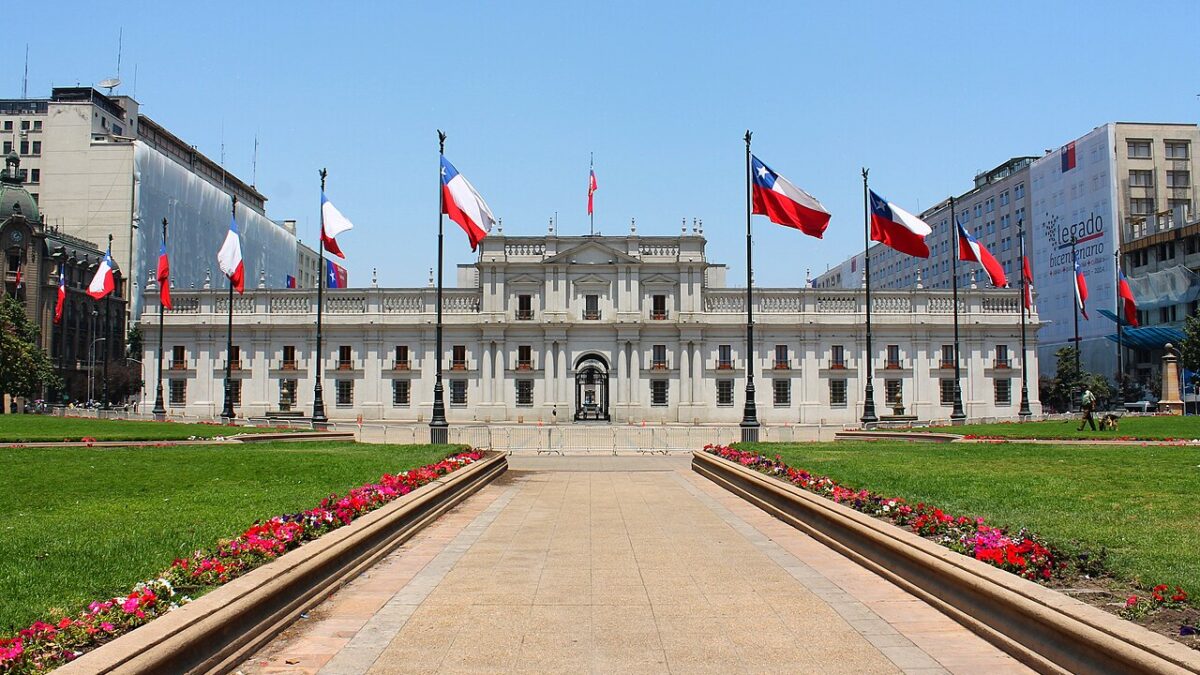
Best Time to Visit Santiago
The ideal periods for visiting Santiago, Chile in 2026 are during the spring months of October to November and the autumn months of March to April. These times offer pleasant weather, manageable crowds, and a good balance of value.
Month-by-Month Weather Guide
| Month | Avg Temp (Celsius) | Rainfall (mm) | Crowd Level | Hotel Price Level |
|---|---|---|---|---|
| January | 21 | 5 | Moderate | Mid-High |
| February | 21 | 3 | Moderate | Mid-High |
| March | 19 | 10 | Low-Moderate | Mid |
| April | 16 | 20 | Low-Moderate | Mid |
| May | 12 | 45 | Low | Low-Mid |
| June | 9 | 60 | Low | Low |
| July | 8 | 55 | Low | Low |
| August | 10 | 40 | Low | Low-Mid |
| September | 13 | 25 | Low-Moderate | Mid |
| October | 16 | 15 | Moderate | Mid-High |
| November | 19 | 10 | Moderate | Mid-High |
| December | 21 | 5 | Moderate-High | High |
Peak Season
The peak tourist season in Santiago generally spans from December to February, coinciding with summer holidays and favorable weather. During these months, expect warm to hot temperatures, with average highs around 21°C (70°F). Rainfall is minimal.
What to Expect: Sunny days perfect for exploring the city’s parks, outdoor markets, and nearby mountains. This is also a popular time for visiting the coastal areas near Valparaíso.
Price Increases: Accommodation and flight prices are at their highest during peak season. Expect hotel rates to average $150-$250 USD per night, with flights potentially costing $800-$1200 USD roundtrip from major international hubs.
Pros: Optimal weather conditions for most activities, vibrant atmosphere, and a wide array of events and festivals.
Cons: Higher costs for travel and accommodation, larger crowds at popular attractions, and potential for extreme heat in late January and February.
Shoulder Season (Best Value)
The shoulder seasons, encompassing March to April (autumn) and October to November (spring), offer an excellent balance of pleasant weather and value.
Weather Quality: Autumn brings mild temperatures, with highs around 16-19°C (61-66°F) and beautiful fall foliage in the surrounding vineyards and parks. Spring sees temperatures rise from 13-19°C (55-66°F), with blooming flowers and a fresh atmosphere.
Crowd Levels: Crowds are moderate during these periods, significantly less than the summer peak. This allows for a more relaxed experience at major tourist sites.
Savings vs. Peak: Travelers can expect substantial savings on flights and accommodation. Hotel prices typically range from $100-$180 USD per night, and flights may be found for $600-$900 USD.
Off-Season / Budget Season
The off-season for Santiago falls during the winter months of June, July, and August.
Cheapest Months: These months offer the lowest prices for flights and accommodation, with hotels averaging $70-$120 USD per night and flights potentially as low as $500-$700 USD.
Weather Trade-offs: Expect cooler temperatures, with average highs around 8-10°C (46-50°F), and the highest rainfall of the year, averaging 40-60mm per month. Snow is common in the nearby Andes, making it ideal for skiing.
Hidden Advantages: While not ideal for extensive outdoor city exploration, winter is perfect for enjoying Santiago’s indoor cultural attractions, world-class museums, and renowned culinary scene. It’s also the prime season for skiing in the Andes resorts.
Best Time for Specific Activities
Sightseeing
For general city sightseeing, including exploring neighborhoods like Bellavista, visiting museums like the Museo Chileno de Arte Precolombino, and enjoying panoramic views from Cerro San Cristóbal, the shoulder seasons of March-April and October-November are ideal. The weather is mild, and crowds are manageable.
Outdoor Activities
Hiking and Trekking: The best time for hiking in the nearby Andes is during the spring (September-November) and autumn (March-April) when trails are generally clear of snow and temperatures are pleasant. Summer (December-February) is also good but can be very hot.
Skiing: The winter months of June to August are exclusively for skiing and snowboarding in the Andes. Resorts like Valle Nevado and Portillo are at their prime.
Vineyard Tours: The harvest season in the wine regions surrounding Santiago occurs in March and April, offering a unique opportunity to witness grape pressing and enjoy wine tastings. The warmer months of December to February also provide pleasant conditions for vineyard visits.
Food Festivals and Cultural Events
While Santiago hosts events year-round, the spring and autumn months often see a concentration of food festivals and cultural celebrations. Look for events in October, November, March, and April. The specific dates for festivals can vary, so it is advisable to consult a Santiago travel guide closer to your travel dates for the most up-to-date information.
Seasonal Price Comparison
| Season | Avg Hotel/Night (USD) | Avg Flight (USD) | Overall Cost Level |
|---|---|---|---|
| Peak Season (Dec-Feb) | $150 – $250 | $800 – $1200 | High |
| Shoulder Season (Mar-Apr, Oct-Nov) | $100 – $180 | $600 – $900 | Medium |
| Off-Season (May-Aug) | $70 – $120 | $500 – $700 | Low |

Kai has visited 60+ countries across 6 continents, with a obsession for one thing most travelers ignore: the real cost of getting there. Former budget backpacker turned data-driven travel writer, Kai breaks down destination costs so you can plan smarter — not just dream bigger. Based everywhere, from nowhere in particular.