Weekend in Lima: Ceviche, Miraflores & Huacas
Why Visit Lima?
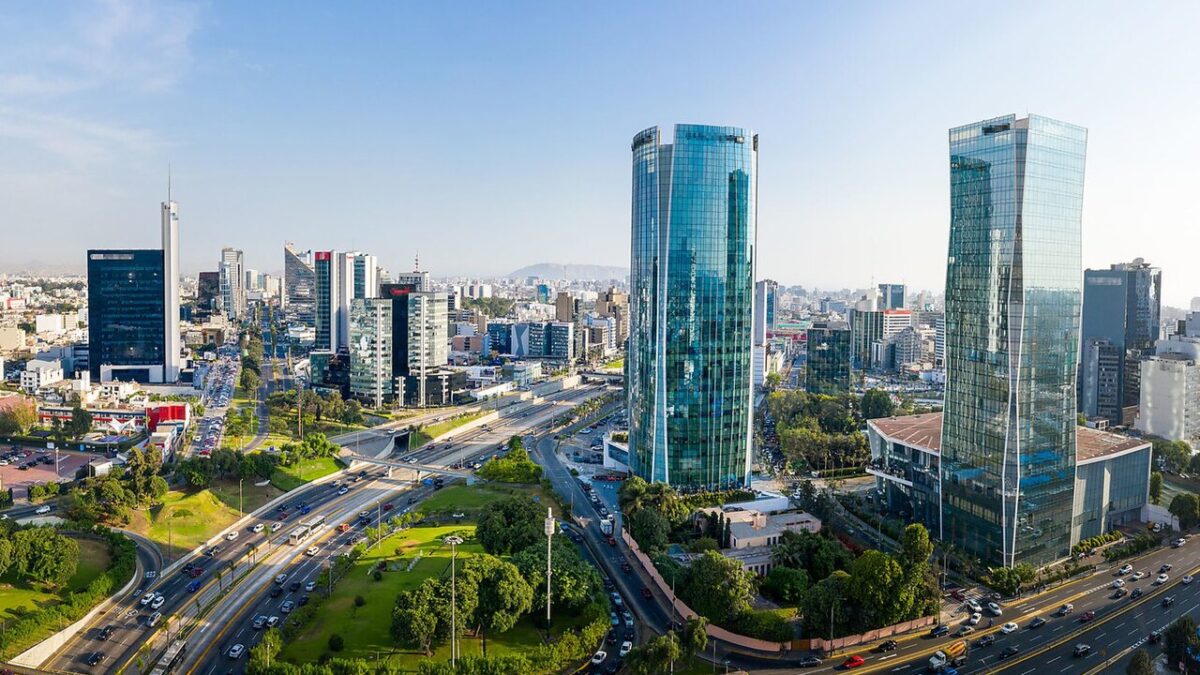
Lima offers a compelling blend of world-class gastronomy, pre-Columbian history, and vibrant urban culture, making it a premier destination in South America. This Lima travel guide details how to experience its diverse attractions, from culinary exploration to archaeological sites, with accessible costs. With an average daily cost starting at $35 for budget travelers, Lima provides rich cultural immersion without prohibitive expense, suitable for short or extended stays.
The city’s culinary scene is a significant draw, consistently ranked among the world’s best, offering everything from innovative fine dining to bustling local markets. Beyond its gastronomic fame, Lima is a gateway to Peru’s rich past, housing remarkable archaeological sites that predate the Inca Empire. Its coastal location provides unique ocean views and a refreshing breeze, contrasting with the inland desert landscape.
Who This Guide Is For
This guide is tailored for first-time visitors planning a 3-5 day trip to Lima, seeking a balanced experience of its culinary, historical, and cultural offerings. It is particularly useful for budget-conscious travelers aiming for an average daily spend under $80 and those interested in experiencing authentic Peruvian cuisine. Families and solo travelers will also find practical advice for navigating the city.
Average Travel Cost in Lima
The following table outlines the average daily travel costs in Lima for 2026, presented in USD. These figures are based on an exchange rate of 1 USD = 3.7 PEN.
| Category | Budget | Mid-Range | Luxury |
|---|---|---|---|
| Accommodation | $16 | $42 | $150 |
| Food | $8 | $20 | $60 |
| Transport | $3 | $6 | $20 |
| Attractions | $5 | $14 | $38 |
| Misc | $3 | $6 | $16 |
| Daily Total | $35 | $88 | $284 |
Estimated total costs for different trip durations are as follows:
* 3-Day Trip:
* Budget: $105
* Mid-Range: $264
* Luxury: $852
* 7-Day Trip:
* Budget: $245
* Mid-Range: $616
* Luxury: $1988
For accommodation, opting for an Airbnb-style apartment can offer significant savings, particularly for longer stays or groups, potentially reducing the accommodation portion of the daily budget by 15-25% compared to mid-range hotels. This allows for more funds to be allocated to culinary experiences or excursions.
Seasonal price fluctuations are notable. The peak season, from December to March, experiences higher demand and thus increased prices for flights and accommodation. Shoulder seasons (April-May and September-November) offer a balance of good weather and more moderate costs. The off-season, typically from June to August, sees the lowest prices but also experiences cooler, cloudier weather. Tipping culture in Lima suggests a 10% gratuity at restaurants is customary.
Where to Stay in Lima
Lima offers a diverse range of neighborhoods catering to various traveler preferences and budgets.
Miraflores
Miraflores is known for its upscale atmosphere, oceanfront boardwalk, parks, shopping centers, and a concentration of excellent restaurants and bars.
* Price Range: Budget: $30-$50/night; Mid-Range: $60-$120/night.
* Best for: Tourists seeking safety, comfort, modern amenities, and easy access to tourist attractions and dining.
Insider Tip: Explore the Parque del Amor* for sunset views and artistic flair, but arrive before 5 PM to avoid peak crowds.
Barranco
Barranco is celebrated as Lima’s bohemian district, characterized by its colorful colonial architecture, vibrant street art, independent galleries, lively nightlife, and a more laid-back, artistic vibe.
* Price Range: Budget: $25-$45/night; Mid-Range: $50-$90/night.
* Best for: Travelers interested in art, culture, nightlife, and a more authentic, less commercialized experience.
Insider Tip: Walk across the Puente de los Suspiros* (Bridge of Sighs) at night for a romantic atmosphere, but be aware of street vendors.
San Isidro
San Isidro is an affluent residential and business district, recognized for its green spaces, diplomatic presence, high-end hotels, and sophisticated dining establishments, offering a quieter, more exclusive feel.
* Price Range: Budget: $40-$60/night (limited options); Mid-Range: $80-$150/night.
* Best for: Business travelers, those seeking luxury, tranquility, and proximity to financial centers and exclusive restaurants.
Insider Tip: Visit the El Olivar Park*, Lima’s only olive grove, for a peaceful escape and birdwatching opportunities.
Best Things to Do in Lima
Plaza Mayor (Plaza de Armas)
This is the historic heart of Lima, featuring impressive colonial architecture including the Government Palace, Cathedral of Lima, and Archbishop’s Palace, serving as the city’s central point since its founding.
* Average Ticket Price: Free to enter the plaza; some buildings may have entry fees for specific tours or museums.
* Best Time to Visit: Morning (9 AM – 11 AM) to witness the changing of the guard at the Government Palace and avoid midday crowds.
* Insider Tip: Observe the architectural details and historical significance; consider a guided walking tour to gain deeper insights into the plaza’s past.
Museo Larco
Housed in a stunning 18th-century vice-royal mansion, this museum displays an exceptional collection of pre-Columbian art, including ceramics, textiles, and gold artifacts, offering a chronological overview of ancient Peruvian cultures.
* Average Ticket Price: Approximately $10-$15 USD.
* Best Time to Visit: Weekdays during opening hours (9 AM – 6 PM) to experience a less crowded visit.
* Insider Tip: The museum’s erotic pottery gallery is a unique and historically significant collection; allocate at least 2-3 hours for a comprehensive visit.
Parque de la Reserva (Magic Water Circuit)
This park features a spectacular display of 13 illuminated ornamental fountains, many of which are interactive, creating a magical water and light show in the evenings.
* Average Ticket Price: Approximately $4-$6 USD.
* Best Time to Visit: Evening, after sunset, for the full effect of the light and water shows. Check the official schedule for specific timings.
* Insider Tip: Arrive early to secure a good viewing spot, especially on weekends or holidays, as it is a popular local attraction.
Huaca Pucllana
A UNESCO World Heritage site, Huaca Pucllana is a magnificent adobe pyramid dating back to the Lima culture (200-700 AD), offering a glimpse into ancient urban life and ceremonial practices.
* Average Ticket Price: Approximately $5-$8 USD, including a guided tour.
* Best Time to Visit: Late afternoon (3 PM – 5 PM) to avoid the hottest part of the day and witness the site bathed in golden light.
* Insider Tip: Opt for the guided tour to understand the historical context and significance of the different structures within the complex.
Miraflores Boardwalk (Malecón)
This expansive cliffside promenade offers breathtaking views of the Pacific Ocean, featuring lush gardens, sculptures, and recreational areas, perfect for walking, cycling, or simply enjoying the coastal scenery.
* Average Ticket Price: Free.
* Best Time to Visit: Early morning for a peaceful stroll or late afternoon for sunset vistas.
* Insider Tip: Rent a bicycle from one of the many rental stands to explore the entire length of the malecón, which stretches for several kilometers.
Barranco’s Puente de los Suspiros
A charming wooden bridge in the heart of Barranco, this iconic landmark is a focal point for the neighborhood’s artistic and romantic atmosphere, surrounded by galleries and cafes.
* Average Ticket Price: Free.
* Best Time to Visit: Evening for its romantic ambiance or during the day to explore the surrounding streets and shops.
* Insider Tip: Legend says if you can cross the bridge holding your breath, your wish will come true; enjoy the vibrant street performers often found nearby.
Where to Eat in Lima
Lima’s culinary landscape is world-renowned, offering diverse flavors and experiences.
* Ceviche (Peruvian National Dish):
* Cuisine: Seafood.
* Price Range: $10-$25 per meal.
What to Order: Classic ceviche de pescado (fish ceviche), tiradito (sashimi-style ceviche with different sauces), or ceviche mixto* (mixed seafood).
Location Tip: Seek out established cevicherías in Miraflores or Pueblo Libre for authentic preparations. La Mar Cebicheria Peruana* is a highly regarded option.
* Criollo Cuisine (Traditional Peruvian):
* Cuisine: Peruvian comfort food.
* Price Range: $8-$20 per meal.
What to Order: Lomo Saltado (beef stir-fry), Aji de Gallina (creamy chicken stew), Seco de Cordero* (lamb stew).
Location Tip: Explore local huariques* (small, informal eateries) or traditional restaurants in districts like Pueblo Libre or Rimac for authentic flavors.
* Nikkei Cuisine (Peruvian-Japanese Fusion):
* Cuisine: Fusion.
* Price Range: $15-$40 per meal.
What to Order: Tuna Tataki, Maki rolls with Peruvian ingredients, Ceviche with Japanese influences*.
Location Tip: Miraflores and San Isidro host many of Lima’s top Nikkei restaurants, offering innovative culinary creations. Maido* is a world-renowned example.
* Chifa Cuisine (Peruvian-Chinese Fusion):
* Cuisine: Fusion.
* Price Range: $7-$18 per meal.
What to Order: Arroz Chaufa (fried rice), Tallarin Saltado (stir-fried noodles), Sopa Wantan*.
* Location Tip: Chifa restaurants are ubiquitous across Lima; look for busy establishments in any neighborhood for a lively and authentic experience.
3-Day Lima Itinerary
Day 1
* Morning (9 AM – 12 PM): Begin at the historic Plaza Mayor, exploring its colonial architecture and witnessing the changing of the guard. Visit the Cathedral of Lima.
* Afternoon (1 PM – 4 PM): Immerse yourself in pre-Columbian history at Museo Larco. Enjoy lunch at the museum’s restaurant.
* Evening (6 PM onwards): Experience the Magic Water Circuit at Parque de la Reserva for a dazzling light and water show. Have dinner in the surrounding area.
* Estimated Daily Cost: $75 (Mid-Range)
Day 2
* Morning (10 AM – 1 PM): Explore the ancient adobe pyramid of Huaca Pucllana in Miraflores, followed by a stroll along the Malecón for ocean views.
* Afternoon (2 PM – 5 PM): Discover the bohemian charm of Barranco. Wander through its colorful streets, visit art galleries, and cross the Puente de los Suspiros.
* Evening (7 PM onwards): Indulge in Lima’s renowned culinary scene with dinner in Barranco or Miraflores, focusing on either Nikkei or Criollo cuisine.
* Estimated Daily Cost: $95 (Mid-Range)
Day 3
* Morning (9 AM – 12 PM): Visit a local market like Mercado Surquillo No. 1 to experience the vibrant produce and local life. Consider a ceviche tasting.
* Afternoon (1 PM – 4 PM): Explore a different museum based on interest, such as the National Museum of Archaeology, Anthropology and History of Peru or the Museum of Art of Lima (MALI).
* Evening (6 PM onwards): Enjoy a farewell dinner at a restaurant offering panoramic city views or revisit a favorite culinary spot from your trip.
* Estimated Daily Cost: $80 (Mid-Range)
Transportation Guide
Lima’s transportation system is multifaceted. To get from Jorge Chávez International Airport (LIM) to your accommodation, options include official airport taxis (fixed rates, typically $20-$30 to Miraflores), private pre-booked transfers, or ride-sharing apps like Uber or Cabify, which are often more economical.
Public transit within Lima consists mainly of buses. The Metropolitano is a bus rapid transit system that covers key routes efficiently but can be crowded. Other local bus routes are extensive but can be confusing for first-time visitors and may not always adhere strictly to schedules. Fares for public buses are generally very low, around $0.50-$1 per ride.
Rideshare services such as Uber, Cabify, and Didi are widely available and are a practical and cost-effective way to navigate the city, especially for tourists. Fares are competitive, with a typical ride between Miraflores and Barranco costing $5-$10. It is advisable to use these services during daylight hours for enhanced safety.
* Practical Tips:
* Always ensure ride-sharing apps display the correct driver and vehicle details before entering.
* Have small Peruvian Soles (PEN) denominations for bus fares if not using a transit card.
* Avoid hailing random taxis on the street; opt for reputable companies or rideshares.
Money-Saving Tips
Pro Tip 1: Eat at local markets and huariques (small, informal eateries) for authentic Peruvian meals at prices as low as $5-$10 per person, significantly reducing daily food expenditure.
Pro Tip 2: Utilize ride-sharing apps instead of taxis for airport transfers and intra-city travel; a 7-day trip could save $50-$100 on transportation by choosing Uber/Cabify over traditional taxis.
Pro Tip 3: Focus on free attractions like the Malecón in Miraflores, Plaza Mayor, and exploring Barranco’s street art to maximize sightseeing without incurring entry fees.
Common Travel Mistakes
Mistake 1: Underestimating Lima’s traffic. Journeys that appear short on a map can take considerably longer due to severe congestion, especially during peak hours. Plan travel with ample buffer time, particularly when heading to the airport or important appointments.
Mistake 2: Relying solely on credit cards. While widely accepted in tourist areas and larger establishments, many smaller shops, markets, and local eateries operate on a cash-only basis. Always carry a reasonable amount of Peruvian Soles for daily expenses.
Frequently Asked Questions
How much money do you need for 3 days in Lima?
For a 3-day trip to Lima, budget travelers can expect to spend around $105, covering basic accommodation, local food, public transport, and a few key attractions. Mid-range travelers will likely spend approximately $264, allowing for more comfortable lodging, diverse dining, and additional activities. Luxury travelers might allocate $852 or more for premium experiences.
Is Lima expensive for tourists?
Lima offers a range of price points, making it accessible for various budgets. While high-end dining and luxury accommodations can be costly, budget and mid-range options are plentiful. Compared to cities like Buenos Aires, Lima can be more affordable, especially for food and local transport. Browse South America travel guides for broader comparisons.
What is the best area to stay in Lima?
Miraflores is generally considered the best area for first-time tourists due to its safety, modern amenities, and proximity to attractions and dining. Barranco offers a more artistic and bohemian vibe, ideal for culture enthusiasts. San Isidro provides a more upscale and tranquil environment.
Can you visit Lima without a car?
Yes, it is entirely feasible to visit Lima without a car. The city has a developing public transport system, and ride-sharing services like Uber and Cabify are readily available and affordable for getting around. Many tourist attractions are also walkable within their respective neighborhoods.
What is the cheapest month to visit Lima?
The cheapest months to visit Lima are typically during the shoulder seasons, such as April-May or September-November, and potentially the off-season from June to August, though this period is also the coolest and cloudiest. Traveling outside of major holidays and peak summer months (December-March) will generally yield lower prices.
Further Reading on Peru

Kai has visited 60+ countries across 6 continents, with a obsession for one thing most travelers ignore: the real cost of getting there. Former budget backpacker turned data-driven travel writer, Kai breaks down destination costs so you can plan smarter — not just dream bigger. Based everywhere, from nowhere in particular.