3 Days in Buenos Aires: Tango, Steak & Recoleta
Why Visit Buenos Aires?
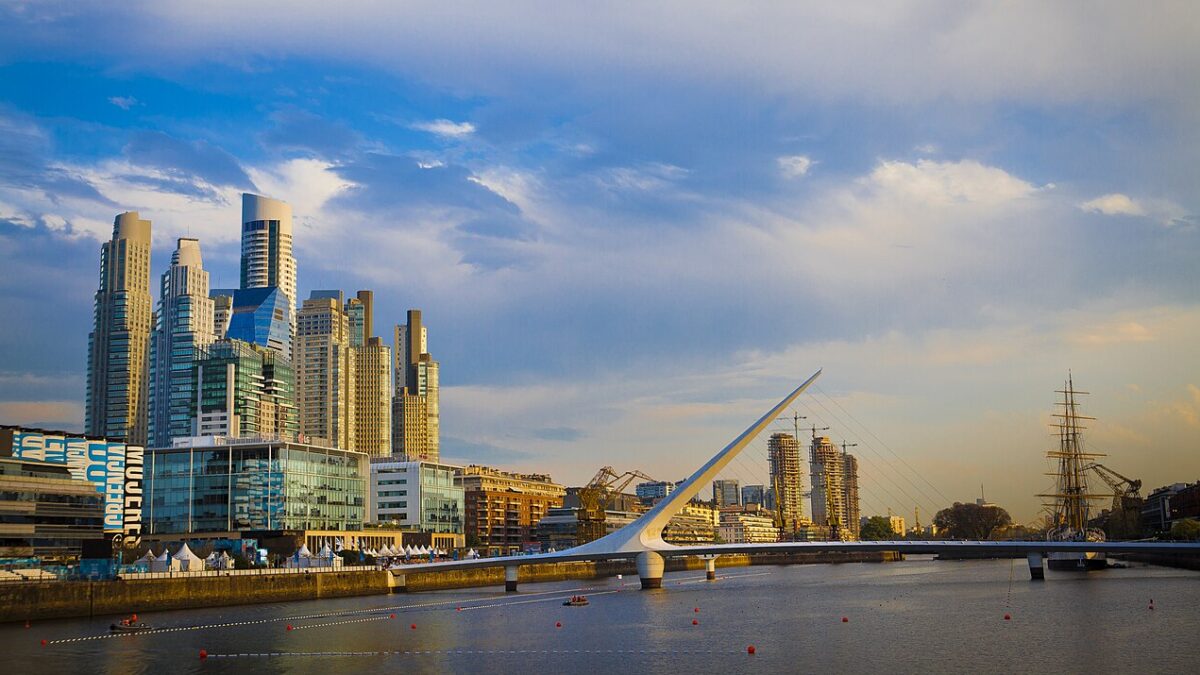
This Buenos Aires travel guide explores a city where European elegance meets Latin American passion, offering a rich cultural tapestry, world-class cuisine, and vibrant nightlife. Discover diverse neighborhoods, from the historic San Telmo to the chic Recoleta, all accessible with practical itinerary planning and budget considerations. Learn about average costs and how to experience the best of Argentina’s capital in 2026.
Buenos Aires presents a compelling destination for travelers seeking a blend of sophisticated urban exploration and authentic cultural immersion. Its grand architecture, reminiscent of Paris and Madrid, provides a stunning backdrop for tango performances, bustling street markets, and an unparalleled culinary scene centered around its famous parrillas. The city’s accessibility and diverse offerings make it a prime choice for those looking to experience South America’s most European-influenced capital.
Who This Guide Is For
This guide is designed for first-time visitors planning a 4-7 day trip to Buenos Aires. It caters to travelers with a mid-range budget seeking a balance of comfortable accommodation, diverse dining experiences, and key cultural attractions. It also provides practical information for independent explorers interested in understanding the city’s costs and logistics.
Average Travel Cost in Buenos Aires
The following data provides an estimated daily cost breakdown for travelers in Buenos Aires, Argentina, as of 2026. Exchange Rate: 1 USD = 870 ARS.
| Category | Budget | Mid-Range | Luxury |
|---|---|---|---|
| Accommodation | $18 | $48 | $170 |
| Food | $10 | $24 | $65 |
| Transport | $3 | $6 | $22 |
| Attractions | $6 | $15 | $40 |
| Misc | $3 | $6 | $18 |
| Daily Total | $40 | $99 | $315 |
Estimated Total Costs:
3-Day Trip: Budget $120 | Mid-Range $297 | Luxury $945
7-Day Trip: Budget $280 | Mid-Range $693 | Luxury $2205
Accommodation costs exhibit significant variation. Hotels, particularly in the mid-range and luxury segments, typically command higher prices due to included services and amenities. Opting for an Airbnb-style apartment can yield savings of 20-30% for longer stays, offering more space and kitchen facilities, which can further reduce food expenses.
Seasonal price fluctuations are notable. The peak seasons, generally March-May and September-November, offer pleasant weather but come with higher accommodation and flight prices. The shoulder seasons (early March, late May, early September, late November) can provide a good balance of favorable weather and reduced costs. Off-season, typically during the Southern Hemisphere’s winter (June-August), sees the lowest prices but also cooler temperatures and potential for rain.
Where to Stay in Buenos Aires
Palermo is known for its trendy boutiques, vibrant nightlife, extensive parks, and diverse culinary scene, making it a hub for young professionals and fashion-forward travelers. Budget accommodation can range from $30-$60 per night, with mid-range options between $70-$120. It is best suited for travelers seeking an energetic urban experience and access to contemporary culture.
Insider Tip: Explore the smaller, less crowded streets off Avenida Santa Fe for more authentic local eateries and unique shops.
San Telmo is celebrated for its historic cobblestone streets, antique markets, tango halls, and bohemian atmosphere. Expect budget accommodation from $25-$50 and mid-range options from $60-$100. This neighborhood is ideal for history buffs, art lovers, and those seeking a glimpse into Buenos Aires’s past and its tango heritage.
Insider Tip: Visit the San Telmo Market on Sundays for a lively experience, but be prepared for large crowds; weekdays offer a more relaxed exploration of antique shops.
Recoleta is renowned for its elegant architecture, upscale boutiques, the famous Recoleta Cemetery, and a sophisticated ambiance. Budget options are scarce, ranging from $40-$70, while mid-range hotels typically fall between $80-$150. It is best for travelers who appreciate refined surroundings, cultural landmarks, and a more tranquil, upscale environment.
Insider Tip: Purchase tickets for Recoleta Cemetery online in advance to avoid potential queues, especially during peak tourist seasons.
Best Things to Do in Buenos Aires
Recoleta Cemetery
This is an extraordinary city of the dead, featuring elaborate mausoleums of Argentina’s most prominent figures, including Eva Perón. It offers a unique architectural and historical experience.
Average Ticket Price: Approximately $15-$20 (includes guided tour option).
Best Time to Visit: Weekdays, ideally in the morning, to avoid weekend crowds.
Insider Tip: Consider joining a guided tour to gain deeper historical context and identify key mausoleums; independent exploration can be overwhelming due to the sheer scale.
Teatro Colón
One of the world’s premier opera houses, Teatro Colón is celebrated for its exceptional acoustics and opulent architecture, hosting world-class opera, ballet, and symphony performances.
Average Ticket Price: Performances range from $30-$150+, guided tours are approximately $25-$35.
Best Time to Visit: Matinee performances or early evening shows offer good viewing opportunities; book tours during daylight hours to appreciate the architecture.
Insider Tip: Book performance tickets or tour slots well in advance, as popular shows and tours sell out quickly. Check the official website for schedules and availability.
La Boca (Caminito)
This vibrant, colorful street museum and pedestrian street in the La Boca neighborhood is famous for its brightly painted buildings, tango dancers, and street artists. It provides a lively, albeit tourist-oriented, cultural snapshot.
Average Ticket Price: Free to wander; costs apply for souvenirs and paid performances.
Best Time to Visit: Daytime, from late morning to mid-afternoon, for the best atmosphere and visibility of street performers. Avoid late evenings.
Insider Tip: Be mindful of your belongings due to its popularity; venture slightly off the main tourist path to find more authentic local eateries.
San Telmo Market (Feria de San Telmo)
Held every Sunday, this sprawling street market is a Buenos Aires institution, featuring antiques, crafts, street food, and live tango performances, offering a sensory immersion into local life.
Average Ticket Price: Free to enter; costs for purchases vary widely.
Best Time to Visit: Sundays, from late morning through the afternoon. Arrive early to beat the largest crowds.
Insider Tip: While many stalls sell genuine antiques, be discerning. Enjoy the street performers and sample local empanadas from various vendors.
Palermo Parks (Bosques de Palermo)
This expansive green space includes the Rosedal (Rose Garden), the Japanese Garden, and the Planetarium, offering a tranquil escape with beautiful landscapes and recreational opportunities.
Average Ticket Price: Rosedal and general park access are free; Japanese Garden has a small entrance fee (approx. $5-$8).
Best Time to Visit: Weekends for a lively atmosphere, weekdays for a quieter experience. Spring (September-November) is particularly beautiful with blooming roses.
Insider Tip: Rent a paddleboat on the lake in the Rosedal for a unique perspective of the park.
El Ateneo Grand Splendid
A breathtaking bookstore housed in a former theater, El Ateneo Grand Splendid is renowned for its stunning architecture, preserving the theater’s original frescoes and balconies.
Average Ticket Price: Free to enter.
Best Time to Visit: Weekdays during business hours for a less crowded experience.
Insider Tip: Enjoy a coffee or pastry at the café located on the former stage for a unique vantage point.
Where to Eat in Buenos Aires
Argentine Parrilla (Steakhouse)
Price Range: $25-$60 per meal.
What to Order: Bife de chorizo (sirloin strip), ojo de bife (ribeye), or vacío (flank steak). Accompanied by a simple salad and a glass of Malbec.
Location Tip: Seek out established parrillas in neighborhoods like Palermo or Recoleta, or venture to less touristy spots recommended by locals for authentic flavor.
Empanadas
Price Range: $2-$5 per empanada.
What to Order: Try classic beef (carne), chicken (pollo), or ham and cheese (jamón y queso). Spicy versions (con picante) are also popular.
Location Tip: Available at nearly every café, bakery, and specialized empanada shops throughout the city. Look for busy, local establishments.
Italian Cuisine (Pastas and Pizzas)
Price Range: $15-$35 per meal.
What to Order: Sorrentinos (large, round ravioli) or ñoquis (gnocchi) are popular pasta choices. Thin-crust pizzas (pizzas a la piedra) are also a local favorite.
Location Tip: Many Italian restaurants are found in neighborhoods like Villa Crespo and Almagro, reflecting the city’s strong Italian heritage.
Choripán
Price Range: $3-$6 per sandwich.
What to Order: Grilled chorizo sausage served in a bread roll, often with chimichurri sauce.
Location Tip: Commonly found at street food stalls, particularly around stadiums on match days or at local fairs and markets.
3-Day Buenos Aires Itinerary
Day 1
Morning: Explore Recoleta, visiting the iconic Recoleta Cemetery and admiring the neighborhood’s French-inspired architecture.
Afternoon: Immerse yourself in art and history at the MALBA (Latin American Art Museum of Buenos Aires) or wander through the shops and cafes of Palermo Soho.
Evening: Experience a traditional tango show with dinner in San Telmo, soaking in the city’s most famous cultural export.
Estimated Daily Cost: $95 (Mid-Range)
Day 2
Morning: Discover the colorful street art and vibrant atmosphere of El Caminito in La Boca, followed by a visit to the Boca Juniors stadium for football enthusiasts.
Afternoon: Explore the historic heart of the city, including Plaza de Mayo, the Metropolitan Cathedral, and the Casa Rosada.
Evening: Enjoy dinner in Palermo Hollywood, known for its trendy restaurants and lively bars, or catch a performance at the Teatro Colón.
Estimated Daily Cost: $110 (Mid-Range)
Day 3
Morning: Browse the antique stalls and street performers at the San Telmo Market (if Sunday) or explore the independent boutiques and artisanal shops in Palermo.
Afternoon: Relax in the expansive Bosques de Palermo parks, perhaps visiting the Rosedal or enjoying a boat ride.
Evening: Enjoy a farewell dinner at a highly-rated parrilla, savoring Argentina’s renowned beef, followed by a stroll through a neighborhood of your choice.
Estimated Daily Cost: $105 (Mid-Range)
Transportation Guide
Getting from Ezeiza International Airport (EZE) to the city center typically involves taxis, pre-booked remises (private car services), or airport buses. Taxis are readily available but can be more expensive. Remises offer a fixed rate and can be booked in advance for peace of mind. Airport buses provide a more economical option, with several routes serving different parts of the city.
Public transit in Buenos Aires is efficient and affordable. The SUBE card is essential for using the subway (Subte) and buses. These cards can be purchased and reloaded at Subte stations and many convenience stores. The Subte network is extensive and covers most major tourist areas, while buses reach virtually every corner of the city.
Rideshare services like Uber and Cabify operate in Buenos Aires and are often comparable in price to taxis, sometimes offering a more convenient booking experience. However, it is advisable to confirm current legality and availability upon arrival.
Practical tips include purchasing a SUBE card immediately upon arrival and loading it with sufficient funds for your planned travel. Familiarize yourself with the Subte map for efficient travel between neighborhoods. For longer distances or late-night travel, a pre-booked remise can offer security and convenience.
Money-Saving Tips
Pro Tip 1: Utilize the SUBE card for public transportation. A single bus or Subte ride costs approximately 0.06 USD (50 ARS), significantly less than taxis or rideshares, allowing for substantial savings on daily commutes.
Pro Tip 2: Embrace the local dining scene by seeking out parrillas away from prime tourist zones and enjoying menú del día (set lunch menus) offered by many restaurants. These typically provide excellent value, costing around 10-15 USD for a multi-course meal.
Pro Tip 3: Take advantage of free attractions. Many of Buenos Aires’s most captivating experiences, such as exploring neighborhoods like La Boca’s Caminito or relaxing in the Palermo parks, are entirely free of charge.
Common Travel Mistakes
Mistake 1: Relying solely on credit cards without carrying sufficient cash. While many establishments accept cards, smaller shops, markets, and some public transport top-ups may require Argentine Pesos. Always have some cash on hand, especially for street vendors and smaller purchases.
Mistake 2: Underestimating the city’s size and attempting to cover too much ground in a short period. Buenos Aires is a vast metropolis with distinct neighborhoods, each deserving dedicated exploration. Plan your itinerary realistically, focusing on a few key areas per day to avoid rushed experiences.
Frequently Asked Questions
How much money do you need for 3 days in Buenos Aires?
For a 3-day trip to Buenos Aires, a budget traveler can expect to spend approximately $120 USD. A mid-range traveler would budget around $297 USD, while a luxury traveler might allocate $945 USD. These estimates cover accommodation, food, transport, and activities. You can use our travel cost calculator to get a more personalized estimate.
Is Buenos Aires expensive for tourists?
Compared to some major global cities, Buenos Aires offers good value, particularly for travelers from North America or Europe. Daily costs for mid-range travelers hover around $99 USD. However, luxury experiences can rival those found in other international capitals. For a different perspective on costs, you can check travel costs in Krakow or compare with Montevideo.
What is the best area to stay in Buenos Aires?
The best area to stay depends on your interests. Palermo is ideal for nightlife and trendy dining, San Telmo for historical charm and tango, and Recoleta for upscale elegance and cultural landmarks. Each offers distinct advantages for different traveler types. For a comprehensive overview of what the country has to offer, be sure to check out our complete Argentina travel guide.
Can you visit Buenos Aires without a car?
Yes, Buenos Aires is easily navigable without a car. The city boasts an extensive public transportation system, including the Subte (subway) and a vast bus network, supplemented by readily available taxis and rideshare services.
What is the cheapest month to visit Buenos Aires?
The cheapest months to visit Buenos Aires are typically during the Southern Hemisphere’s winter, from June to August. While weather is cooler, accommodation and flight prices are often at their lowest during this off-peak season.

Kai has visited 60+ countries across 6 continents, with a obsession for one thing most travelers ignore: the real cost of getting there. Former budget backpacker turned data-driven travel writer, Kai breaks down destination costs so you can plan smarter — not just dream bigger. Based everywhere, from nowhere in particular.